Movie review
July 19, 2017 · 137 min · PG-13 · Sci-Fi · Action · Adventure
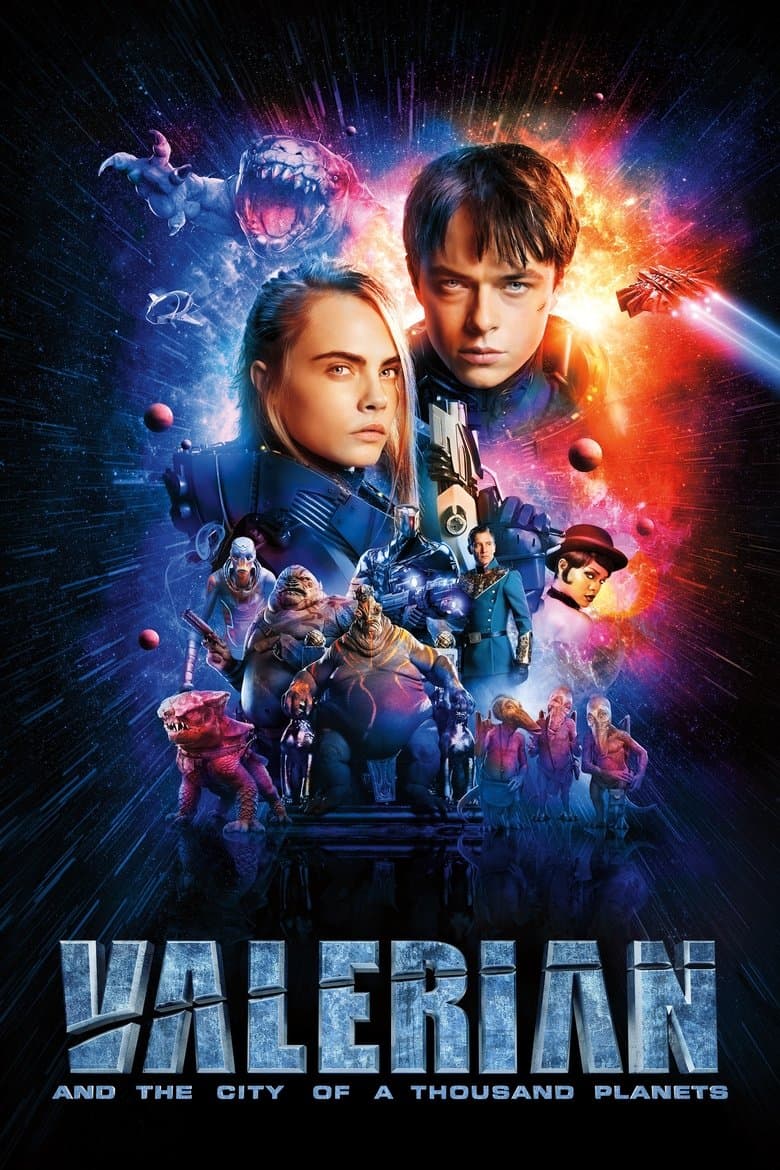
Luc Besson’s big space adventure follows military agents Valerian and Laureline as they work on Alpha, a huge station shared by many species. The main plot is about a peaceful alien people called the Pearls whose world was destroyed, a secret toxic zone, and a human military cover-up. The heroes try to stop the lies and help the survivors find a new home. The story comes from the French Valérian and Laureline comics and plays like a classic visual space opera.
Viewers can see progressive ideas without a modern identity-first campaign. Laureline is an equal partner who is often sharper than the cocky male lead, and Alpha celebrates many cultures living together. The film criticizes military power for genocide, secrecy, and false threats framed like real-world cover-ups. White leads match the comic pair, while supporting diversity appears in story-logical roles. The public fight was about flop status and acting chemistry, not an anti-woke culture war.
Community feedback
Was our 32% Woke rating accurate?
Breakdown
These are the editorial factors and ratings behind our score for Valerian and the City of a Thousand Planets.
Woke representation / casting
White leads match the European comic pair with no race or gender swap. Supporting diversity such as Hancock, Rihanna, Kris Wu, and the multicultural Alpha opening is clear but secondary. It fits a shared 28th-century station rather than a forced one-of-each hero roster.
15%
Woke political dialogue
Talk focuses on mission rules, romance banter, and Filitt defending genocide and secrecy for human credibility. Partners argue rules against conscience. There is almost no race or gender identity lecture or modern activist slogans.
18%
Identity-driven story themes
The core plot is the military wiping out the Pearls’ world, hiding the crime, and survivors seeking a new home. Alpha celebrates many species sharing culture, and Laureline is an equal partner in a classic progressive sci-fi mold. That is anti-imperial and partnership feminism, not race or queer identity-first plotting.
38%
Western institutional / cultural critique
Human command lies about a toxic zone, covers genocide, and will kill survivors. The climax exposes and arrests a military leader. The critique targets military power and state lies, not toxic masculinity, faith, or Western culture as a whole.
20%
Woke character or canon changes
Not relevant. as identity or DEI rewrites. Laureline’s comic red hair was dropped for cosmetic reasons, not race or gender ideology. There are no confirmed race, gender, or sexuality swaps of established characters.
0%
Anti-woke backlash and complaints
Not present. There was no lasting anti-woke fight casting the film as DEI propaganda. Coverage stressed flop status, chemistry, thin plot, and miscasting. Progressive critics more often said it was sexist or not progressive enough.
0%
Creator track record context
Besson and the comic creators bring mild classical progressive craft, not a modern DEI activist slate. Cached profiles place Besson lower and Christin and Mézières in classical left humanist feminist BD politics. Overall creative context supports that reading rather than campaign-style identity work.
22%
Production
Movie · 2019
When Alita awakens with no memory of who she is in a future world she does not recognize, she is taken in by Ido, a compassionate doctor who realizes that somewhere in this…
Movie · 2017
Fuelled by his restored faith in humanity and inspired by Superman's selfless act, Bruce Wayne and Diana Prince assemble a team of metahumans consisting of Barry Allen, Arthur…

Movie · 2021
Peter Parker is unmasked and no longer able to separate his normal life from the high-stakes of being a super-hero.
Movie · 2018
As the Avengers and their allies have continued to protect the world from threats too large for any one hero to handle, a new danger has emerged from the cosmic shadows: Thanos.
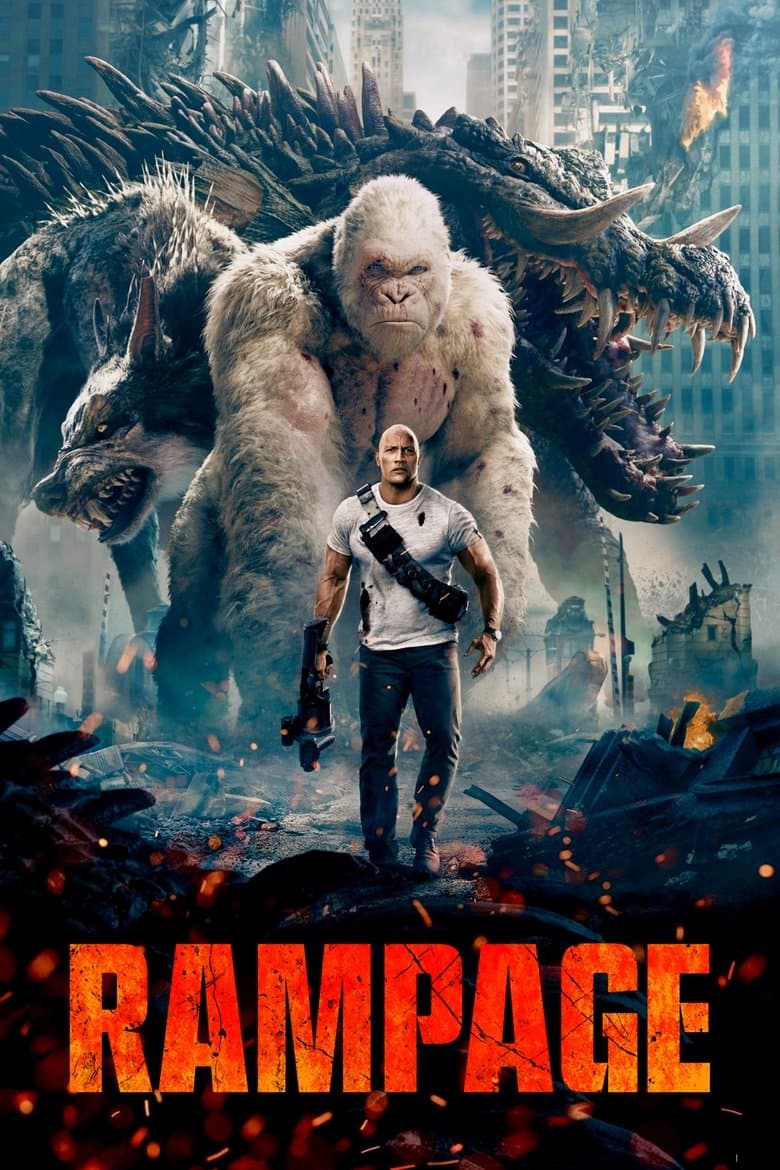
Movie · 2018
Primatologist Davis Okoye shares an unshakable bond with George, the extraordinarily intelligent, silverback gorilla who has been in his care since birth.
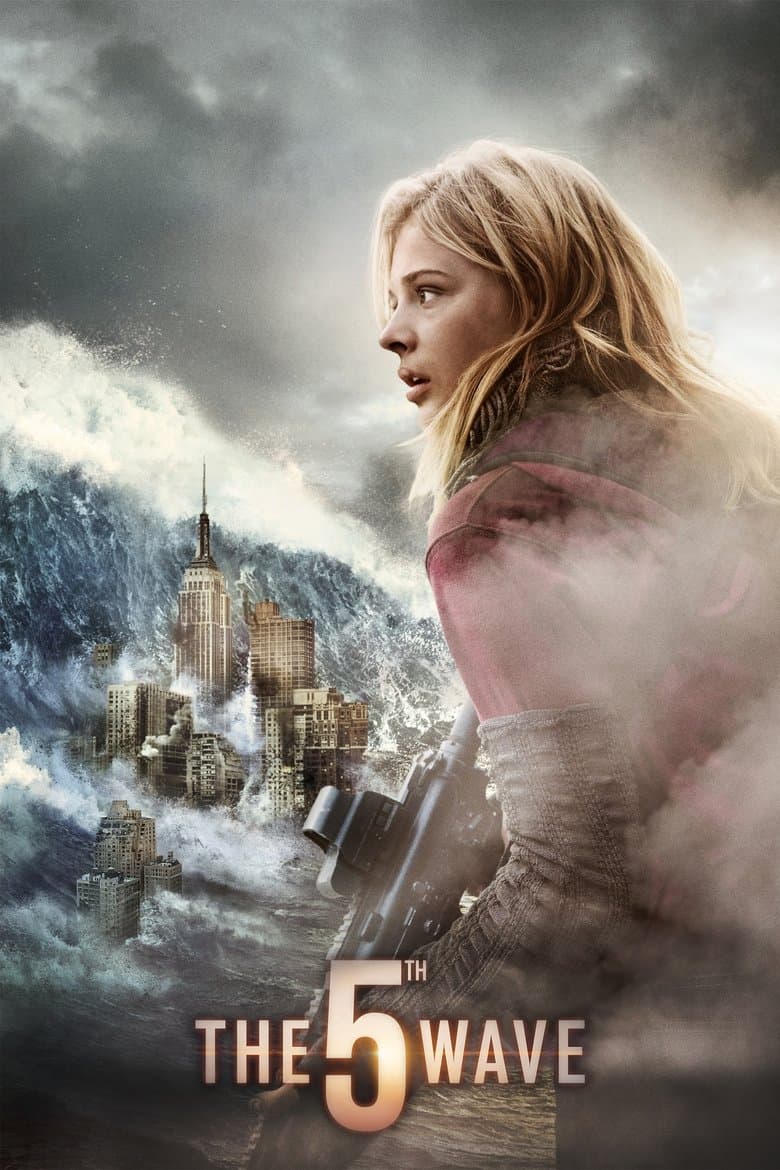
Movie · 2016
16-year-old Cassie Sullivan tries to survive in a world devastated by the waves of an alien invasion that has already decimated the population and knocked mankind back to the…
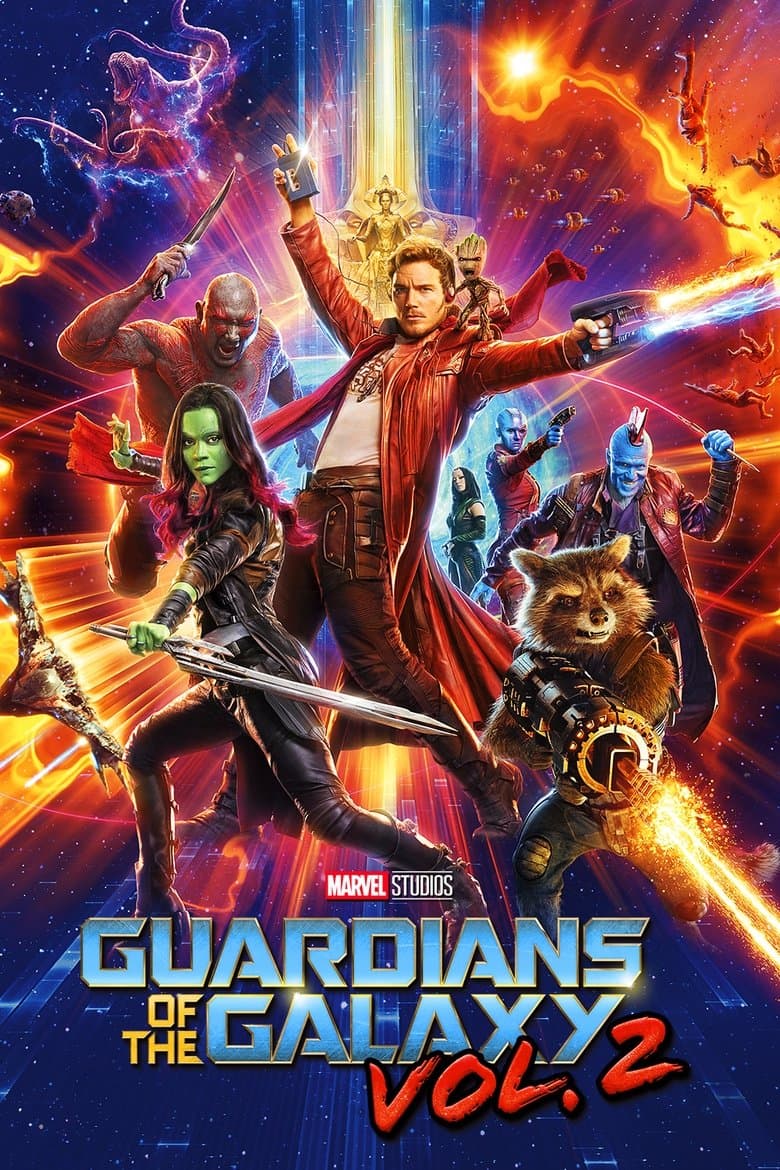
Movie · 2017
The Guardians must fight to keep their newfound family together as they unravel the mysteries of Peter Quill's true parentage.
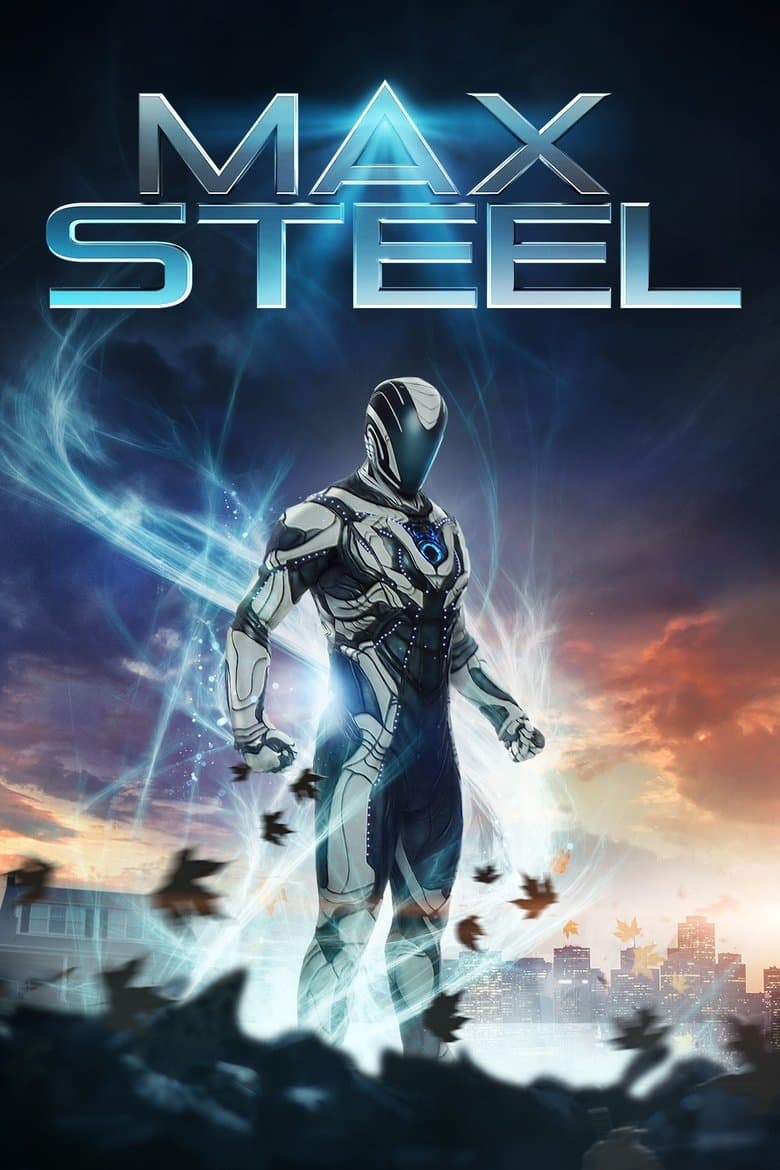
Movie · 2016
The adventures of teenager Max McGrath and alien companion Steel, who must harness and combine their tremendous new powers to evolve into the turbo-charged superhero Max Steel.
