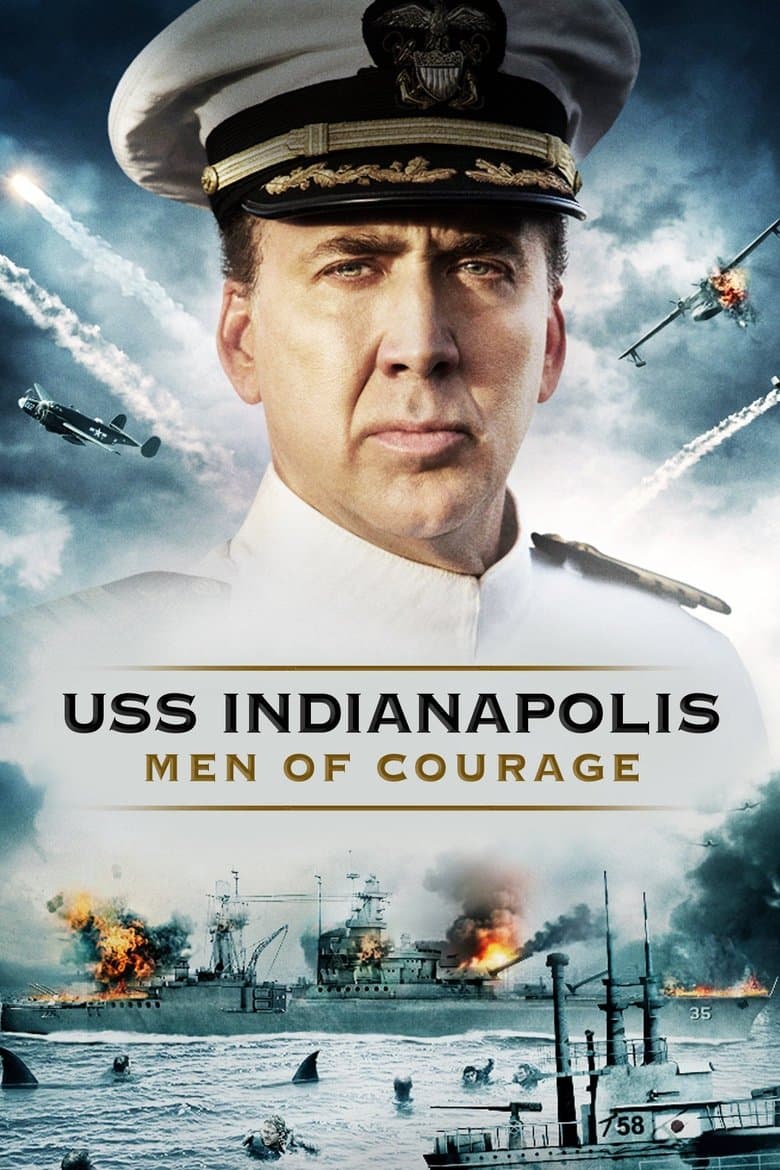
Near the end of World War II, the USS Indianapolis delivers parts for the atomic bomb and is then hit by a Japanese submarine in the Philippine Sea. Hundreds of sailors are left in the water for days. They face thirst, harsh weather, and shark attacks before help finally comes. The film also follows Captain Charles McVay, who is blamed by the Navy and later cleared after his death. Side stories include a love triangle, a fight between a white sailor and a black sailor that lands both in the brig, and familiar crew types. The main story is about survival, sticking together as a unit, and unfair treatment by the military.
Race shows up as a short plot before the sinking, not as the heart of the movie. Black sailors appear in supporting roles that match the real ship’s history. There is a brief white and black fight, then later a rescue that points back toward wartime brotherhood. Dialogue about race is limited, and some viewers flagged the word “crackers” as out of place for the period. The Navy’s cover-up and court-martial of McVay are about real bureaucracy and blame, not modern identity politics. There is no strong push on gender, queer themes, or activist slogans. Overall, modern woke content is light and secondary to the disaster and the captain’s story.
Community feedback
Was our 19% Woke rating accurate?
Breakdown
These are the editorial factors and ratings behind our score for USS Indianapolis: Men of Courage.
Woke representation / casting
Lead roles stay period-typical with white officers and crew. Black sailors appear in supporting parts that fit the real ship. A short fight and galley-writer type make race visible without turning casting into lead-driven identity politics.
15%
Woke political dialogue
There are racial-tension lines and brig fallout, and some viewers noted “crackers” as out of time. There is no long stretch of modern activist talk about DEI, gender, or identity ideology.
12%
Identity-driven story themes
Race is a brief pre-sinking subplot that turns into wartime brotherhood. The main themes stay survival, sharks, and McVay being made the scapegoat, not an identity-first story.
10%
Western institutional / cultural critique
The Navy hides negligence and courts-martials McVay in a historical blame story. It is not framed as toxic masculinity, anti-Christian attack, or broad anti-Western identity critique.
5%
Woke character or canon changes
Not relevant. here. The film uses dramatic inventions and composite names, not identity-driven race or gender swaps of famous historical figures.
0%
Anti-woke backlash and complaints
Not present. There was no notable anti-woke or DEI-propaganda campaign. Criticism targets flop quality, CGI, clichés, and accuracy.
0%
Creator track record context
Director Mario Van Peebles often works racial and social themes. Writers and producers mostly show low-activist action and finance profiles. The racial subplot lightly fits the director’s history without making the whole team an activist project.
28%
Production
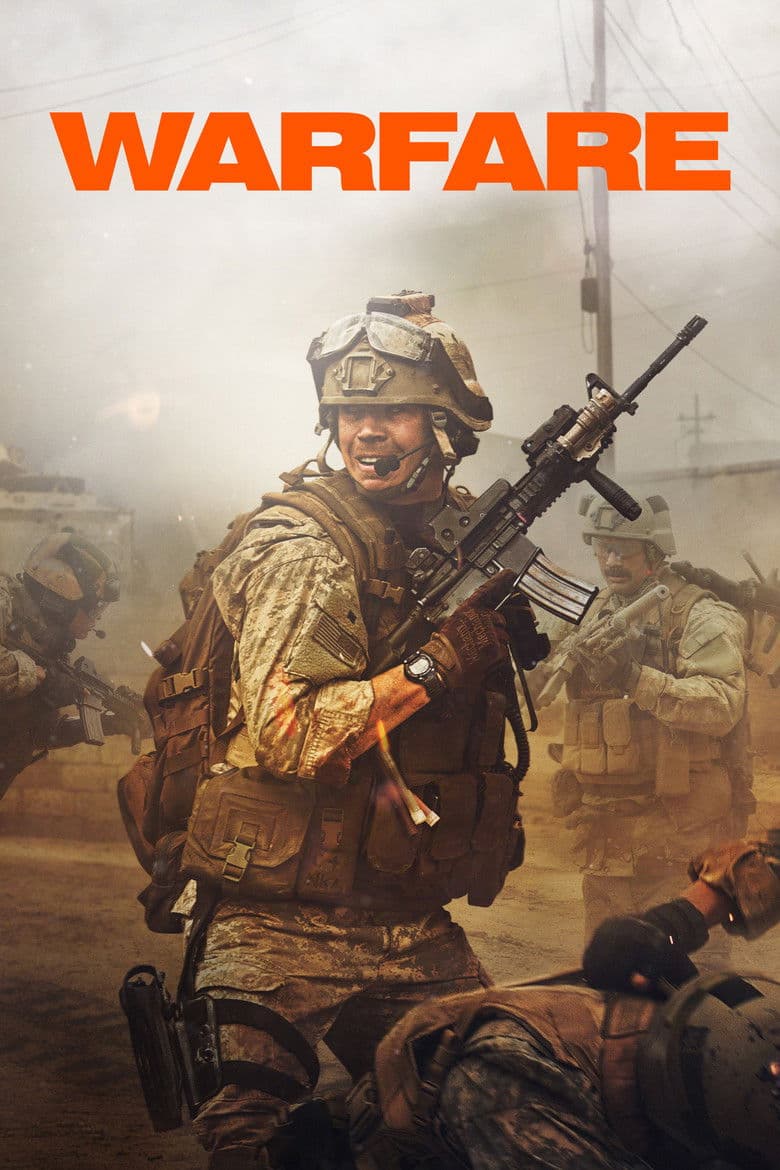
Movie · 2025
A platoon of Navy SEALs embarks on a dangerous mission in Ramadi, Iraq, with the chaos and brotherhood of war retold through their memories of the event.
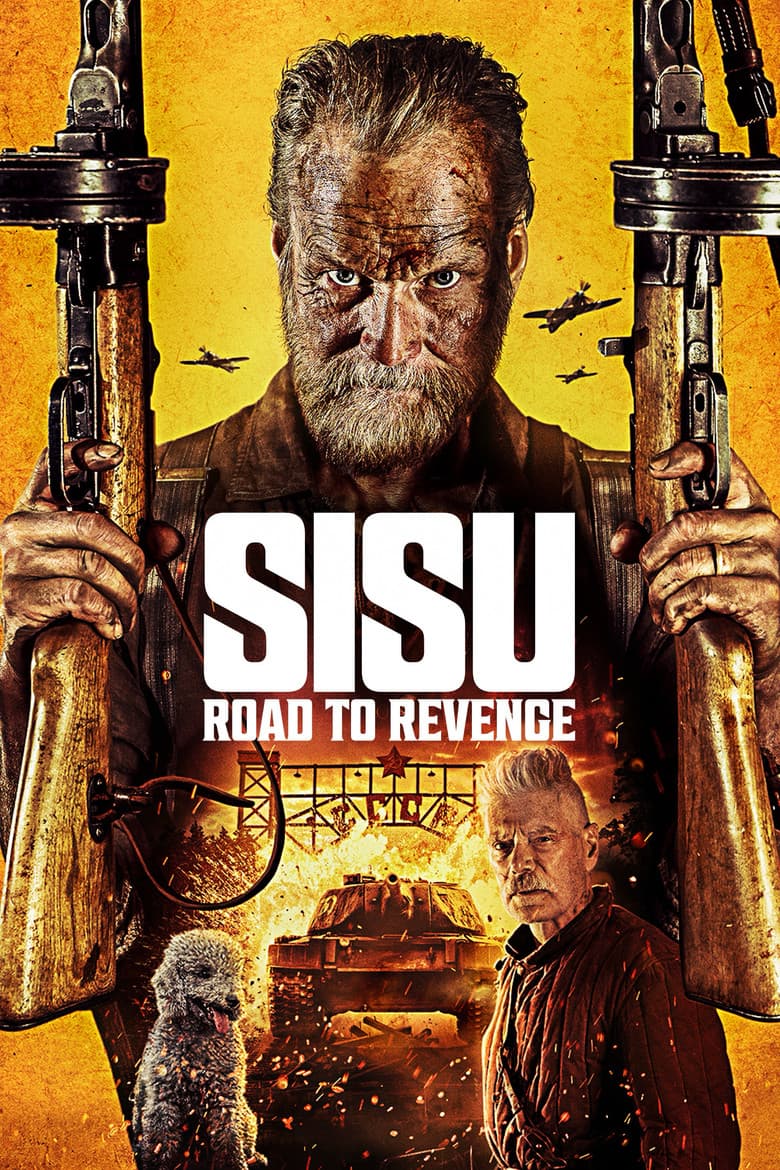
Movie · 2025
Returning to the house where his family was brutally murdered during the war, "the man who refuses to die" dismantles it, loads it on a truck, and is determined to rebuild it…

Movie · 2017
May, 1980. Man-seob is a taxi driver in Seoul who lives from hand to mouth, raising his young daughter alone.
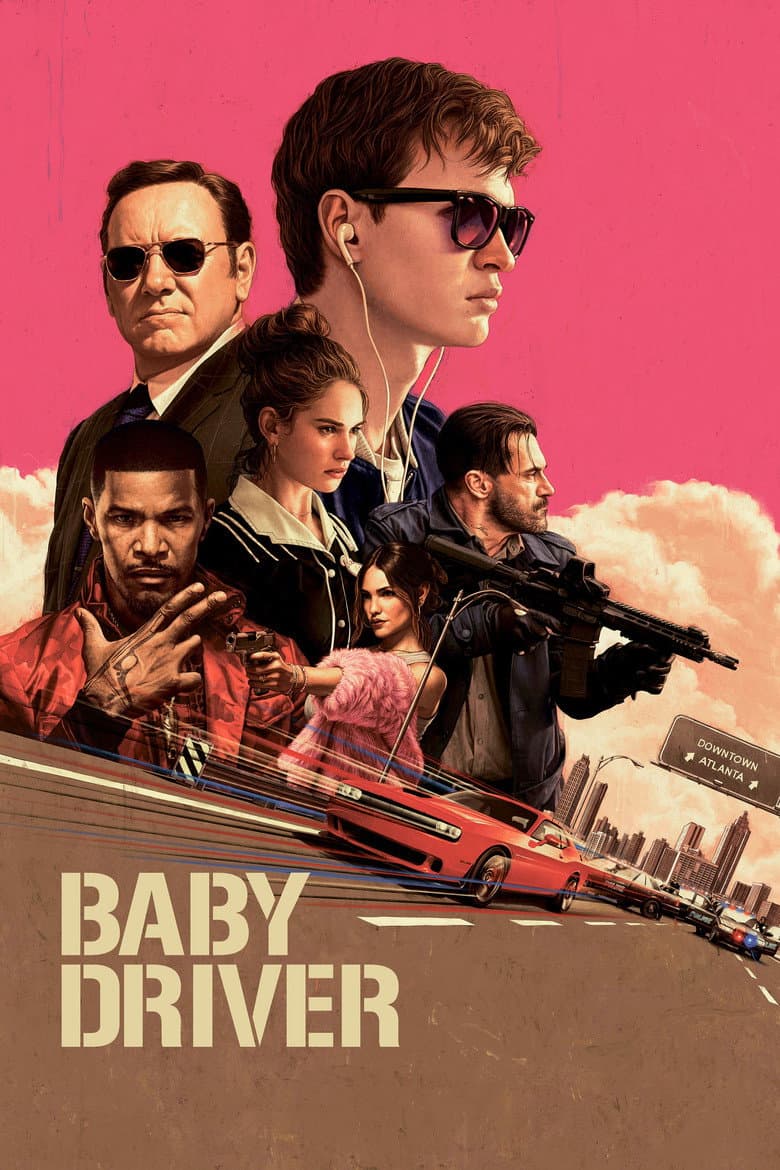
Movie · 2017
After being coerced into working for a crime boss, a young getaway driver finds himself taking part in a heist doomed to fail.
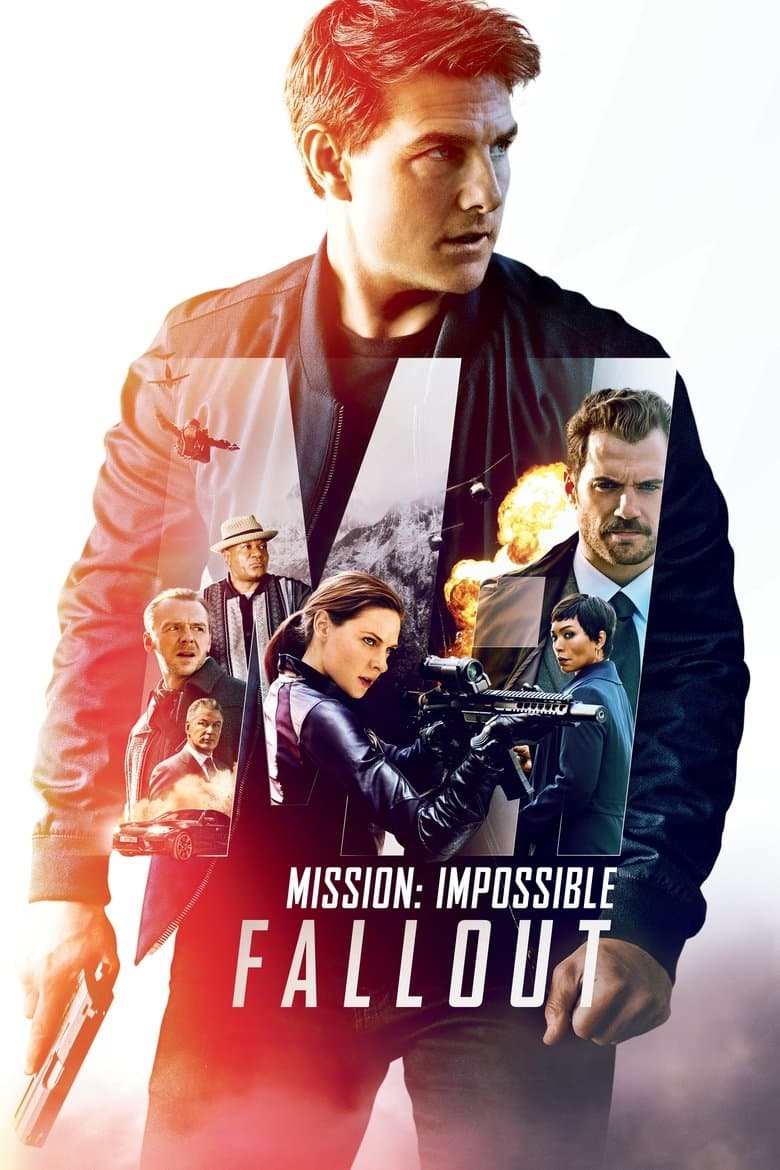
Movie · 2018
When an IMF mission ends badly, the world is faced with dire consequences. As Ethan Hunt takes it upon himself to fulfill his original briefing, the CIA begin to question his…
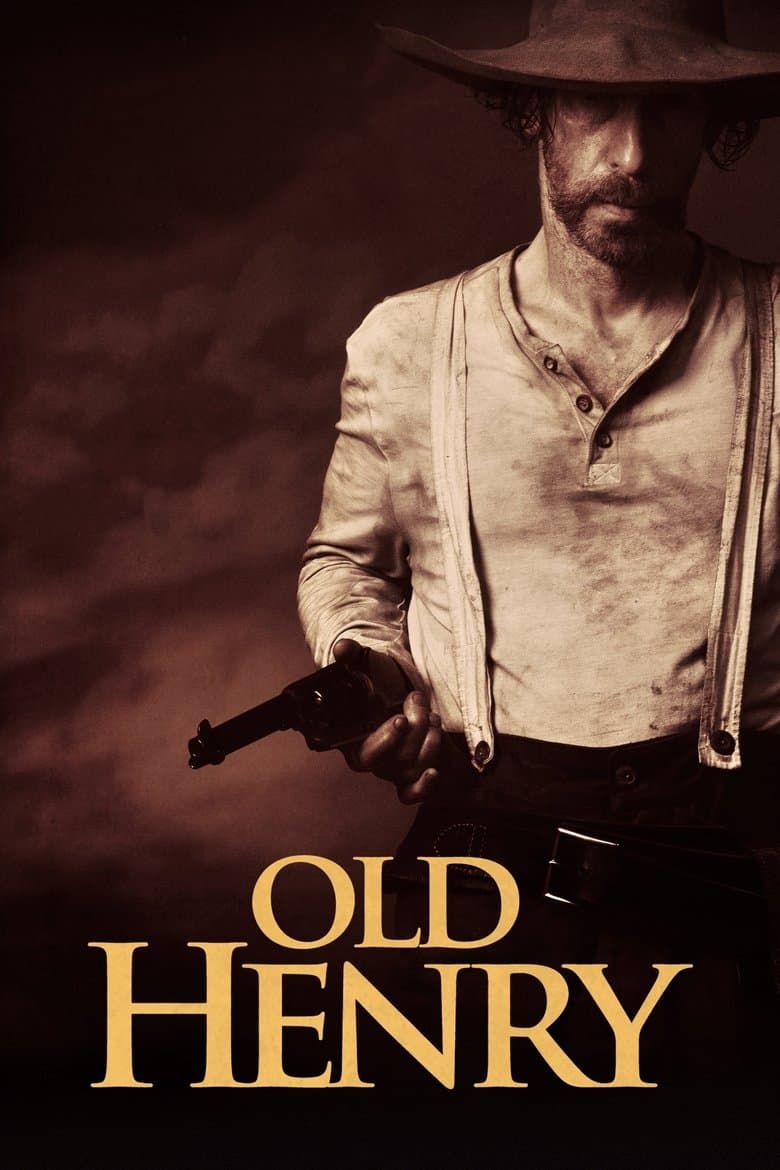
Movie · 2021
A widowed farmer and his son warily take in a mysterious, injured man with a satchel of cash. When a posse of men claiming to be the law come for the money, the farmer must decide…
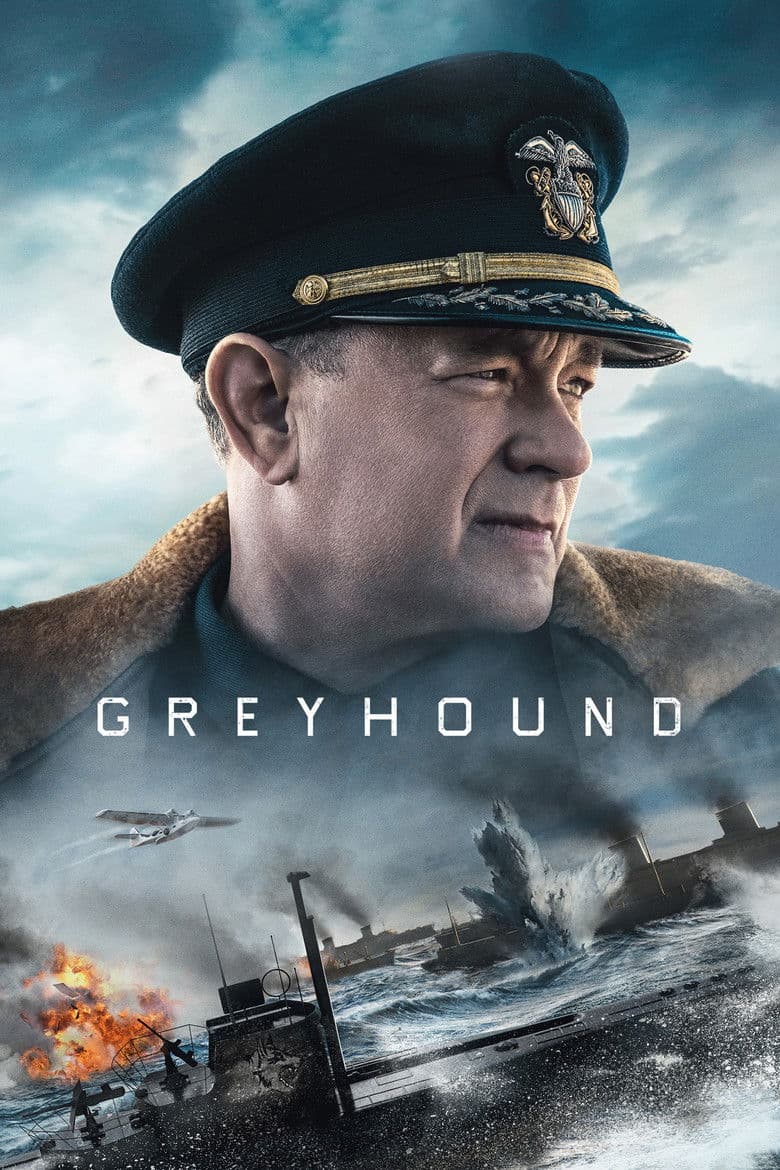
Movie · 2020
A first-time captain leads a convoy of allied ships carrying thousands of soldiers across the treacherous waters of the "Black Pit" to the front lines of WWII.
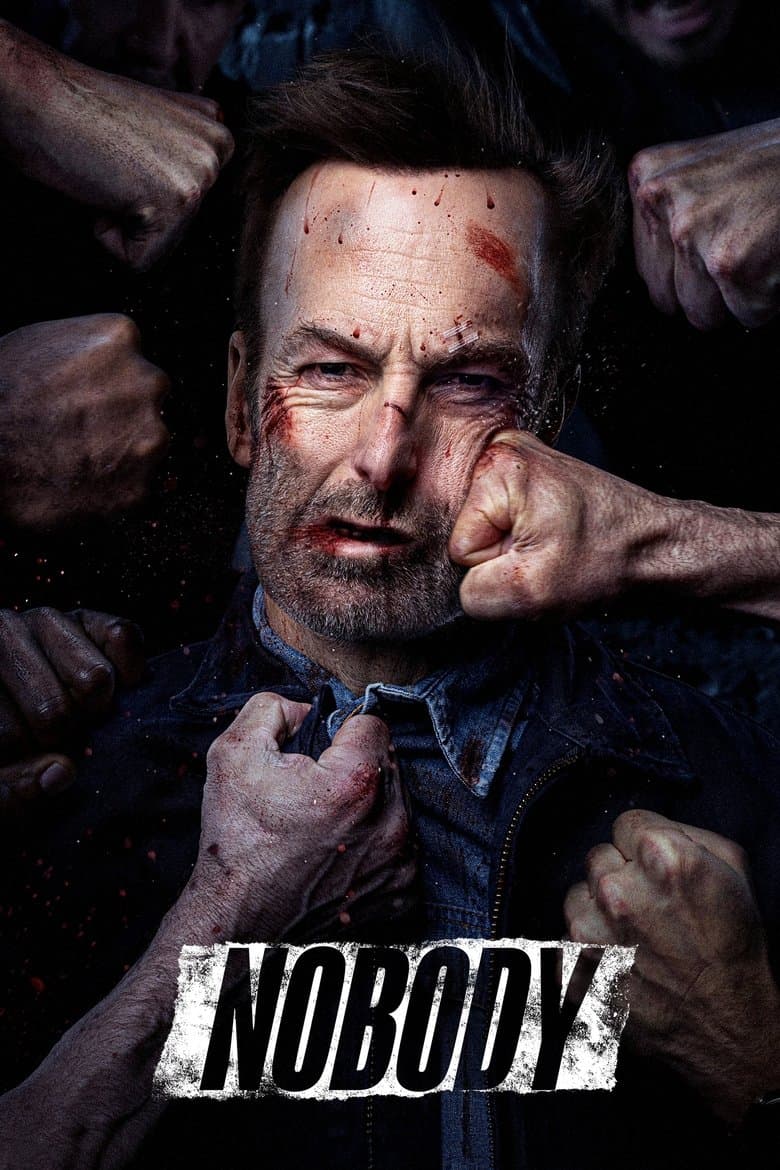
Movie · 2021
Hutch Mansell, a suburban dad, overlooked husband, nothing neighbor — a "nobody." When two thieves break into his home one night, Hutch's unknown long-simmering rage is ignited…
