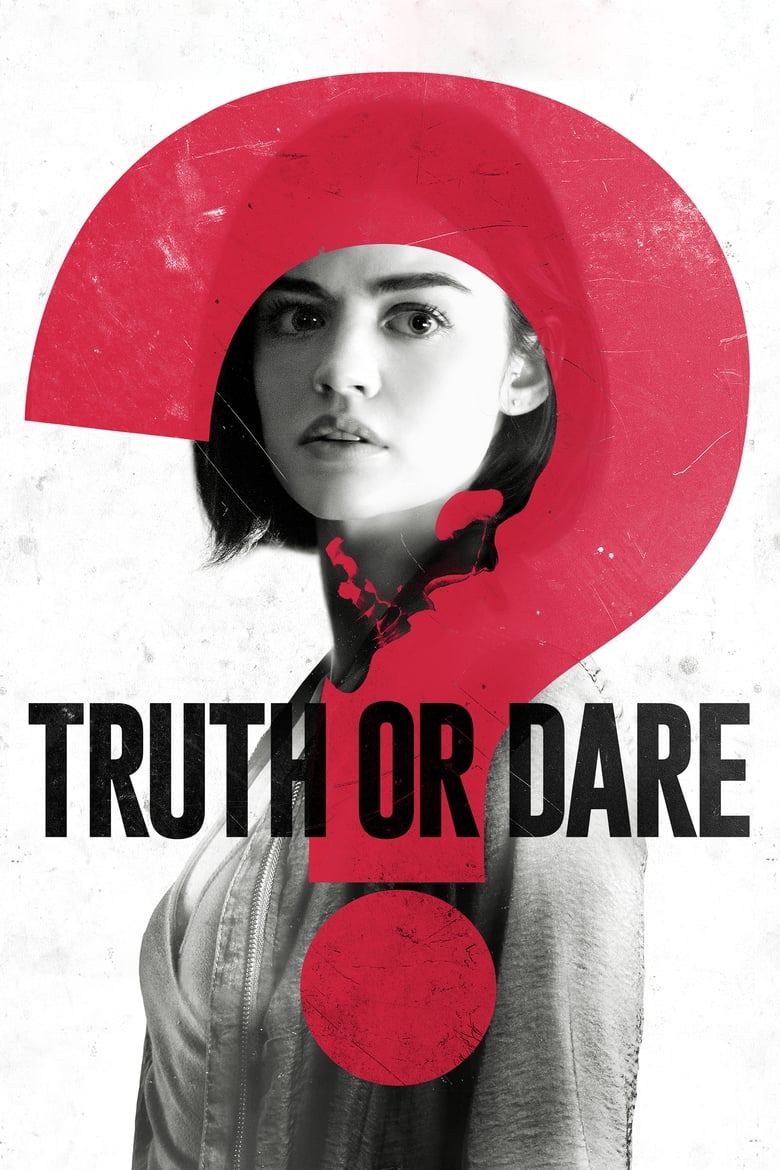
Olivia Barron is a kind college student who joins her best friend Markie and their friends on spring break in Mexico. A stranger leads them into a game at a ruined mission, and the game follows them home. A demon forces each player to choose truth or dare, and a lie or failed dare brings death. The movie mixes teen romance, hidden secrets, online posts, and supernatural horror with a glossy but often silly tone.
The group includes Brad Chang, a gay Asian student who is forced to come out to his father. Brad kisses a man at a party, and the game also makes Penelope kiss Olivia. Brad’s father later accepts him, but the film uses the subplot for fear and personal pressure rather than political debate. These identity details are clear, but they stay beside the friendship fight, love triangle, and struggle to survive.
Community feedback
Was our 26% Woke rating accurate?
Breakdown
These are the editorial factors and ratings behind our score for Truth or Dare.
Woke representation / casting
The main friend group is ethnically mixed and includes Brad, a gay Asian college student. Brad’s sexuality is shown through a party kiss and a coming-out plot. The film puts Olivia and Markie at the center, but it does not frame their female leadership as a political statement. The identity mix is clear, yet the movie does not use diversity-first marketing or a creator message.
20%
Woke political dialogue
Not present. No activist speeches, lectures on systemic issues, patriarchy, or identity politics occur. All dialogue stays inside personal drama and game rules.
0%
Identity-driven story themes
The game forces Brad to tell his father that he is gay, and Brad says he feels relieved afterward. The movie also shows Brad kissing a man and Penelope kissing Olivia during a dare. The father accepts Brad, so the coming-out subplot ends with personal support rather than rejection. The film uses these moments for fear, secrets, and relationship pressure, not for a wider fight over rights or social systems.
32%
Western institutional / cultural critique
Not present. Personal family dysfunction and betrayals appear but receive no reframing as attacks on traditional norms, capitalism, or Western institutions through activist lenses.
0%
Woke character or canon changes
Not relevant. This is an original story with no source material, canon characters, or historical figures altered for ideological reasons.
0%
Anti-woke backlash and complaints
One small online review treated Brad’s gay Asian identity as a quota-like casting choice and called the movie woke. The review framed the friend group as a diversity signal rather than a normal college group. Major reviews and Reddit discussion focused on weak scares, poor writing, silly effects, and the ending. The anti-woke reaction appears small and isolated.
8%
Creator track record context
The cached scores for the writers range from 8 to 31, and the casting directors score 11 and 13. Jason Blum has a cached score of 28 because he has criticized Donald Trump and received some inclusion-related recognition. Jeff Wadlow’s title interview focuses on horror craft, Snapchat faces, the PG-13 rating, and audience reach. No activist statement about this film was found, so the creator signal is mild.
18%
Production
Movie · 2025
One year since the supernatural nightmare at Freddy Fazbear's Pizza, the stories about what transpired there have been twisted into a campy local legend, inspiring the town's…
Movie · 2018
Three teenage thieves infiltrate a mansion dinner party, unaware that it is secretly being hosted by a serial killer cult for the social elite.

Movie · 2024
Nothing is what it seems when a twisted one-night stand spirals into a serial killer’s vicious murder spree.
Movie · 2025
Four years after defeating The Grabber, Finney Blake is struggling with life after captivity. When his younger sister Gwen begins receiving calls in her dreams from the Black…
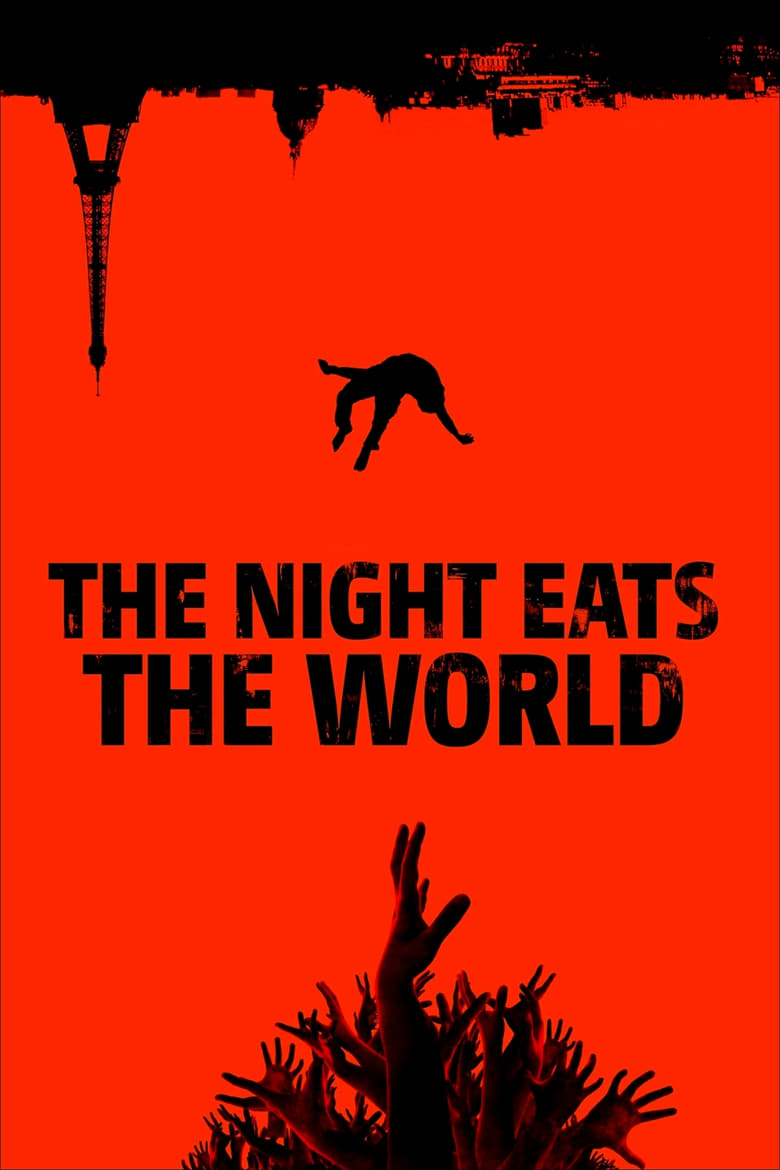
Movie · 2018
After waking up to find himself all alone in an apartment where a massive party was being held the night before, Sam is immediately forced to face a terrifying reality: the living…
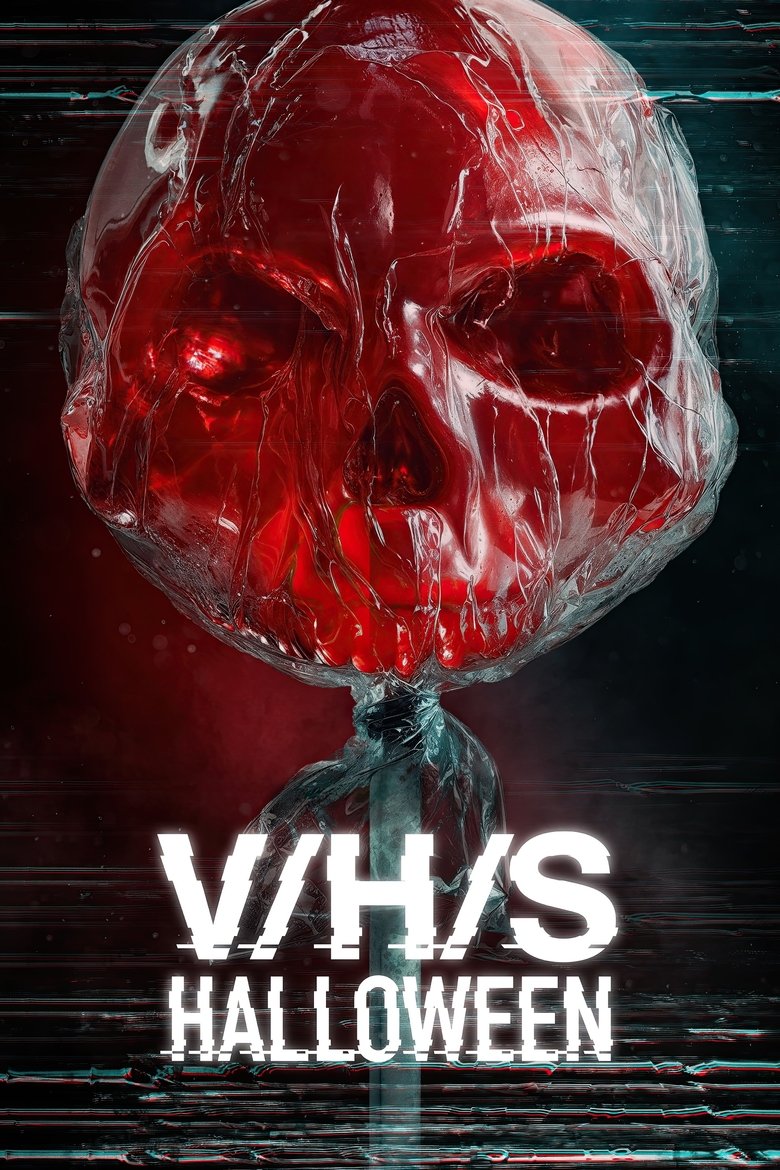
Movie · 2025
A collection of Halloween-themed videotapes unleashes a series of twisted, blood-soaked tales, turning trick-or-treat into a struggle for survival.
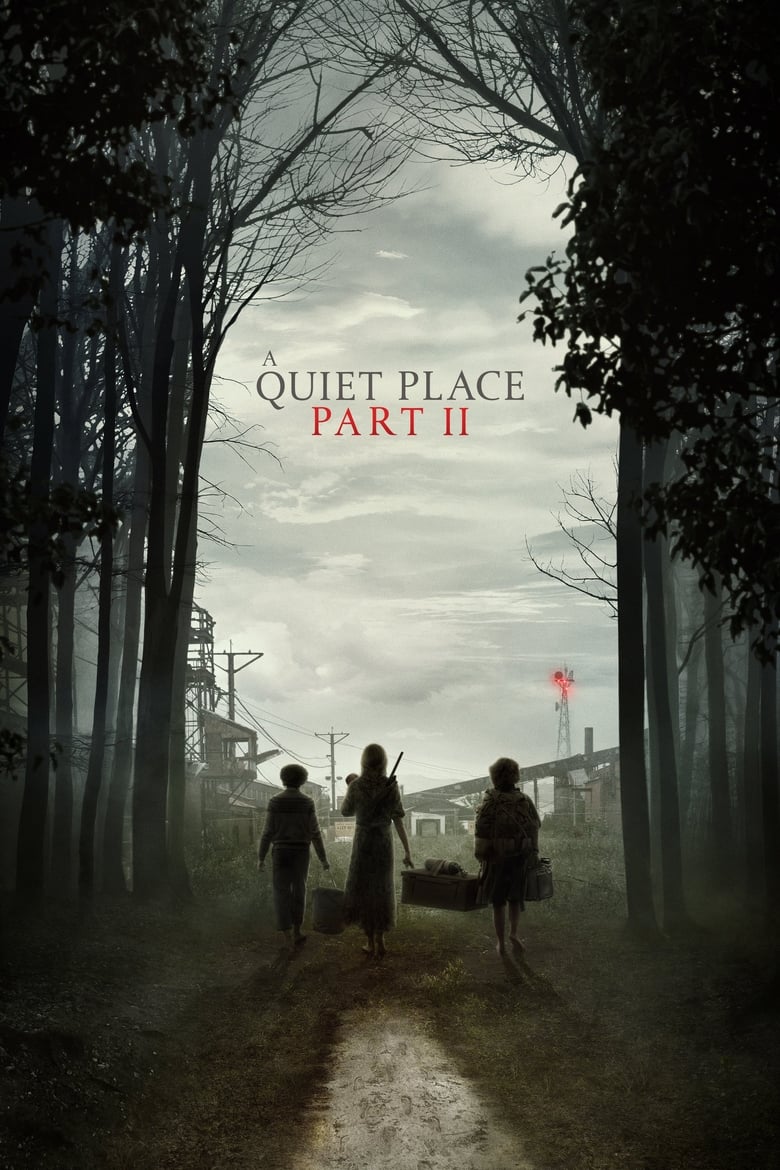
Movie · 2021
Following the events at home, the Abbott family now face the terrors of the outside world. Forced to venture into the unknown, they realize that the creatures that hunt by sound…
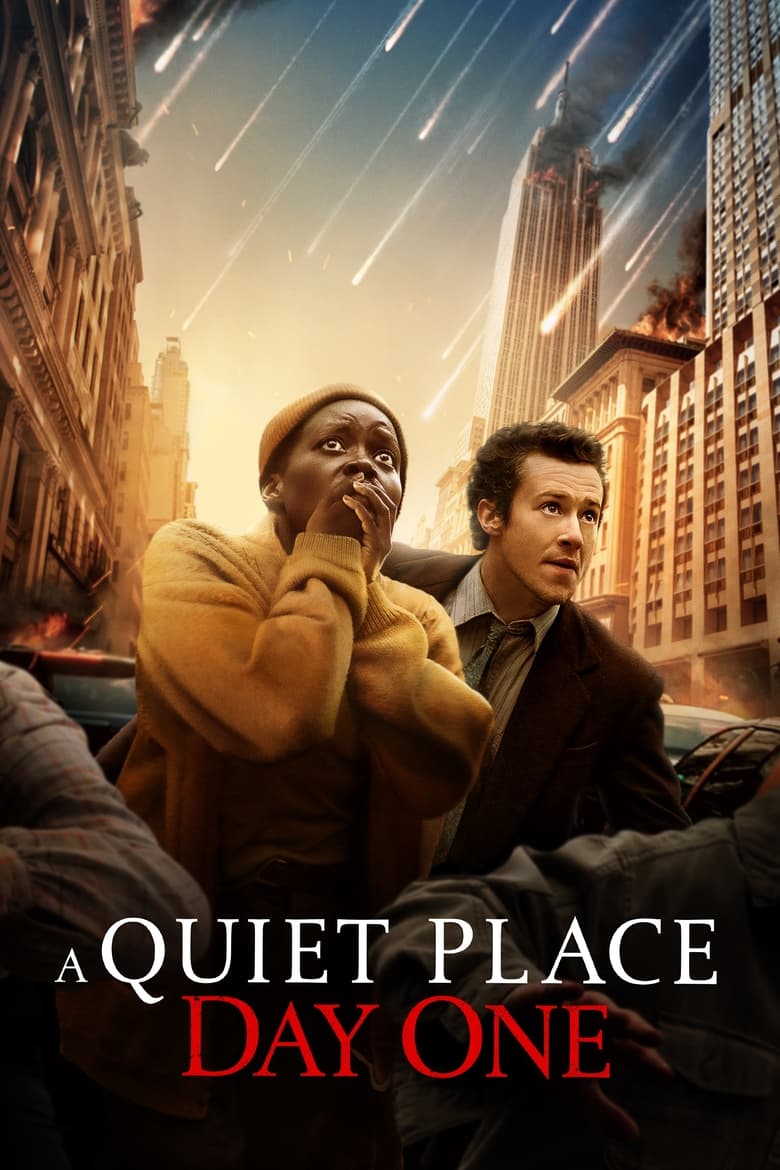
Movie · 2024
As New York City is invaded by alien creatures who hunt by sound, a woman named Sam fights to survive with her cat.
