Movie review
June 17, 2026 · 102 min · PG · Kids · Animation · Comedy · Adventure · Family
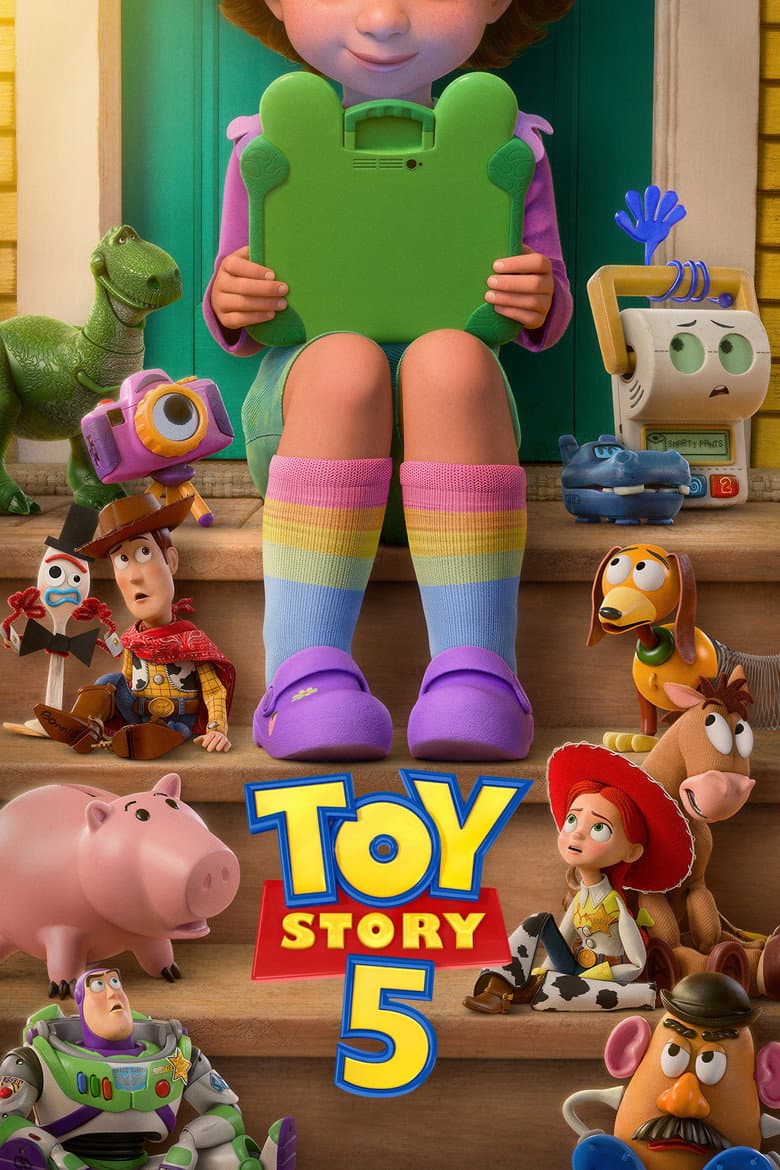
Toy Story 5 follows Jessie, Woody, and Buzz Lightyear as they navigate the digital era and try to regain their owner Bonnie's attention from a seductive new frog-shaped tablet named Lilypad. Jessie takes the undisputed lead role in this adventure, eventually guiding the toys to a family farm run by Blaze Manoukian, a young girl of mixed black and Armenian heritage. The film subverts traditional romantic and gender tropes by portraying Buzz as bashful and having Jessie take the physically dominant lead in their relationship, which culminates in a comedic double-wedding. Backed by a country-infused end-credits track from pop superstar Taylor Swift, the film balances its anti-screen messaging with modern diversity and female-forward casting.
Community feedback
Was our 39% Woke rating accurate?
Breakdown
These are the editorial factors and ratings behind our score for Toy Story 5.
Woke representation / casting
The film casts Jessie as the undisputed focal point and introduces Blaze Manoukian, a half-black and half-Armenian young girl, alongside her mother, voiced by black actress Krys Marshall. Mr. Anderson is voiced by Mexican-American actor Jay Hernandez.
28%
Woke political dialogue
Dialogue stays focused on classic toy dynamics, playtime vs. tech distraction, and lighthearted comedy, with no overt social justice messaging or modern identity lectures.
0%
Identity-driven story themes
Female leadership and the subversion of classic gender expectations serve as notable subplots. Jessie is the decisive leader, while Buzz is depicted as bashful and is dipped by Jessie at their wedding, though the main story is a tech-cautionary tale.
32%
Western institutional / cultural critique
The central critique is non-ideological, warning against screen addiction, social media isolation, and cyberbullying in kids, rather than systemic attacks on Western institutions.
2%
Woke character or canon changes
While no character is race- or gender-swapped, the sidelining of Woody and Buzz in favor of Jessie and her newly introduced friends was viewed by some traditionalists as an artificial disruption of the franchise's legacy.
10%
Anti-woke backlash and complaints
Conservative commentators flagged the film's gender dynamics, its non-binary co-director, the introduction of a diverse character, and the "Taylor Swift effect" as evidence of corporate pandering, leading to typical "girl boss" complaints on social media.
38%
Creator track record context
While veterans Andrew Stanton and Pete Docter focus on universal stories, co-director/co-writer Kenna Harris is Pixar's first non-binary feature director. Additionally, Taylor Swift's direct songwriting contribution serves as a major talking point.
32%
Production
Movie · 2019
Max the terrier must cope with some major life changes when his owner gets married and has a baby. When the family takes a trip to the countryside, nervous Max has numerous…
Movie · 2024
Teenager Riley's mind headquarters is undergoing a sudden demolition to make room for something entirely unexpected: new Emotions!
Movie · 2019
A selfish postman and a reclusive toymaker form an unlikely friendship, delivering joy to a cold, dark town that desperately needs it.
Movie · 2016
An island populated entirely by happy, flightless birds or almost entirely. In this paradise, Red, a bird with a temper problem, speedy Chuck, and the volatile Bomb have always…
Movie · 2025
Elio, a space fanatic with an active imagination, finds himself on a cosmic misadventure where he must form new bonds with eccentric alien lifeforms, navigate a crisis of…
Movie · 2022
Decades since their successful television series was canceled, Chip has succumbed to a life of suburban domesticity as an insurance salesman.
Movie · 2018
After he’s grounded by an injury, a high-flying bachelor is saddled with two wide-eyed orphans as they come face-to-face with the dangers and beauty of the outside world.
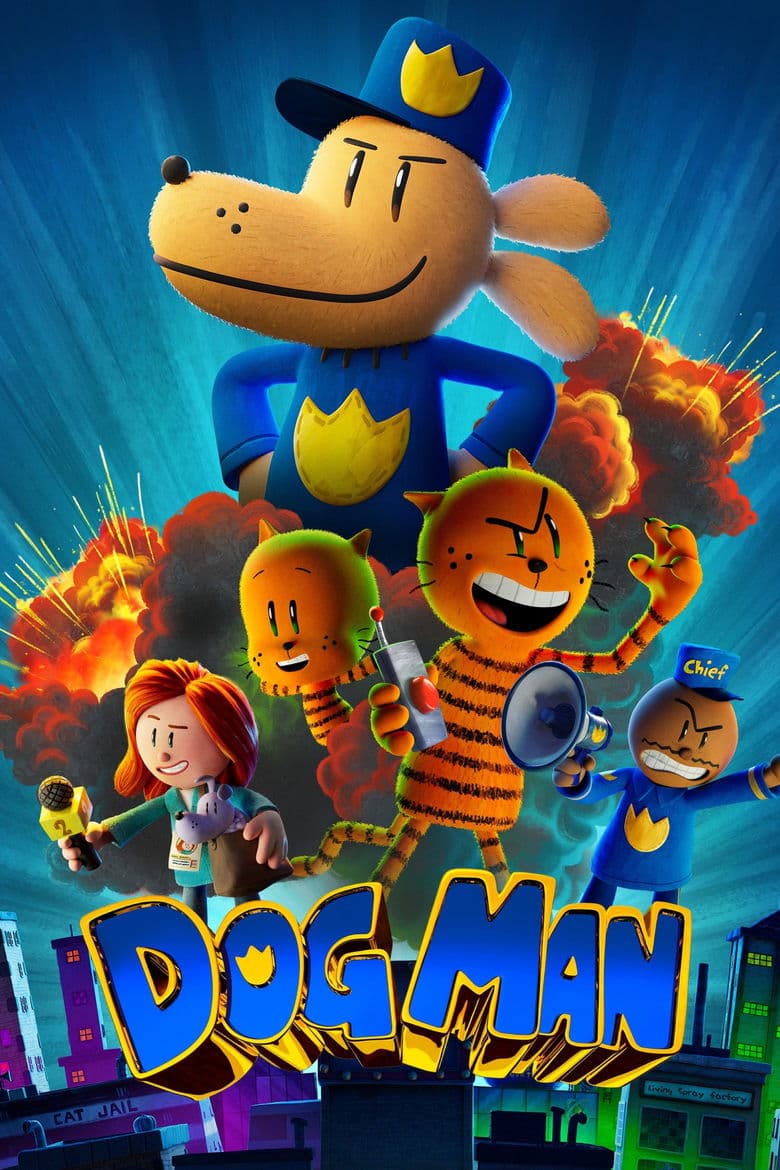
Movie · 2025
When a faithful police dog and his human police officer owner are injured together on the job, a harebrained but life-saving surgery fuses the two of them together and Dog Man is…
