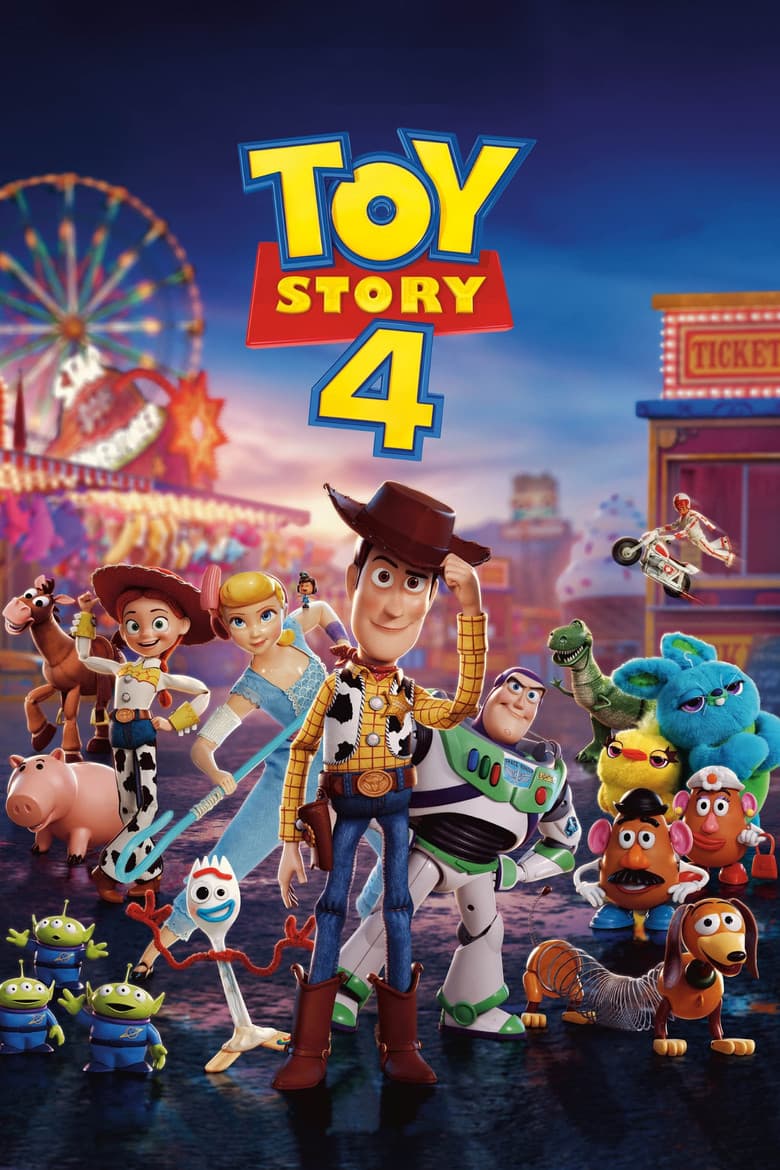
Woody is a cowboy toy who still tries to protect his child, even though Bonnie now leaves him in the closet. When Bonnie makes Forky from a spork and craft scraps, Woody follows the new toy on a family road trip through a small town and a carnival. Woody wants Forky to accept that he is a toy because Bonnie loves him. The funny adventure becomes an emotional story about loyalty, purpose, and letting go.
Bo Peep becomes the film’s strongest action helper after years as a lost toy. She wears practical clothes, leads rescue plans, and shows Woody that a toy can live freely without belonging to one child. The film also shows two women dropping off and later hugging a child at kindergarten, which presents a brief two-mom family. Bo’s large role makes these ideas part of the main story, while the family scene lasts only a few seconds and the movie has no political speech.
Community feedback
Was our 66% Woke rating accurate?
Breakdown
These are the editorial factors and ratings behind our score for Toy Story 4.
Woke representation / casting
The film places several women in visible roles, including Bo as the main action leader, Jessie as Bonnie’s new sheriff, Dolly as the toy-room boss, and Giggle as Bo’s police partner. The film also gives a brief background family scene with two women and a child. Release coverage highlighted Giggle as the first Asian American female character in the Toy Story universe. These choices are noticeable, but the ethnic identity does not shape the plot.
28%
Woke political dialogue
Not present. The film has no spoken lines about DEI, identity politics, or activist causes. The school scene and Bo’s independence are shown through action rather than political speech.
0%
Identity-driven story themes
Bo Peep lives as a skilled lost toy who leads rescues and refuses to wait for a child to own her. She repeatedly gives Woody the plan while he follows, gets trapped, or needs her help. Jessie receives Woody’s sheriff badge, Dolly runs Bonnie’s toys, and Giggle works beside Bo. The brief two-mom family adds a queer identity note, but the larger message is about female independence and finding purpose outside old roles.
56%
Western institutional / cultural critique
The film questions the old idea that a toy’s best life comes from serving one child forever. Bo lives happily without a child and helps many lost toys instead of joining a traditional home. Woody gives up his old role and accepts a freer life with Bo. The story does not attack churches, capitalism, or Western institutions, so this remains a mild cultural critique.
31%
Woke character or canon changes
Bo Peep changes from a gentle love interest in the first two films into a tough, independent action leader. She uses her staff as a tool and weapon, wears practical clothes, and leads the rescue of Forky and her sheep. The filmmakers made her central to the film, and the story ends with Woody choosing her free life over returning to Bonnie’s room. This is a large identity-focused rewrite of an established character.
68%
Anti-woke backlash and complaints
One Million Moms called for a boycott after a brief scene showed two women dropping off and later hugging a child. The group called the moment an LGBTQ agenda aimed at children. Small right-leaning accounts also called the scene woke and attacked Bo as a girlboss rewrite. The backlash was real and visible, but it was scattered and much smaller than major Disney culture fights.
37%
Creator track record context
Most of the listed writers, producers, and casting staff have low cached scores and no known activist record. Rashida Jones and Will McCormack have stronger links to public statements about diversity and workplace equality. John Lasseter had supported more female and ethnic characters at Pixar. Josh Cooley and the main producing team have no strong activist profile, so creator context is mild.
26%
Production
Movie · 2016
An island populated entirely by happy, flightless birds or almost entirely. In this paradise, Red, a bird with a temper problem, speedy Chuck, and the volatile Bomb have always…
Movie · 2019
A pampered dog named Trouble must learn to live in the real world while trying to escape from his former owner's greedy children and must learn how to survive on the big-city…

Movie · 2024
The untold origin story of Optimus Prime and Megatron, better known as sworn enemies, but once were friends bonded like brothers who changed the fate of Cybertron forever.
Movie · 2023
A magical meteor crash lands in Adventure City and gives the PAW Patrol pups superpowers, transforming them into The Mighty Pups.
Movie · 2020
A young rabbit embarks on a journey to dig the burrow of her dreams, despite not having a clue what she's doing.
Movie · 2022
Puss in Boots discovers that his passion for adventure has taken its toll: He has burned through eight of his nine lives, leaving him with only one life left.
Movie · 2017
Ferdinand, a little bull, prefers sitting quietly under a cork tree just smelling the flowers versus jumping around, snorting, and butting heads with other bulls.

Movie · 2020
As her friends prep for a Life Day holiday celebration, Rey journeys with BB-8 on a quest to gain a deeper knowledge of the Force at a mysterious Jedi Temple.
