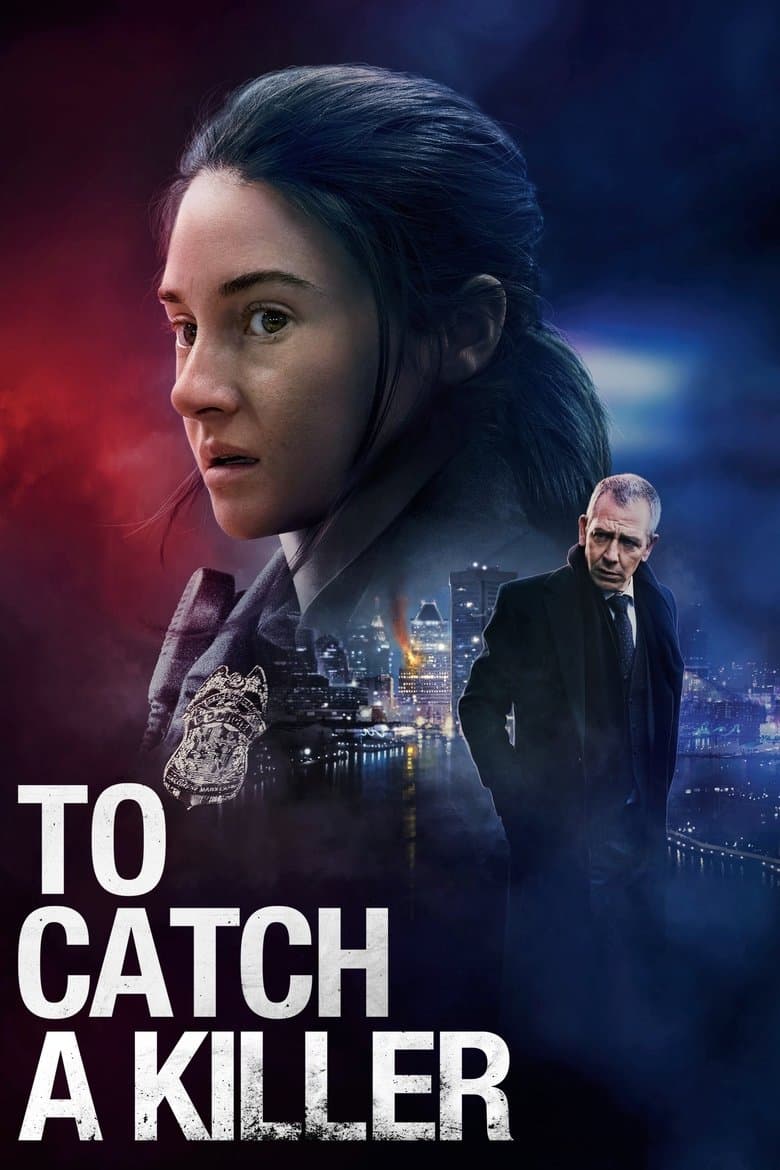
On New Year’s Eve in Baltimore, a sniper kills many people from a high building. Eleanor Falco is a young city cop with a hard past. An FBI boss named Lammark brings her onto the case because she sees the killer in a different way. They race to stop more attacks while other agencies make big mistakes. The mood is tense, dark, and serious.
A normal viewer would mainly notice a crime thriller about trauma and a broken hunt for a mass killer. Clear “woke-leaning” beats still show up. The FBI boss is gay and has a husband on screen, including a dinner talk and a late plot deal about his pension. The movie also digs at U.S. systems: the FBI covers up failure, agents chase the wrong gun-rights suspects, news media and politics get in the way, and critics note digs at guns, power, and weak mental-health care. Eleanor is a gifted, troubled woman who out-thinks many men around her, in a familiar “female rookie profiler” mold. These parts are visible, but the main engine stays the manhunt, not a full identity-politics story.
Community feedback
Was our 41% Woke rating accurate?
Breakdown
These are the editorial factors and ratings behind our score for To Catch a Killer.
Woke representation / casting
Female lead is a gifted but damaged cop in a classic thriller mold. The FBI boss is openly gay with an on-screen husband, which is clear LGBTQ casting for a major role and adds weight. A black agent is in the team. Setting is modern Baltimore, so race mix alone is not extreme. Pattern is noticeable more for the gay co-lead than for a full diversity showcase.
42%
Woke political dialogue
Characters and plot dig at FBI politics, media noise, wrong raids, and gun-culture suspects (including NRA-linked wrong turns in the investigation). Reviewers note preachy talk, such as a dinner scene with Lammark’s husband. Viewers who listen will hear system and gun-related lines, not nonstop identity lectures.
36%
Identity-driven story themes
Core story is catching a sniper, trauma, and broken systems. Identity is secondary: Lammark’s marriage is a character reveal and end-deal beat, not the main plot. Eleanor’s pain helps her read the killer, which fits old serial-killer movies more than a race or gender sermon. Queer detail still adds some weight.
17%
Western institutional / cultural critique
Strongest clear lean. The FBI botches the case, fires the lead agent, then tries to buy Eleanor’s silence after his death. Wrong suspects, media panic, politics, and gun-rights figures are framed as part of the mess. Critics describe shots at power, guns, and weak care systems. This is modern “the system is failing” framing a viewer can spot.
24%
Woke character or canon changes
Not relevant. Original story, not a remake that rewrites known heroes or real history for identity goals.
0%
Anti-woke backlash and complaints
A few online posts call it woke, slam the NRA plot beat as propaganda, or dismiss it as Netflix politics. No major news wave or big organized boycott. Complaints are sparse and low-impact, so the score stays low.
18%
Creator track record context
Cached producers and Juliá sit near the bottom of the scale, with craft and business focus and little public activist or DEI branding tied to them. That supports a low context score for this title’s listed crew.
10%
Production
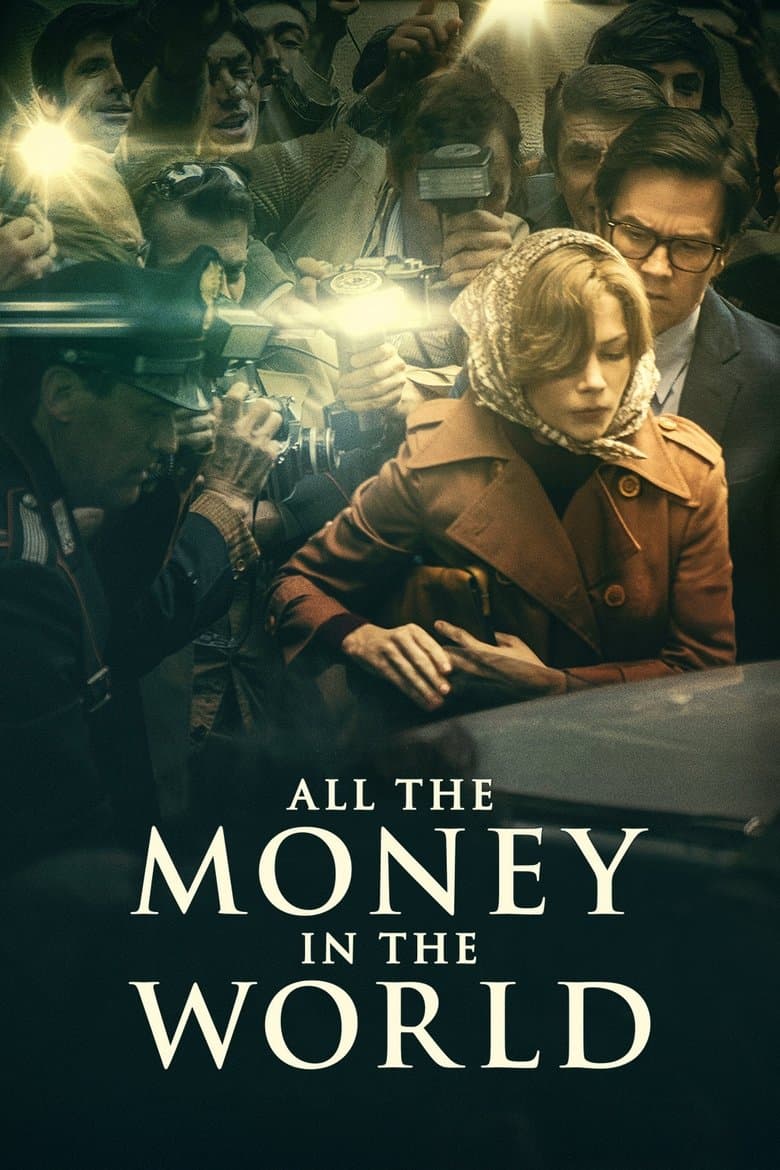
Movie · 2017
The story of the kidnapping of 16-year-old John Paul Getty III and the desperate attempt by his devoted mother to convince his billionaire grandfather Jean Paul Getty to pay the…
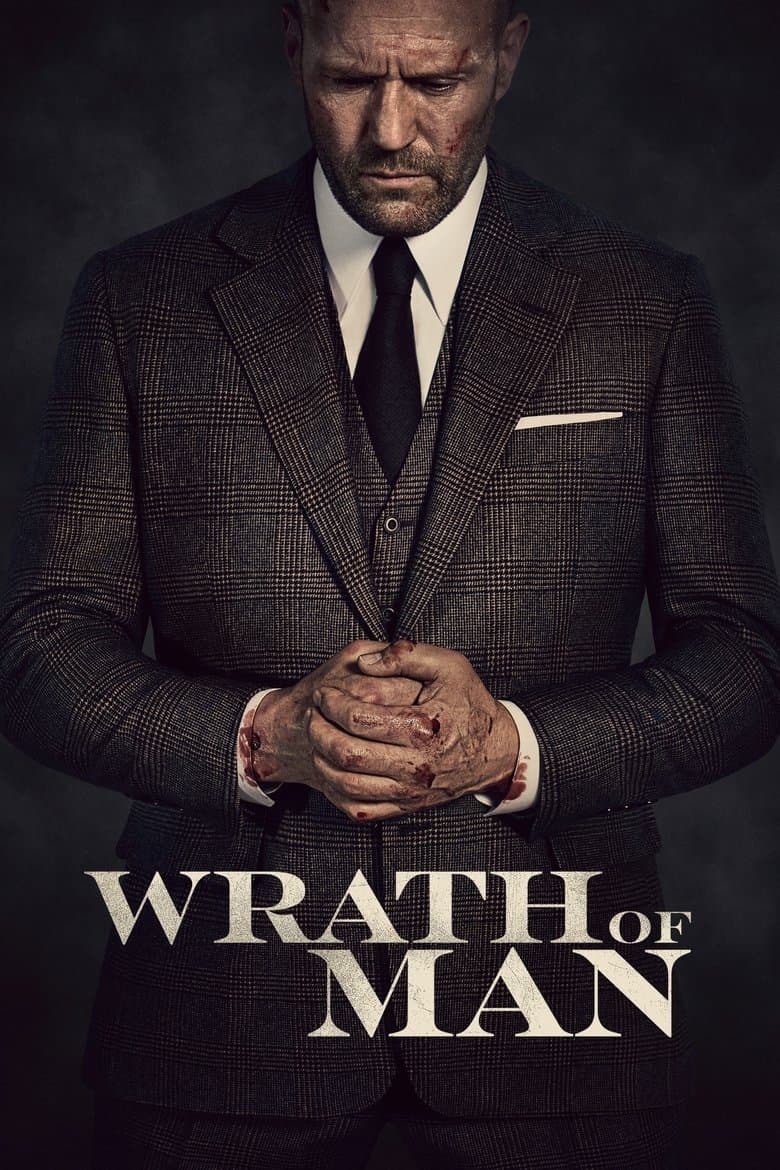
Movie · 2021
A cold and mysterious new security guard for a Los Angeles cash truck company surprises his co-workers when he unleashes precision skills during a heist.
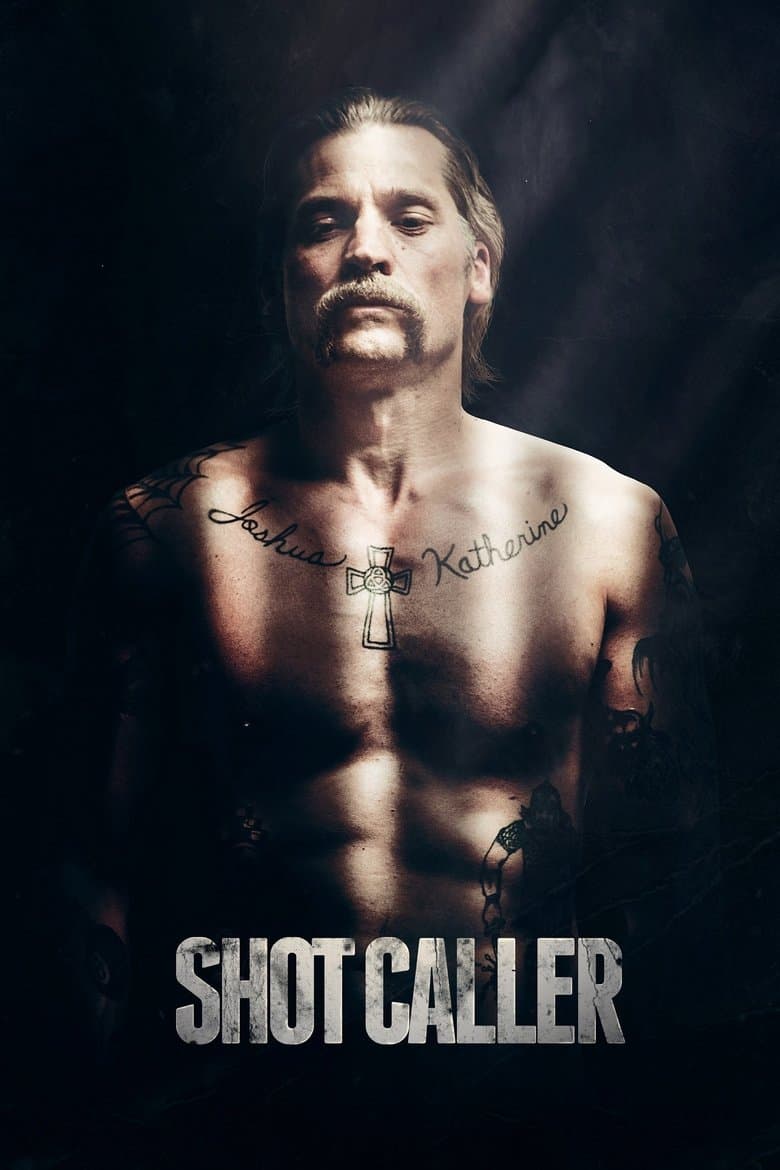
Movie · 2017
A newly-released prison gangster is forced by the leaders of his gang to orchestrate a major crime with a brutal rival gang on the streets of Southern California.
Movie · 2016
Ex-cons Troy, Mad Dog, and Diesel are hired by an eccentric mob boss to kidnap a baby and hold it for a large ransom.

Movie · 2019
During the 1980s, a failed stand-up comedian is driven insane and turns to a life of crime and chaos in Gotham City while becoming an infamous psychopathic crime figure.
Movie · 2019
A young agent is tasked with investigating a tangled web of corruption and fraud in New York.
Movie · 2016
In the fourth installment of the fighting franchise, Boyka is shooting for the big leagues when an accidental death in the ring makes him question everything he stands for.

Movie · 2025
Struggling single father Jerry indoctrinates his son Joe into the sovereign citizen movement, teaching him that laws are mere illusions and freedom is something you take.
