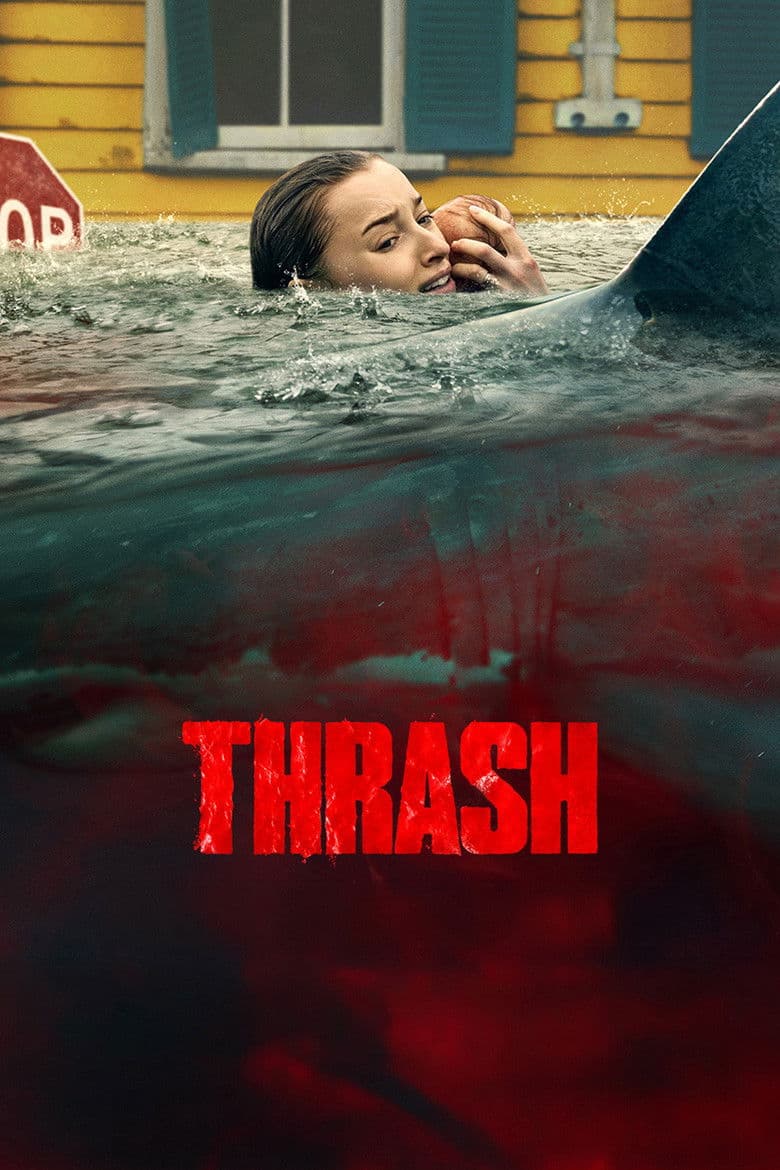
Thrash is a 2026 Netflix survival thriller written and directed by Tommy Wirkola. A Category 5 hurricane floods a small South Carolina coastal town, stranding residents as storm surge and a spilled blood tanker bring hungry bull sharks inland. The film places black actors in prominent competent roles as a resourceful teen hero and a marine expert, includes a subplot with exploitative foster parents, and features promotional comments on climate impacts, though the core story delivers gory creature-feature survival action including an absurd water birth amid sharks.
Community feedback
Was our 25% Woke rating accurate?
Breakdown
These are the editorial factors and ratings behind our score for Thrash.
Woke representation / casting
Prominent central roles feature Whitney Peak, a black actress, as Dakota, the agoraphobic teen who becomes a resourceful hero rescuing the pregnant lead and directly confronting sharks, and Djimon Hounsou, a black actor, as Dr. Dale Edwards, the knowledgeable marine biologist and shark expert acting as voice of reason and rescuer. Phoebe Dynevor plays the vulnerable pregnant white lead in an extreme survival and birth sequence. In a small South Carolina coastal town setting, this places diverse actors in key competent survivor and authority positions that stand out to audiences, though the story itself carries no explicit identity signaling or quota-style dialogue.
38%
Woke political dialogue
No political, activist, DEI, or social-justice dialogue appears. The film stays on immediate survival, personal fears such as agoraphobia, family bonds, and fighting sharks in the flood.
0%
Identity-driven story themes
The narrative emphasizes raw survival and personal resilience through a pregnant woman enduring labor and birth in crisis plus a teen girl conquering agoraphobia to act and connect with others. A side story follows foster siblings, including a young girl, who fend for themselves against neglectful guardians and sharks through resourcefulness. These follow standard disaster-horror empowerment and underdog beats rather than foregrounding race, gender, sexuality, or modern identity politics as core drivers.
12%
Western institutional / cultural critique
Foster parents appear as greedy villains who take in children mainly for government stipends, hoard food like steaks, and neglect the kids while the children ultimately rebel and survive. This supplies horror motivation and villainy without building a sustained systemic or ideological critique of institutions. Promotional material and some cast comments reference climate change and extreme weather as real-world context, and producer Adam McKay has a climate-themed prior film, but the story deploys the hurricane mainly as a device to unleash sharks rather than deliver institutional or cultural commentary.
8%
Woke character or canon changes
Not relevant. This is an original story with no established characters, source material, or real historical figures reinterpreted through identity, DEI, or activist lenses.
0%
Anti-woke backlash and complaints
No notable anti-woke or right-leaning complaints exist that frame the film as advancing woke, DEI, identity politics, or left-wing messaging. Public and critical talk centers on its value as silly shark-disaster entertainment, absurd gags, and mixed execution quality.
0%
Creator track record context
Tommy Wirkola has a career in genre entertainment with horror, gore, comedy, and satire across projects like Dead Snow and Violent Night and shows no public pattern of political activism or identity-driven work. Producers include Adam McKay (cached 13/100 from political satires in other films, though this title shows no such framing), Kevin J. Messick, and D. Scott Lumpkin (commercial focus). Casting directors align with low political profiles per available records and cached summaries.
12%
Production
Movie · 2024
After raising an unnervingly talented spider in secret, 12-year-old Charlotte must face the truth about her pet and fight for her family's survival.

Movie · 2024
Nothing is what it seems when a twisted one-night stand spirals into a serial killer’s vicious murder spree.
Movie · 2026
After a catastrophic military disaster reanimates the dead, Ava searches for her missing husband amidst an increasingly hostile world.
Movie · 2021
The Blind Man has been hiding out for several years in an isolated cabin and has taken in and raised a young girl orphaned from a devastating house fire.
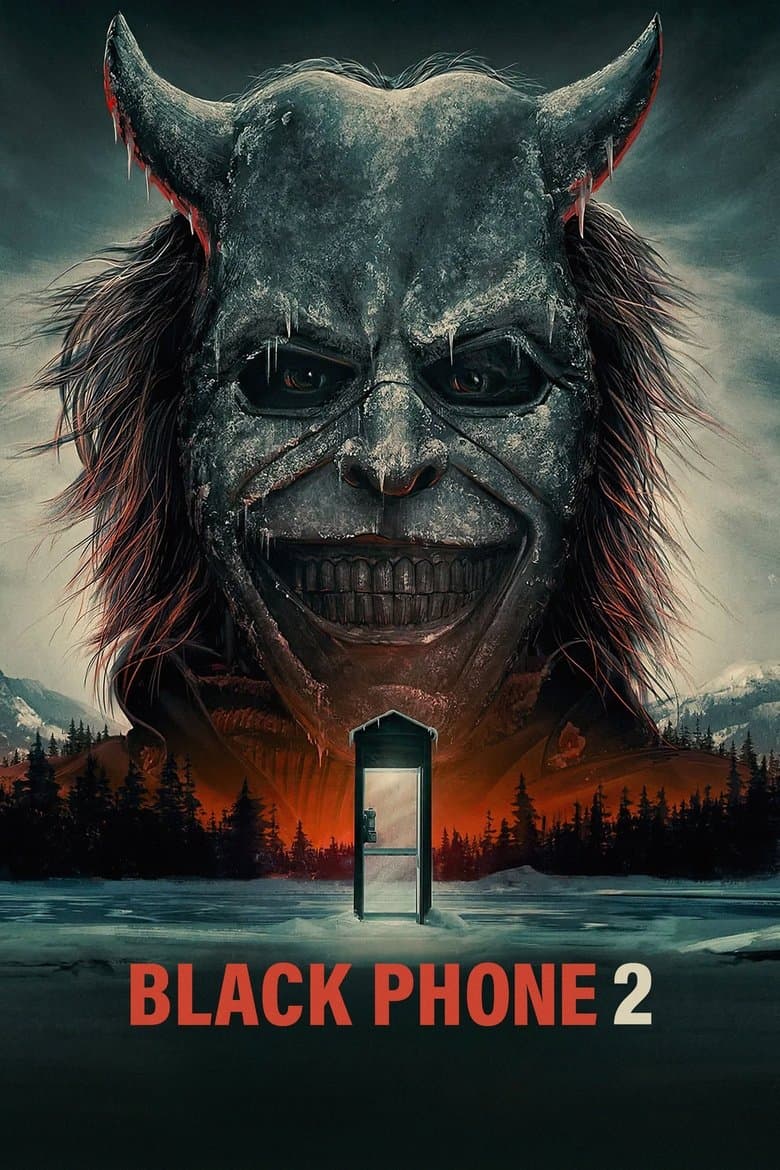
Movie · 2025
Four years after defeating The Grabber, Finney Blake is struggling with life after captivity. When his younger sister Gwen begins receiving calls in her dreams from the Black…
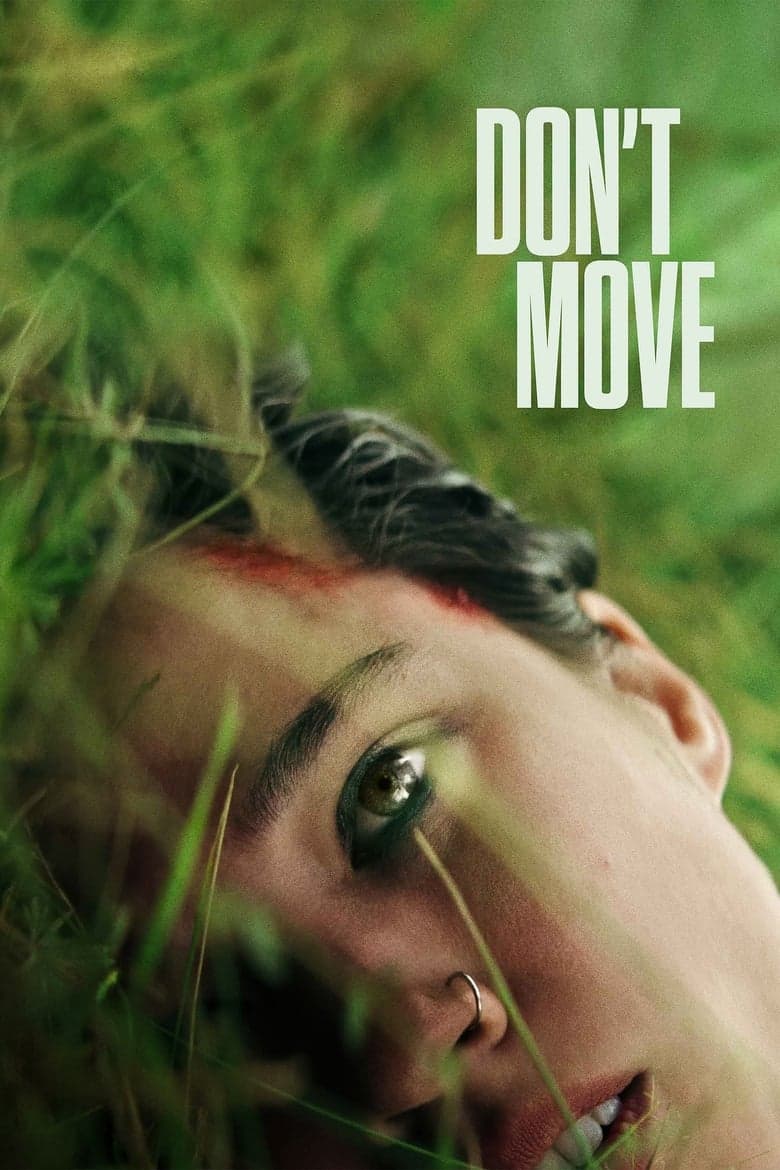
Movie · 2024
A grieving woman in a secluded forest encounters a killer who injects her with a paralytic drug. As her body shuts down, her fight for survival begins.
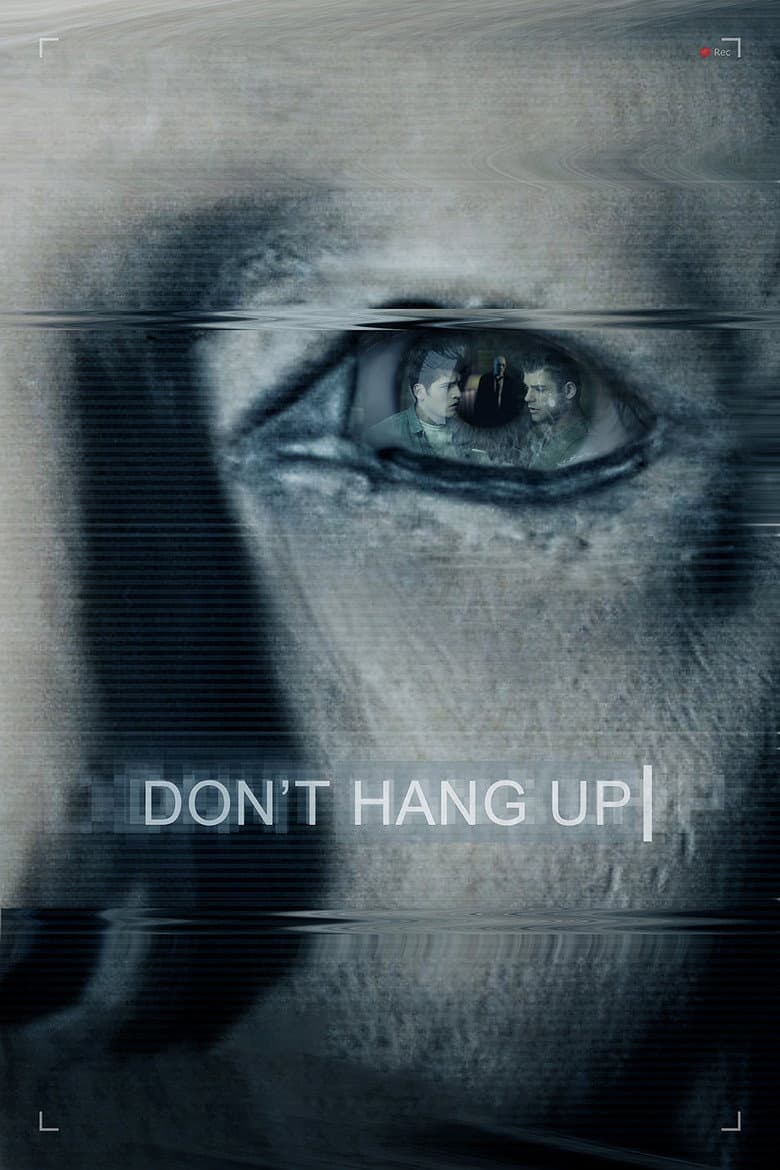
Movie · 2016
An evening of drunken prank calls becomes a nightmare for a pair of teenagers when a mysterious stranger turns their own game against them.
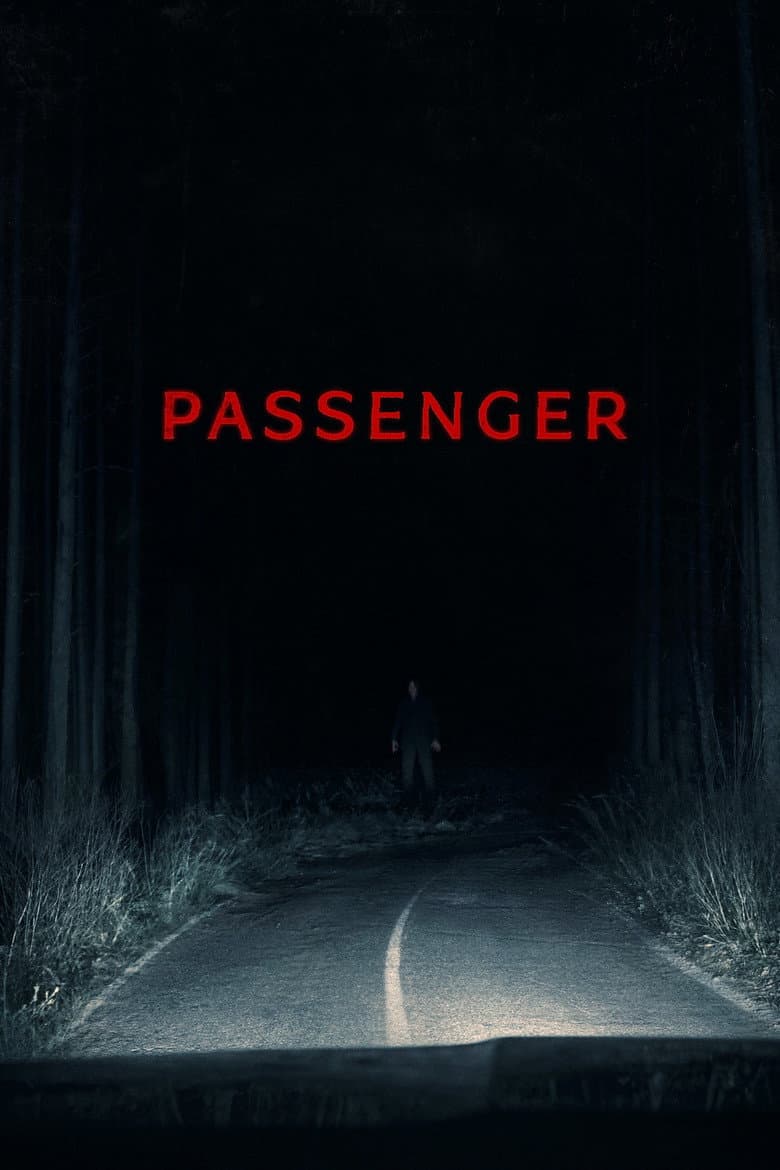
Movie · 2026
After a young couple witnesses a gruesome highway accident, they soon realize they did not leave the crash scene alone, as a demonic presence called the Passenger that won't stop…
