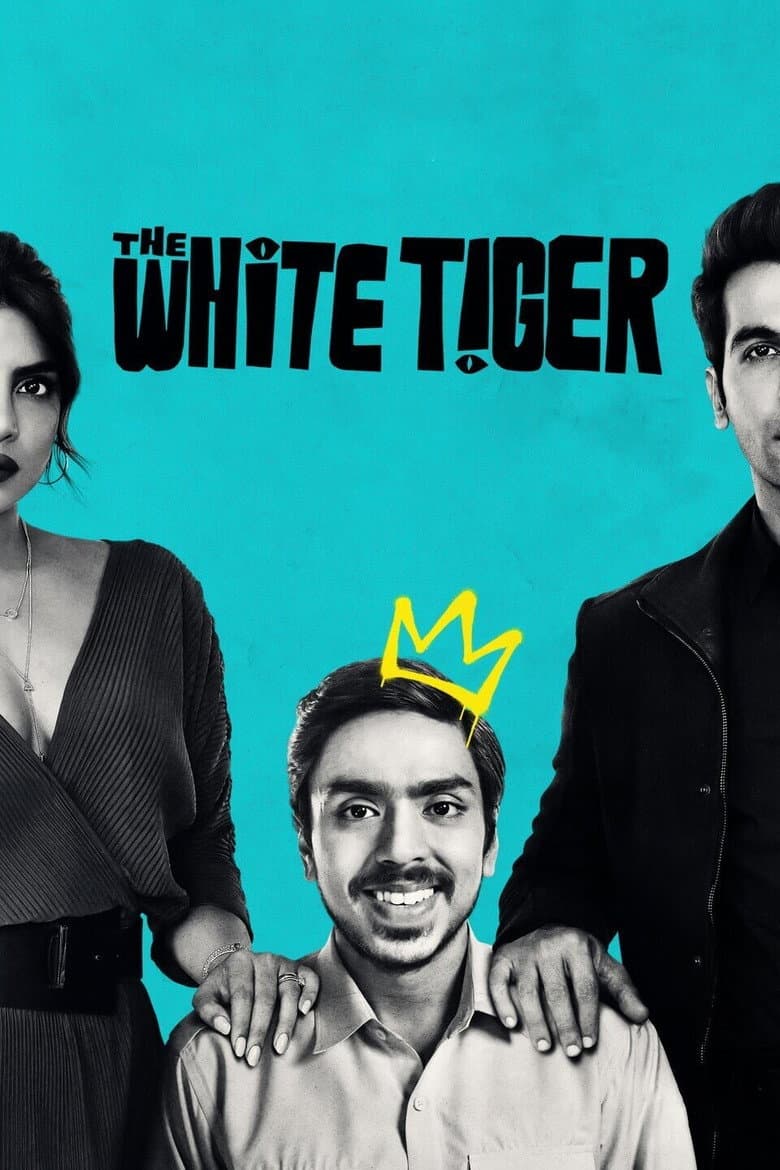
The White Tiger tells the story of Balram, a poor lower-caste driver from rural India who uses wit, lies, and murder to climb into the wealthy class and start his own business. The film adapts Aravind Adiga’s novel as a dark, satirical look at India’s deep class divides, caste system, corruption, and the “rooster coop” trap that keeps servants in place. Caste and class struggles drive the plot and character choices in a visible way, but the story stays focused on one man’s ruthless individual rise rather than activist messaging or modern identity campaigns.
Community feedback
Was our 21% Woke rating accurate?
Breakdown
These are the editorial factors and ratings behind our score for The White Tiger.
Woke representation / casting
Casting uses Indian performers in roles that match the Indian setting and caste/class story; Priyanka Chopra Jonas plays a returning elite wife without quota-style emphasis or identity signaling.
0%
Woke political dialogue
Characters discuss servitude, bribes, and family pressure in Indian terms; crude language appears but no lectures on patriarchy, systemic racism, or Western-style equity.
8%
Identity-driven story themes
Lower-caste background and the “rooster coop” metaphor of permanent servitude form the core conflict, shown through Balram’s personal cunning rather than collective activism or modern identity politics.
22%
Western institutional / cultural critique
The film targets Indian caste, corrupt landlords, and political elites; it offers no framing of Western patriarchy, toxic masculinity, family norms, or anti-conservative social messages.
0%
Woke character or canon changes
The adaptation follows the novel’s events and characters without identity-driven swaps or reinterpretations.
0%
Anti-woke backlash and complaints
No notable right-leaning or anti-woke complaints accused the film of pushing DEI, queer themes, or identity politics; available criticism centered on Western-gaze stereotypes instead.
0%
Creator track record context
Ava DuVernay’s social-justice producing history raises the number slightly, yet Ramin Bahrani and Aravind Adiga focus on class and Indian societal flaws without patterns of queer activism, anti-patriarchy framing, or representation-first storytelling.
38%
Production

Movie · 2024
On the brink of the Second World War, a young Norwegian man's drive to resist the Nazis sets a new course for his future – and the future of his country.
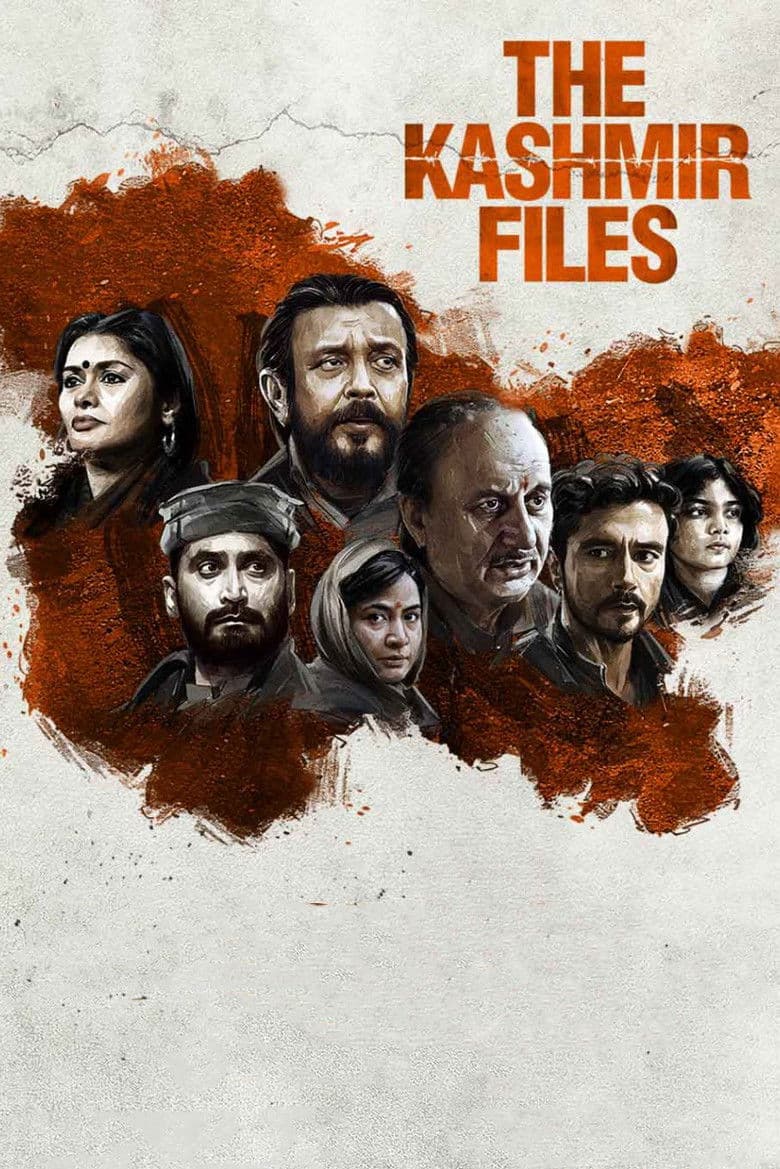
Movie · 2022
Based on a true tragedy, the emotionally triggering film sheds light on the plight of Kashmiri Pandits (Hindus), a religious minority in the 1990s Kashmir valley, who were…
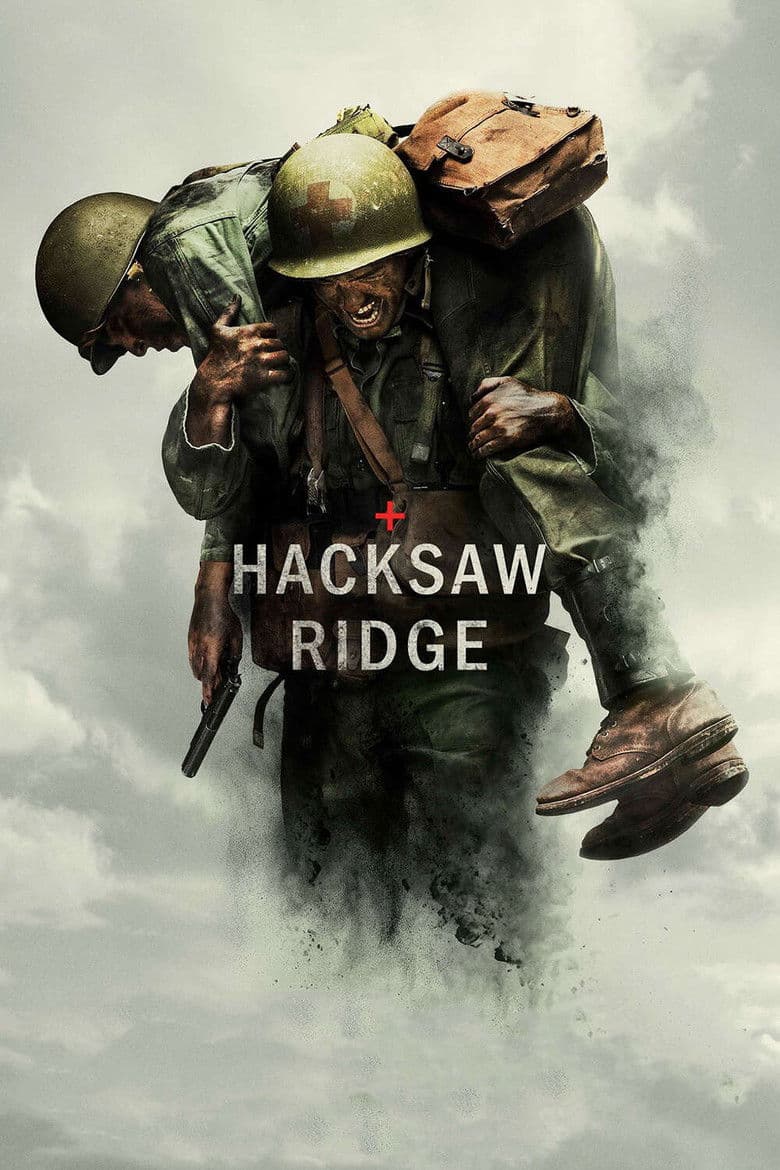
Movie · 2016
WWII American Army Medic Desmond T. Doss, who served during the Battle of Okinawa, refuses to kill people and becomes the first Conscientious Objector in American history to…
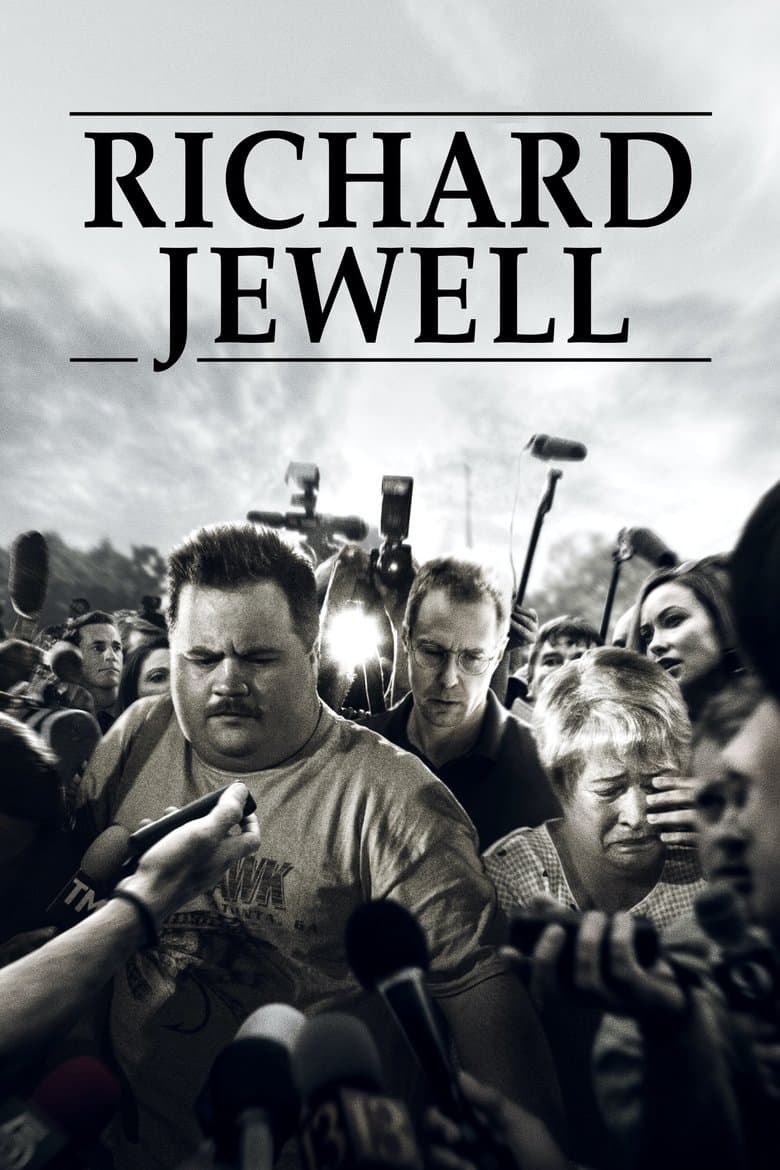
Movie · 2019
Richard Jewell thinks quick, works fast, and saves hundreds, perhaps thousands, of lives after a domestic terrorist plants several pipe bombs and they explode during a concert…
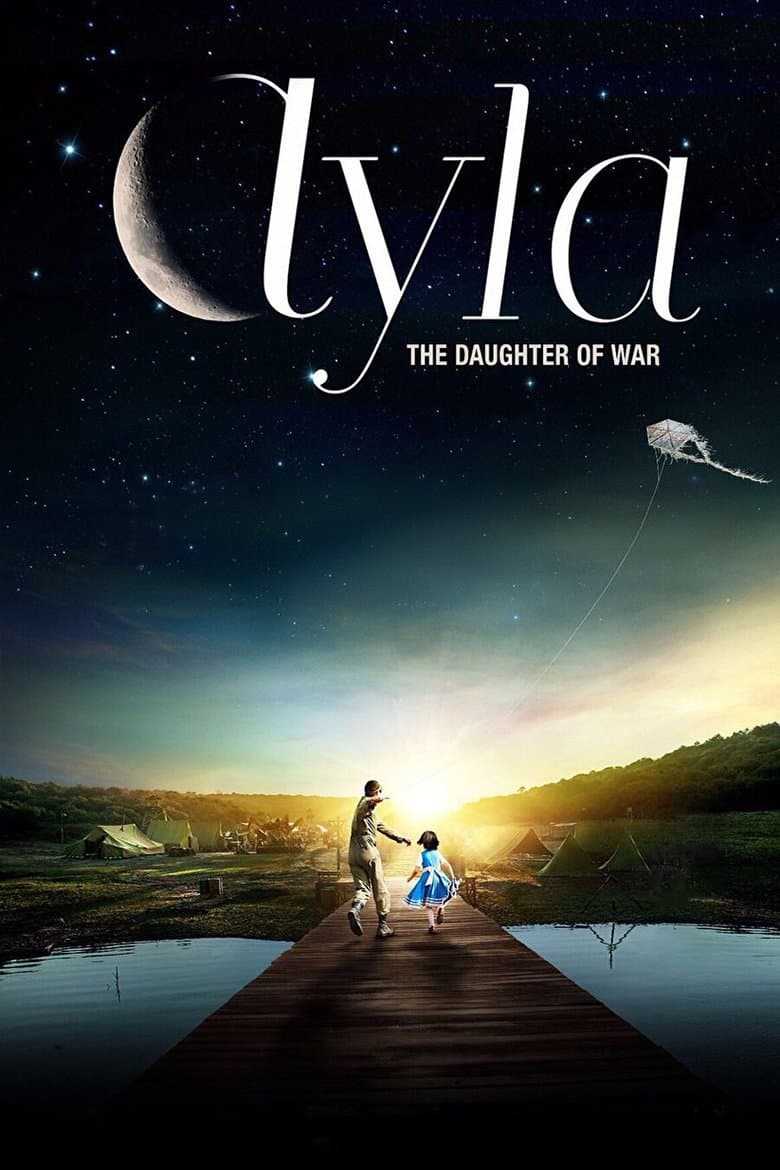
Movie · 2017
In 1950, amidst the ravages of the Korean War, Sergeant Süleyman stumbles upon a a half-frozen little girl, with no parents and no help in sight and he risks his own life to save…
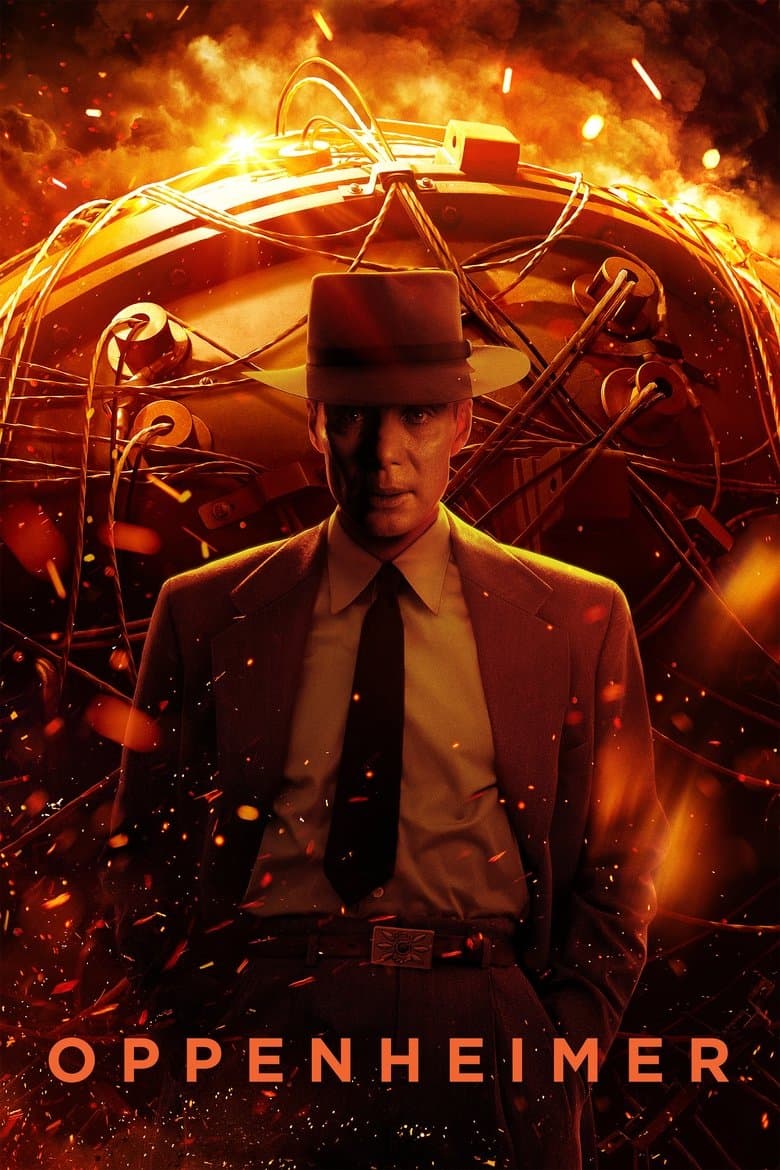
Movie · 2023
The story of J. Robert Oppenheimer's role in the development of the atomic bomb during World War II.
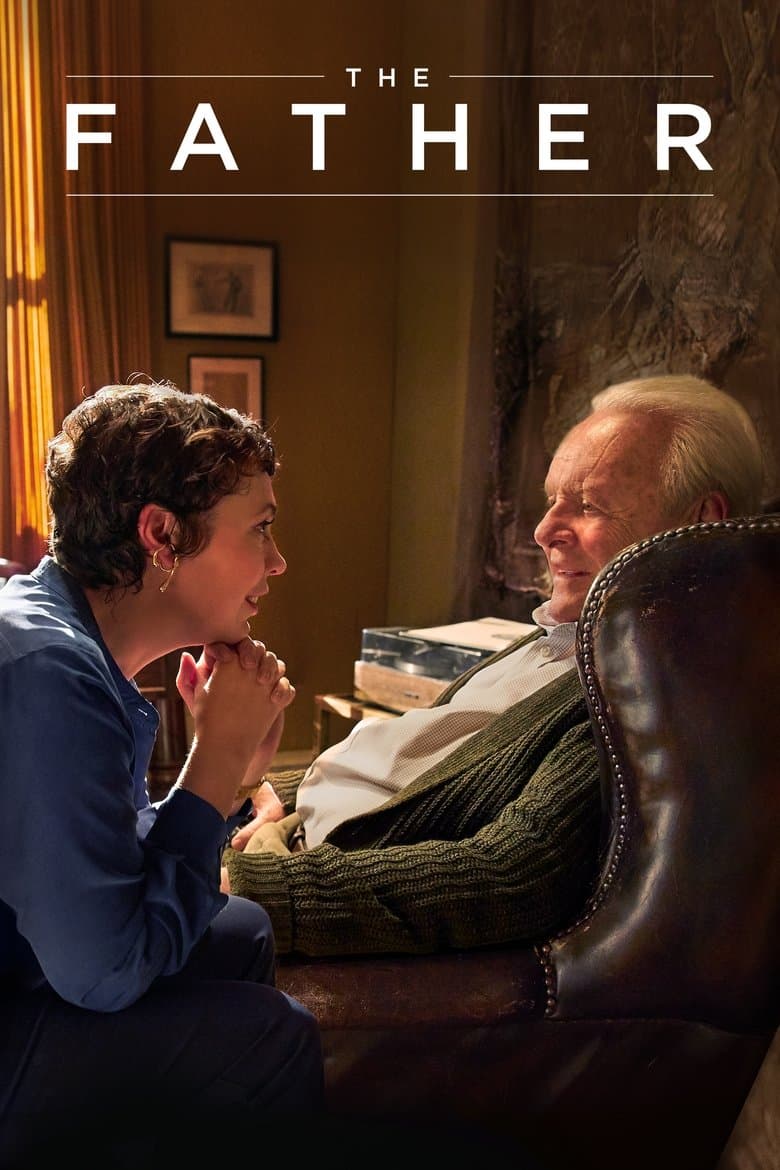
Movie · 2020
A man refuses all assistance from his daughter as he ages and, as he tries to make sense of his changing circumstances, he begins to doubt his loved ones, his own mind and even…
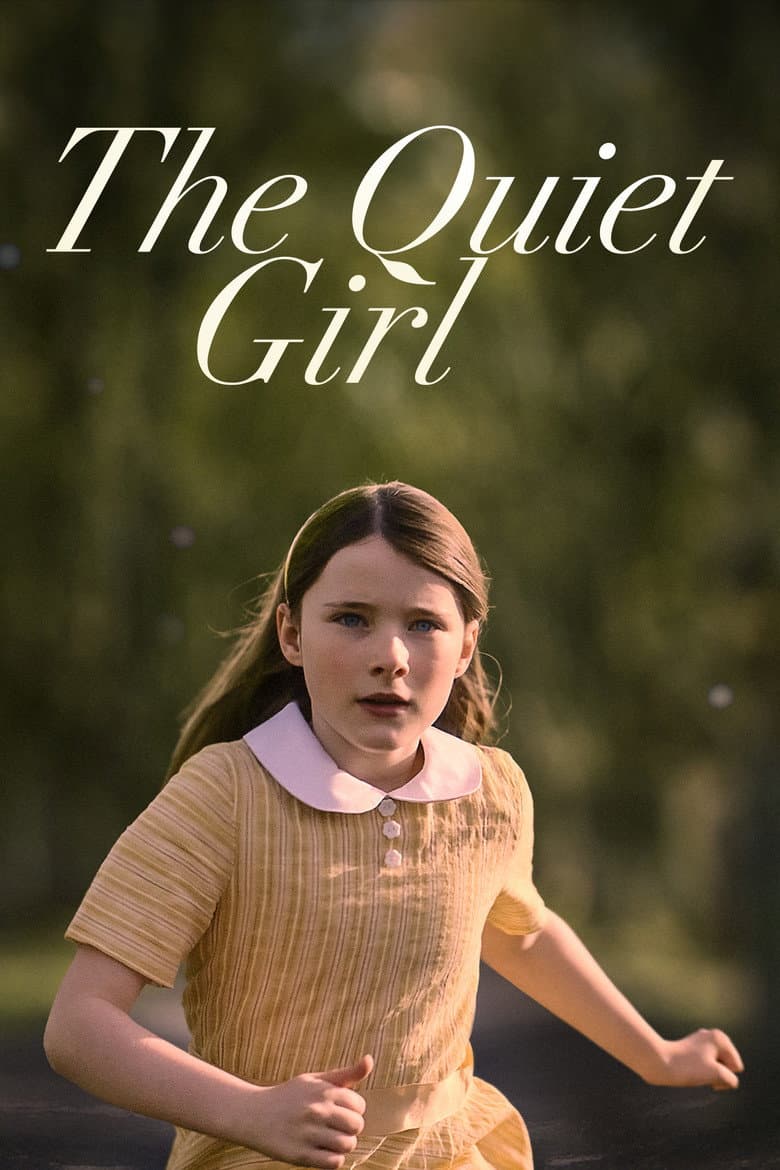
Movie · 2022
A quiet, neglected girl is sent away from her dysfunctional family to live with relatives for the summer. She blossoms in their care, but in this house where there are meant to be…
