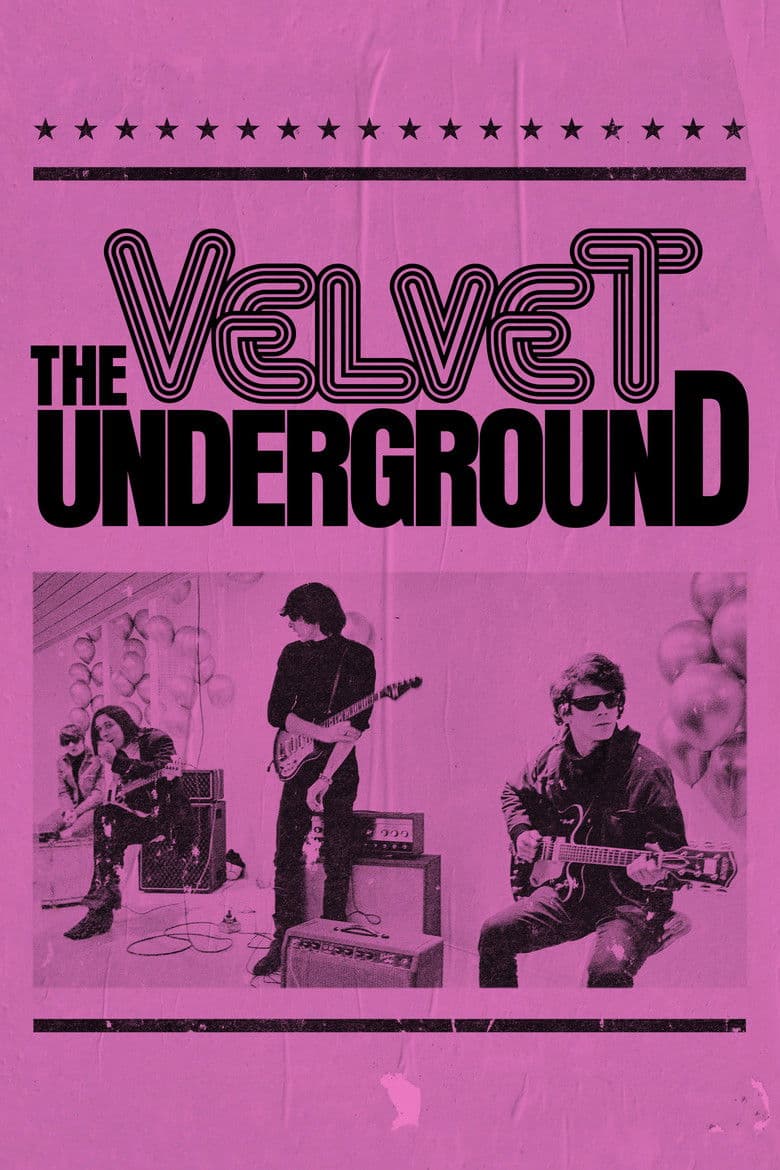
This 2021 film is a documentary about the 1960s rock band the Velvet Underground. It follows singer Lou Reed, John Cale, and the rest of the group as they form in New York’s art and music underground, work with Andy Warhol, and clash with fame and each other. The story moves through wild parties, hard drugs, bold songs, and a short but huge music legacy. The mood is artsy, dark, and full of old film clips and split-screen images.
The film puts queer life and outsider sex culture near the center of the band’s story. Viewers hear about Lou Reed’s early gay poetry, gay bars, and mixed signals about his sexuality. Archive clips show queer art films and Factory-scene life. Interviews and the director’s framing treat the band as part of a “queer” way of seeing the world that pushed against normal straight rules of the time. A normal viewer will notice this identity focus often, even though the movie is still mainly a music history piece. Modern lecture-style politics are lighter; the strongest signal is the queer and sexual-outsider thread.
Community feedback
Was our 69% Woke rating accurate?
Breakdown
These are the editorial factors and ratings behind our score for The Velvet Underground.
Woke representation / casting
Real-people music doc, not a cast-for-diversity fiction story. On-screen faces are mostly the historical band and Factory scene: largely white, with Nico and Moe Tucker as major women. Queer figures appear because they were in that world, not as modern quota casting. Identity casting pressure is low.
10%
Woke political dialogue
Talk is mostly interview and archive about 1960s life, gay bars, shock treatment, and sneers at hippies and “normal” rules. Little modern activist slogan speech or party politics. Identity-related lines show up, but as history and scene talk more than current campaign-style dialogue.
30%
Identity-driven story themes
Queer and sexual-outsider themes are a clear through-line: Reed’s gay poetry and bars, Warhol Factory queer culture, S&M and underground queer film clips, and framing the band as rejecting straight mainstream norms. Music history still leads, but a viewer will often notice identity and sexuality as part of the story’s meaning.
74%
Western institutional / cultural critique
The film shows pushback against 1950s–60s suburb rules, mainstream fame systems, anti-gay news attitudes, and hippie “normal” counterculture. It treats outsider sex and art as freer than polite society. Not a full modern attack on “whiteness” or capitalism, but it does knock traditional straight norms and mainstream institutions.
48%
Woke character or canon changes
Not present in this title.
0%
Anti-woke backlash and complaints
No meaningful public wave of anti-woke or right-leaning complaints that this film pushes DEI or identity politics. Debate centered on art style and who got enough screen time.
0%
Creator track record context
Lead creative Todd Haynes and producers from Killer Films and Motto (Vachon, Koffler, Goldman) have strong records of queer, progressive, and identity-centered work. That pattern matches how this film stresses sexuality and outsider culture. Other producers are milder or neutral in the cached notes.
70%
Production
Movie · 2021
This documentary offers a deeply intimate look at extraordinary teenager Billie Eilish. Award-winning filmmaker R.J.
Movie · 2019
An Iraqi journalist joins an army of uneasy allies and unforgettable characters in the epic battle to liberate the city of Mosul from the Islamic State.
Movie · 2022
Follows the man who survived an assassination attempt by poisoning with a lethal nerve agent in August 2020. During his months-long recovery, he makes shocking discoveries about…
Movie · 2023
A courageous pastor uses his underground network to rescue and aid North Korean families as they risk their lives to embrace freedom.
Movie · 2022
In candid conversations with actor Jonah Hill, leading psychiatrist Phil Stutz explores his early life experiences and unique, visual model of therapy.
Movie · 2024
Christopher Reeve portrayed the Man of Steel in four Superman films and played dozens of other roles that displayed his talent and range as an actor, before being injured in a…
Movie · 2017
While investigating the furtive world of illegal doping in sports, director Bryan Fogel connects with renegade Russian scientist Dr.
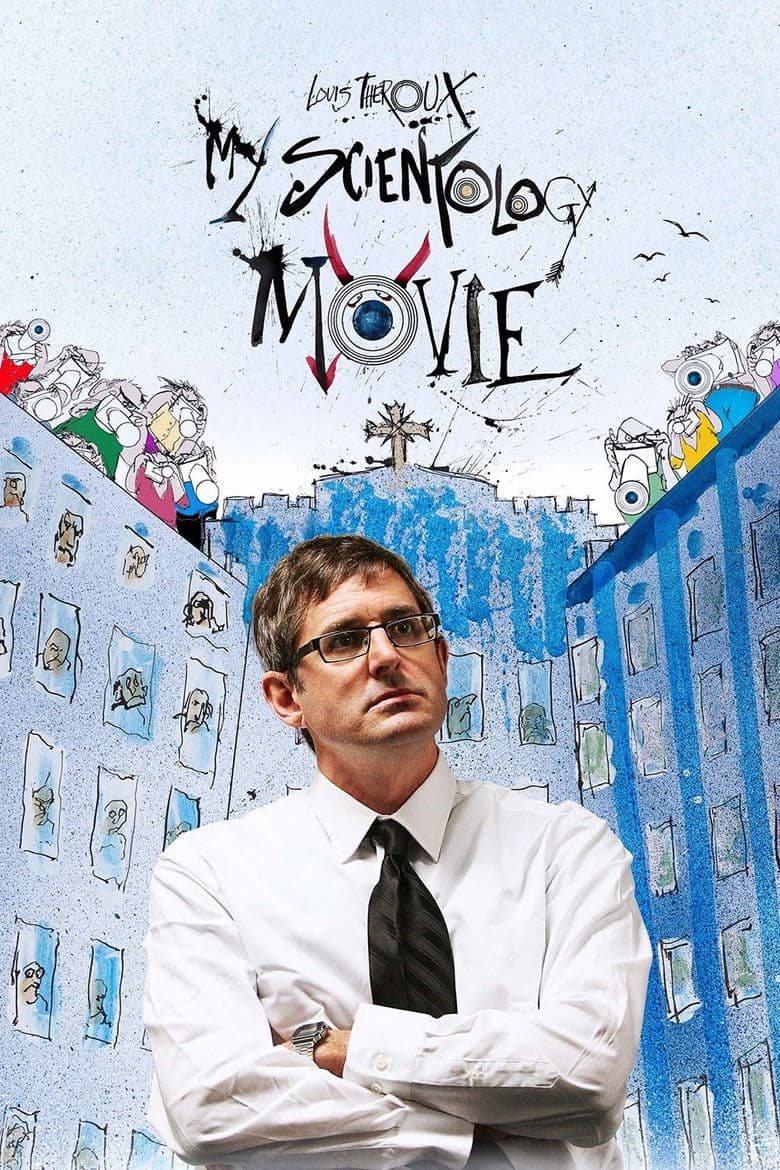
Movie · 2016
After being denied access to the Church of Scientology's headquarters, documentarian Louis Theroux teams up with ex-Scientology official Marty Rathbun to stage re-enactments of…
