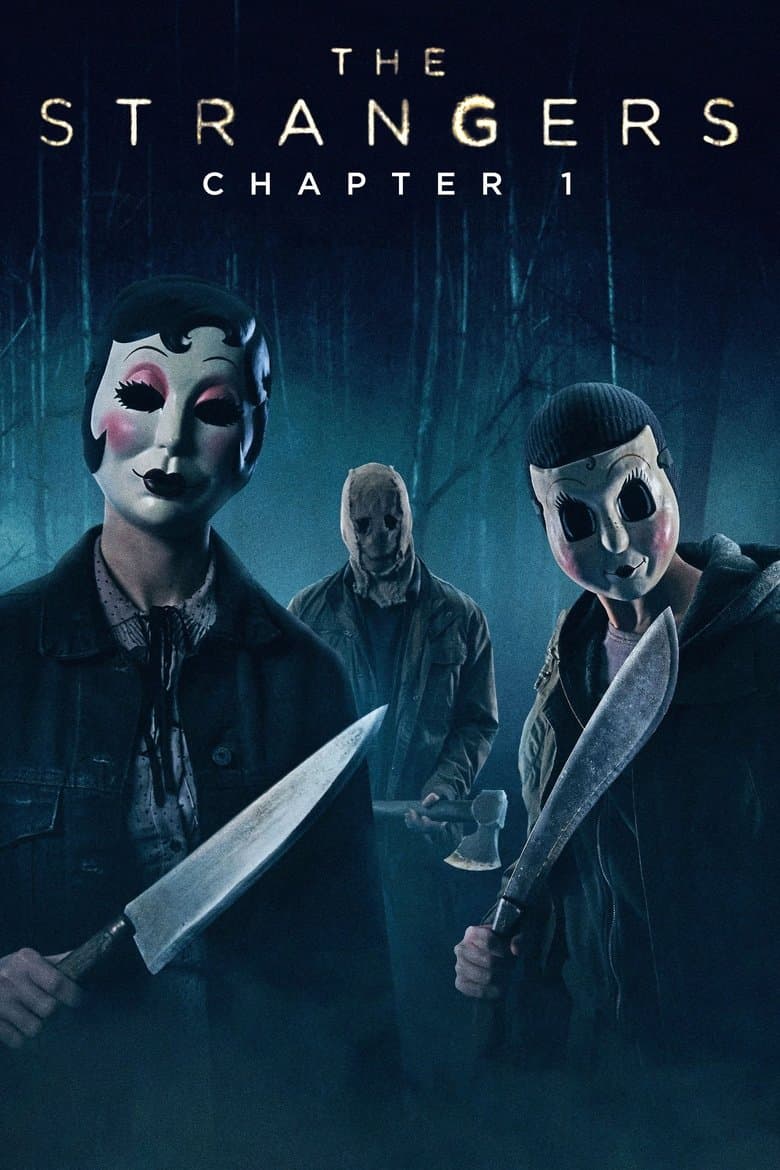
The Strangers: Chapter 1 is a 2024 horror movie about a young couple on a road trip. When their car breaks down, they stay in a remote cabin. Three masked killers quickly arrive and start terrorizing them. The movie is a standard slasher film. It focuses entirely on suspense and survival. There are no noticeable woke themes, social justice messages, or political agendas in the film. The characters and story stay true to classic, straightforward horror tropes.
Community feedback
Was our 10% Woke rating accurate?
Breakdown
These are the editorial factors and ratings behind our score for The Strangers: Chapter 1.
Woke representation / casting
The film features standard, incidental casting of Madelaine Petsch and Froy Gutierrez as a mainstream heterosexual couple. No identity-driven signaling, diversity quotas, or woke casting agendas are visible in the final cut.
10%
Woke political dialogue
There is no political, social-justice, or identity-focused dialogue in the film.
0%
Identity-driven story themes
The story is a straightforward home-invasion slasher film with no themes related to modern identity politics, race, gender struggle, or social-justice activism.
0%
Western institutional / cultural critique
The film uses the common slasher trope of suspicious small-town locals leering at city outsiders. This is a generic horror convention and contains no modern activist, anti-conservative, or systemic institutional critiques.
5%
Woke character or canon changes
Not relevant. The movie features a new set of characters rather than making ideological or identity-driven changes to the legacy characters from the original 2008 film.
0%
Anti-woke backlash and complaints
There is no anti-woke backlash or complaints targeting this movie, as public criticism focused solely on its poor quality as a horror remake.
0%
Creator track record context
While lead actress and producer Madelaine Petsch is known for supporting progressive and LGBTQ+ causes, the rest of the creative team, including director Renny Harlin and the writers, have no history of activist or identity-driven work.
18%
Production

Movie · 2024
A grieving woman in a secluded forest encounters a killer who injects her with a paralytic drug. As her body shuts down, her fight for survival begins.
Movie · 2017
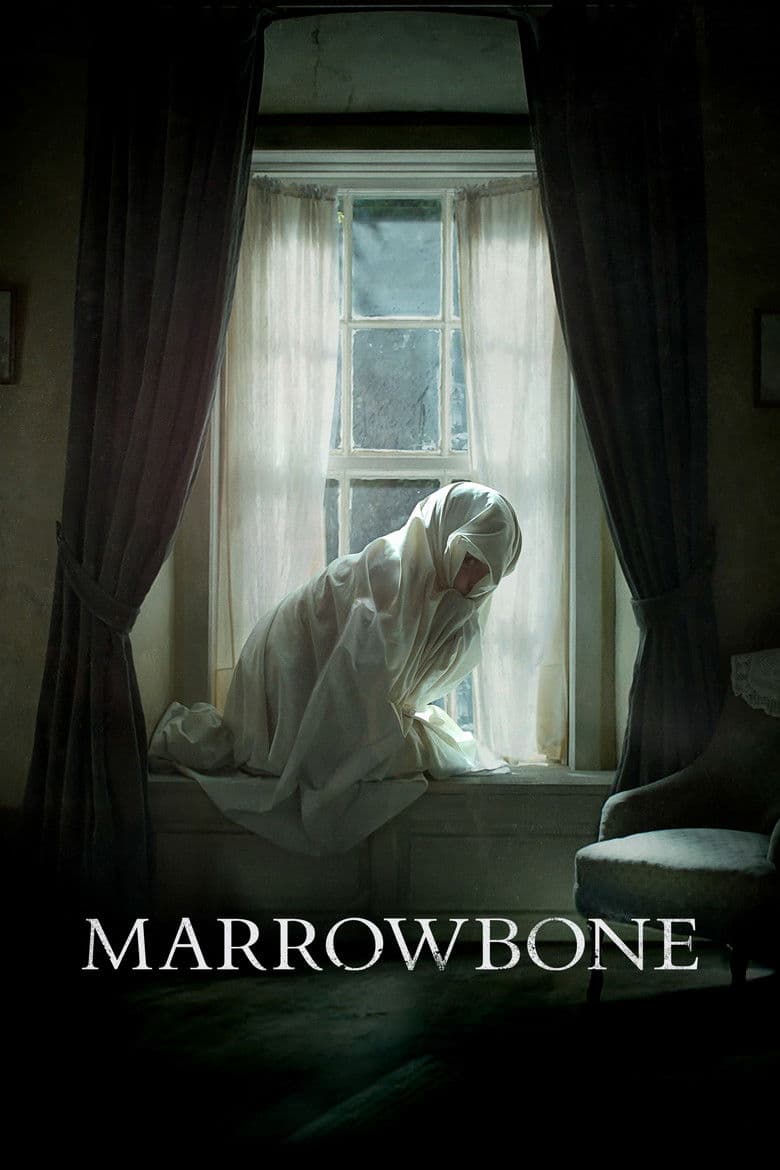
A young man and his three younger siblings are plagued by a sinister presence in the sprawling manor in which they live.

Movie · 2019
When a huge hurricane hits her hometown in Florida, Haley ignores evacuation orders to look for her father. After finding him badly wounded, both are trapped by the flood.
Movie · 2025
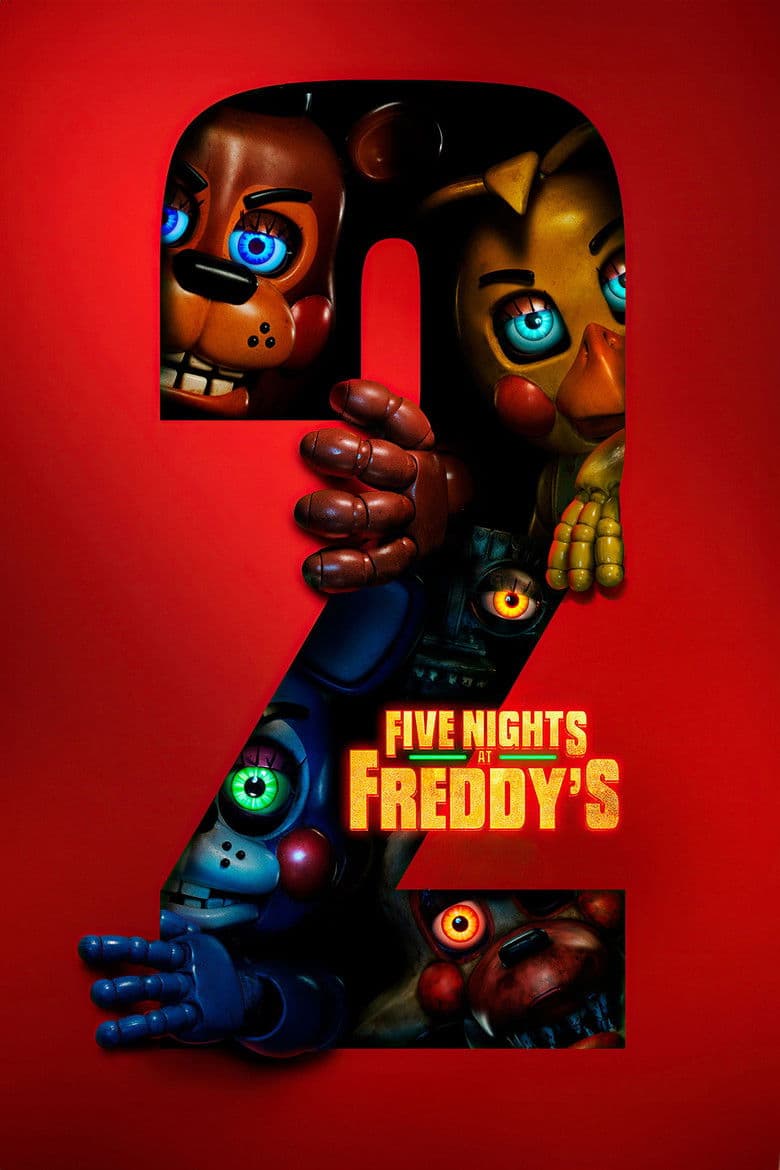
One year since the supernatural nightmare at Freddy Fazbear's Pizza, the stories about what transpired there have been twisted into a campy local legend, inspiring the town's…
Movie · 2024
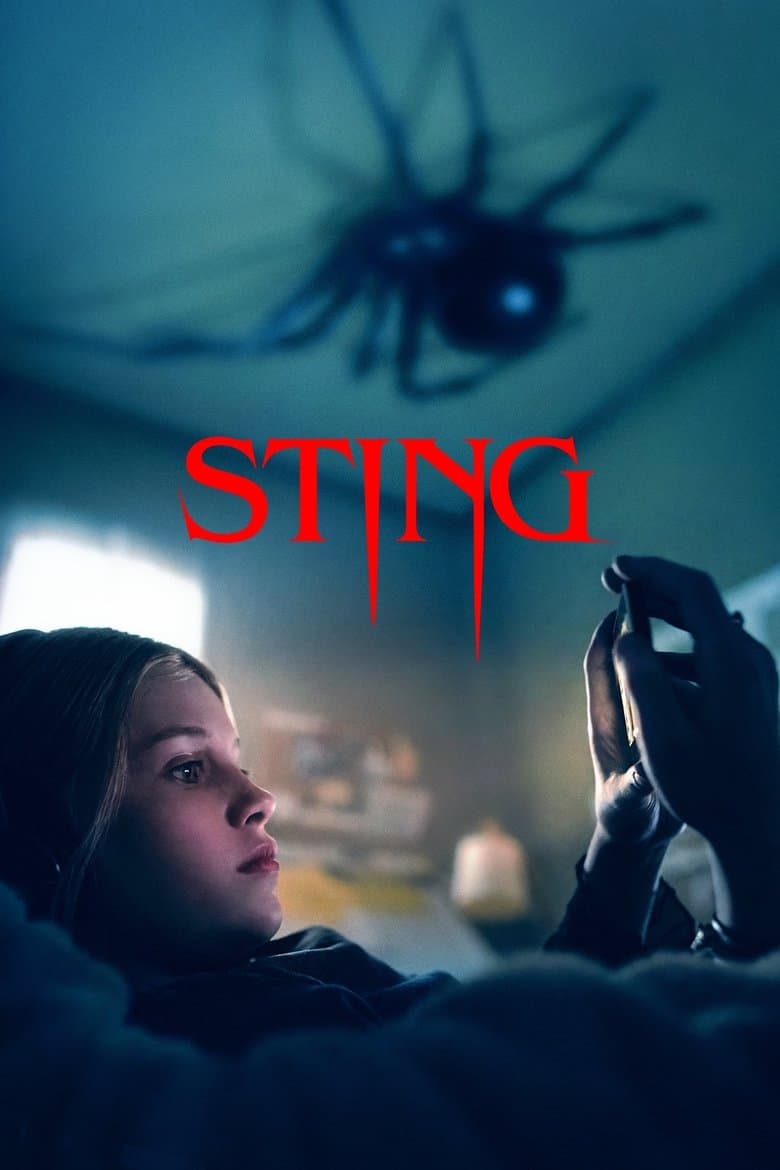
After raising an unnervingly talented spider in secret, 12-year-old Charlotte must face the truth about her pet and fight for her family's survival.
Movie · 2017
A frustrated, angry teenage girl awakens something in the woods when she naively performs an occult ritual to invoke a witch to kill her mother.
Movie · 2018
Three teenage thieves infiltrate a mansion dinner party, unaware that it is secretly being hosted by a serial killer cult for the social elite.
Movie · 2016
An evening of drunken prank calls becomes a nightmare for a pair of teenagers when a mysterious stranger turns their own game against them.
