
Peter is a busy New York lawyer with a new wife and a baby. His ex-wife asks him to take in their teenage son, Nicholas, who has stopped going to school and is deeply sad. Peter wants to be a better dad than his own cold father was. The film is a heavy family drama about love, guilt, depression, and parents who do not know how to help.
This movie is about mental health and a broken family, not politics or identity. Viewers mainly see a dad trying to reach a troubled teen, divorce pain, and a tragic end. The main cast is a standard family setup. Talk centers on feeling empty, missing school, and parents who fail to listen. There is no girl-power push, race lecture, queer storyline, or activist message. Creators and ads treated it as a serious family story. Online and news talk attacked how it handled suicide and felt fake or mean, not that it was “woke.”
Community feedback
Was our 9% Woke rating accurate?
Breakdown
These are the editorial factors and ratings behind our score for The Son.
Woke representation / casting
Main family is standard casting with no race or gender swap of known roles. A black doctor/therapist appears in a small support part, which fits a modern city setting and is not sold as a diversity spotlight. No “brilliant minority leader” pattern or quota-style star roles. Identity casting is not the point of the film.
8%
Woke political dialogue
Talk is about depression, school, divorce, work stress, and parents who fail. Peter may have a political job path, but lines do not push modern activist slogans about race, gender, or systemic identity politics.
0%
Identity-driven story themes
Story is about mental illness, family break-up, and guilt. That is personal and medical, not race, queer, or DEI identity as the engine of the plot. A normal viewer would not read this as a social-justice message movie.
0%
Western institutional / cultural critique
Shows a cold, absent grandfather and a busy, imperfect dad. That can feel like a knock on bad fathering, but it stays personal, not a modern activist attack on patriarchy, Christianity, or Western life as systems. Ordinary family-drama critique only.
10%
Woke character or canon changes
Not relevant. Film adapts Zeller’s own play; changes are stage-to-screen, not identity or DEI rewrites of established icons or history.
0%
Anti-woke backlash and complaints
Public anger focused on melodrama and suicide handling. No notable right-leaning or anti-woke campaign treated this film as woke propaganda or DEI product.
0%
Creator track record context
Director score is near zero; star-producer and other producers sit in the low-to-mid 20s or below. Overall crew context is mild industry-normal, not a known activist package driving this title.
12%
Production
Movie · 2020
A man refuses all assistance from his daughter as he ages and, as he tries to make sense of his changing circumstances, he begins to doubt his loved ones, his own mind and even…
Movie · 2022
London, 1953. Mr. Williams, a veteran civil servant, is an important cog within the city's bureaucracy as it struggles to rebuild in the aftermath of World War II.
Movie · 2016
On 15 January 2009, the world witnessed the 'Miracle on the Hudson' when Captain 'Sully' Sullenberger glided his disabled plane onto the Hudson River, saving the lives of all 155…
Movie · 2017
Members of the Granite Mountain Hotshots battle deadly wildfires to save an Arizona town.
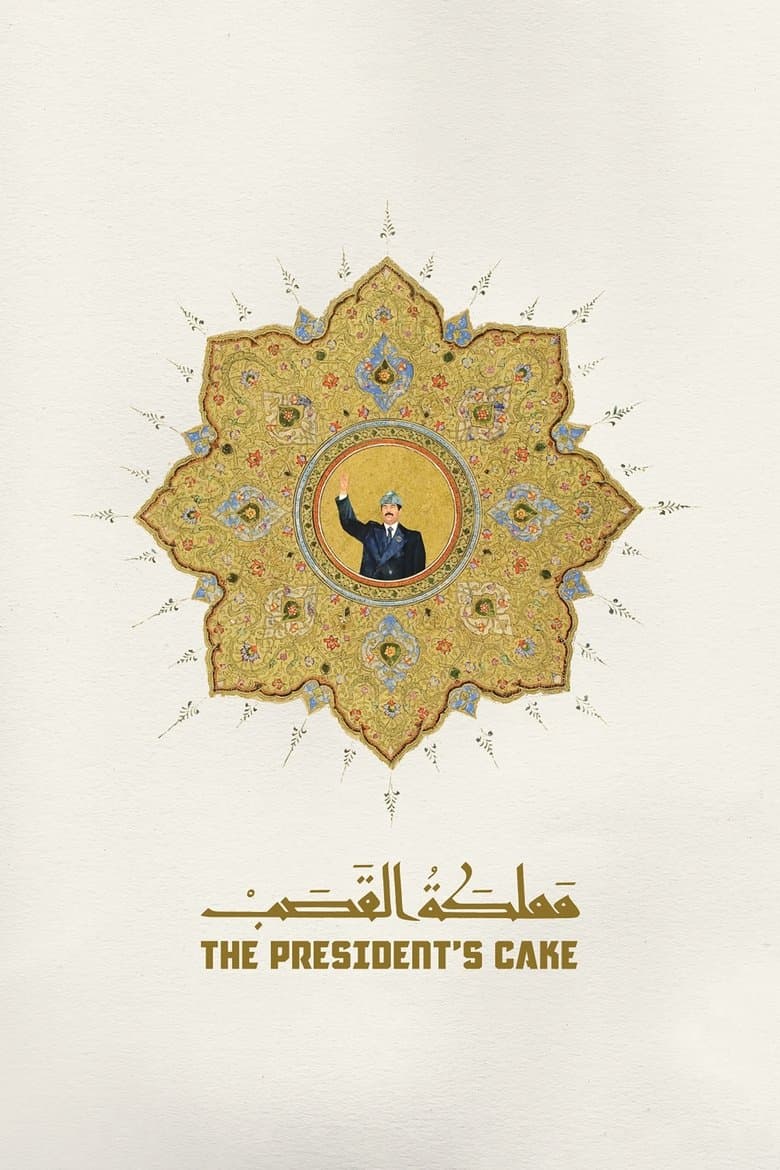
Movie · 2026
While people across 1990s Iraq struggle to survive the war and food shortages, Saddam Hussein requires each school in the country to prepare a cake to celebrate his birthday.
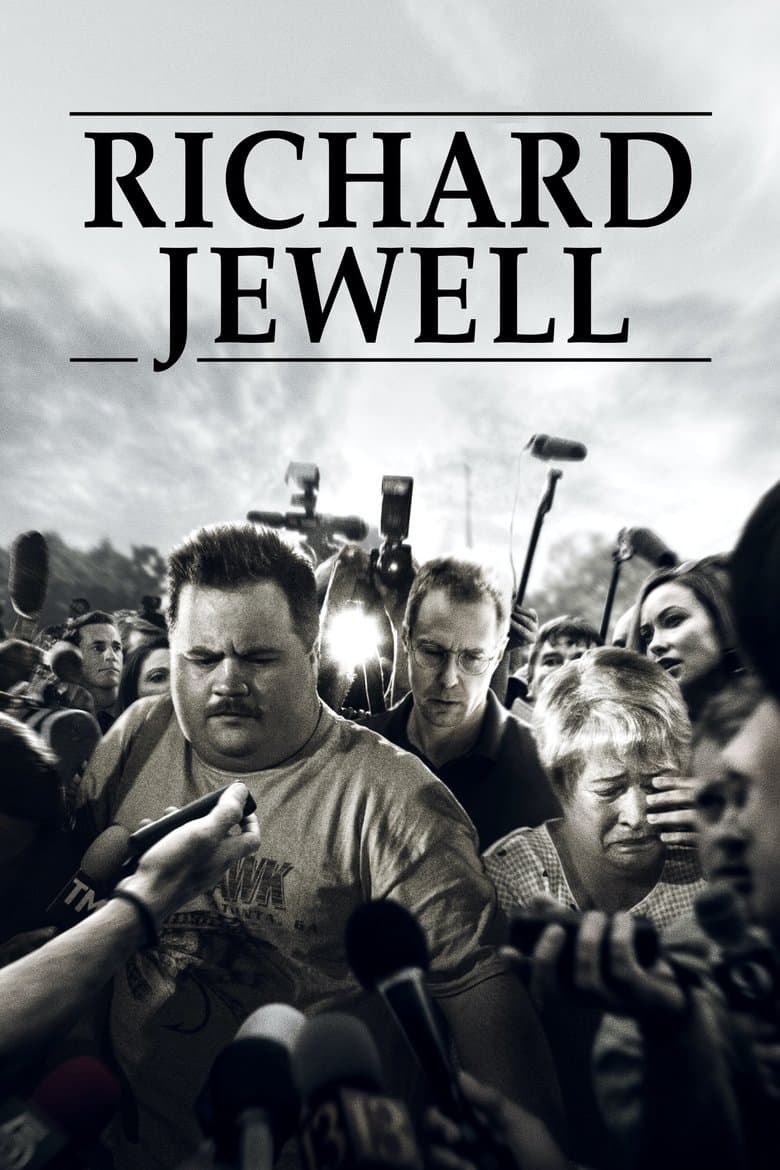
Movie · 2019
Richard Jewell thinks quick, works fast, and saves hundreds, perhaps thousands, of lives after a domestic terrorist plants several pipe bombs and they explode during a concert…
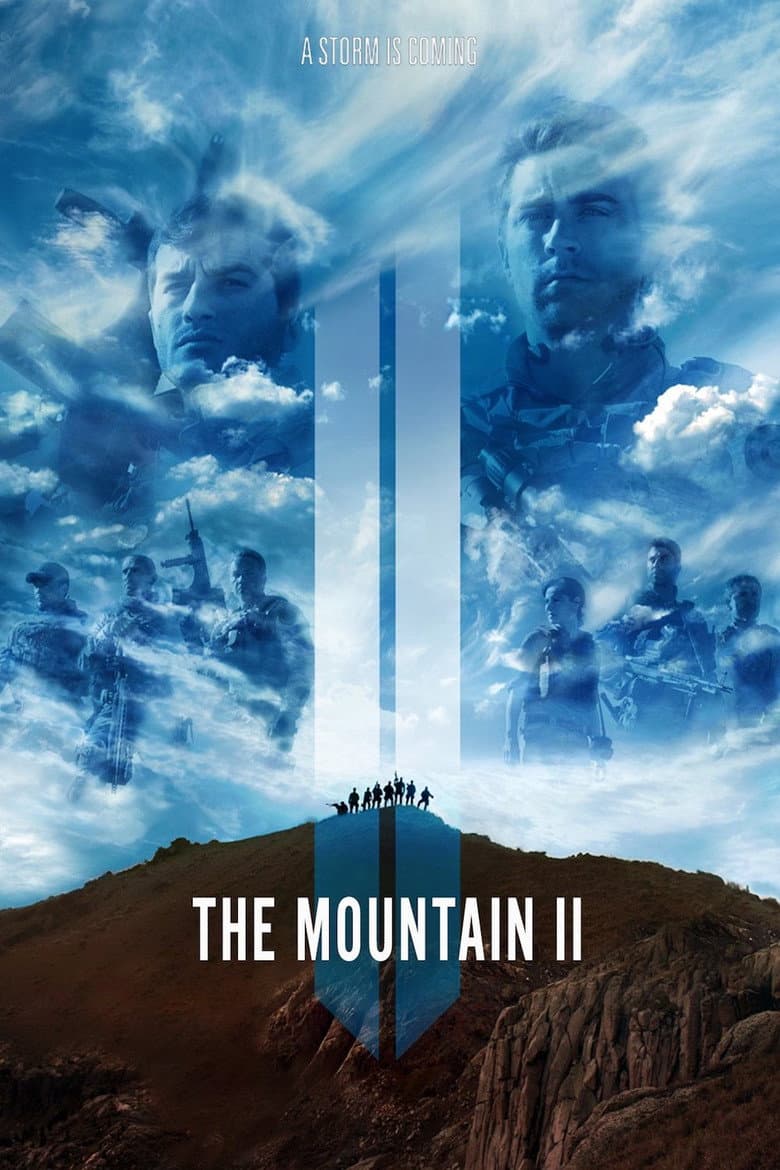
Movie · 2016
In a desolate war zone where screams of the innocent echo, on the very line between disaster and valor, 7 Maroon Berets will dance with death.
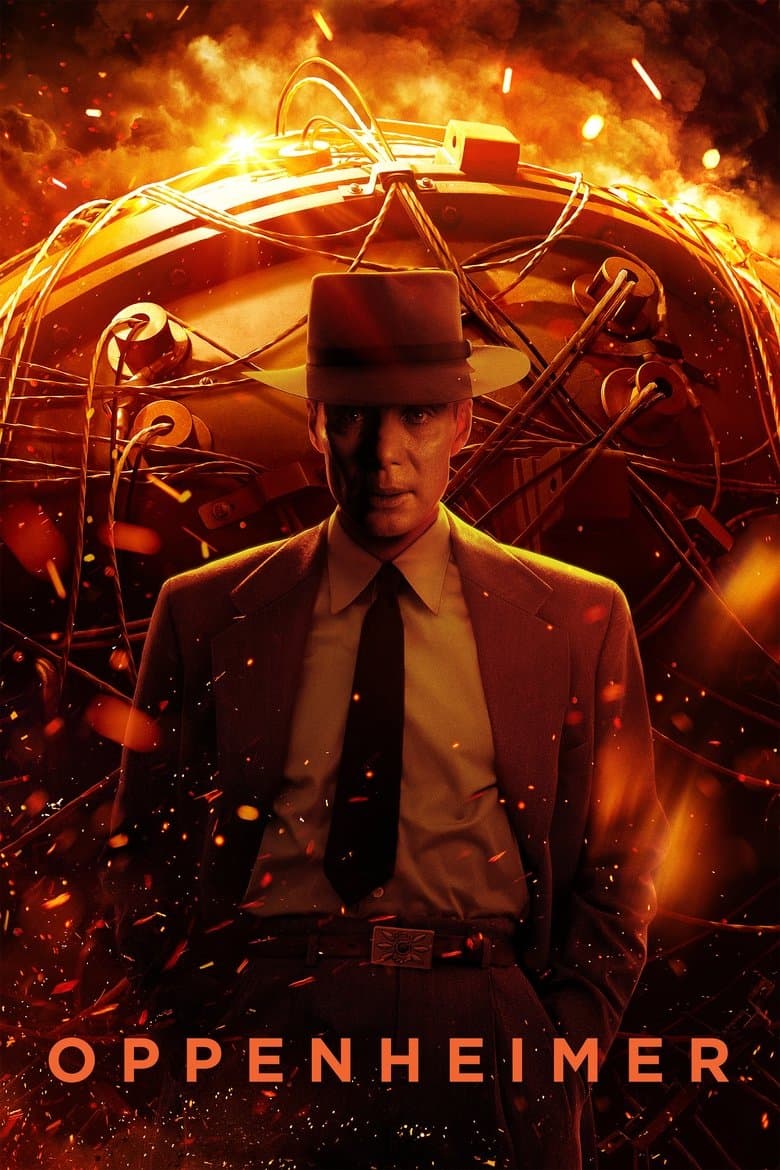
Movie · 2023
The story of J. Robert Oppenheimer's role in the development of the atomic bomb during World War II.
