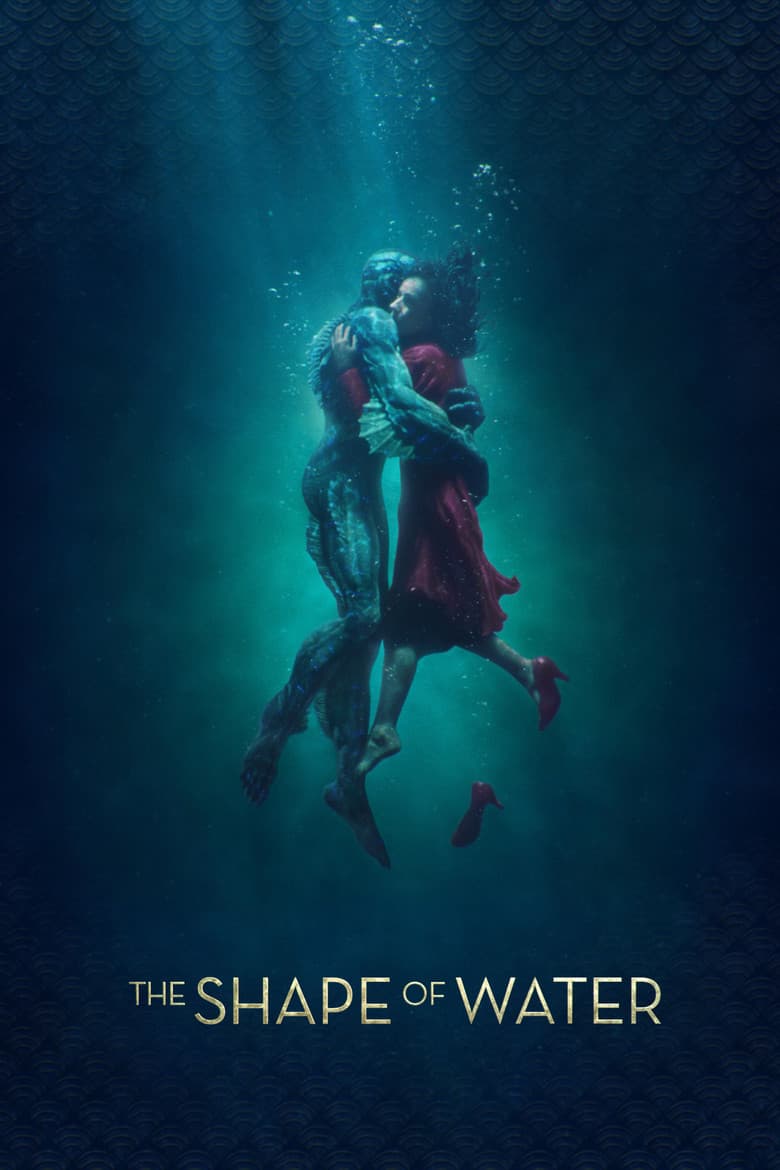
The Shape of Water is a 2017 fantasy romance in which a mute janitor at a secretive 1960s government lab falls in love with a captured amphibious creature and helps him escape amid Cold War intrigue. The core narrative engine centers on empathy, romantic/sexual union across profound differences, and a band of societal outsiders defeating oppressive authority and prejudice. Audience-visible elements include recurring portrayals of racism, sexism, and homophobia as defining flaws of traditional American institutions and white male power, a diverse ensemble of marginalized characters positioned as moral heroes, and an explicit interspecies romance framed as redemptive subversion of norms.
Community feedback
Was our 75% Woke rating accurate?
Breakdown
These are the editorial factors and ratings behind our score for The Shape of Water.
Woke representation / casting
Deliberate inclusion of black woman and gay man as central moral allies plus mute lead and non-human creature as positive “other” creates visible outsider-identity emphasis tied to the acceptance theme; fits fantasy logic without total mismatch or unearned girlboss dominance.
35%
Woke political dialogue
Multiple scenes depict and condemn casual racism, sexism, and homophobia through the villain and side characters, explicitly countered by cross-difference friendship and empathy as the correct stance.
40%
Identity-driven story themes
The entire plot and character arcs revolve around romantic/sexual acceptance of radical difference (species, disability, race, sexuality) and misfit solidarity defeating “normal” society; this is the central story engine an average viewer cannot miss.
65%
Western institutional / cultural critique
Systematic portrayal of 1960s government, military, and traditional social norms as cruelly prejudiced and authoritarian, with white male entitlement and toxic masculinity embodied in the villain; debunks nostalgic “great America” while affirming non-traditional bonds and outsider resistance as redemptive.
55%
Woke character or canon changes
Not present in this title.
0%
Anti-woke backlash and complaints
Moderate but documented labeling as “woke cinema,” widespread Trump-era political allegories, and disability-community pushback; complaints focus on agenda and casting but stayed secondary to acclaim.
45%
Creator track record context
Del Toro’s established outsider-empathy fantasies plus repeated public statements linking the film to contemporary racism, sexism, and anti-MAGA critique supply clear supporting pattern.
50%
Production

Movie · 2016
Canadian folk artist Maud Lewis falls in love with a fishmonger while working for him as a live-in housekeeper.
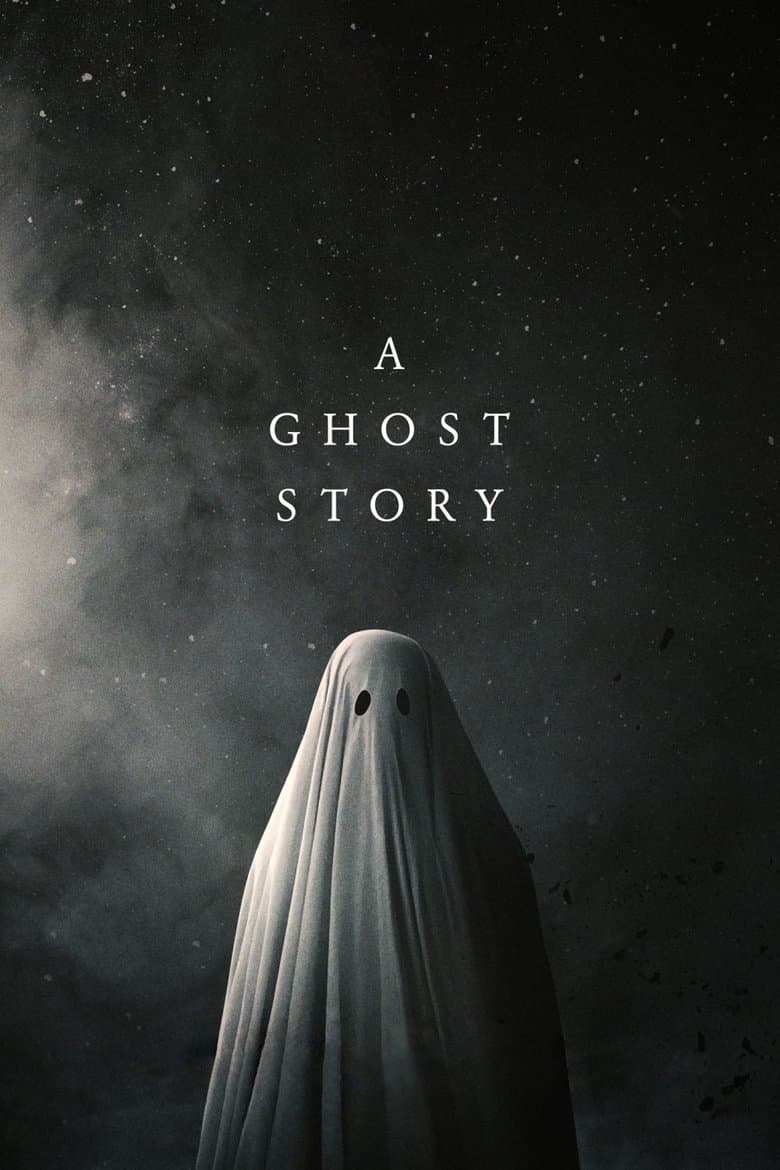
Movie · 2017
Recently deceased, a white-sheeted ghost returns to his suburban home to console his bereft wife, only to find that in his spectral state he has become unstuck in time, forced to…
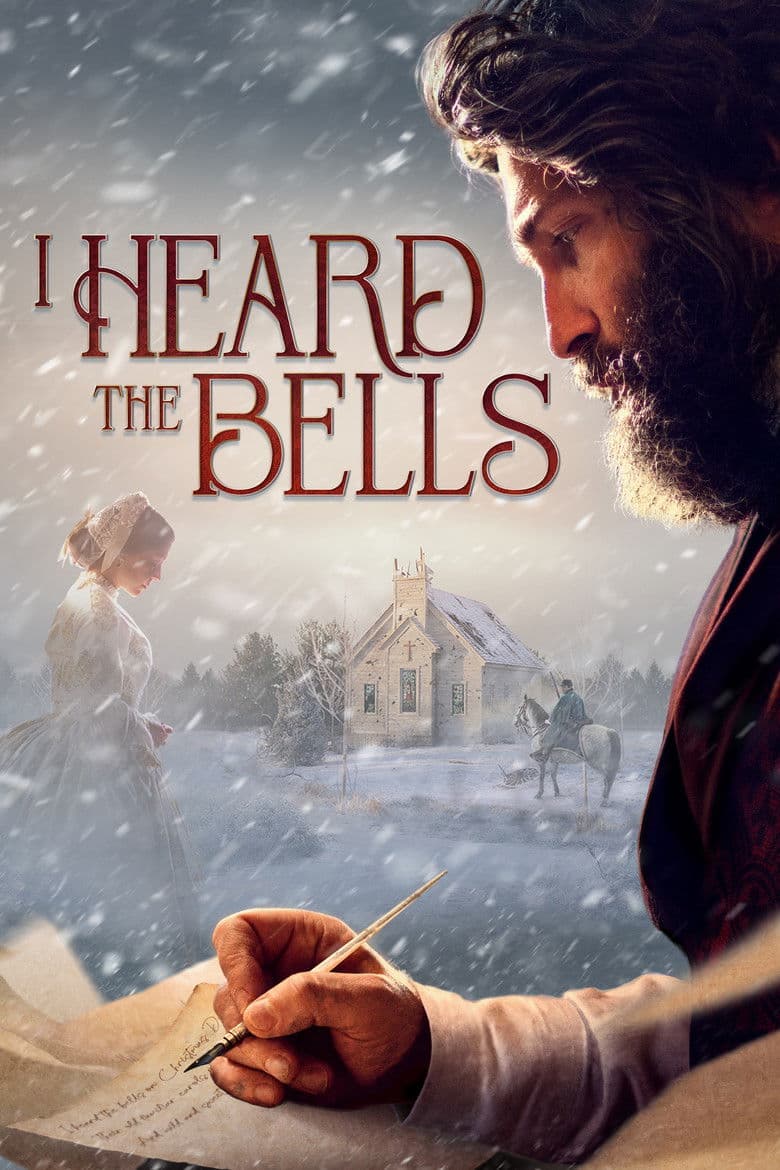
Movie · 2022
Known as America’s Poet, Henry Wadsworth Longfellow leads an idyllic life – until the day his world is shattered by tragedy.

Movie · 2017
In 1950s London, a renowned dressmaker's meticulous lifestyle begins drastically changing as his relationship with his young muse intensifies.

Movie · 2018
Seasoned musician Jackson Maine discovers — and falls in love with — struggling artist Ally. She has just about given up on her dream to make it big as a singer — until Jack…
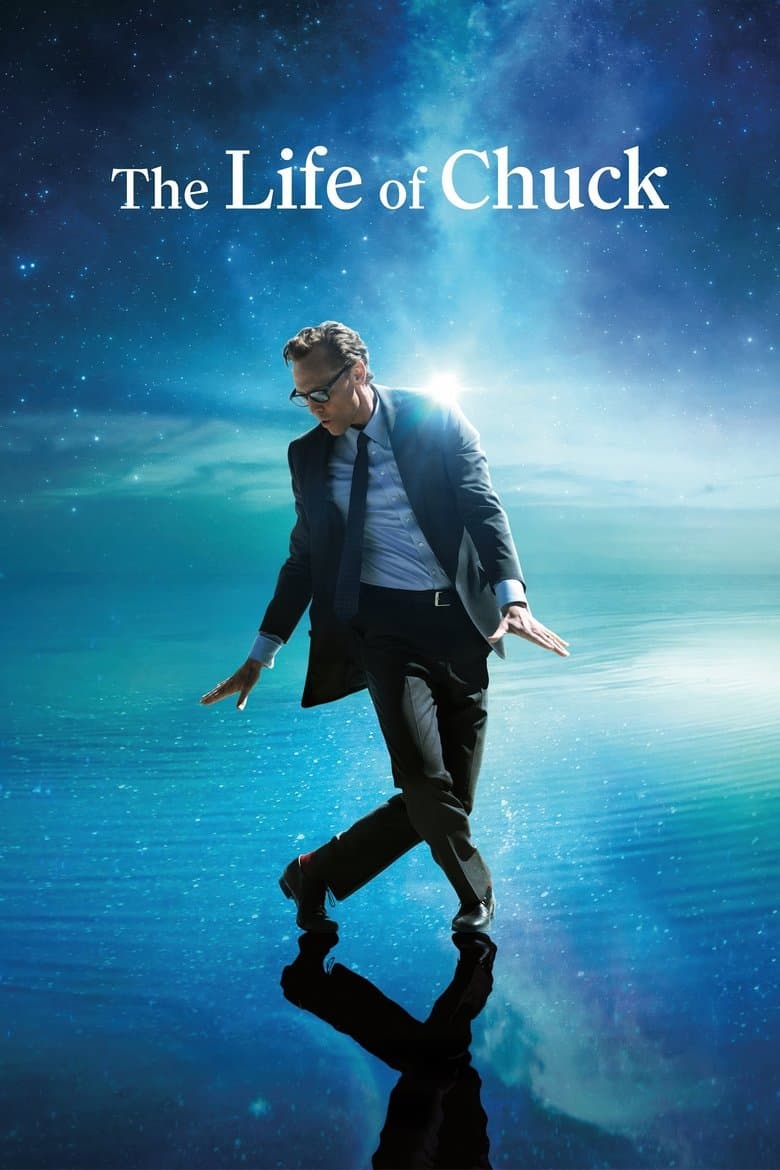
Movie · 2025
In this extraordinary story of an ordinary man, Charles 'Chuck' Krantz experiences the wonder of love, the heartbreak of loss, and the multitudes contained in all of us.

Movie · 2025
Laura and Simon have been best friends since college. Over the years, they've realized their bond is more than platonic.
Movie · 2016
In 1958, in the state of Virginia, the idea of interracial marriage was not only considered to be immoral to many, it was also illegal.
