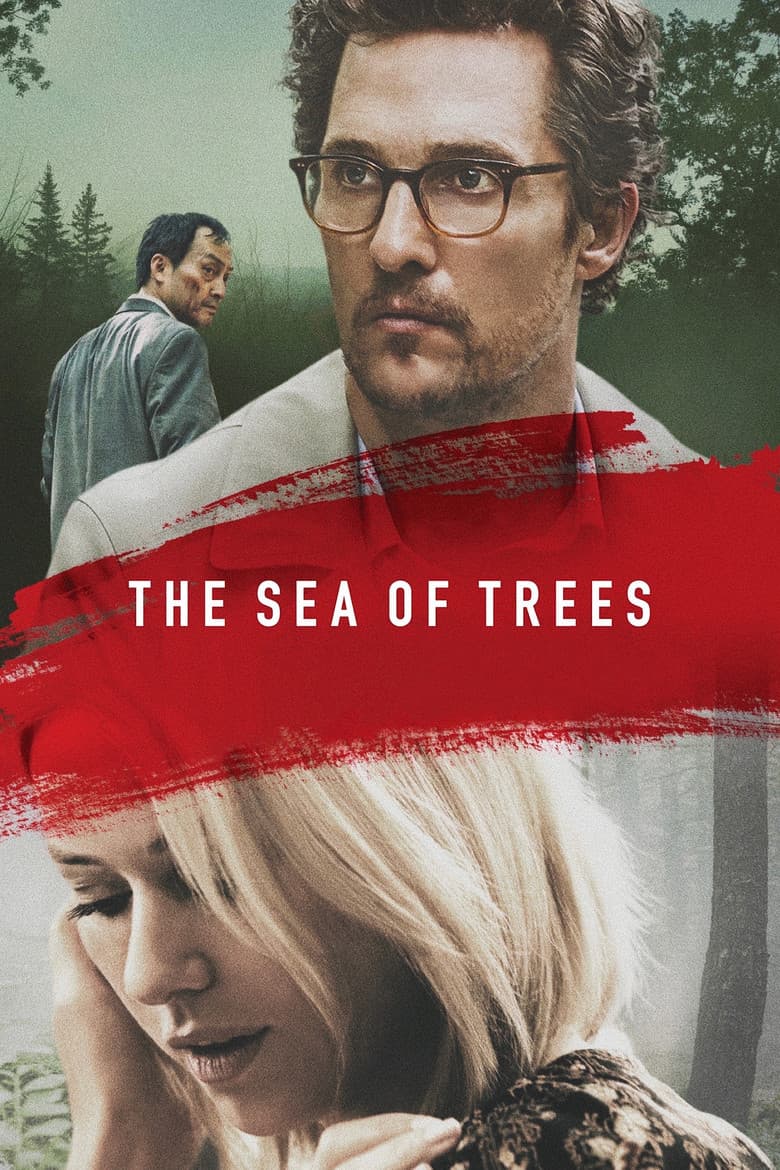
An American adjunct professor travels to Japan’s Aokigahara forest, known as a place where people go to end their lives. He plans to die there, then meets a lost Japanese stranger in the woods. As they struggle to survive, flashbacks show his marriage and the guilt he carries. The story moves from despair toward grief, guilt, and a sense of spiritual redemption. The stranger is later revealed as a spirit tied to the professor’s late wife.
The film focuses on private pain, marital failure, and questions about life after death, not on race, gender identity, or social justice politics. Dialogue stays on marriage conflict, suicide, survival, and afterlife ideas rather than activist speech. Casting fits the story and setting: an American couple and a Japanese man in Japan, without a diversity-first pattern. Spiritual and purgatory images appear, but the plot is a straight marital and spiritual story that uses the Japanese forest for mood and a final twist.
Community feedback
Was our 11% Woke rating accurate?
Breakdown
These are the editorial factors and ratings behind our score for The Sea of Trees.
Woke representation / casting
Not present. Leads fit the story and place as an American professor and wife and a Japanese man in Aokigahara, with no diversity-first casting pattern or identity marketing.
0%
Woke political dialogue
Not present. Dialogue centers on marriage conflict, guilt, suicide, survival, and afterlife metaphors rather than activist race, gender, or identity politics.
0%
Identity-driven story themes
Not present. Core themes are personal grief, marital failure, guilt, and spiritual redemption, with no race, gender-identity, queer, or social-justice plot engine.
0%
Western institutional / cultural critique
Not present. Money, affair, and alcohol fights stay private domestic drama and do not attack patriarchy, Western institutions, Christianity, or conservative norms.
0%
Woke character or canon changes
Not relevant. Original screenplay with no established characters, canon, or historical figures rewritten for identity reasons.
0%
Anti-woke backlash and complaints
Not present. Backlash was about quality and some cultural-sensitivity notes on Japan and Watanabe, not right-leaning “too woke” or DEI complaints.
0%
Creator track record context
Director Gus Van Sant is known for strong LGBTQ and identity-linked work such as Milk and When We Rise. Writer Chris Sparling and most producers and crew have low or no activist records. The higher context score comes mainly from Van Sant, not from a full activist team on this title.
55%
Production
Movie · 2017
Members of the Granite Mountain Hotshots battle deadly wildfires to save an Arizona town.
Movie · 2016
WWII American Army Medic Desmond T. Doss, who served during the Battle of Okinawa, refuses to kill people and becomes the first Conscientious Objector in American history to…
Movie · 2022
Based on a true tragedy, the emotionally triggering film sheds light on the plight of Kashmiri Pandits (Hindus), a religious minority in the 1990s Kashmir valley, who were…
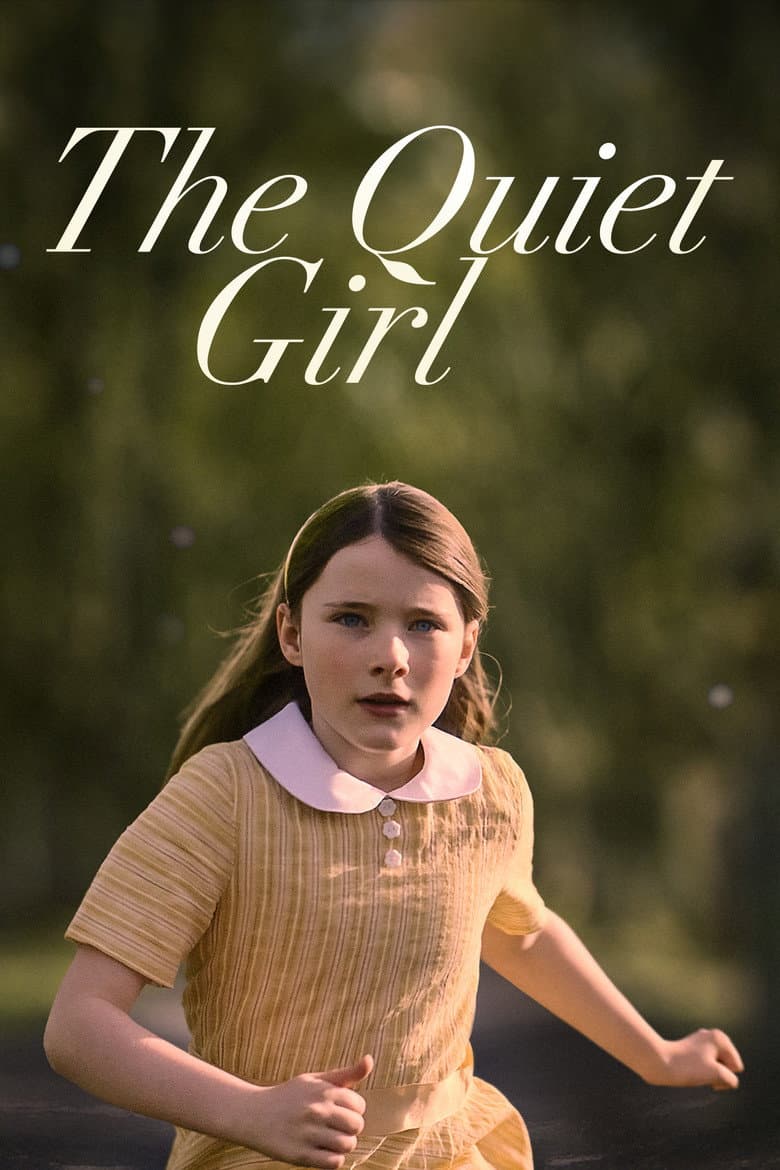
Movie · 2022
A quiet, neglected girl is sent away from her dysfunctional family to live with relatives for the summer. She blossoms in their care, but in this house where there are meant to be…

Movie · 2024
On the brink of the Second World War, a young Norwegian man's drive to resist the Nazis sets a new course for his future – and the future of his country.
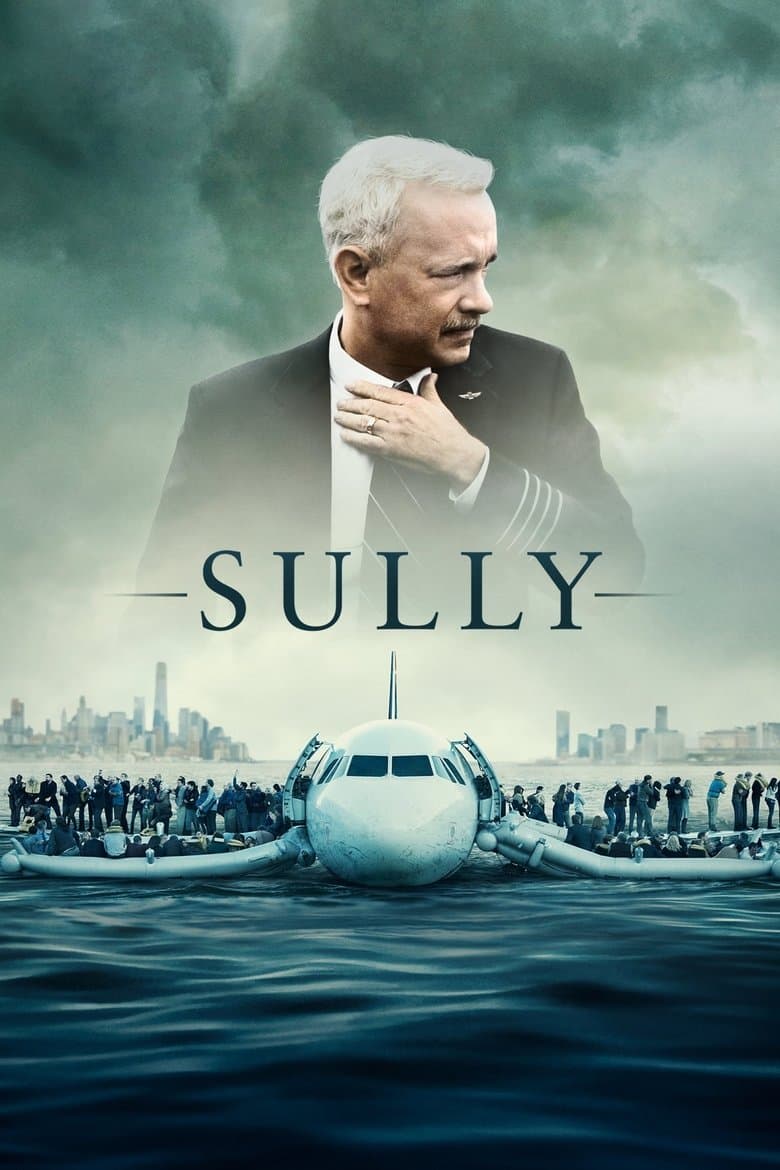
Movie · 2016
On 15 January 2009, the world witnessed the 'Miracle on the Hudson' when Captain 'Sully' Sullenberger glided his disabled plane onto the Hudson River, saving the lives of all 155…
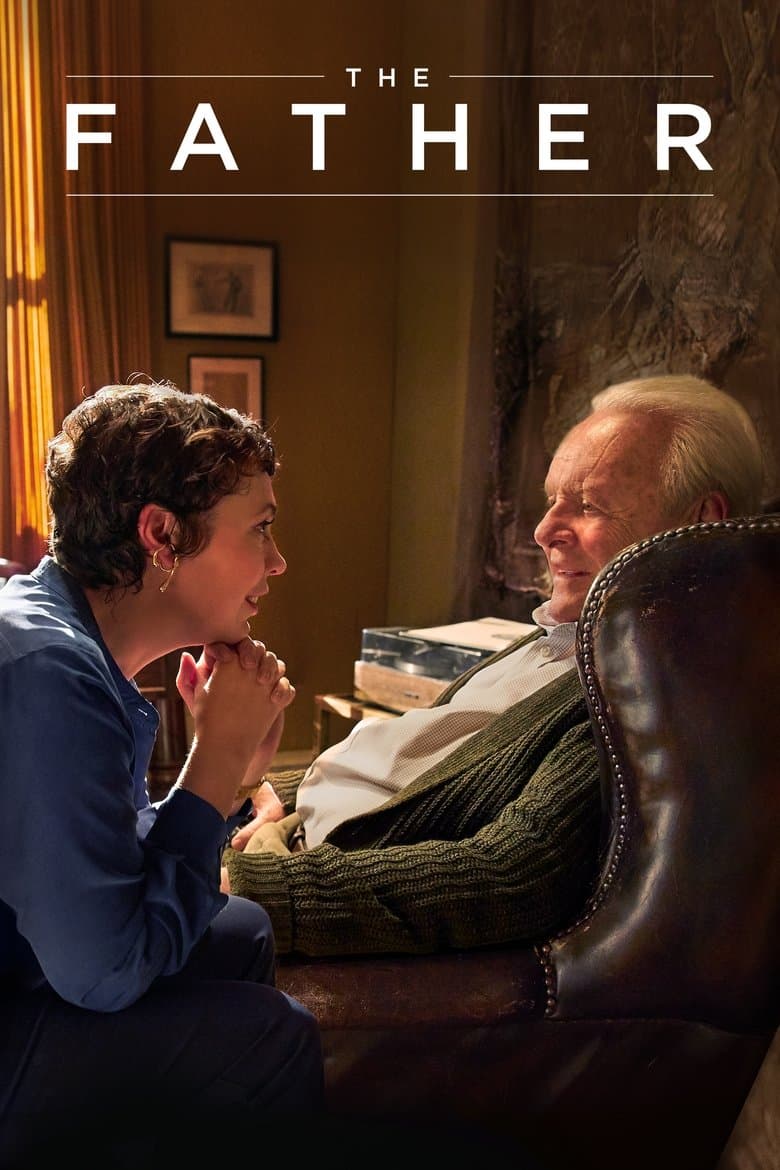
Movie · 2020
A man refuses all assistance from his daughter as he ages and, as he tries to make sense of his changing circumstances, he begins to doubt his loved ones, his own mind and even…
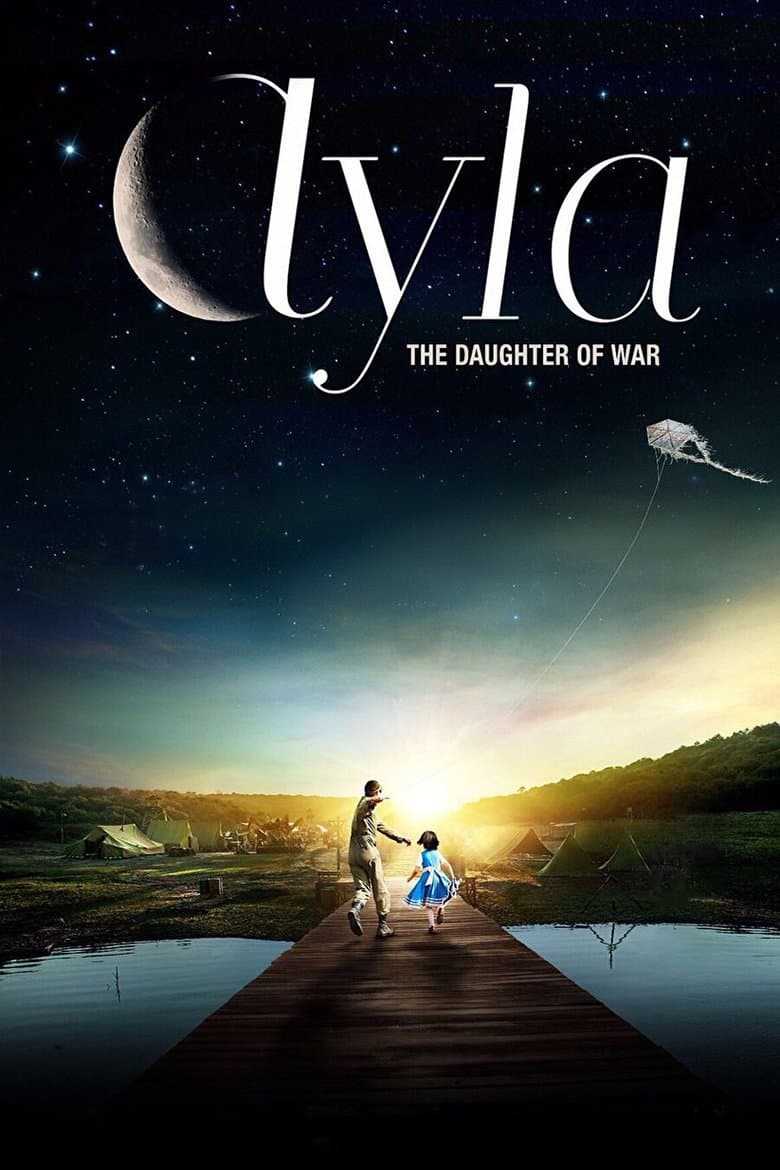
Movie · 2017
In 1950, amidst the ravages of the Korean War, Sergeant Süleyman stumbles upon a a half-frozen little girl, with no parents and no help in sight and he risks his own life to save…
