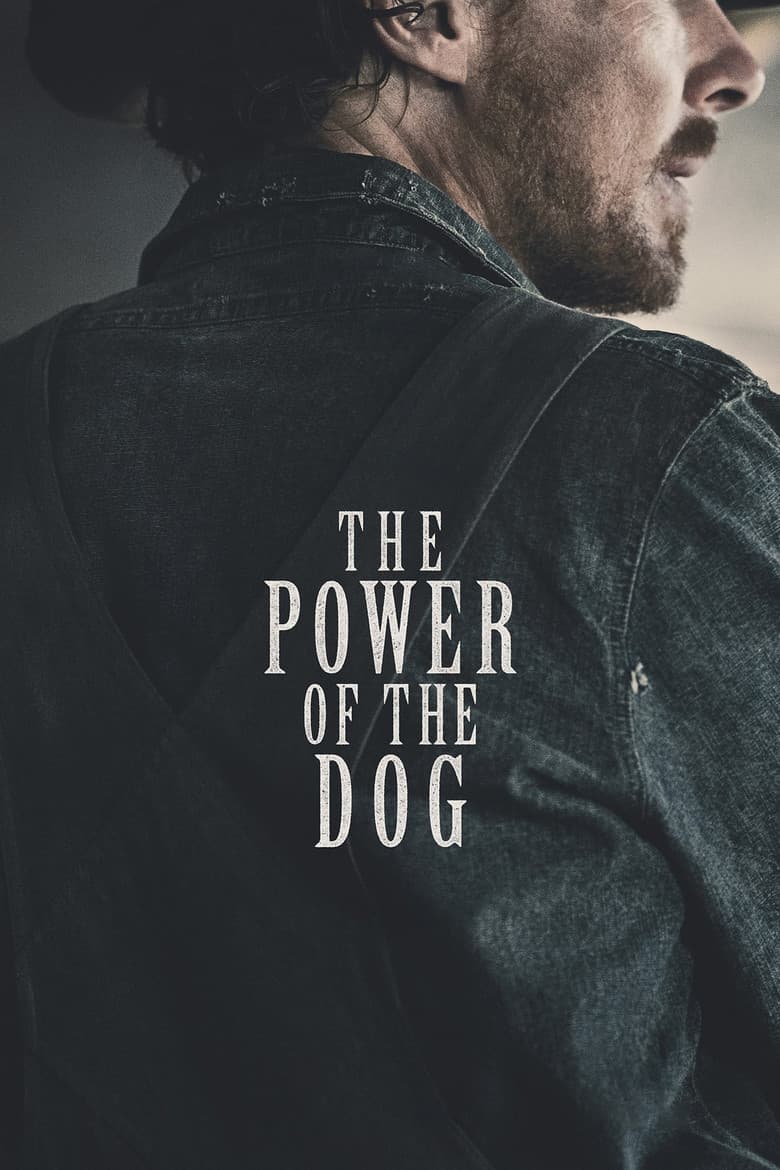
Jane Campion's film is a slow ranch drama set in 1925 Montana. Domineering Phil Burbank torments his brother George's new wife Rose and her son Peter. Phil hides a queer past tied to his dead mentor Bronco Henry, including private rituals with the mentor's scarf and hidden physique magazines. He forms a tense near bond with Peter that ends when Phil dies of anthrax after using a hide Peter supplied. Peter smiles as Rose begins to recover. The story centers power, cruelty, and sexual repression on a Western ranch.
Closeted homosexuality, homoerotic tension, and a takedown of cowboy manhood drive the plot rather than sit as a side note. The film treats performative male toughness as a cover for fear, cruelty, and repression, and shows Phil's ranch dominance as harmful to Rose. Dialogue stays as period ranch bullying and power talk, not modern activist slogans. Casting is largely period-plausible, with only a brief Shoshone trader role that fits the setting. Queer repression is front and center in how the story is built and sold, not an incidental detail.
Community feedback
Was our 84% Woke rating accurate?
Breakdown
These are the editorial factors and ratings behind our score for The Power of the Dog.
Woke representation / casting
The 1925 Montana ranch cast is mostly white and fits the time and place. A brief Shoshone trader role matches the setting. It is not a diversity-engineered lead pattern. There is no identity swap in the hero roles.
0%
Woke political dialogue
The talk is period ranch cruelty, bullying, and power. It is not modern activist slogans or DEI talking points. Identity politics show up more in behavior and implication than in speeches.
18%
Identity-driven story themes
The spine of the film is a closeted gay rancher, a past bond with mentor Bronco Henry, and homoerotic tension with Peter. It unmasks performative cowboy masculinity. Queer repression sits front and center. Modern toxic masculinity readings match how the story is built and sold.
84%
Western institutional / cultural critique
The myth of the tough natural cowboy is shown as a cover for fear, cruelty, and sexual repression. Traditional male dominance on the ranch harms Rose and is framed as corrosive rather than heroic. Campion and cast interviews underline that critique for contemporary audiences.
70%
Woke character or canon changes
Not relevant. Repressed homosexuality, Bronco Henry, and Phil's cruelty are already central in Savage's 1967 novel.
0%
Anti-woke backlash and complaints
High-profile pushback treated the film as a gay-cowboy agenda and anti-Western rewrite. Sam Elliott's rant about homosexuality allusions and a New Zealand woman director was the best known case. National Review-style man-hating charges and conservative media pickup followed. It was not a mass boycott, but the complaint was clear and lasting.
55%
Creator track record context
Jane Campion's career is strongly tied to feminist, women's-perspective, and patriarchy-critiquing work. She publicly framed this film around toxic masculinity and power. Novelist Savage is low-activist and producers are mild. Campion's authorship and messaging dominate.
66%
Production
Movie · 2025
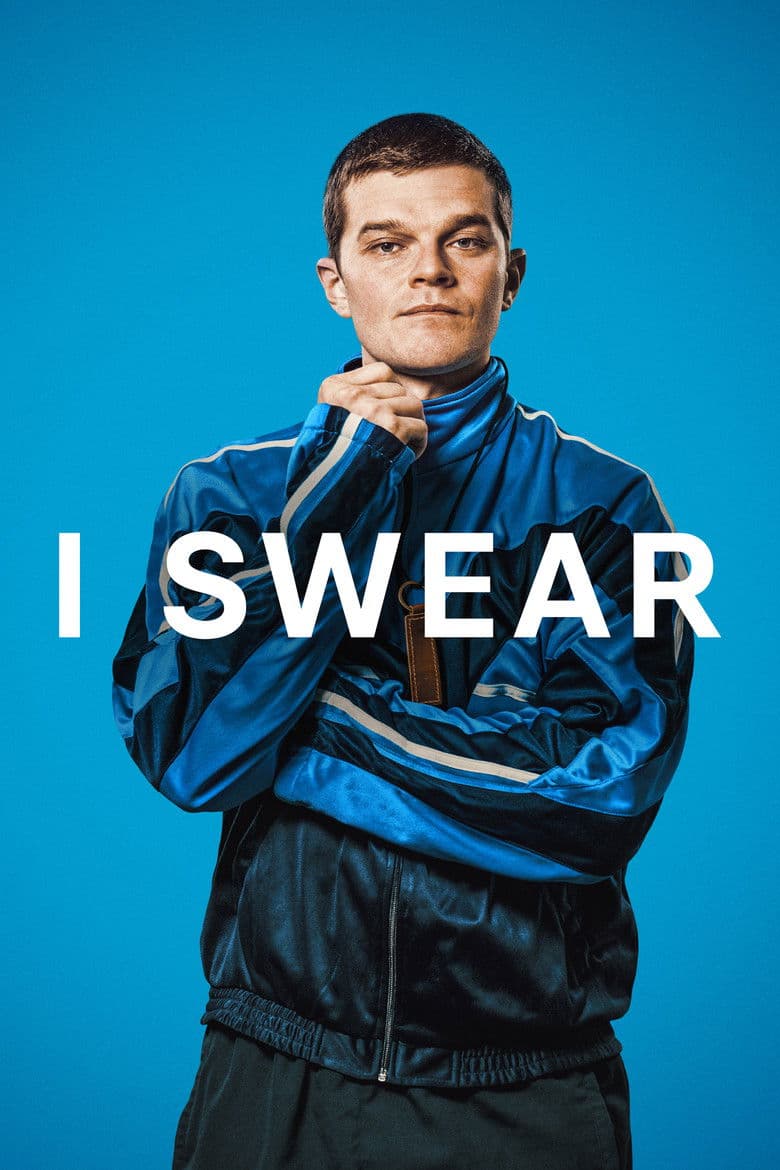
Diagnosed with Tourette Syndrome at 15, John Davidson navigates his way against the odds through troubled teenage years and into adulthood, finding inspiration in the kindness of…

Movie · 2023
The true story of the inseparable Von Erich brothers, who made history in the intensely competitive world of professional wrestling in the early 1980s.
Movie · 2023
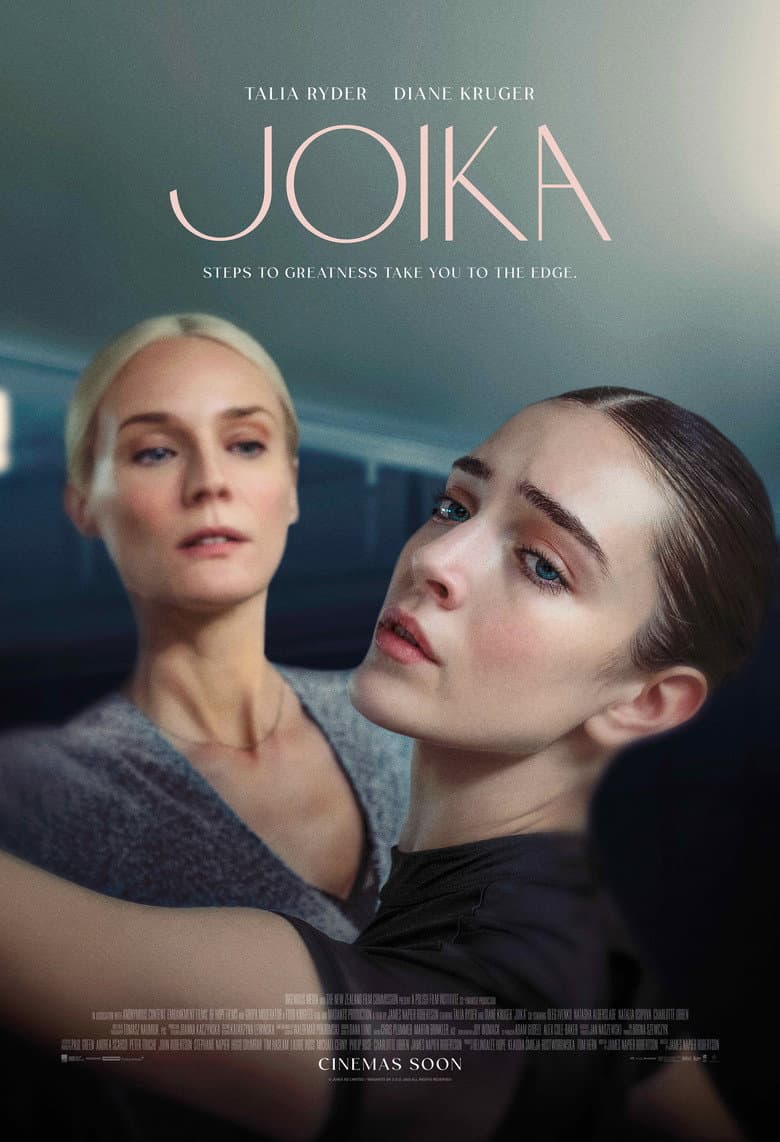
American ballet dancer Joy Womack is accepted into Moscow's infamously tough Bolshoi Ballet Academy, with the dream of becoming a great ballerina.
Movie · 2023
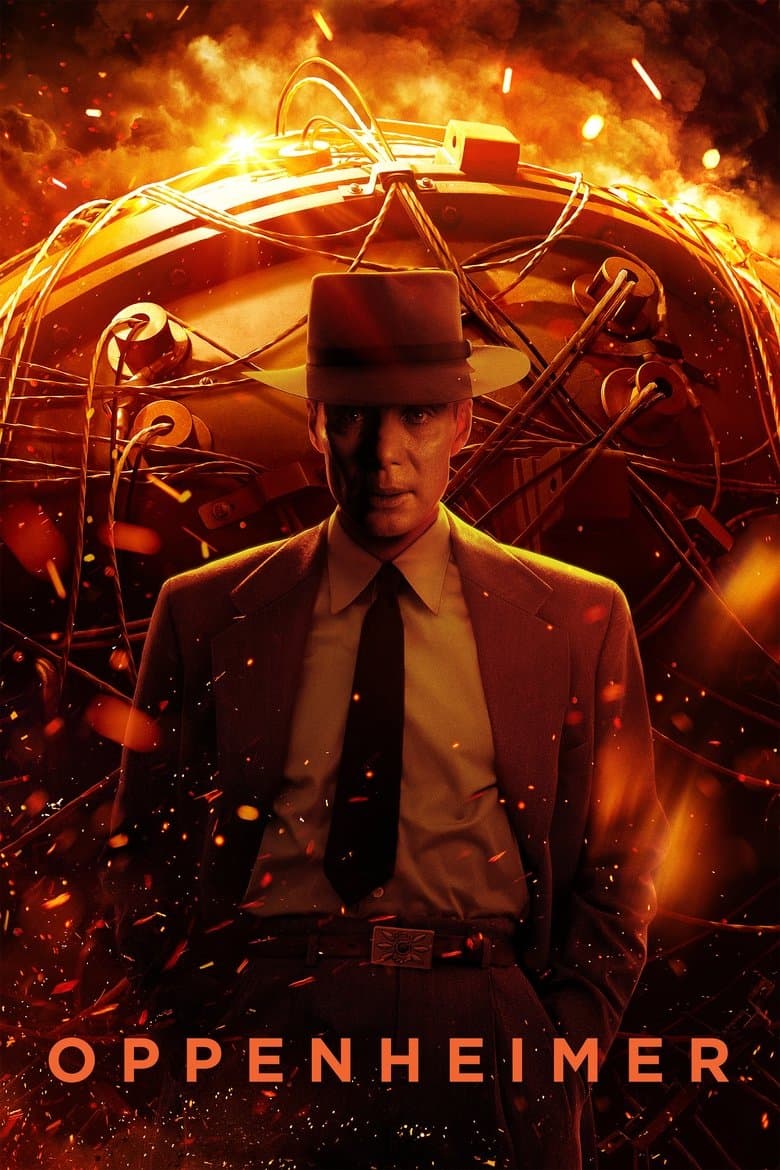
The story of J. Robert Oppenheimer's role in the development of the atomic bomb during World War II.

Movie · 2024
On the brink of the Second World War, a young Norwegian man's drive to resist the Nazis sets a new course for his future – and the future of his country.
Movie · 2025
A logger leads a life of quiet grace as he experiences love and loss during an era of monumental change in early 20th-century America.
Movie · 2016
WWII American Army Medic Desmond T. Doss, who served during the Battle of Okinawa, refuses to kill people and becomes the first Conscientious Objector in American history to…
Movie · 2022
London, 1953. Mr. Williams, a veteran civil servant, is an important cog within the city's bureaucracy as it struggles to rebuild in the aftermath of World War II.
