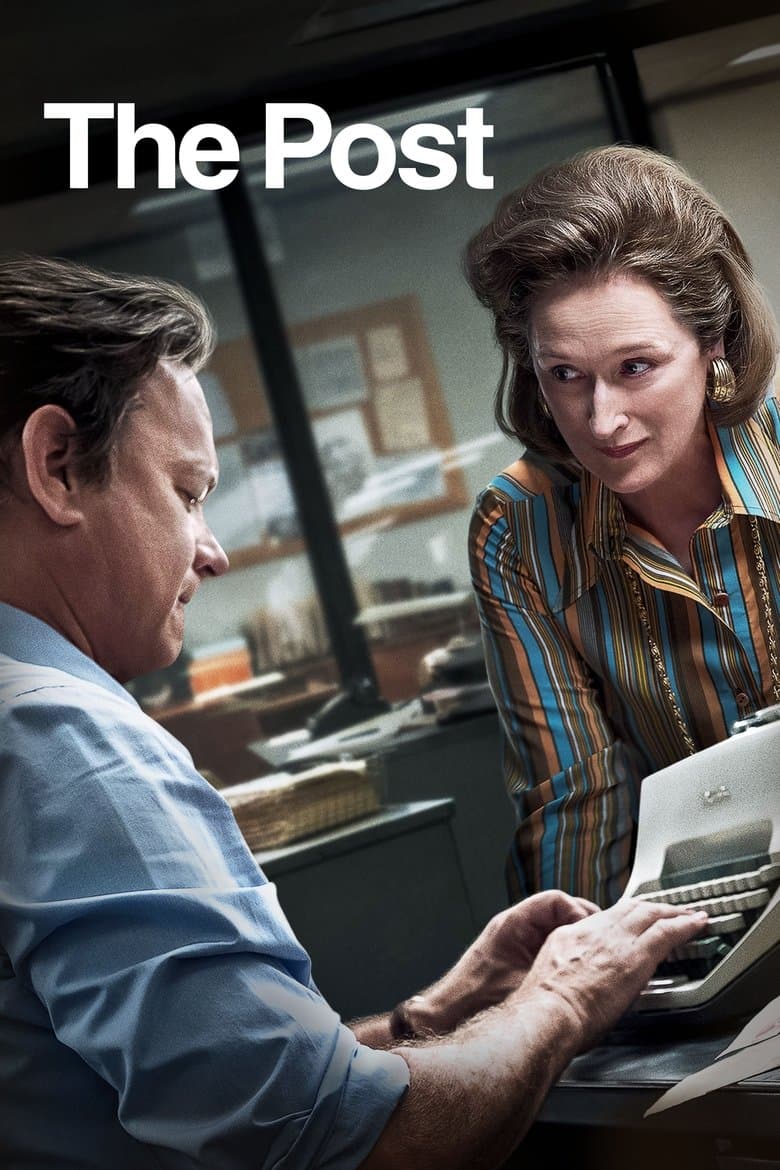
The Post is a 2017 historical drama about how a newspaper published secret government papers about the Vietnam War. It shows the first female publisher of the paper, Katharine Graham, making a risky choice to print the truth. The movie has a strong theme of female empowerment as she learns to speak up in a male-dominated business. The filmmakers also made the story of fighting a corrupt president feel like a modern political message.
Community feedback
Was our 37% Woke rating accurate?
Breakdown
These are the editorial factors and ratings behind our score for The Post.
Woke representation / casting
The casting is historically accurate, representing actual figures from the 1970s. The newsroom and boardroom are populated almost entirely by white men, in keeping with historical reality. No modern race- or gender-swaps are present. Meryl Streep plays Katharine Graham. This is a standard, faithful historical recreation with no diversity quotas or identity-signaling cast choices.
0%
Woke political dialogue
The dialogue includes themes of 1970s female empowerment, with characters explicitly discussing how Katharine Graham is ignored or spoken over by her male advisors. While historically grounded, the dialogue leans heavily into critiques of male-dominated corporate structures and patriarchy. There is no modern progressive activist jargon, but the feminist talking points are central to her character's development.
Production
28%
Identity-driven story themes
The film places a strong emphasis on Katharine Graham's personal journey to find her voice in a male-dominated business world. While her struggle is historical, the narrative frames her decision to publish the Pentagon Papers as a triumph of female leadership over patriarchal suppression. The screenplay was fast-tracked and written specifically to resonate with modern gender and press-freedom debates.
35%
Western institutional / cultural critique
Traditional 1970s gender roles and patriarchal corporate settings are portrayed as flawed and dismissive of women. The movie also acts as a highly self-congratulatory celebration of the media as a moral authority, which conservative critics noted was heavily framed as an indirect, contemporary critique of the Trump administration's interactions with the press, rather than just a historical study of Nixon.
28%
Woke character or canon changes
Not relevant. The movie adheres to historical events and real-life figures, with only typical Hollywood dramatic compression. There are no ideological or DEI-driven alterations to established history or real people.
0%
Anti-woke backlash and complaints
Some conservative commentators and right-leaning viewers criticized the film as a piece of self-righteous "liberal hagiography" and Hollywood-funded propaganda. These critics argued that the movie was rushed into production to serve as an anti-Trump political statement rather than a balanced historical drama. However, this backlash remained relatively minor and did not dominate mainstream discussion.
22%
Creator track record context
The key creative team has a mild, mainstream Hollywood track record. Director Steven Spielberg and writer Josh Singer focus on broad humanist and historical stories. Writer Liz Hannah and producers like Kristie Macosko Krieger have low-key, non-activist profiles. Their collective output leans center-left but avoids modern progressive activism.
20%
Movie · 2016
On 15 January 2009, the world witnessed the 'Miracle on the Hudson' when Captain 'Sully' Sullenberger glided his disabled plane onto the Hudson River, saving the lives of all 155…
Movie · 2017
In 1950, amidst the ravages of the Korean War, Sergeant Süleyman stumbles upon a a half-frozen little girl, with no parents and no help in sight and he risks his own life to save…
Movie · 2020
A man refuses all assistance from his daughter as he ages and, as he tries to make sense of his changing circumstances, he begins to doubt his loved ones, his own mind and even…
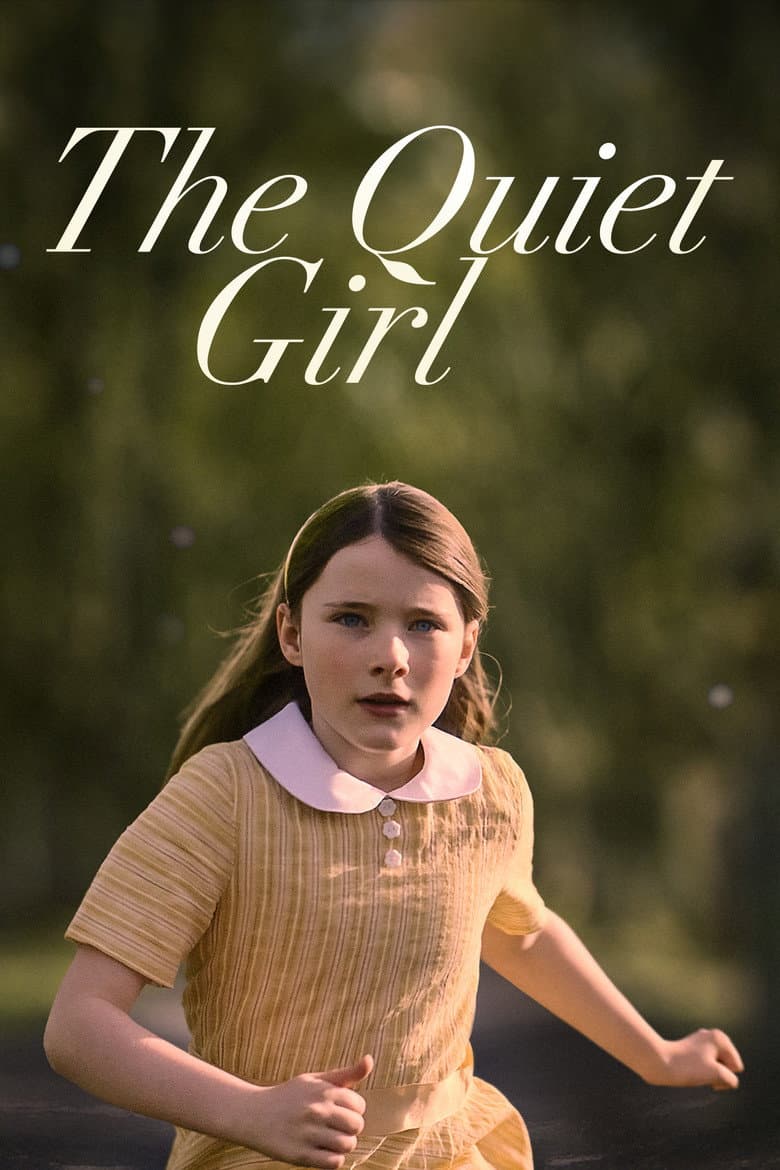
Movie · 2022
A quiet, neglected girl is sent away from her dysfunctional family to live with relatives for the summer. She blossoms in their care, but in this house where there are meant to be…
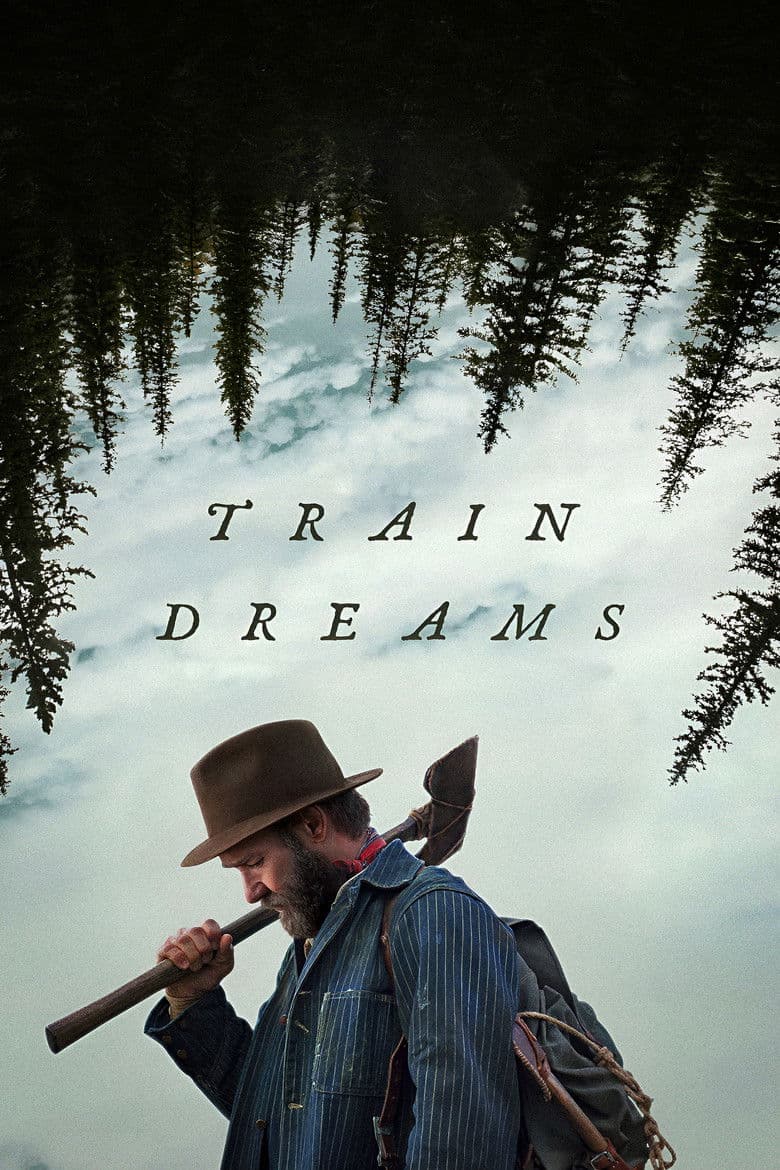
Movie · 2025
A logger leads a life of quiet grace as he experiences love and loss during an era of monumental change in early 20th-century America.
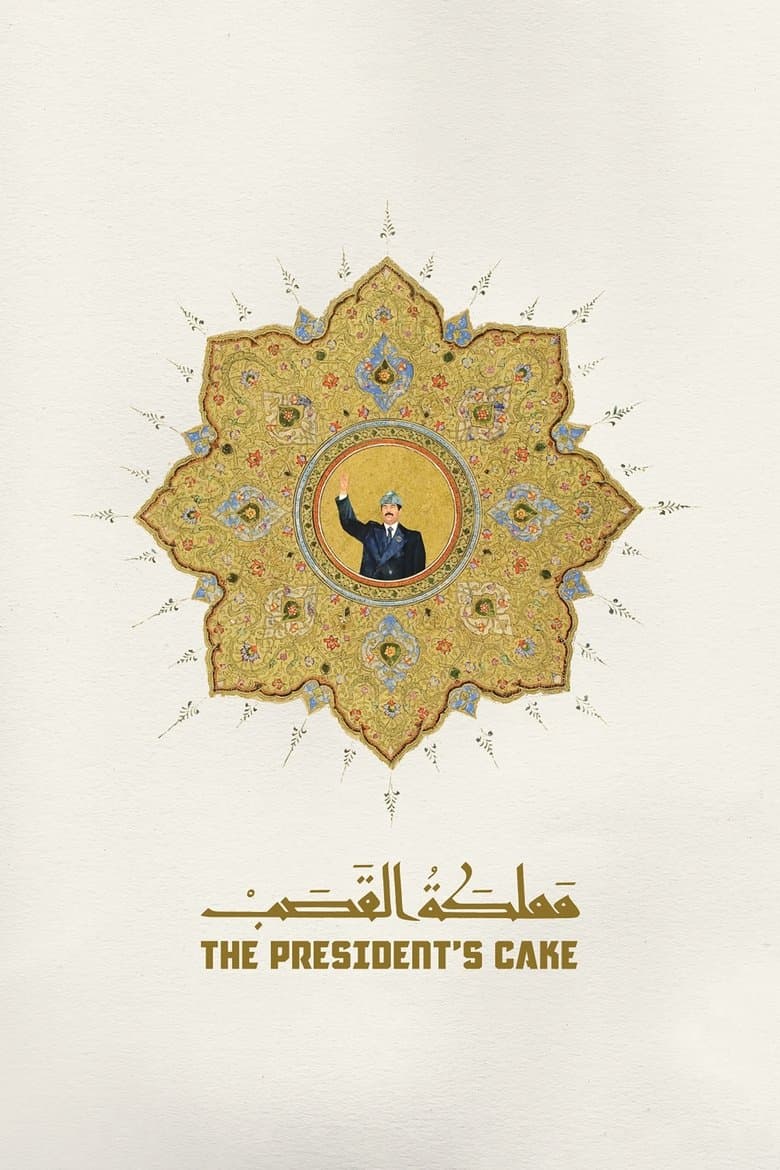
Movie · 2026
While people across 1990s Iraq struggle to survive the war and food shortages, Saddam Hussein requires each school in the country to prepare a cake to celebrate his birthday.
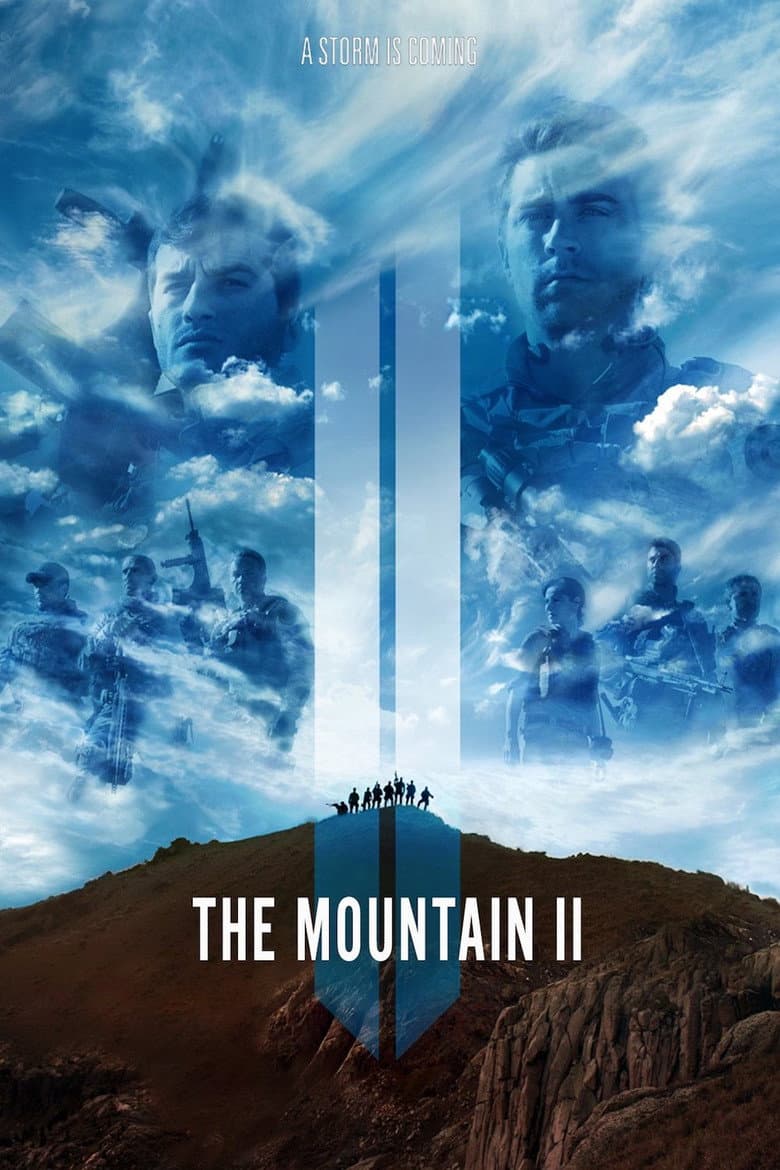
Movie · 2016
In a desolate war zone where screams of the innocent echo, on the very line between disaster and valor, 7 Maroon Berets will dance with death.
Movie · 2017
Members of the Granite Mountain Hotshots battle deadly wildfires to save an Arizona town.
