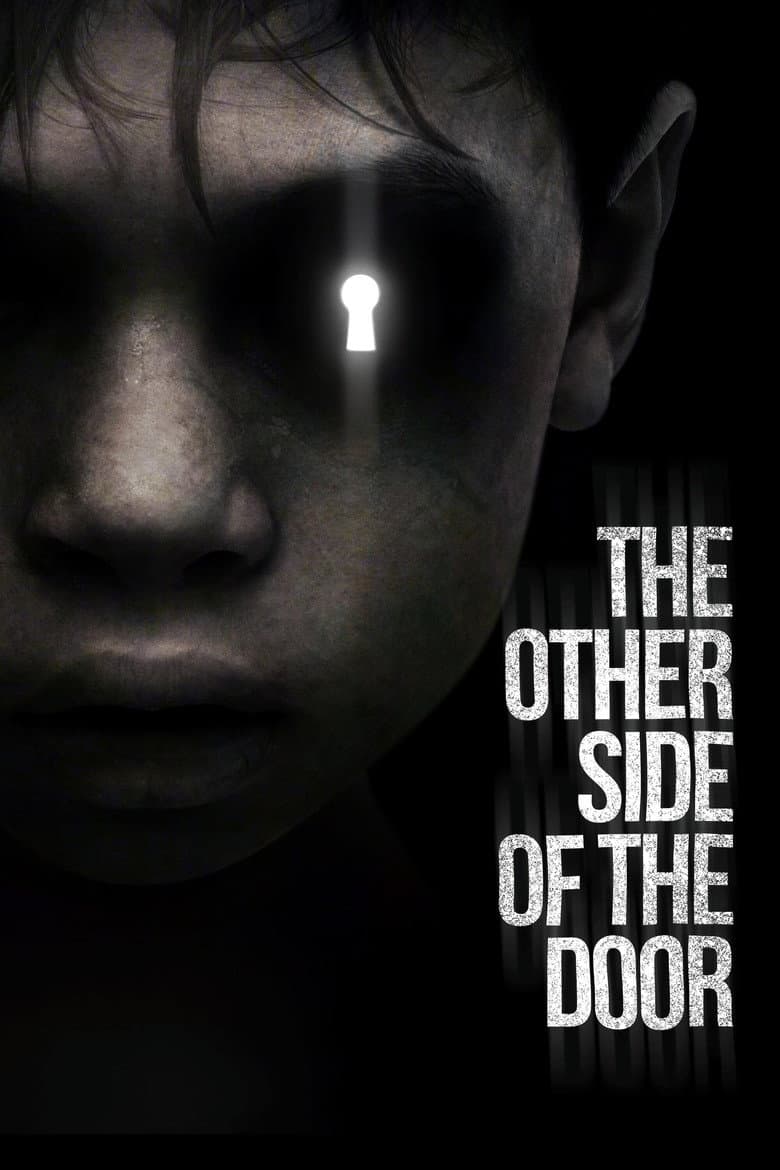
American expatriate Maria Harwood lives in Mumbai with her husband Michael and their daughter Lucy. She is crushed by guilt after her young son Oliver drowns in a car accident she could not reverse. Their Indian housekeeper Piki tells her about a ruined temple where the living may speak to the dead if they never open the door. Maria breaks that rule, and Oliver’s spirit returns corrupted. He threatens Lucy, and the household is pulled into a fight with possession, Aghori ritualists, and Mrtyu, a gatekeeper of the underworld.
The film is a grief-centered supernatural chiller in the vein of Pet Sematary, not a social-message movie. Its core themes are maternal grief, forbidden ritual, and the price of defying sacred boundaries. Hindu afterlife folklore and Aghori imagery work as horror machinery rather than modern identity politics. There is no activist dialogue, identity-first casting push, or progressive agenda on screen. Michael’s disbelief and locking Maria away play as a standard horror beat about a spouse who thinks the haunted parent is crazy.
Community feedback
Was our 1% Woke rating accurate?
Breakdown
These are the editorial factors and ratings behind our score for The Other Side of the Door.
Woke representation / casting
Not present. Leads are an American expat family in Mumbai matching the premise, and Indian supporting roles fit the setting without diversity-statement casting.
0%
Woke political dialogue
Not present. Talk stays on grief, guilt, temple rules, and the supernatural threat, with no activist or identity-politics speech.
0%
Identity-driven story themes
Not present. Themes are maternal grief, forbidden ritual, and broken sacred rules, with Hindu and Aghori elements used as horror tools, not social-justice messaging.
0%
Western institutional / cultural critique
Not present. The spouse who locks the haunted parent away is a standard horror beat, not a sustained attack on patriarchy, Western institutions, or traditional family norms.
0%
Woke character or canon changes
Not relevant. Original story, not an adaptation rewritten along identity lines.
0%
Anti-woke backlash and complaints
Not present. No meaningful anti-woke campaign called the film DEI propaganda, while left-side cultural-sensitivity criticism is outside this factor.
0%
Creator track record context
Key creatives have low cached scores and mainly commercial horror credits. There is no clear record of activist or identity-driven projects. That background supports a near-floor score rather than a strong creator-politics signal.
5%
Production
Movie · 2026
College student Lucy and her friends spend their vacation at her family's home in Hawaii, which includes her pet chimpanzee, Ben.

Movie · 2017
Two sisters on Mexican vacation are trapped in a shark observation cage at the bottom of the ocean, with oxygen running low and great whites circling nearby, they have less than…
Movie · 2016
An evening of drunken prank calls becomes a nightmare for a pair of teenagers when a mysterious stranger turns their own game against them.
Movie · 2018
A man recently released from a mental institute inherits a mansion after his parents die. After a series of disturbing events, he comes to believe it is haunted.
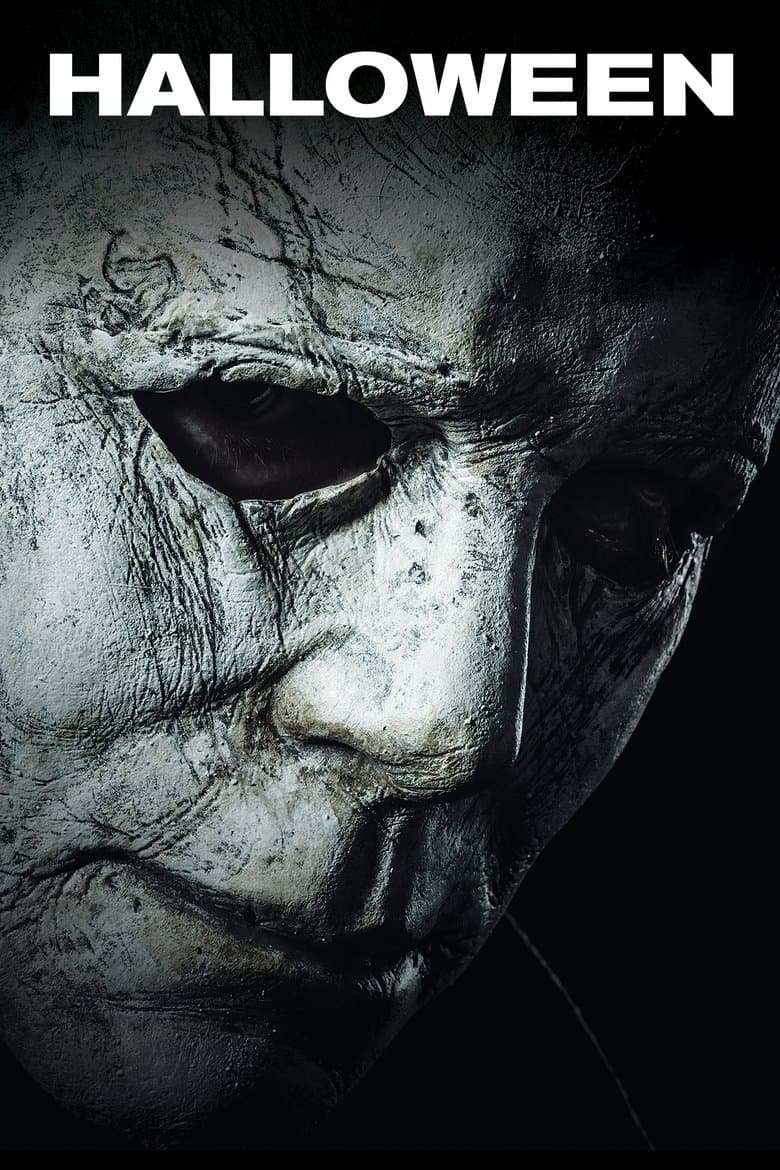
Movie · 2018
Laurie Strode comes to her final confrontation with Michael Myers, the masked figure who has haunted her since she narrowly escaped his killing spree on Halloween night four…
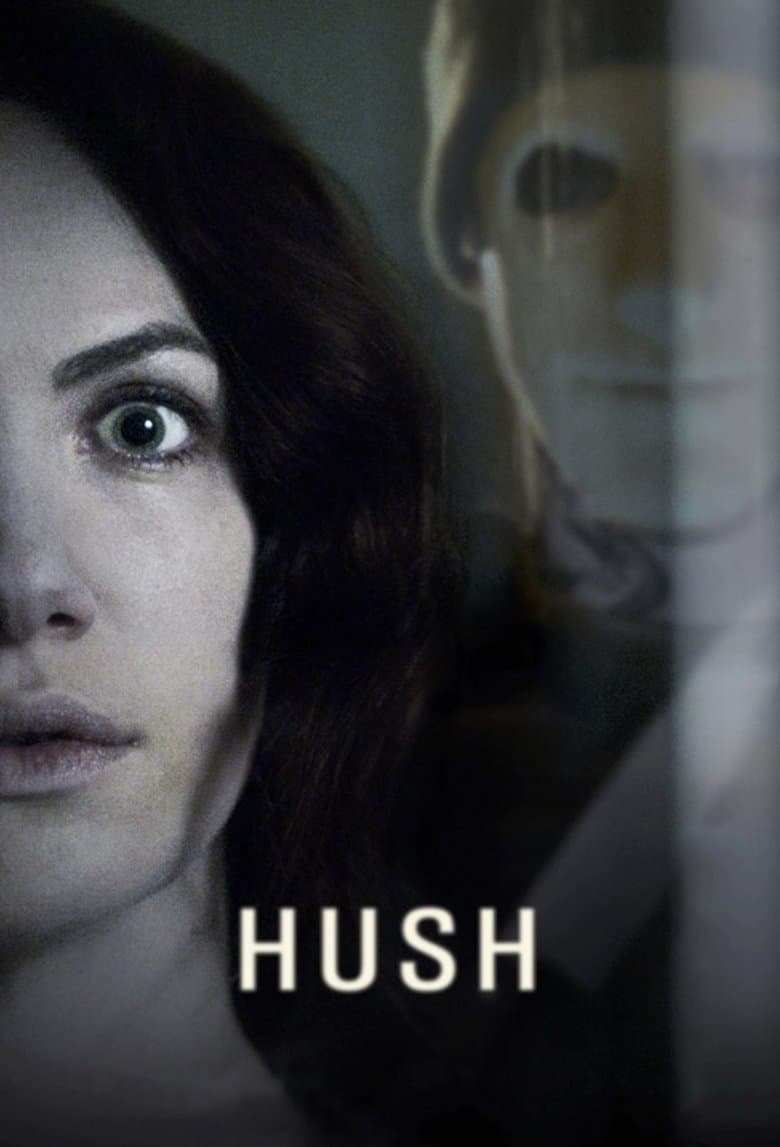
Movie · 2016
A deaf woman is stalked by a psychotic killer in her secluded home.
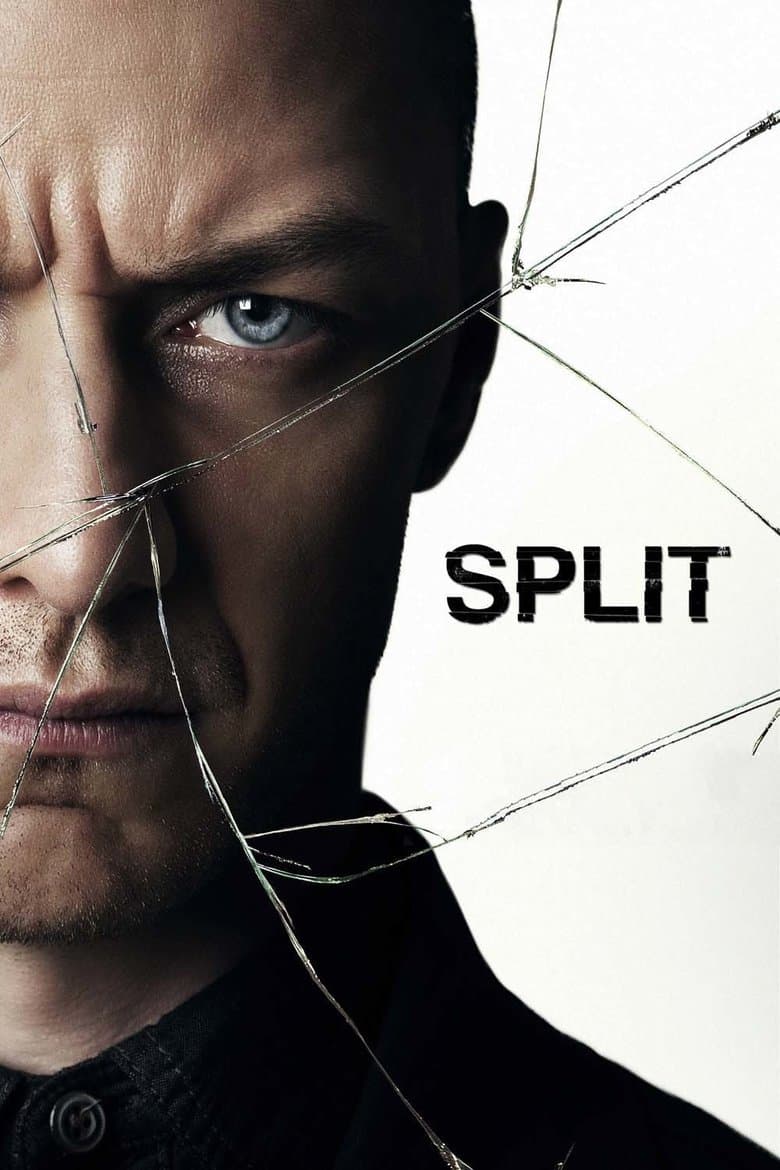
Movie · 2017
Though Kevin has evidenced 23 personalities to his trusted psychiatrist, Dr. Fletcher, there remains one still submerged who is set to materialize and dominate all the others.
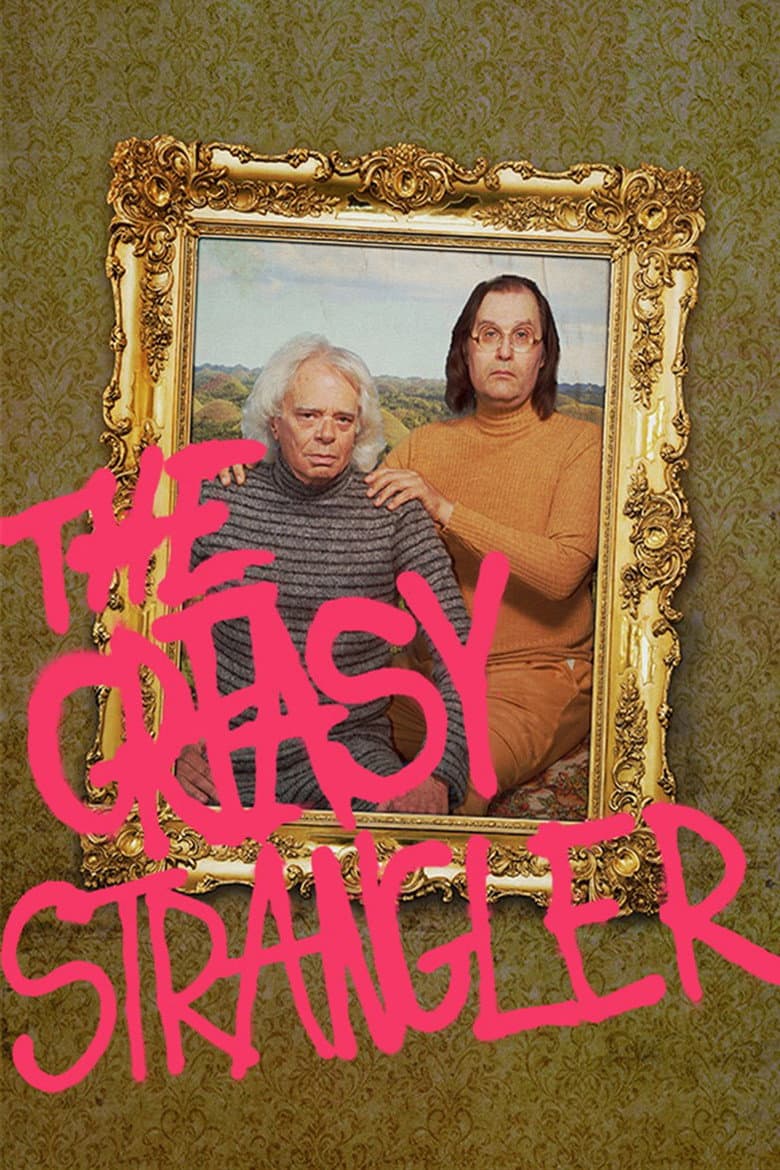
Movie · 2016
Ronnie runs a Disco walking tour with his son, Brayden. When a sexy woman takes the tour, it begins a competition between father and son for her love.
