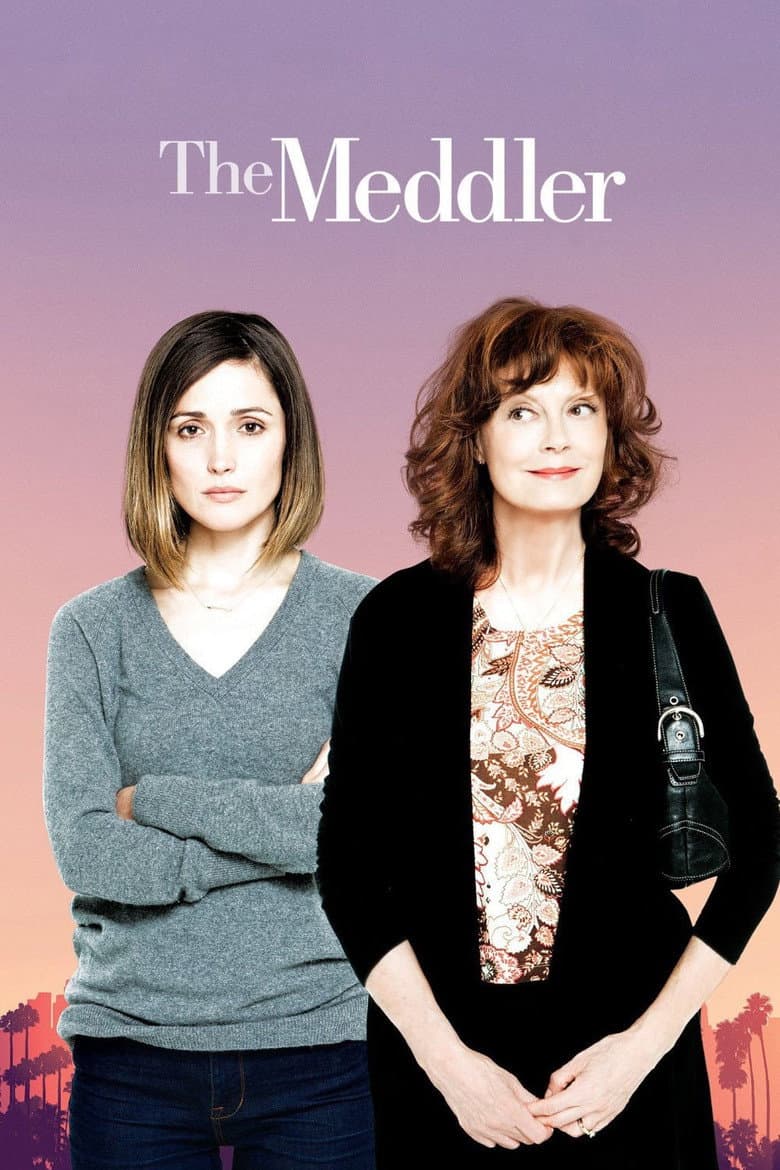
The Meddler is a warm comedy-drama about Marnie Minervini, a recently widowed New Jersey mother who moves to Los Angeles to be near her adult daughter Lori. Lori is a TV writer still dealing with the same loss. Marnie’s constant calls, drop-ins, and unasked help push Lori to set boundaries. Left with time, money, and loneliness, Marnie pours her care into strangers. She drives an Apple Store worker to night classes, volunteers at a hospital, plans and pays for a friend’s wedding, and slowly opens up to a retired cop named Zipper.
The story centers on grief, mother and daughter friction, loneliness, and finding purpose through generosity. It is not built around modern identity politics, systemic oppression, or activist attacks on institutions. The main audience-visible identity note is that Marnie funds a lesbian friend’s wedding as one more act of open-handed meddling, not as a coming-out or rights story. A Black Apple employee she mentors and a women-led focus on an older widow add light supporting presence. Talk stays on boundaries, grief, dating, and everyday meddling.
Community feedback
Was our 28% Woke rating accurate?
Breakdown
These are the editorial factors and ratings behind our score for The Meddler.
Woke representation / casting
The modern L.A. supporting cast includes a Black Apple employee Marnie mentors and a lesbian couple whose wedding she funds. The leads fit the New Jersey mother and daughter premise. Queer supporting presence lifts this above zero. There is no lead-level race or gender swap or quota-style friend group.
24%
Woke political dialogue
Not present. No audience-visible activist, DEI, systemic-racism, or identity-politics dialogue. Talk centers on boundaries, grief, dating, and everyday meddling.
0%
Identity-driven story themes
The core story is grief and mother-daughter reconnection, not identity activism. The confirmed lesbian wedding subplot and a women-led study of an older widow add light visibility weight. The film does not build its arc around queer struggle, race politics, or empowerment ideology.
22%
Western institutional / cultural critique
Not present. No modern activist attack on patriarchy, whiteness, capitalism, traditional family as oppression, or Christianity. Zipper is a sympathetic male love interest, and institutions are not the villains.
0%
Woke character or canon changes
Not relevant. Original story, not an adaptation of established canon or historical figures.
0%
Anti-woke backlash and complaints
There was no meaningful too-woke campaign. Isolated review language treated the lesbian wedding as audience-pandering open-mindedness. Reception was otherwise mainstream-positive on family and grief terms.
10%
Creator track record context
Writer-director Scafaria’s profile is moderate-low through character-driven relationship stories. Star and producer Susan Sarandon’s long progressive activist profile is high and raised the average among key creatives. Other producers run lower or mixed. Track records support progressive adjacent industry context more than an identity-driven title.
40%
Production

Movie · 2018
An American hypochondriac who is working as a baggage handler is forced to confront his fears when a British teenager with a terminal illness enlists him to help her carry out her…
Movie · 2019
Ten fishermen from Cornwall are signed by Universal Records and achieve a top ten hit with their debut album of Sea Shanties.

Movie · 2023
The true story of how Dave Fishwick, a working class man and self-made millionaire, fought to set up a community bank so that he could help the local businesses of Burnley not…
Movie · 2022
Maurice Flitcroft, a dreamer and unrelenting optimist, managed to gain entry to The British Open Golf Championship qualifying in 1976 and subsequently shot the worst round in Open…

Movie · 2025
An eccentric lottery winner who lives alone on a remote island tries to make his fantasies come true by getting his favourite musicians to perform at his home.
Movie · 2017
Brigsby Bear Adventures is a children's TV show produced for an audience of one: James. When the show abruptly ends, James's life changes forever, and he sets out to finish the…
Movie · 2016
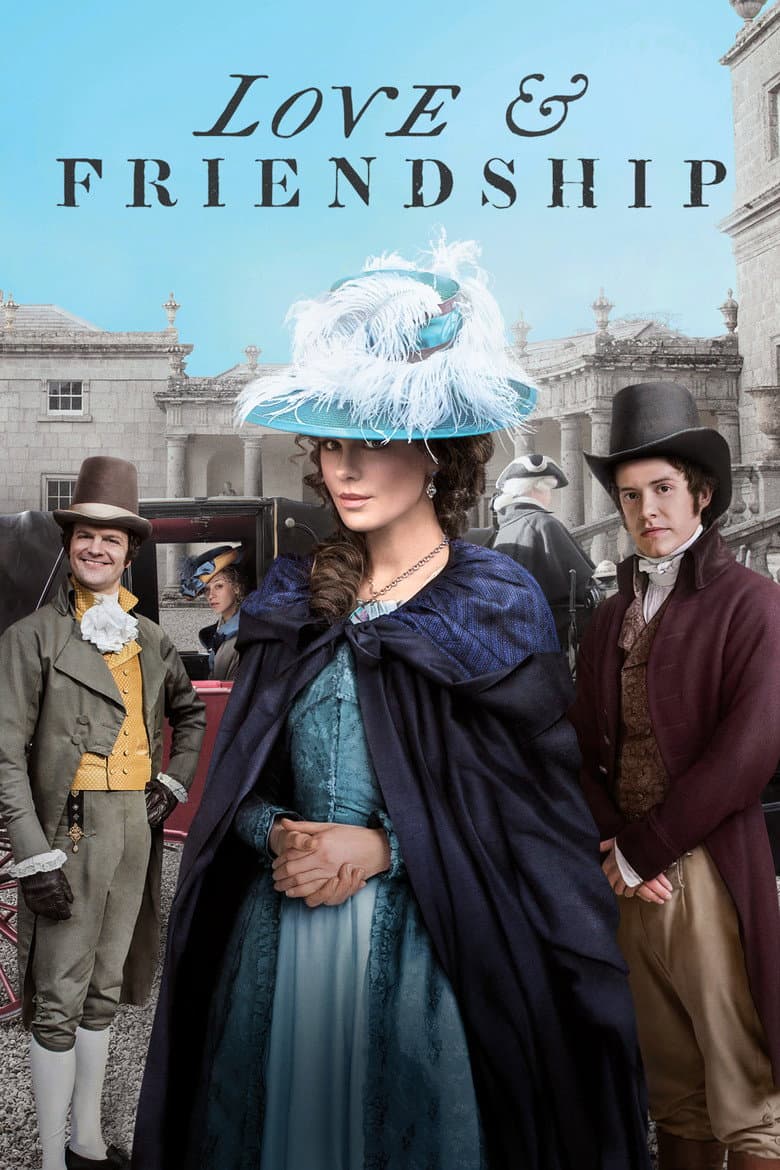
From Jane Austen’s novella, the beautiful and cunning Lady Susan Vernon visits the estate of her in-laws to wait out colorful rumors of her dalliances and to find husbands for…

Movie · 2021
Veteran comedy writer Charlie Berns, who is slowly but surely losing his grip on reality, befriends a talented young New York street singer Emma Payge.
