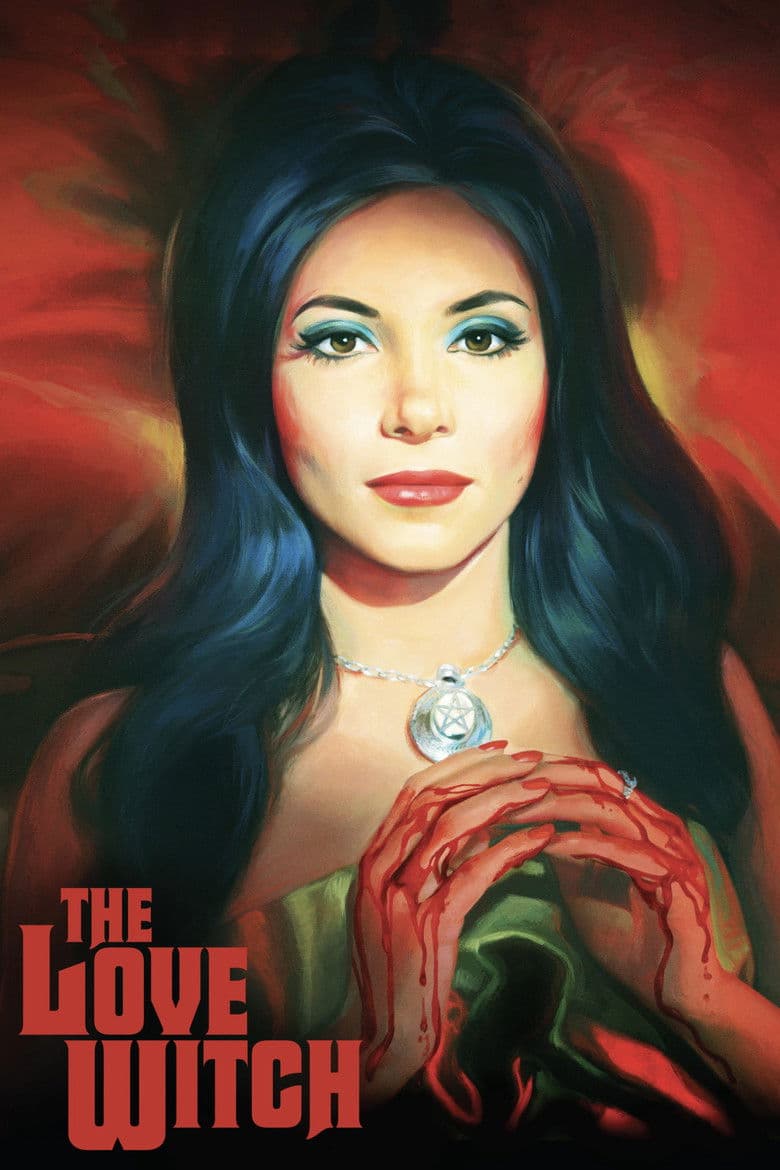
The Love Witch is a retro Technicolor horror-comedy about Elaine, a glamorous modern witch who uses spells and potions to force men into obsessive love. The magic drives those men mad, violent, or dead. She moves to a quiet California town looking for real devotion. She keeps repeating the same deadly cycle instead.
Through campy 1960s styling, the story explores female desire and how women are treated as objects under male power. It also treats biological womanhood as central to magic, including the womb and menstrual blood. It shows how idealized romance harms both men and women. Patriarchy and the female experience drive the plot, not side details.
Community feedback
Was our 81% Woke rating accurate?
Breakdown
These are the editorial factors and ratings behind our score for The Love Witch.
Woke representation / casting
Not present. The cast is mostly white and styled for a deliberate 1960s Technicolor glamour look. There is no diversity-first casting. There are no identity swaps. The cast is not marketed as a representation statement.
0%
Woke political dialogue
Characters openly debate gender roles, female objectification, and men’s emotional limits. Elaine talks about catering to male fantasies. Friend Trish pushes back with feminist views. Coven talk links witchcraft to fear of female sexuality. Elaine’s tampon monologue addresses men’s disgust at women’s bodies.
52%
Identity-driven story themes
The whole film is a feminist gender allegory. It treats the witch as a stand-in for woman and sets female desire against male projection. It shows objectification that empties the self and celebrates biological female power through the womb and menstrual blood in magic. Patriarchy and the female experience drive the plot and structure.
80%
Western institutional / cultural critique
The story frames traditional romance scripts and male entitlement as destructive. Men want a perfect fantasy woman and then collapse when forced to feel real love. Women’s lives are warped by being treated as sex objects. The film critiques toxic masculinity and rigid gender norms more than churches, markets, or the state.
72%
Woke character or canon changes
Not relevant. This is an original story, not an adaptation of prior characters or history.
0%
Anti-woke backlash and complaints
There was no major right-leaning or anti-woke campaign. Some viewers said the feminist messaging felt heavy-handed. Mainstream coverage was mostly critical praise. Left-side TERF or bio-essentialist attacks are not counted here.
8%
Creator track record context
Writer Anna Biller also directed, designed, and edited the film. She is known for consciously feminist work such as Viva and this film. Her interviews discuss patriarchy, female gaze, and objectification. Listed assistant directors and producers have no activist profile. Her strong feminist track record drives this factor.
68%
Production
Movie · 2022
A disgraced internet personality attempts to win back his followers by livestreaming one night alone in a haunted house.
Movie · 2019
A struggling musician realizes he's the only person on Earth who can remember The Beatles after waking up in an alternate reality where the group was forgotten.
Movie · 2023
An American family fulfills their dream of moving back to their roots after inheriting a remote cabin in the mountains of Norway. But there's a surprise waiting for them.
Movie · 2023
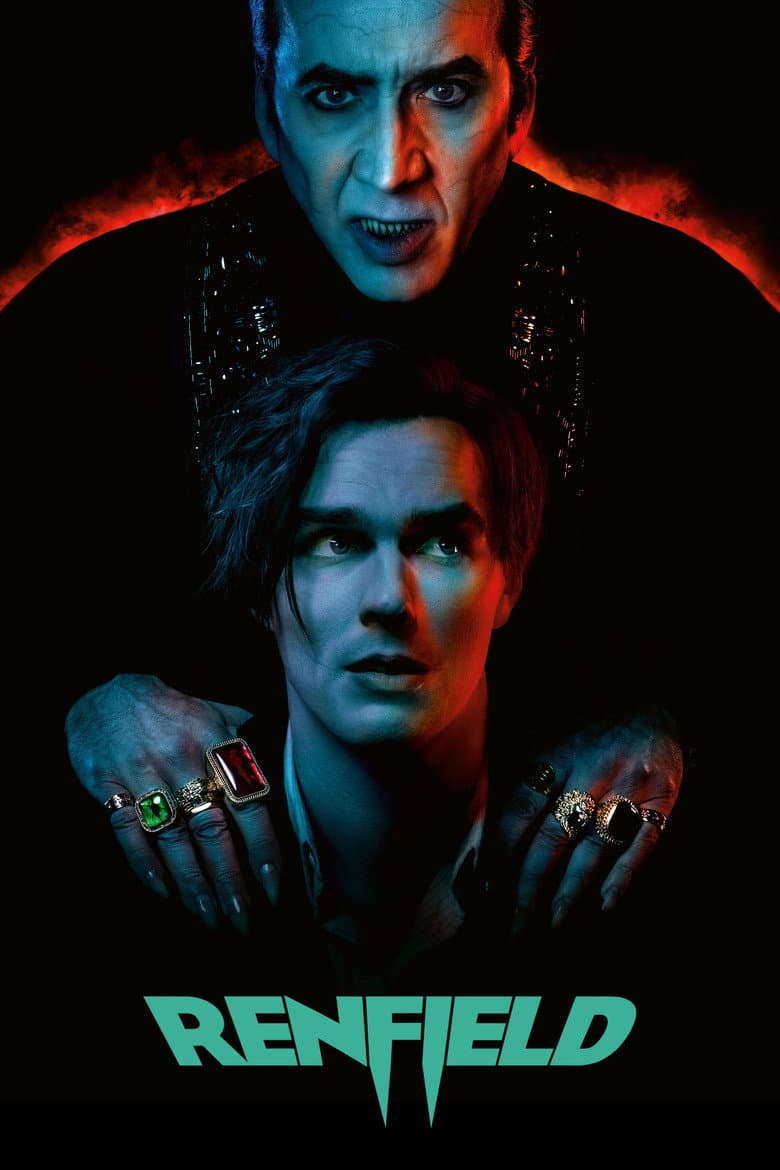
Having grown sick and tired of his centuries as Dracula's lackey, Renfield finds a new lease on life — and maybe even redemption — when he falls for feisty, perennially angry…
Movie · 2018
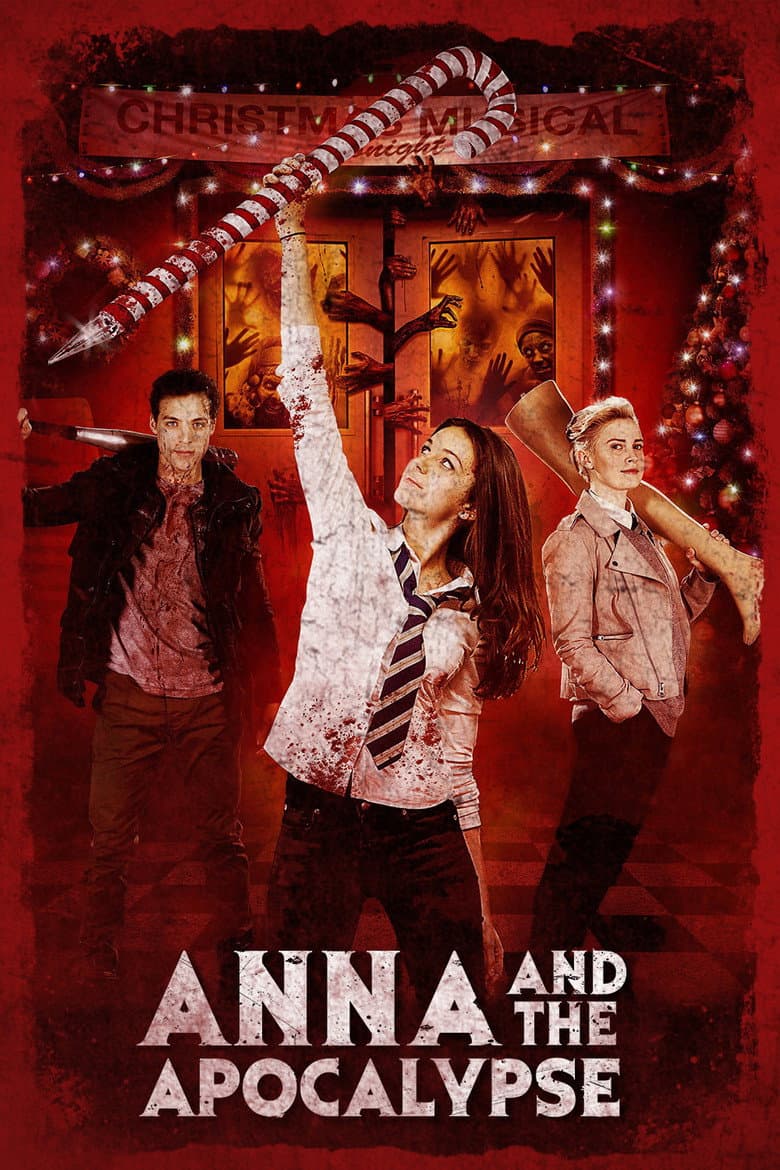
A zombie apocalypse threatens the sleepy town of Little Haven—at Christmas—forcing Anna and her friends to fight, slash, and sing their way to survival.
Movie · 2022
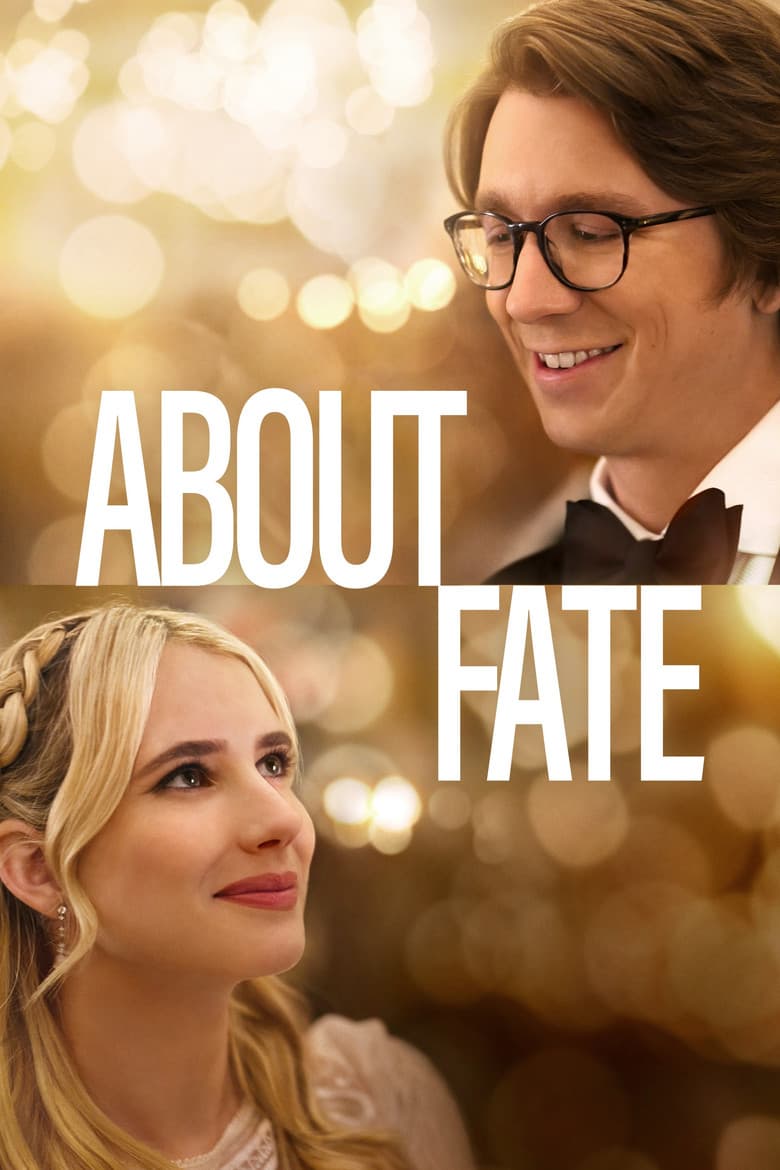
Two strangers believe in love but never seem to be able to find its true meaning. In a wild twist of events, fate puts each in the other's path on one stormy New Year's Eve.
Movie · 2023
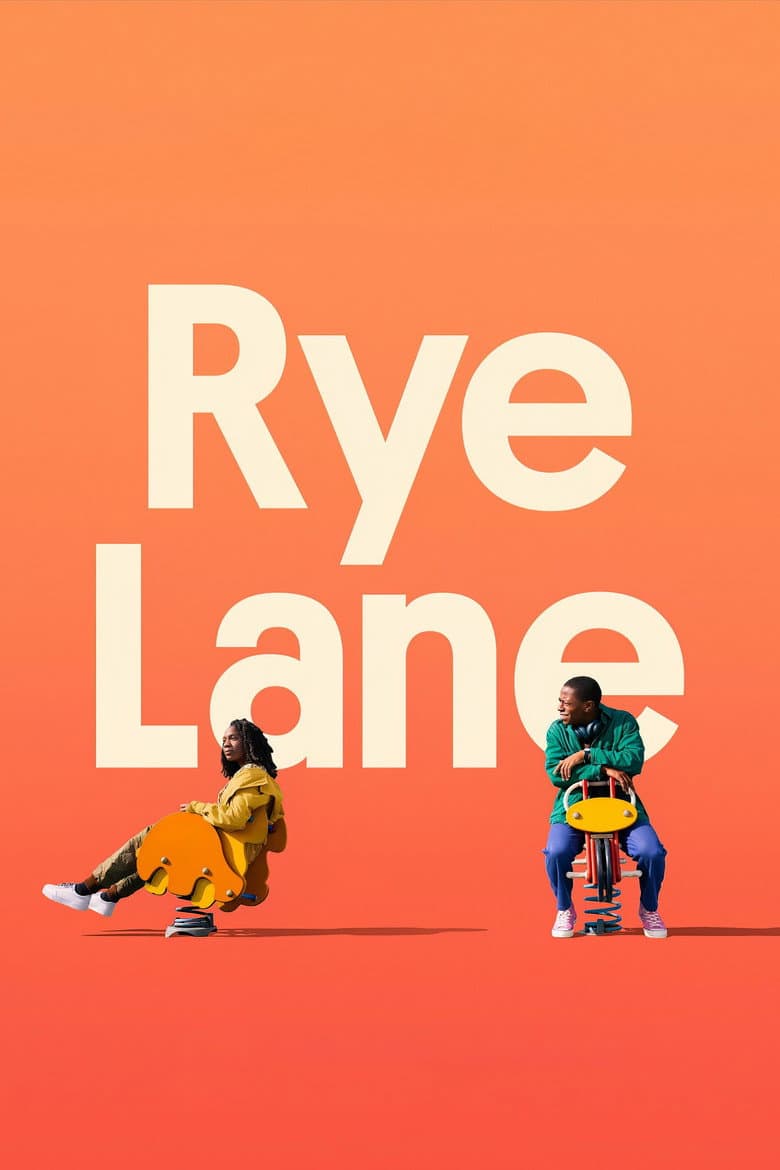
Two twenty-somethings, both reeling from bad break-ups, connect over the course of an eventful day in South London – helping each other deal with their nightmare exes, and…
Movie · 2019
Columbus, Tallahassee, Wichita, and Little Rock move to the American heartland as they face off against evolved zombies, fellow survivors, and the growing pains of the snarky…
