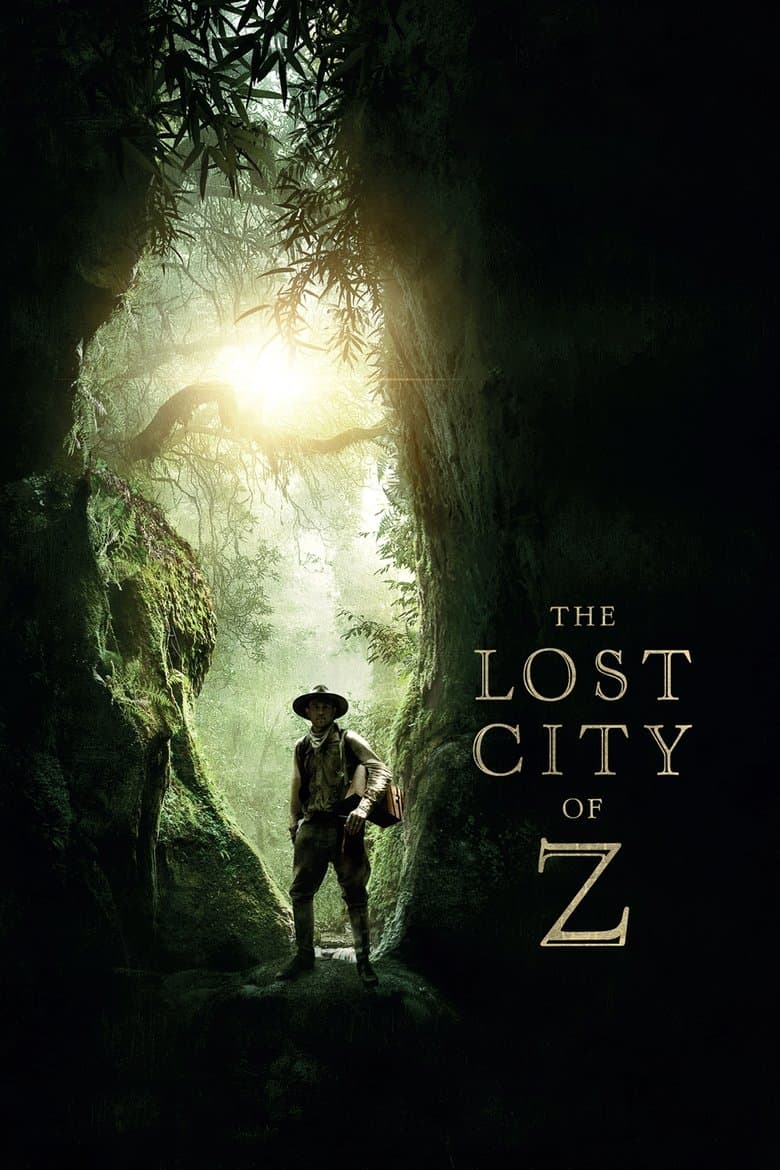
The Lost City of Z follows British officer Percy Fawcett from the early 1900s through the 1920s as he maps Amazon borders. He finds pottery and other signs of advanced indigenous civilization. He returns again and again to prove a lost city of Z against Royal Geographical Society skeptics who treat Amazon peoples as savages. Subplots cover class snubs at home, his marriage to independent Nina, his service in World War I, and a final expedition with his son Jack that ends in disappearance.
Viewers also see clear progressive messages that matter but do not replace the adventure plot. Nina argues for equal partnership in marriage when Percy says the jungle is not a place for a woman. Fawcett frames his mission against peers who dismiss indigenous peoples as savages and works to prove a non-European Amazon civilization. The film targets British class hierarchy, colonial resource greed, and European self-image, and it softens some of the real Fawcett’s era-typical racist language for modern viewers. Personal obsession, family cost, and the mystery of the disappearance remain the main engine of the story.
Community feedback
Was our 58% Woke rating accurate?
Breakdown
These are the editorial factors and ratings behind our score for The Lost City of Z.
Woke representation / casting
Not present. Leads and RGS and military figures are cast as period British men and a British wife, with Amazon guides and tribes as indigenous characters. No race or gender swaps of the historical principals and no quota-style diversity ensemble in the Edwardian British world.
0%
Woke political dialogue
On-screen lines push gender equality and racial and civilizational equality hard enough that some viewers call them modern. Nina argues for equal marriage partnership when Percy says the jungle is no place for a woman. Fawcett’s speeches challenge peers who call indigenous peoples savages. Reviewers have flagged blunt proto-feminist remarks and political correctness.
42%
Identity-driven story themes
Adventure and obsession drive the plot, but the moral spine is Fawcett proving non-European Amazon civilization against imperial scientific racism. Nina is shown as a constrained but assertive equal partner left at home. The progressive explorer framing is clear to the audience, not only hidden subtext.
48%
Western institutional / cultural critique
The film targets British class hierarchy, RGS authority, colonial resource greed, and European self-image. It contrasts jungle savagery talk with World War I gas as real barbarism. Nina’s arc criticizes traditional wife and mother limits while Percy chases glory, told with a progressive moral lens.
50%
Woke character or canon changes
Expeditions are compressed and some RGS color is invented as ordinary adaptation. Gray softened the real Fawcett’s more era-typical racist language toward a cleaner anti-racist hero for modern viewers. Nina’s fuller emotional role and ending track her real independence and a choice not to make her only the wife.
22%
Anti-woke backlash and complaints
This was not a mass culture-war event, but real right and anti-PC pushback exists. National Review ran a hostile piece, and users complain of Hollywood PC tropes and a forced modern feminist angle. The volume stays modest next to bigger 2010s flashpoints.
26%
Creator track record context
Gray leans left and talks class, race, and patriarchy while defending artistic freedom. Grann is investigative. Plan B producers have socially themed prestige credits. The overall context is mild to moderate activist-adjacent prestige, not a queer- or DEI-first brand on this title.
29%
Production

Movie · 2018
In 1968, Donald Crowhurst, an amateur sailor, endangers the fate of his family and business, and his own life, blinded by his ambition to compete in the Sunday Times Golden Globe…
Movie · 2016
On his way out of the wilderness, Jesus struggles with the Devil over the fate of a family in crisis, setting himself up for a dramatic test.

Movie · 2016
The feel-good story of Michael 'Eddie' Edwards, an unlikely but courageous British ski-jumper who never stopped believing in himself—even as an entire nation was counting him out.
Movie · 2017
Henri “Papillon” Charrière, a safecracker from the Parisian underworld, is wrongfully convicted and sentenced to life imprisonment in the penal colony of French Guiana, where he…
Movie · 2020
A Texan traveling across the wild West bringing the news of the world to local townspeople, agrees to help rescue a young girl who was kidnapped.

Movie · 2014
The adventures of a group of explorers who make use of a newly discovered wormhole to surpass the limitations on human space travel and conquer the vast distances involved in an…
Movie · 2018
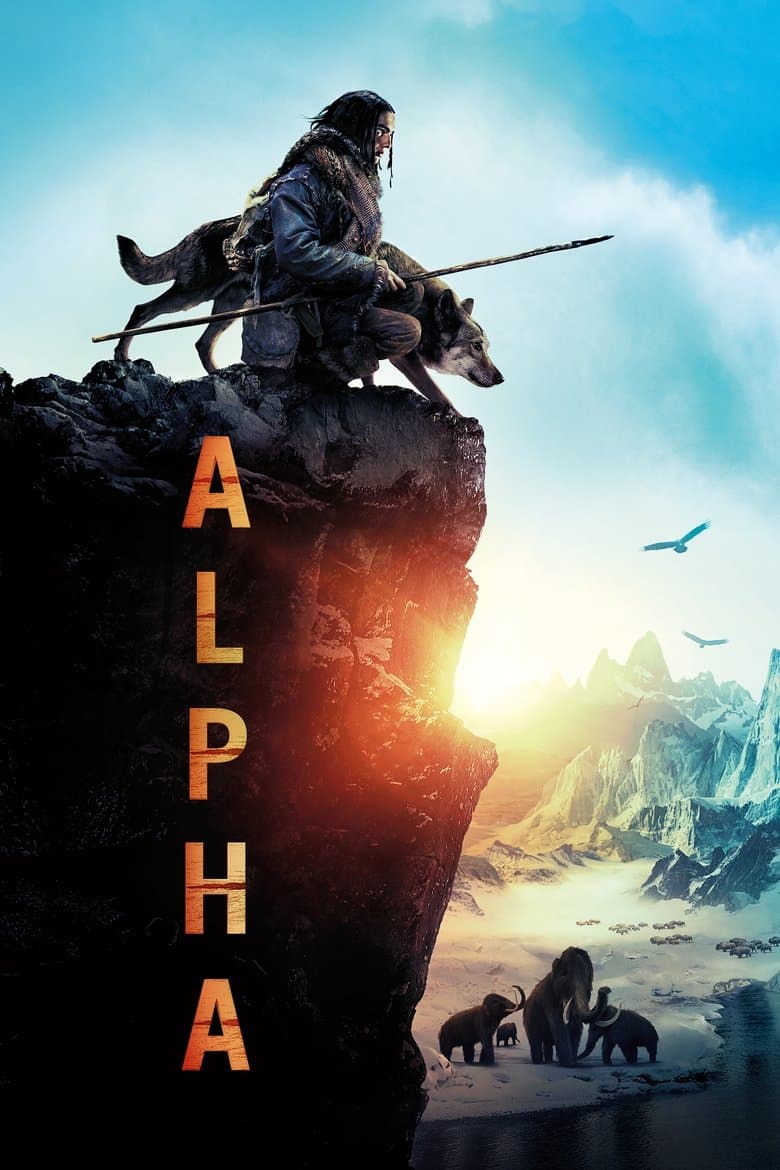
In the prehistoric past, Keda, a young and inexperienced hunter, struggles to return home after being separated from his tribe when bison hunting goes awry.

Movie · 2018
A human child raised by wolves, must face off against a menacing tiger named Shere Khan, as well as his own origins.
