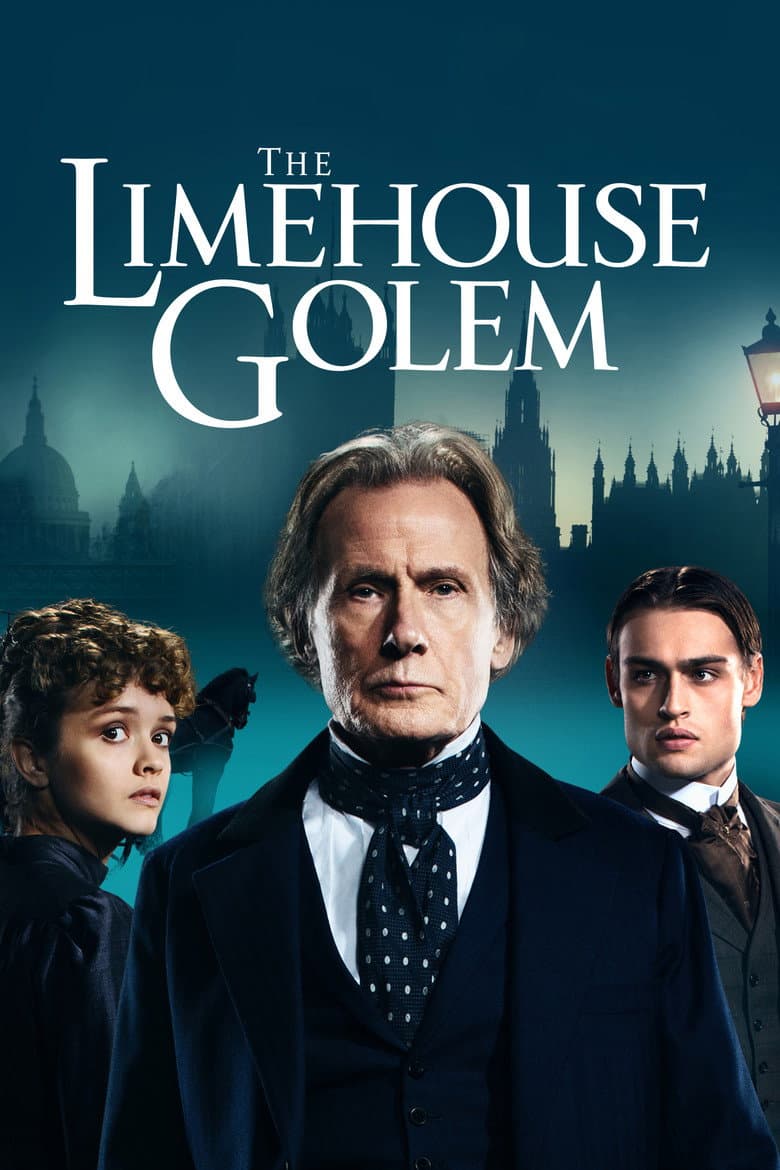
This is a Victorian serial-killer mystery based on Peter Ackroyd’s novel. Music-hall star Elizabeth Lizzie Cree stands at the center of the story with gay inspector John Kildare and a killer branded as the Golem. The film uses period London, the music hall, and a whodunit structure to carry that plot.
The story puts queer and gender material where audiences can see it. Kildare is a gay lead detective, Flood is his gay partner, and Lizzie is a closeted lesbian who also works as a male impersonator on stage. Scenes cover men’s abuse and control, women’s lack of power, and the music hall’s gender play. Critics treated it as a feminist take on Ripper-style myth and as a gay Victoriana piece, so those themes matter as much as the mystery shell.
Community feedback
Was our 67% Woke rating accurate?
Breakdown
These are the editorial factors and ratings behind our score for The Limehouse Golem.
Woke representation / casting
The cast is mostly period-plausible British white leads. The clear identity push is queer casting of major roles, including gay detective Kildare, gay partner Flood, and Lizzie as a closeted lesbian and male impersonator. Stage cross-dressing culture supports that focus. Spanish-coded Aveline fits music-hall color more than race swapping, but queer weight goes well past background-only presence.
48%
Woke political dialogue
The film is not full of modern activist slogans. Viewers hear that Kildare is not the marrying kind and is held back at work over sexuality. They also see Victorian women’s lack of power and sexual coercion, including blackmail and marital rape. Karl Marx appears as a suspect with period talk about scapegoats and the poor, which is classical left color rather than a modern manifesto.
32%
Identity-driven story themes
Under the murder mystery, gender and queer themes are hard to miss. Lizzie moves from abused girl to fame-hungry killer while male abuse and control sit in the background. Music-hall gender performance and a group of gay and queer characters are treated with sympathy against straight society’s rules. Critics called it a feminist take on Ripper myth and a gay Victoriana piece, so that framing carries heavy weight.
62%
Western institutional / cultural critique
The film critiques male sexual entitlement, abusive husbands and bosses, and the sidelining of a gay inspector. Victorian gender norms and forced heterosexual roles read as social horror next to the killings. Scotland Yard uses Kildare as a scapegoat. This is modern-leaning gender and patriarchy framing of history, not an anti-church or anti-capitalism tract.
48%
Woke character or canon changes
The film adapts Ackroyd’s novel, which already had music-hall cross-dressing texture. It expands Kildare from a brief book role and makes his homosexuality load-bearing for the plot and themes. Goldman said others asked how it affects the plot and she insisted on keeping it. Ordinary compression of suspects is not the scored change. The identity-driven expansion of queer material is.
38%
Anti-woke backlash and complaints
Not present. No documented right-leaning or too-woke campaign. Praise of feminist and queer content is not scored here.
0%
Creator track record context
Medina scores low on prior progressive branding. Goldman has capable-women and gender themes and said she brought gender themes forward after her daughters’ feminism. Woolley has a gender and queer-adjacent producing record. Overall context is mild-to-moderate progressive production history, not a pure activist director project.
30%
Production
Movie · 2017
A young man and his three younger siblings are plagued by a sinister presence in the sprawling manor in which they live.
Movie · 2021
Paranormal investigators Ed and Lorraine Warren encounter what would become one of the most sensational cases from their files.
Movie · 2019
When a 12-year-old boy goes missing at a local park, a detective investigates the case to help the boy's family find answers.
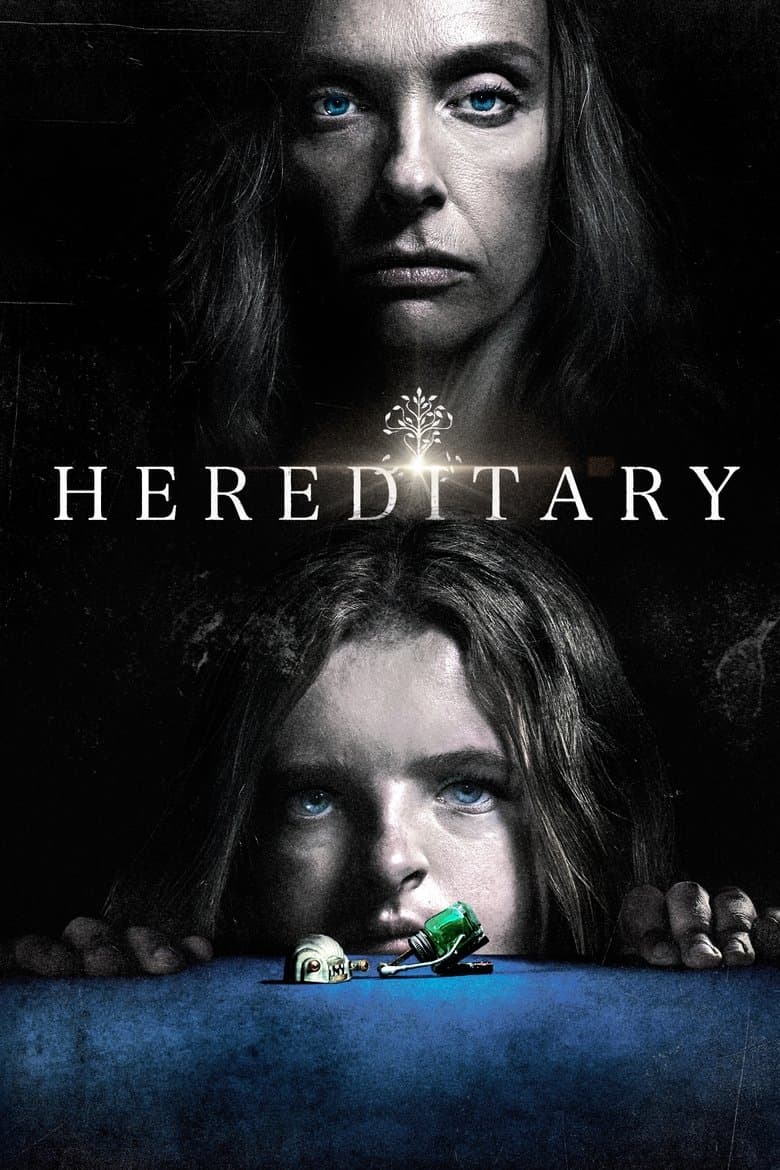
Movie · 2018
Following the death of the Leigh family matriarch, Annie and her children uncover disturbing secrets about their heritage.
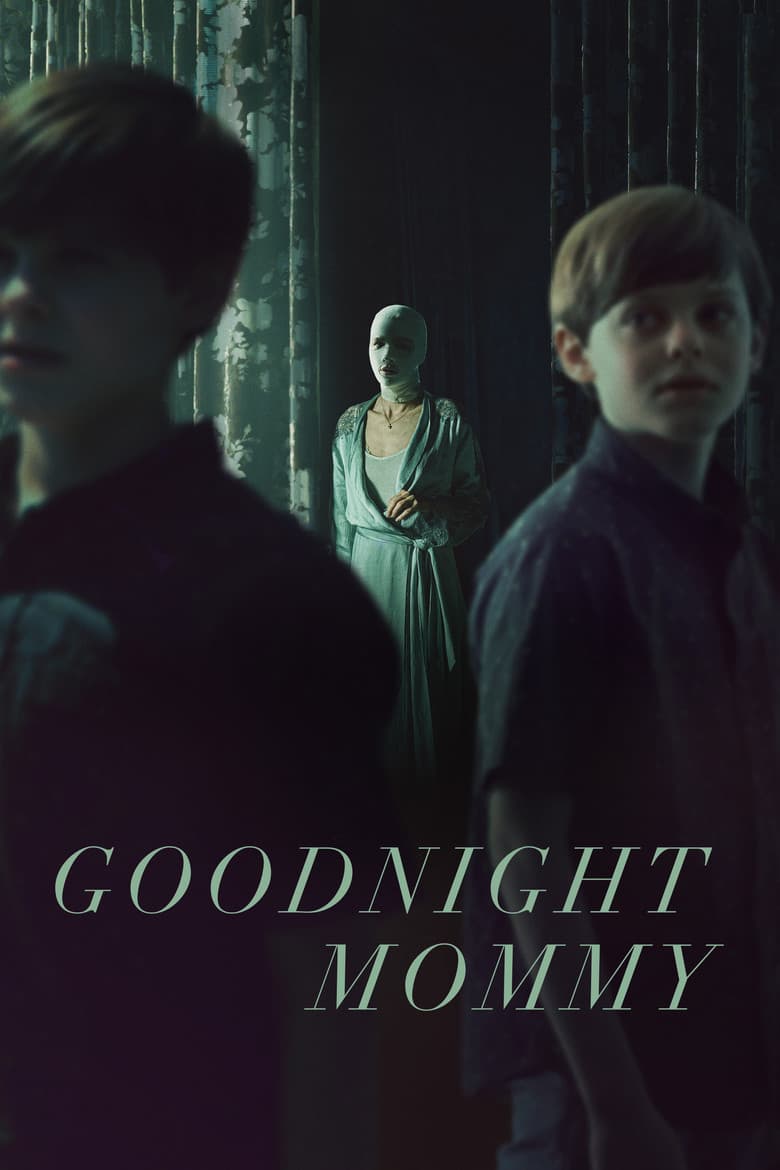
Movie · 2022
When twin brothers arrive home to find their mother’s demeanor altered and face covered in surgical bandages, they begin to suspect the woman beneath the gauze might not be their…
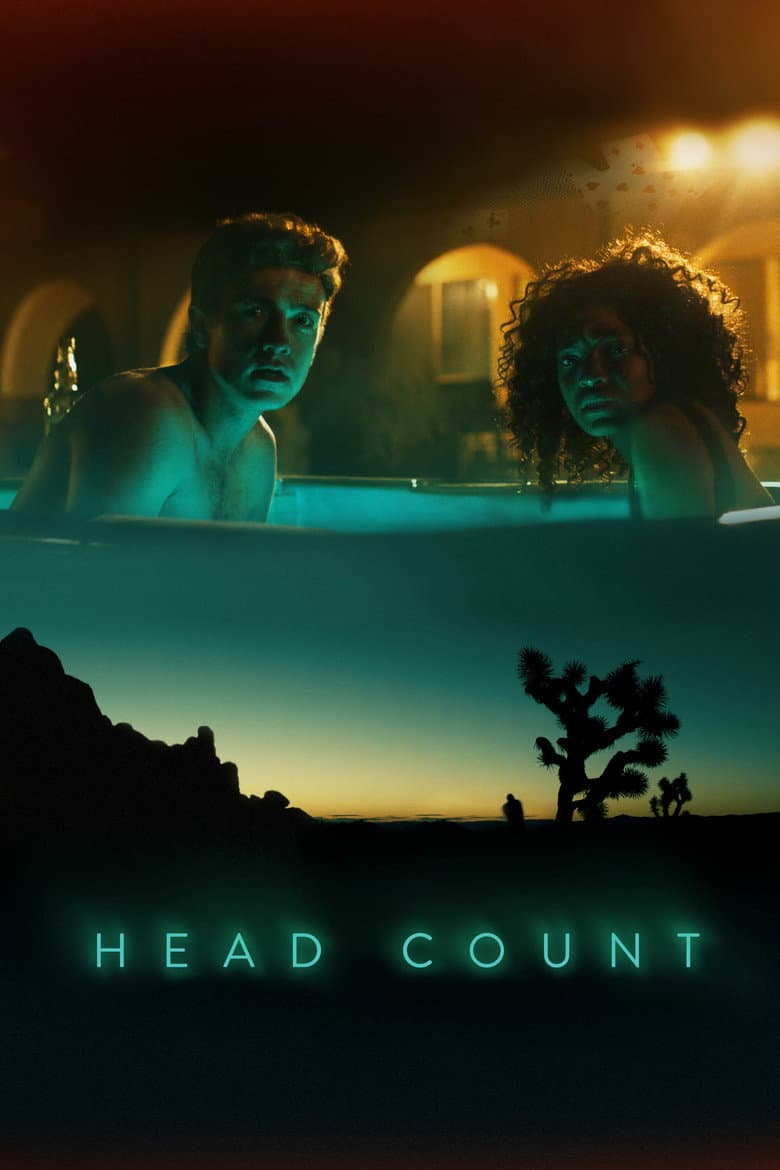
Movie · 2019
Newcomer Evan joins a group of teens on a getaway in Joshua Tree. While exchanging ghost stories around the campfire, Evan reads aloud a mysterious chant from an internet site.
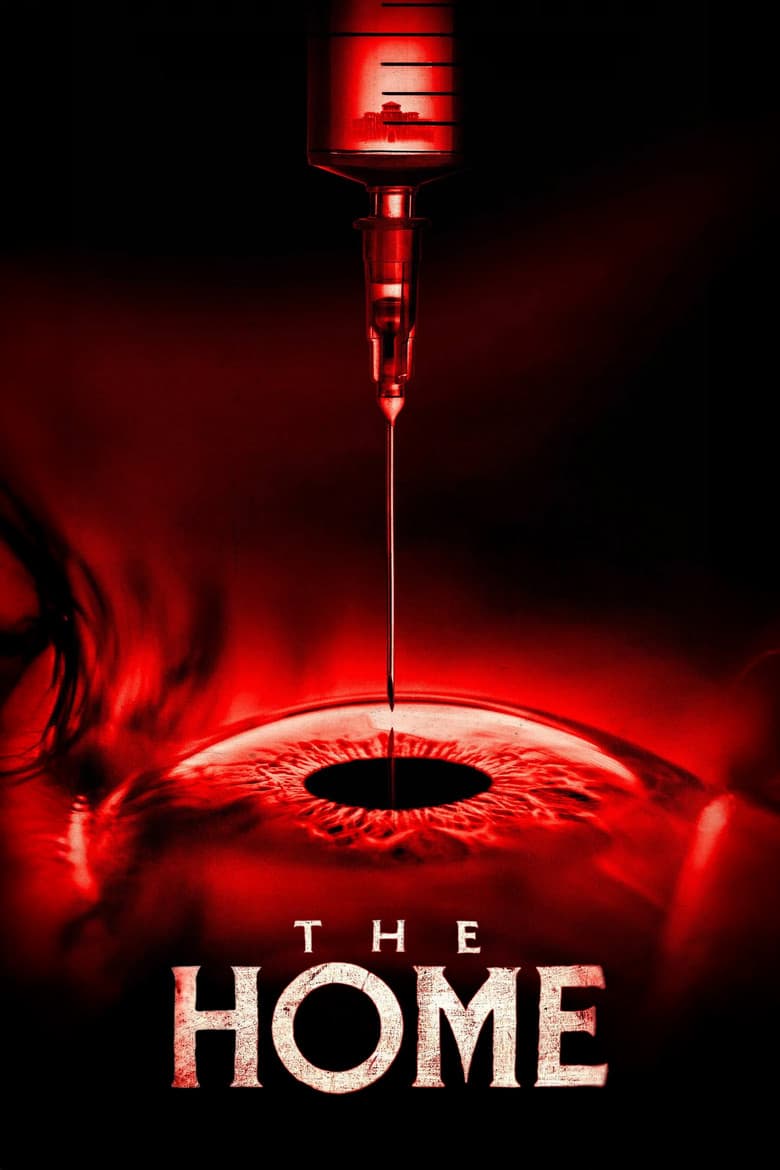
Movie · 2025
A troubled man starts working at a retirement home and realizes its residents and caretakers harbor sinister secrets.
Movie · 2025
Two parents enter a race against time when they receive a distressing late-night phone call from their daughter after she caused a tragic car accident.
