Movie review
February 6, 2019 · 107 min · PG · Kids · Animation · Comedy · Action · Adventure · Family
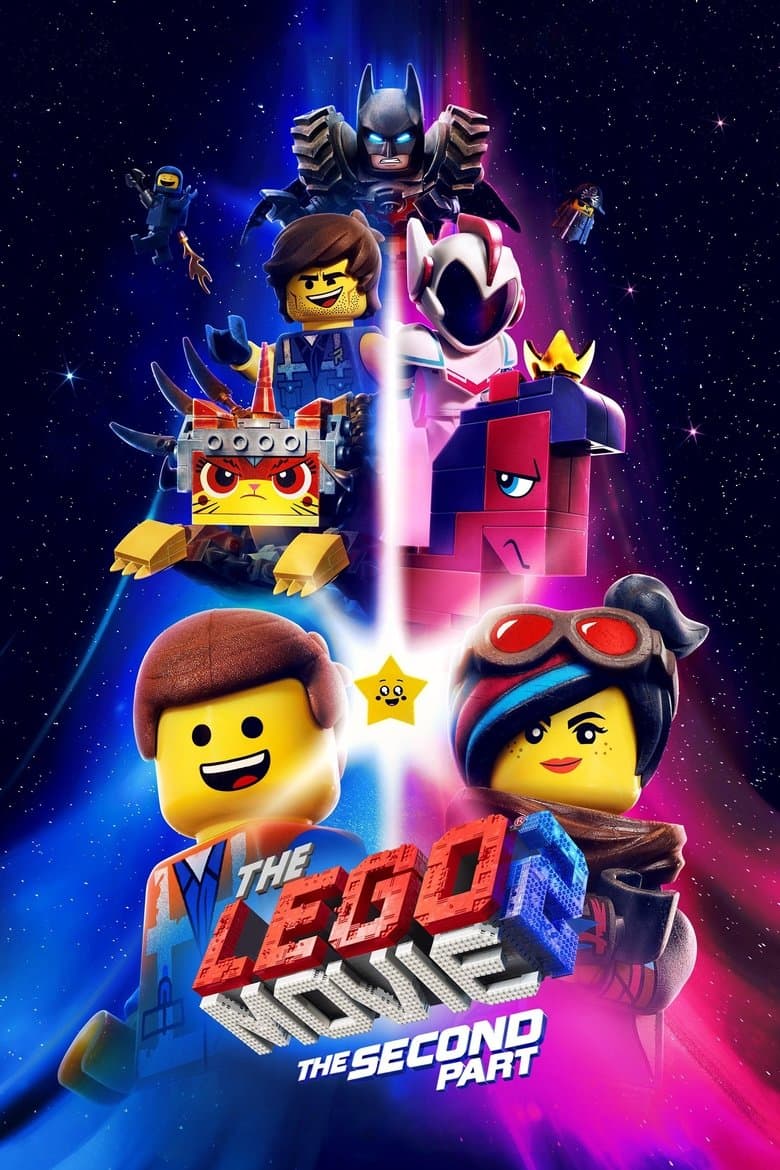
Emmet is a cheerful construction worker who still believes everything can be awesome. Five years after the first film, his home of Bricksburg has become a harsh wasteland called Apocalypseburg after repeated attacks by Duplo figures. Lucy and several friends are taken to the colorful Systar System, so Emmet travels after them and tries to prove that he can be brave and useful. The film uses bright animation, fast jokes, songs, and a live action story about a brother and sister who are fighting over their toys.
The film gives a clear place to arguments about masculinity and gender roles. Emmet is told to grow up and become tougher, while Rex Dangervest turns the lonely, violent male hero into the main villain. Lucy, Queen Watevra Wa'Nabi, and General Sweet Mayhem are capable leaders, and the film treats their colorful play and teamwork as a needed answer to the boys' war games. The ending says that empathy, shared play, and emotional openness are better than toughness, control, and a lone hero image, but the message stays inside a funny sibling adventure.
Community feedback
Was our 54% Woke rating accurate?
Breakdown
These are the editorial factors and ratings behind our score for The Lego Movie 2: The Second Part.
Woke representation / casting
The film puts three women in important power roles: Lucy leads the resistance, General Sweet Mayhem commands an army, and Queen Watevra Wa'Nabi rules the Systar System. The production notes also call the Queen and General powerful, independent female characters. The Lego world is a fantasy world with yellow and made-up figures, so there is no clear race mismatch or one-of-each casting pattern. The main identity signal is the repeated female-lead framing, not ethnic diversity.
24%
Woke political dialogue
Emmet is told that he must grow up and become tougher to survive. Lucy says she did the real work in the earlier adventure while Emmet received the glory. Rex presents a lonely, violent hero style as foolish and harmful, and the ending favors emotional openness. The film does not give long speeches about parties, laws, or modern political groups.
30%
Identity-driven story themes
The film turns a brother and sister's fight over toys into a conflict between a dark, male-coded war world and a bright, female-coded world of hearts, weddings, and friendship. Rex becomes a villain because he embraces the lonely, violent male hero image. Lucy and the Queen help move the story toward shared play, empathy, and emotional openness. The sibling story keeps the message simple, but gender ideas shape the main conflict and its ending.
52%
Western institutional / cultural critique
The film treats Apocalypseburg's tough warrior culture as a damaged way to live. The story links anger, control, and lone male hero behavior to Rex's destructive plan. The story then praises cooperation, sharing, and softer feelings as better answers. The film does not attack churches, governments, or capitalism through a direct modern political argument.
42%
Woke character or canon changes
Not relevant. No identity-driven changes to established characters or source material.
0%
Anti-woke backlash and complaints
Some Christian family reviewers called the film anti-male propaganda and objected to its attack on masculine traits. Another review linked the message to Gillette's toxic masculinity ad and called it woke-nomics. A later Reddit post made a similar complaint about Rex and the film's treatment of male-coded play. The reaction was real but limited, and most major coverage treated the gender message as a normal family-film theme.
32%
Creator track record context
Available background shows low activist patterns for Mike Mitchell and most core writers, including Phil Lord and Christopher Miller. It shows stronger diversity-related advocacy for producer Jinko Gotoh and moderate support for Dan Lin. Mike Mitchell's interviews about this film focus on empathy, teamwork, and the brother-sister story. The overall creator signal is modest, with the strongest activist context coming from producers rather than the director or writers.
25%
Production
Movie · 2023
While working underground to fix a water main, Brooklyn plumbers—and brothers—Mario and Luigi are transported down a mysterious pipe and wander into a magical new world.
Movie · 2022
When Superman and the rest of the Justice League are kidnapped, Krypto the Super-Dog must convince a rag-tag shelter pack - Ace the hound, PB the potbellied pig, Merton the turtle…
Movie · 2023
After a migrating duck family alights on their pond with thrilling tales of far-flung places, the Mallard family embarks on a family road trip, from New England, to New York City…
Movie · 2017
Six young ninjas are tasked with defending their island home of Ninjago. By night, they’re gifted warriors using their skill and awesome fleet of vehicles to fight villains and…
Movie · 2016
While Po and his father are visiting a secret panda village, an evil spirit threatens all of China, forcing Po to form a ragtag army to fight back.
Movie · 2017
Gru and his wife Lucy must stop former '80s child star Balthazar Bratt from achieving world domination.
Movie · 2024
Gromit’s concern that Wallace is becoming too dependent on his inventions proves justified, when Wallace invents a “smart” gnome that seems to develop a mind of its own.
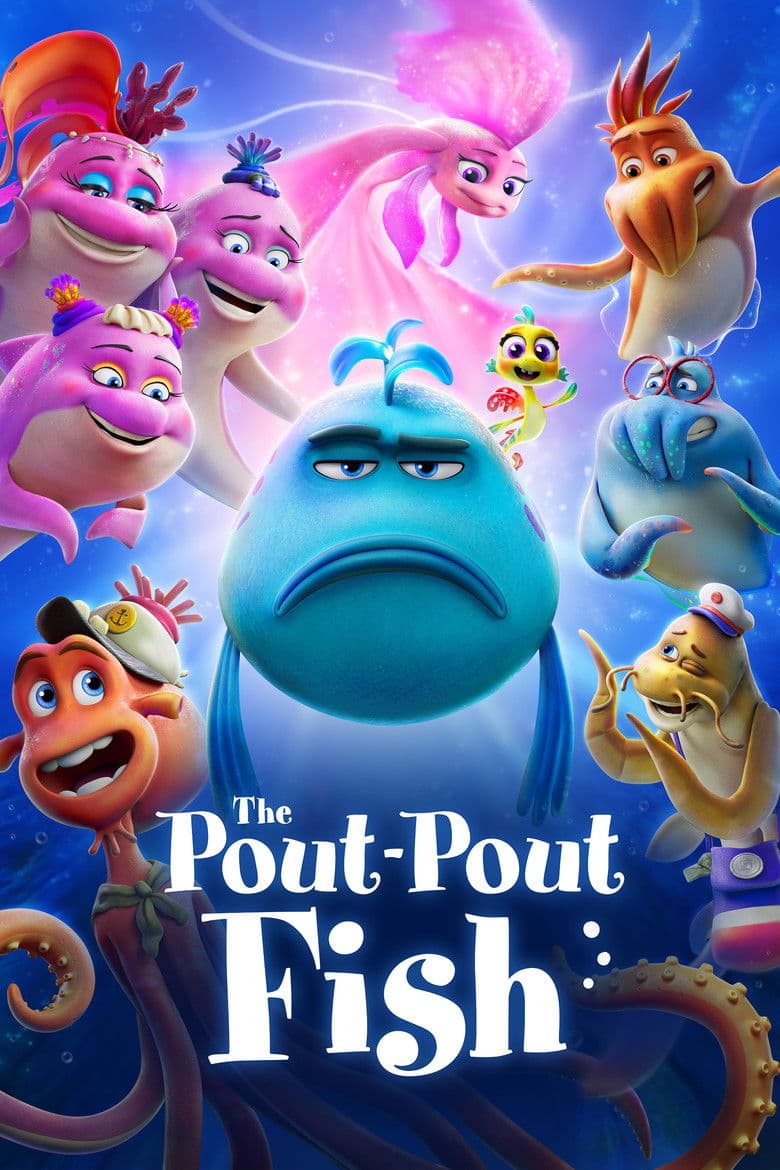
Movie · 2026
Living on a rundown shipwreck, Mr. Fish one day discovers a hyperactive young sea dragon Pip – who had mistaken his home for a junkyard – pilfering his belongings.
