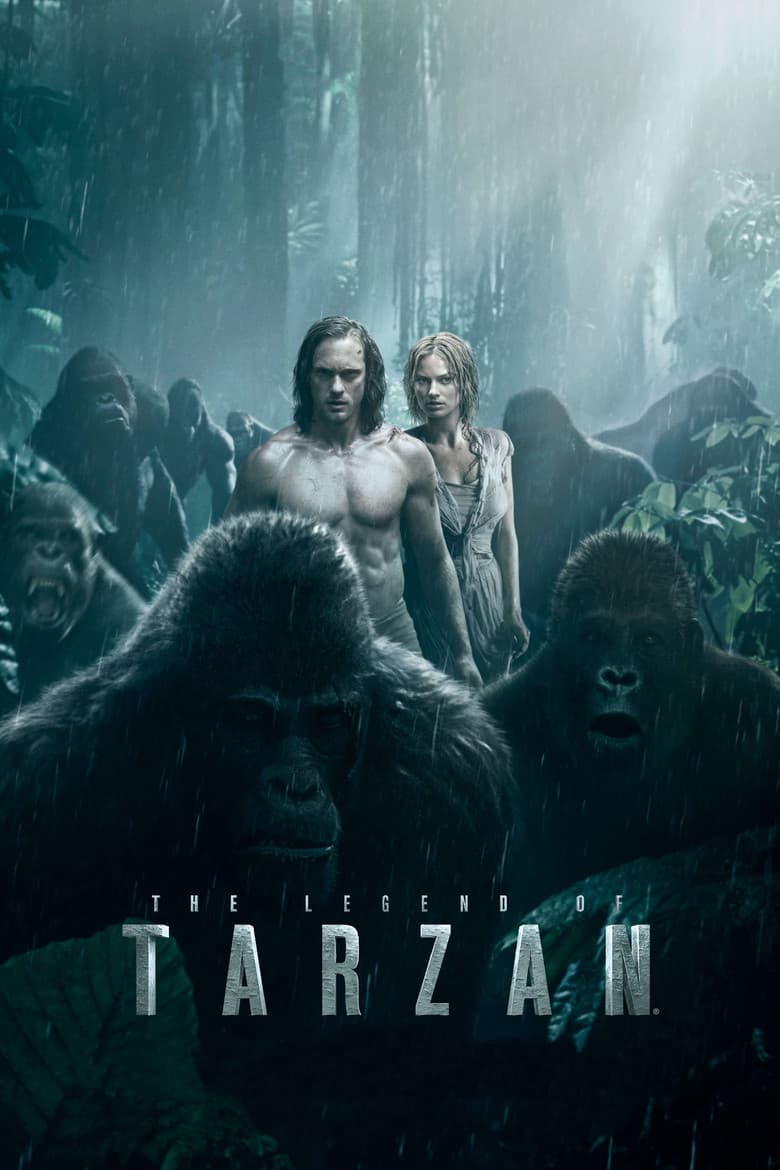
The Legend of Tarzan is a period jungle adventure built on a classic rescue plot that folds the real history of Belgian Congo slavery into pulp spectacle. Tarzan, Jane, and Black historical co-lead George Washington Williams confront forced labor, mercenary greed, and a cruel colonial scheme under King Leopold’s Congo Free State. Progressive notes appear in a more self-reliant Jane, open talk of slavery and colonial cruelty, and sympathetic Congolese communities set against cartoonishly brutal European agents. The chief villain is repeatedly marked with a weaponized rosary tied to a childhood priest gift. The climax still rides a familiar savior adventure structure.
Community feedback
Was our 47% Woke rating accurate?
Breakdown
These are the editorial factors and ratings behind our score for The Legend of Tarzan.
Woke representation / casting
Casting largely fits a late-1800s Congo and London world: white leads stay in place, African roles go to Congolese tribes and figures, and Samuel L. Jackson plays a real black historical co-lead. No race or gender swap of the leads and no engineered one-of-each ensemble. Mild modernization shows mainly in a more self-reliant Jane and warm ally framing of some African communities.
16%
Woke political dialogue
Characters speak plainly about Leopold’s Congo slavery, colonial abuse, diamond-funded mercenaries, and exposing the crimes. On-the-nose period tyranny talk is joined by Jane’s quip about Rom’s priest and the rosary’s origin, which lands as modern anti-clerical shading. It is still framed as historical atrocity more than contemporary DEI slogans.
38%
Identity-driven story themes
Core story remains adventure, romance, and going home while stopping slave labor and greed. Soft progressive notes include anti-colonial conscience, a capable Jane, a black historical co-protagonist, and idealized friendly African village life against European predation. The film is not centered on modern race, gender, or queer identity politics, and the climax still runs on a white-savior structure.
34%
Western institutional / cultural critique
Main evil is the Belgian Congo Free State and forced labor for a bankrupt European king—historical imperial atrocity, not a broad attack on “the West” as such. Stronger visual critique ties that evil to Christian colonial identity through Rom’s ever-present weaponized rosary, priest-gift backstory, and recurring bead close-ups, which several faith reviewers read as lumping Catholicism with colonial cruelty.
40%
Woke character or canon changes
The film grafts real-life Williams onto a Burroughs-style Tarzan plot and modernizes Jane as more composed and self-reliant. Tarzan and Jane are not race- or gender-swapped. Rom’s signature spider-silk rosary weapon and the cut villain-on-Tarzan kiss (not in the released movie) are notable design choices; only the rosary remains audience-visible character coding.
22%
Anti-woke backlash and complaints
No large right-leaning campaign branded the film as DEI propaganda. Faith-media and Catholic commentary did criticize the evil-Catholic-with-rosary trope and the priest joke, but that reaction stayed limited beside broader white-savior/colonialism debates.
10%
Creator track record context
Cached scores give the director mild diversity talk, the casting director stronger public diversity advocacy, and one producer Democratic fundraiser ties. Most writers and other producers score low, including commercial and more conservative figures. Overall creative-context signal is mild.
22%
Production
Movie · 2016
From DC Comics comes the Suicide Squad, an antihero team of incarcerated supervillains who act as deniable assets for the United States government, undertaking high-risk black ops…
Movie · 2022
Prince Amleth is on the verge of becoming a man when his father is brutally murdered by his uncle, who kidnaps the boy's mother.
Movie · 2018
Lara Croft, the fiercely independent daughter of a missing adventurer, must push herself beyond her limits when she finds herself on the island where her father disappeared.
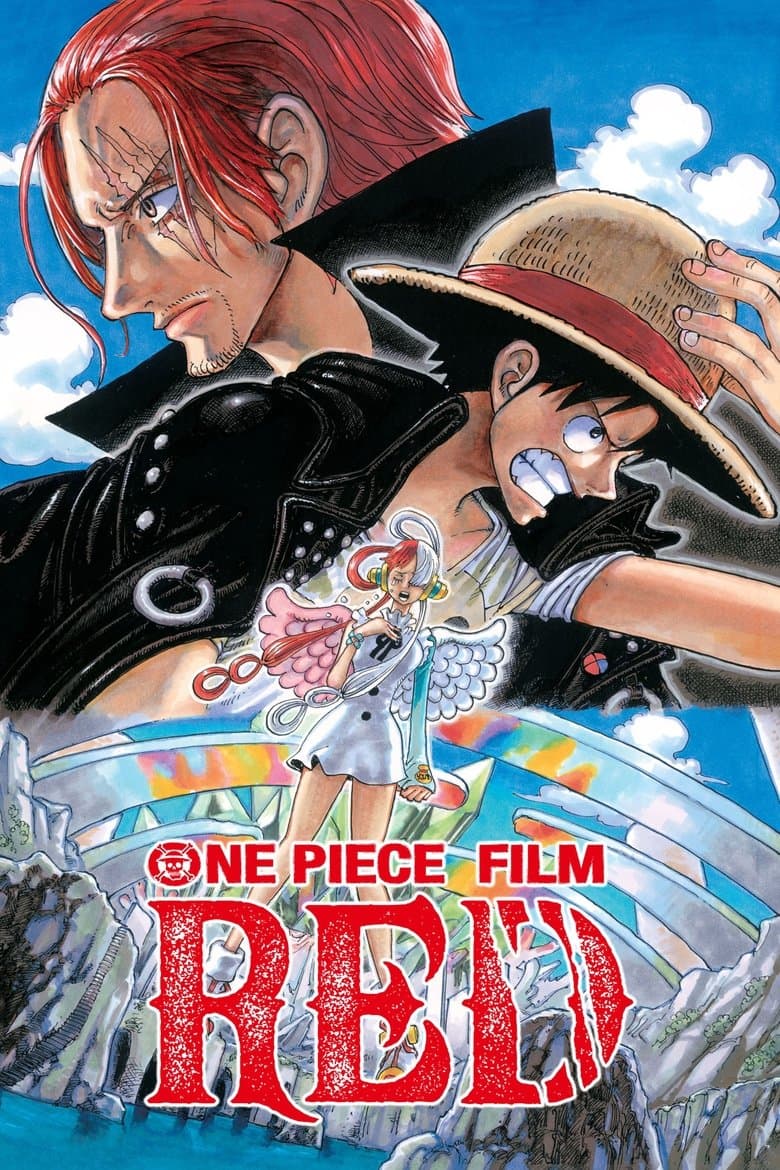
Movie · 2022
A new adventure begins for Luffy and his crew when mysterious pop superstar Uta unveils her identity — and launches a misguided plan for world peace.
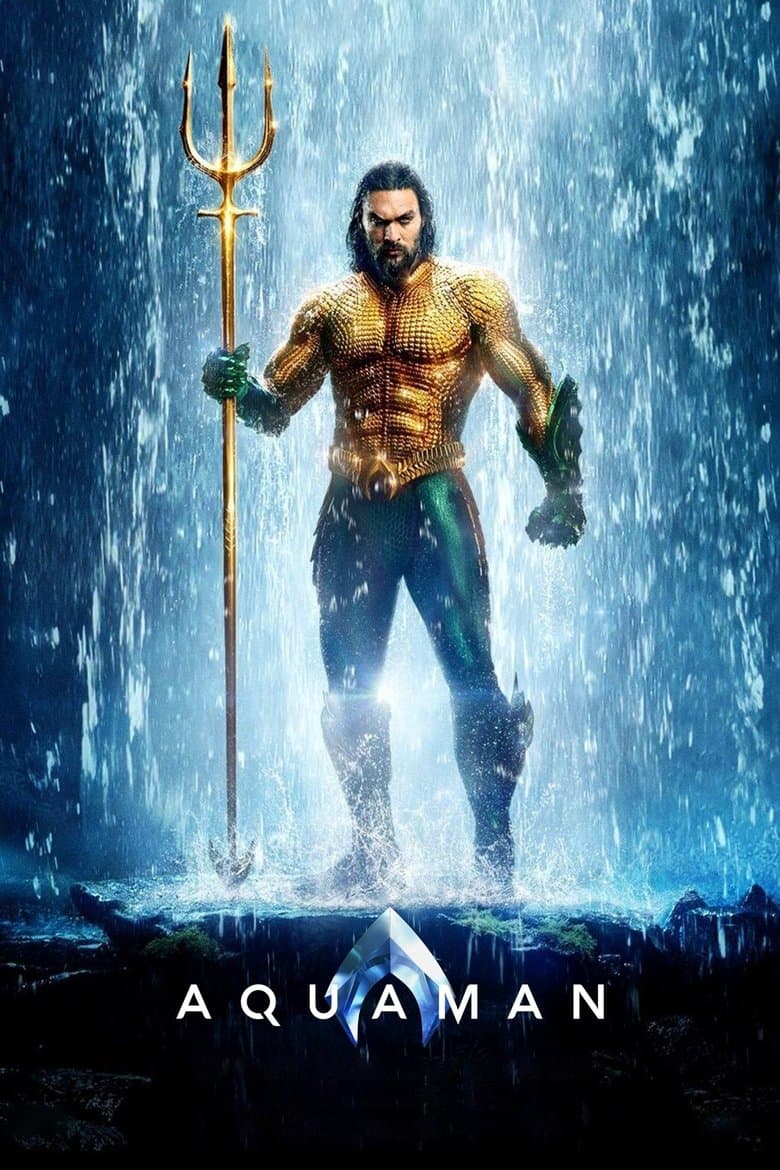
Movie · 2018
Half-human, half-Atlantean Arthur Curry is taken on the journey of his lifetime to discover if he is worth of being a king.
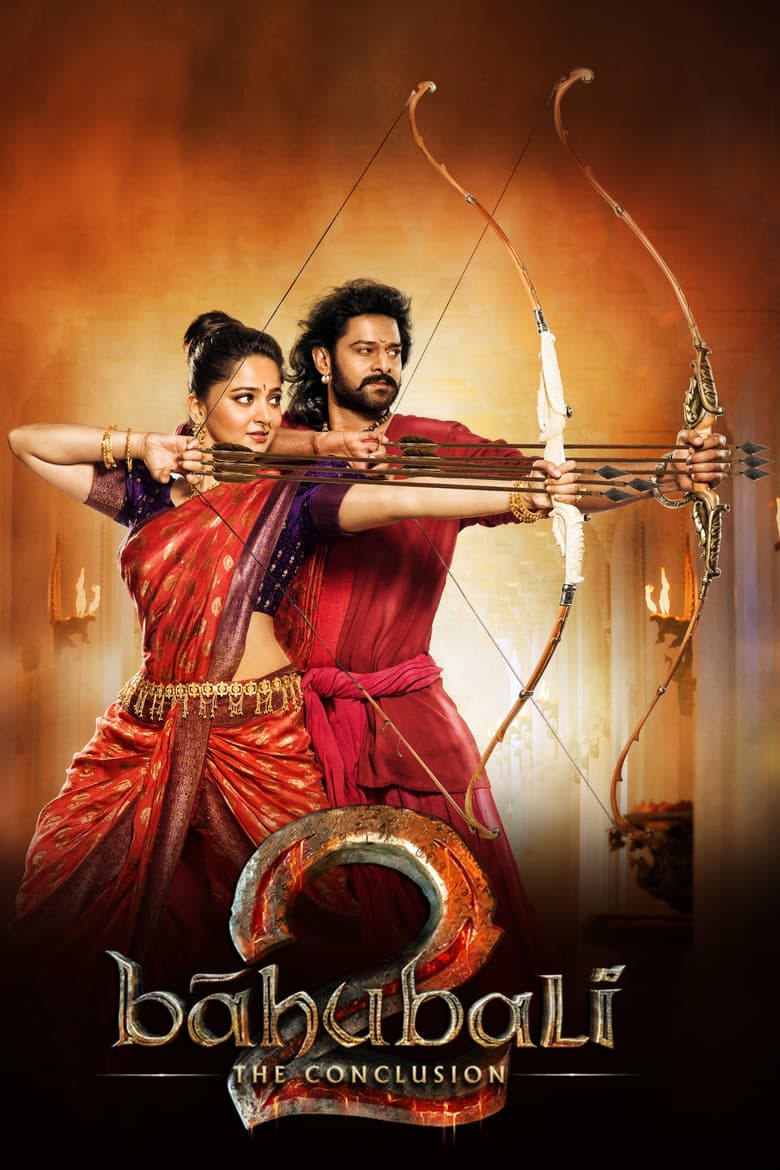
Movie · 2017
When Mahendra, the son of Bāhubali, learns about his heritage, he begins to look for answers. His story is juxtaposed with past events that unfolded in the Mahishmati Kingdom.
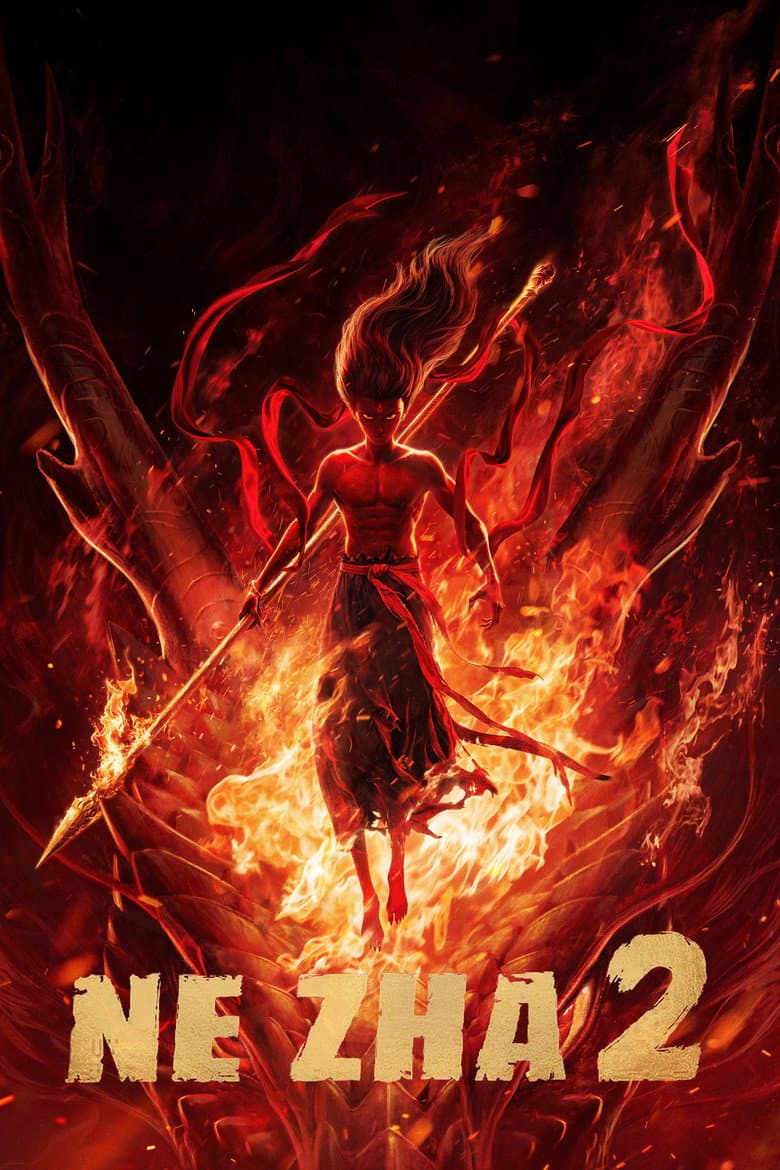
Movie · 2025
After a catastrophic event leaves their bodies destroyed, Ne Zha and Ao Bing are granted a fragile second chance at life.
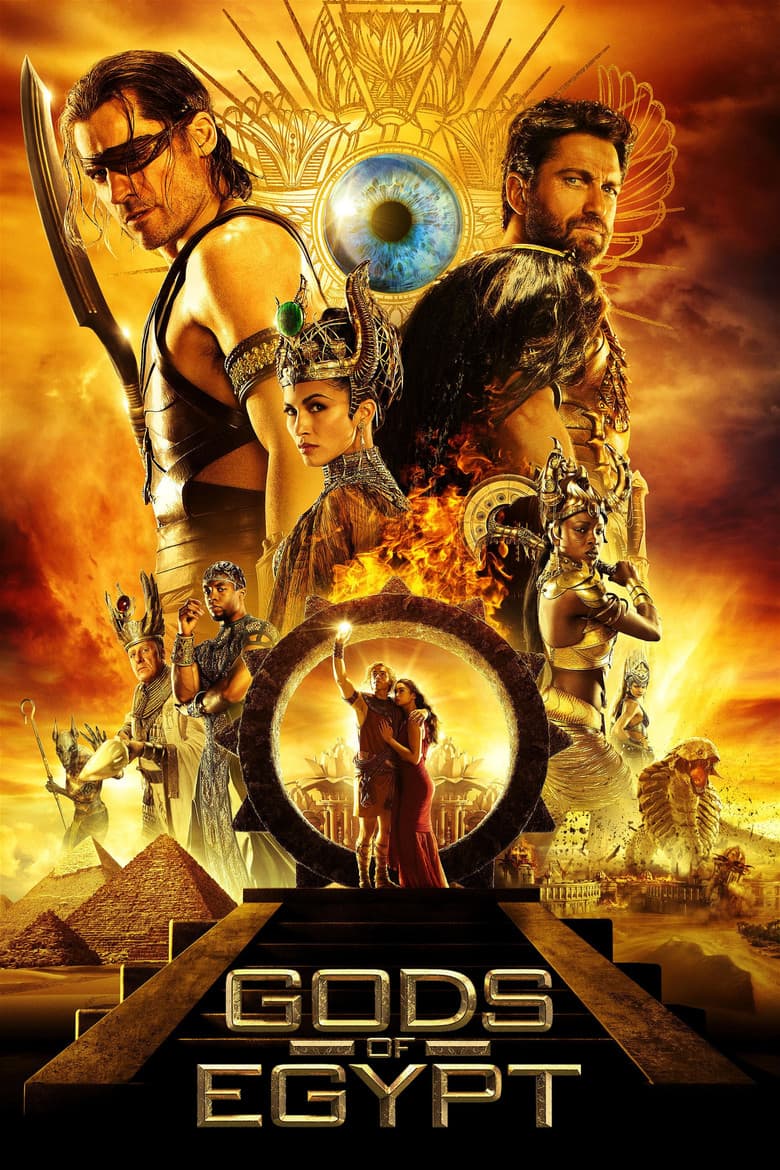
Movie · 2016
A common thief joins a mythical god on a quest through Egypt.
