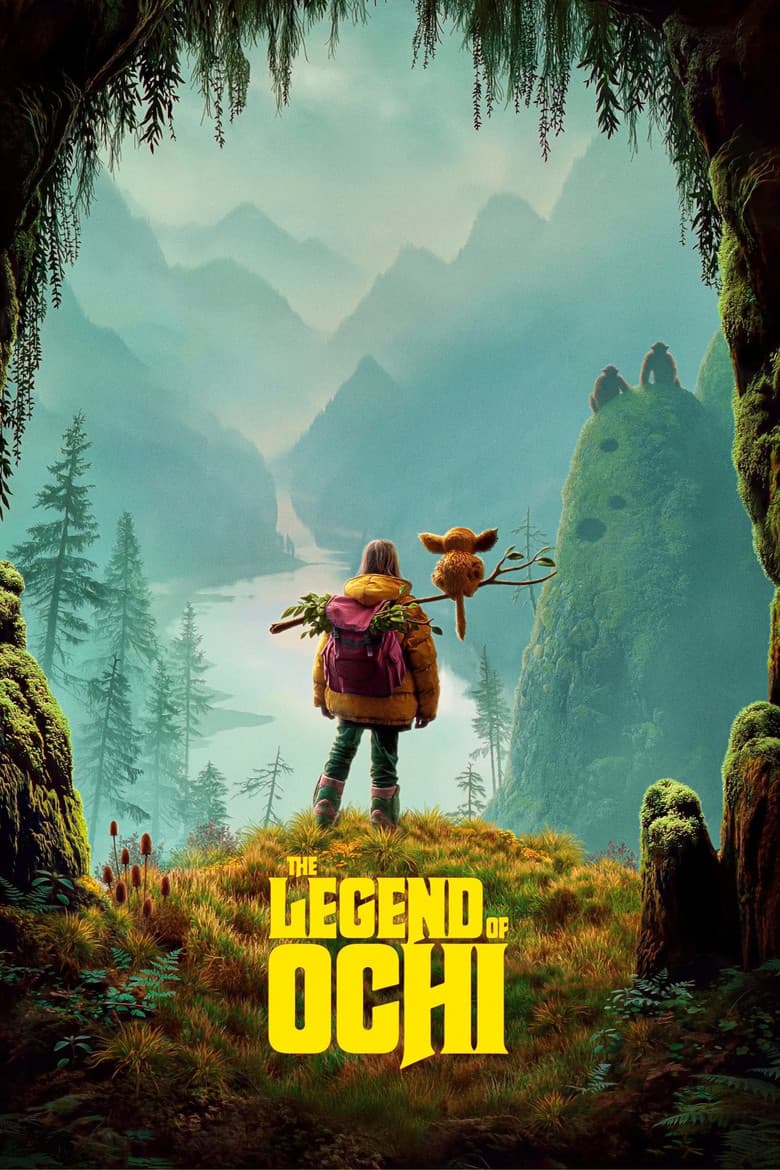
In a remote village on the fictional island of Carpathia, a shy farm girl named Yuri is raised to fear the ochi, elusive primate-like creatures. Her father trains village boys as hunters to cull them at night. When Yuri finds a wounded baby ochi in a trap, she rescues it, learns its high-pitched language, and sets off on a quest to return it to its mother while her father and the hunters pursue them.
The narrative keeps hammering empathy for the misunderstood "other" and harmony with nature over human fear and domination. Yuri's independence and compassion are constantly contrasted with her father's rigid authoritarian ways and the village boys he trains as soldiers. Environmental stewardship themes run through the whole thing, with the wiser mother figure who studies the ochi. Reviews flag the feminist and anti-toxic-masculinity undertones. These elements are recurring and central to what the average viewer experiences.
Community feedback
Was our 33% Woke rating accurate?
Breakdown
These are the editorial factors and ratings behind our score for The Legend of Ochi.
Woke representation / casting
The main cast fits the remote Eastern European village setting with white European actors in lead roles. Yuri stands out as the only girl in her father's hunter group of boys, but this detail supports her isolation and personal story rather than any visible diversity priority or quota casting in prominent parts.
12%
Woke political dialogue
Sparse lines push empathy over father's fear-based indoctrination and village myths about the ochi.
10%
Identity-driven story themes
The main arc shows a girl forming a bond with a baby animal from a feared species and learning to communicate with it. Yuri's central arc is independence, cross-species bonding, and family healing through rejecting parental prejudice.
38%
Western institutional / cultural critique
The film includes contrasts between the father's martial hunting life and the mother's nurturing one, plus a village dealing with encroaching modernity. These support the personal quest and fantasy world and stay free of modern activist framing around patriarchy, capitalism, or cultural guilt.
28%
Woke character or canon changes
Not relevant. This is an original story with no established characters, source material, or historical figures altered for identity reasons.
0%
Anti-woke backlash and complaints
Limited fringe notes on feminist/env/"empathy trap" elements.
10%
Creator track record context
Isaiah Saxon emphasizes practical craft, nature, and kids following their instincts in his work and statements about this film. Early funding came from the Russo brothers, but they stepped back before production. Other key producers and crew show low or zero patterns of activist output.
12%
Production
Movie · 2024
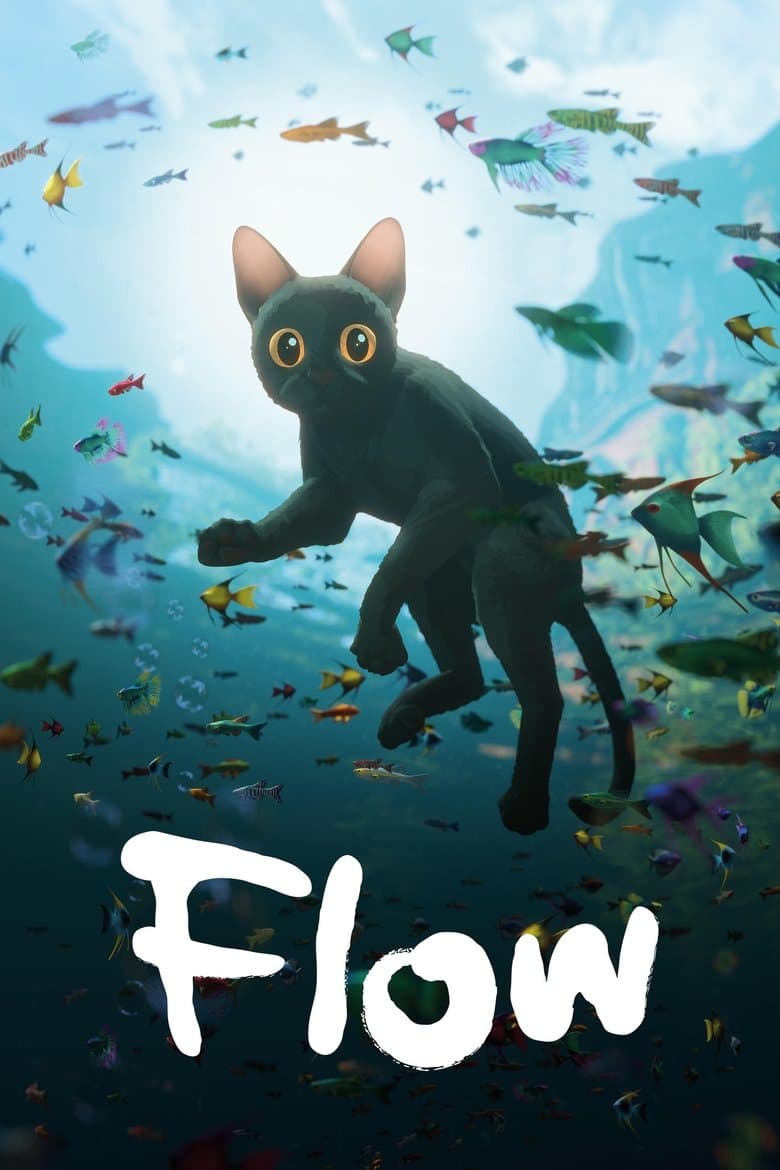
A solitary cat, displaced by a great flood, finds refuge on a boat with various species and must navigate the challenges of adapting to a transformed world together.
Movie · 2016
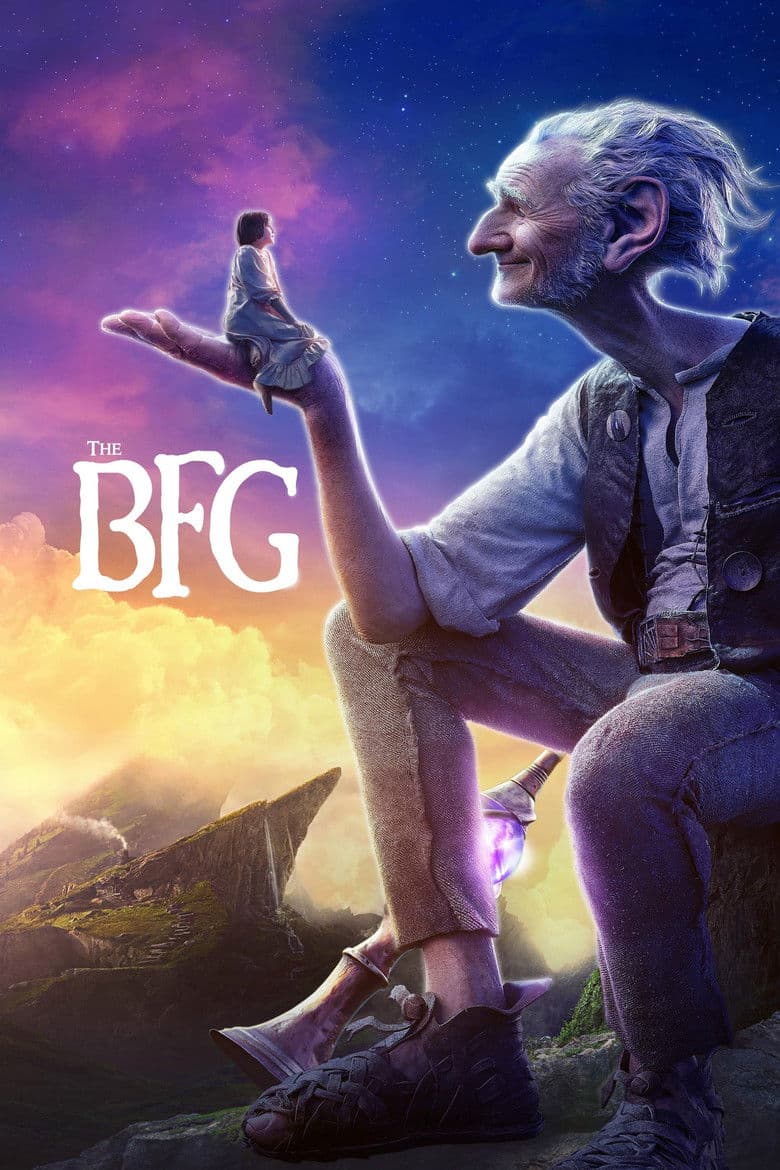
An orphan little girl befriends a benevolent giant who takes her to Giant Country, where they attempt to stop the man-eating giants that are invading the human world.
Movie · 2016
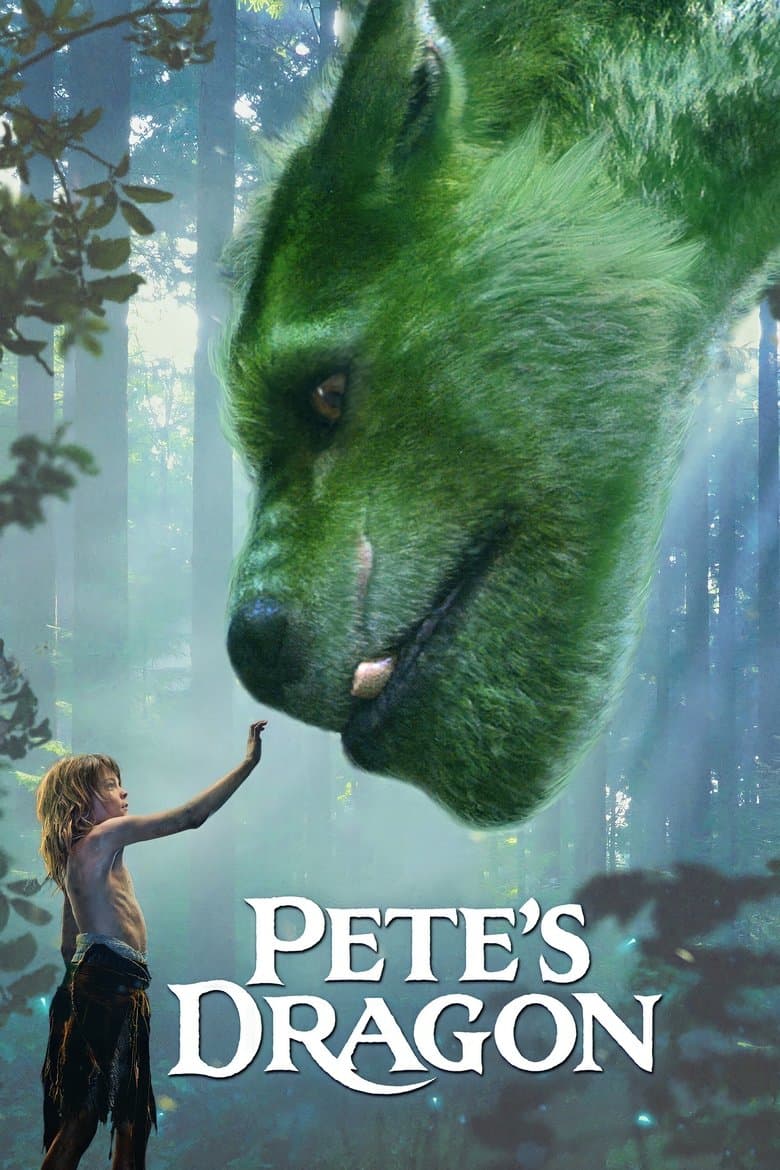
For years, old wood carver Mr. Meacham has delighted local children with his tales of the fierce dragon that resides deep in the woods of the Pacific Northwest.
Movie · 2016
After a threat from the tiger Shere Khan, Mowgli, a man-cub fostered by wolves, is forced to flee the jungle, and he embarks on a journey of self-discovery with the help of the…

Movie · 2021
An ordinary young boy called Nikolas sets out on an extraordinary adventure into the snowy north in search of his father who is on a quest to discover the fabled village of the…

Movie · 2021
As Emily struggles to fit in at home and at school, she discovers a small red puppy who is destined to become her best friend.
Movie · 2017
Mary Smith, a young girl who lives with her great-aunt in the countryside, follows a mysterious cat into the nearby forest where she finds a strange flower and an old broom, none…
Movie · 2019
The untold true story set in the winter of 1925 that takes you across the treacherous terrain of the Alaskan tundra for an exhilarating and uplifting adventure that will test the…
