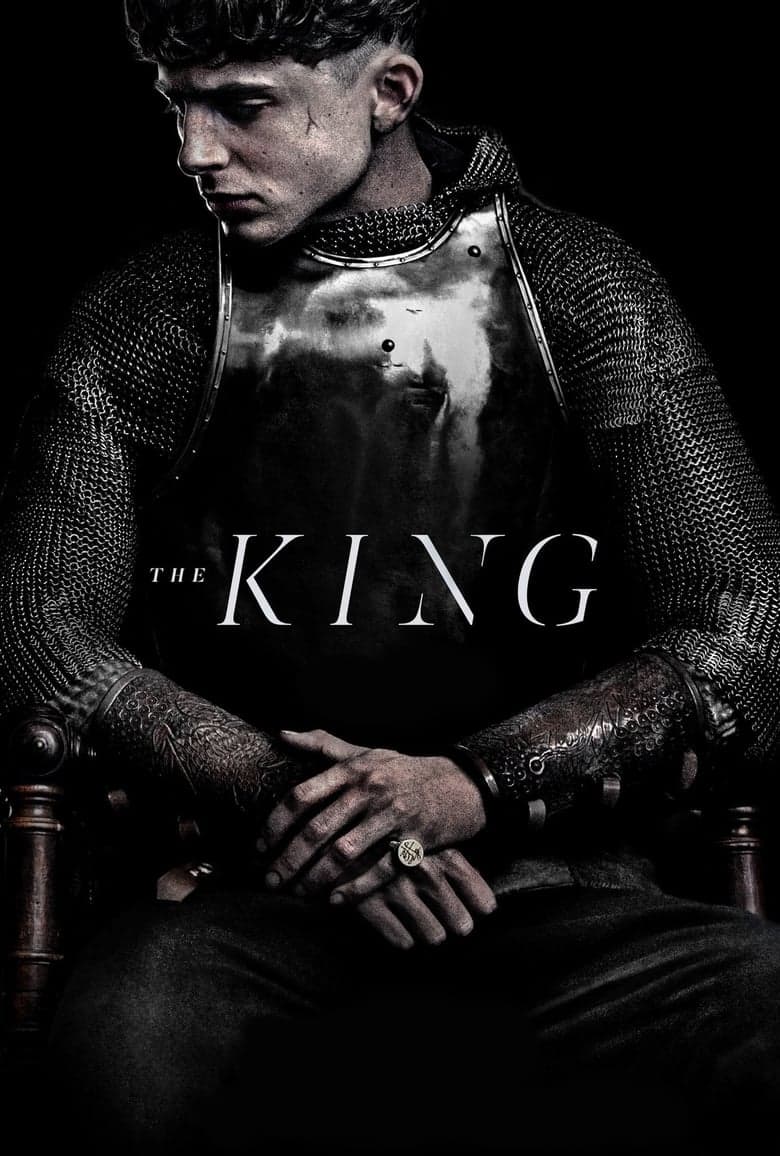
The King follows Hal, a young English prince who has turned away from court life and spends his days drinking with the old soldier John Falstaff. When Hal’s father dies, he becomes Henry V and must rule a divided kingdom. He faces palace plots, a false claim that France is preparing an attack, and a brutal war that leads to Agincourt. The film uses dark colors, plain speech, and muddy battles to show a young man losing his peace as power closes around him.
The film gives its clearest modern message to the question of how men use power. Hal begins by rejecting his father’s violent rule and says he wants peace, but he slowly becomes the kind of ruler he feared. Catherine of Valois then becomes a clear voice of reason, telling him that proud advisers pushed him into a war that served their own plans. Queen Philippa also warns him about court games, so women often act as the story’s wiser answer to the vanity and violence of the men around them. These ideas are easy to notice, but they support a historical kingship and war story rather than taking over the whole film.
Community feedback
Was our 50% Woke rating accurate?
Breakdown
These are the editorial factors and ratings behind our score for The King.
Woke representation / casting
The film uses a mostly European cast that fits its English and French setting, so it does not show a race-based diversity push. Catherine gets a clear voice in the final act, while Queen Philippa and tavern owner Hooper also act as wise correctives to the men. The production presents Catherine as a strong female character and women as clear observers in a world run by vain men. This is a small gender-representation signal, not a cast-wide identity program.
15%
Woke political dialogue
Hal says that war is pointless and tries to rule through peace before advisers push him toward France. Catherine later asks why he went to war and says his victory rests on false grounds. She also says that all monarchs are illegitimate, which directly challenges royal power. The film uses plain modern speech for these ideas, but it does not use current party slogans or identity language.
28%
Identity-driven story themes
The story ties bad rule to toxic masculinity and male vanity. Hal begins as a peace-minded young man who rejects his father’s violent model, but the crown pulls him into the same power games. Catherine, Philippa, and Hooper are shown as people who see through the men’s pride and give the truth. The film makes this gender message important to Hal’s change, but the main plot remains a historical rise to power and a war.
41%
Western institutional / cultural critique
The film shows the royal court as a broken institution filled with advisers who serve their own power. It presents the monarchy, conquest, and warrior ideals as systems that trap Hal and turn him into a harsher ruler. The production also linked this old court to modern questions about power, masculinity, and male privilege. It does not mock Christianity or attack ordinary family life, so the critique stays focused on rulers, advisers, and war.
34%
Woke character or canon changes
The film changes Shakespeare’s story by keeping Falstaff alive through the French campaign and making him a battle-worn guide. That change is mainly about plot and character, not woke messaging. The main identity-driven change gives Catherine a much larger role, with her challenging Henry and exposing the advisers’ lie after the battle. The film also makes Hal a peace-minded critic of male power, which is a modern reading of the king. These changes are clear, but they remain secondary to the main war story.
33%
Anti-woke backlash and complaints
One Shakespeare-focused review called Catherine a “woke Republican princess” and objected to her late arrival as a smart, progressive voice who takes control of the final debate. Another online viewer said the ending felt like Netflix’s moralistic and political pandering. These complaints were niche and were mixed with ordinary anger about the script, history, pacing, and French accent. No major news story or large organized boycott focused on woke or DEI content.
18%
Creator track record context
Michôd and Edgerton are mainly known for crime, war, family, and power stories, with no strong pattern of identity activism. Plan B producers Dede Gardner and Jeremy Kleiner add mild social-issue context through films about social problems. Brad Pitt and Liz Watts add little relevant signal for this project. The group gives light background for the film’s modern gender themes, but it does not show a strong activist track record.
24%
Production
Movie · 2019
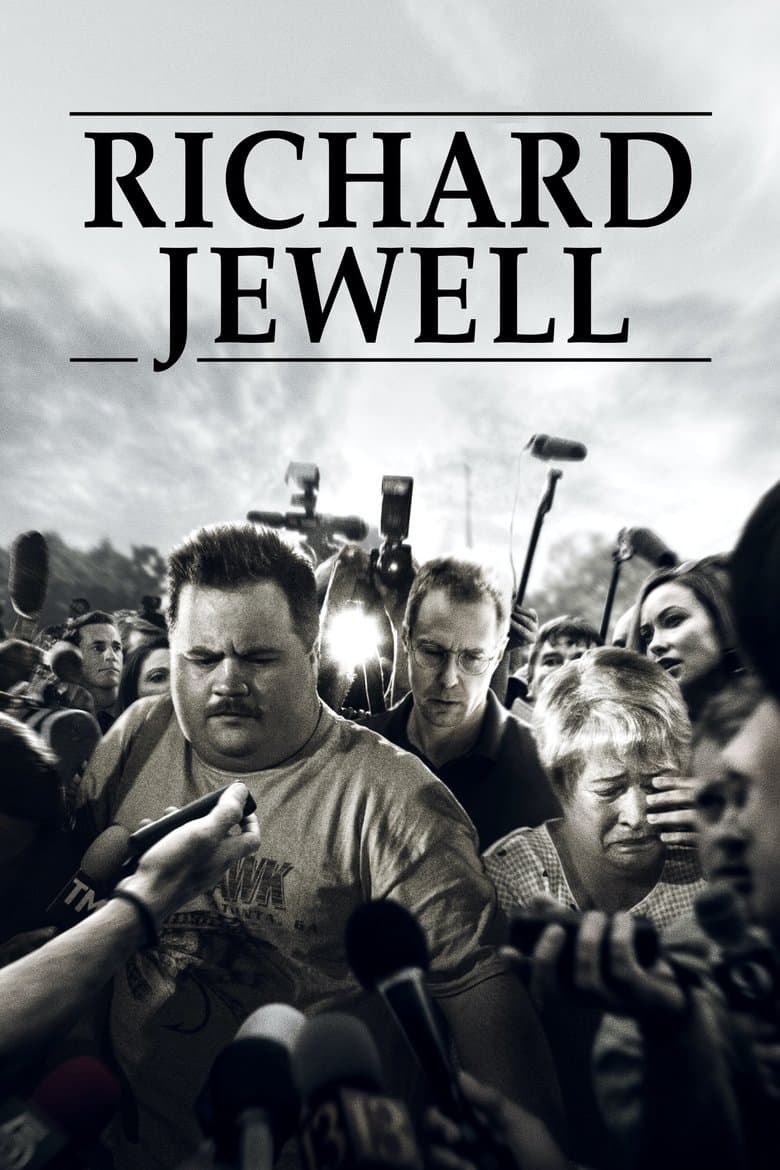
Richard Jewell thinks quick, works fast, and saves hundreds, perhaps thousands, of lives after a domestic terrorist plants several pipe bombs and they explode during a concert…
Movie · 2024
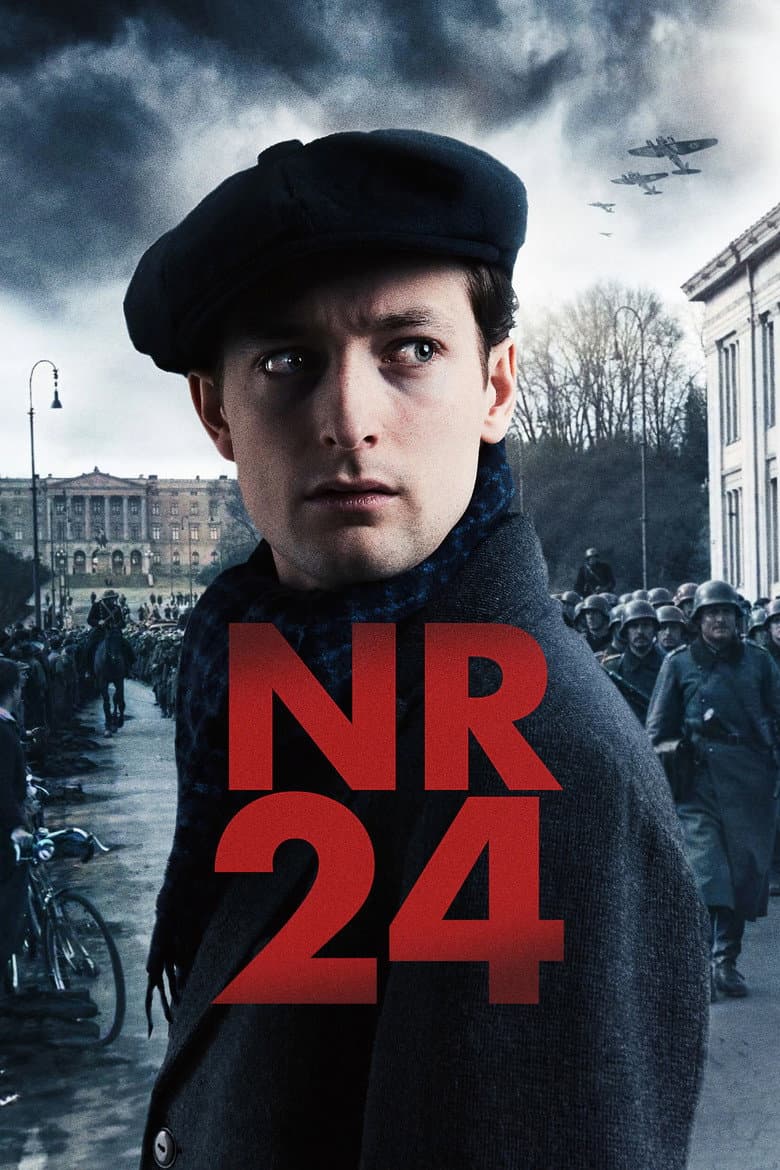
On the brink of the Second World War, a young Norwegian man's drive to resist the Nazis sets a new course for his future – and the future of his country.
Movie · 2016
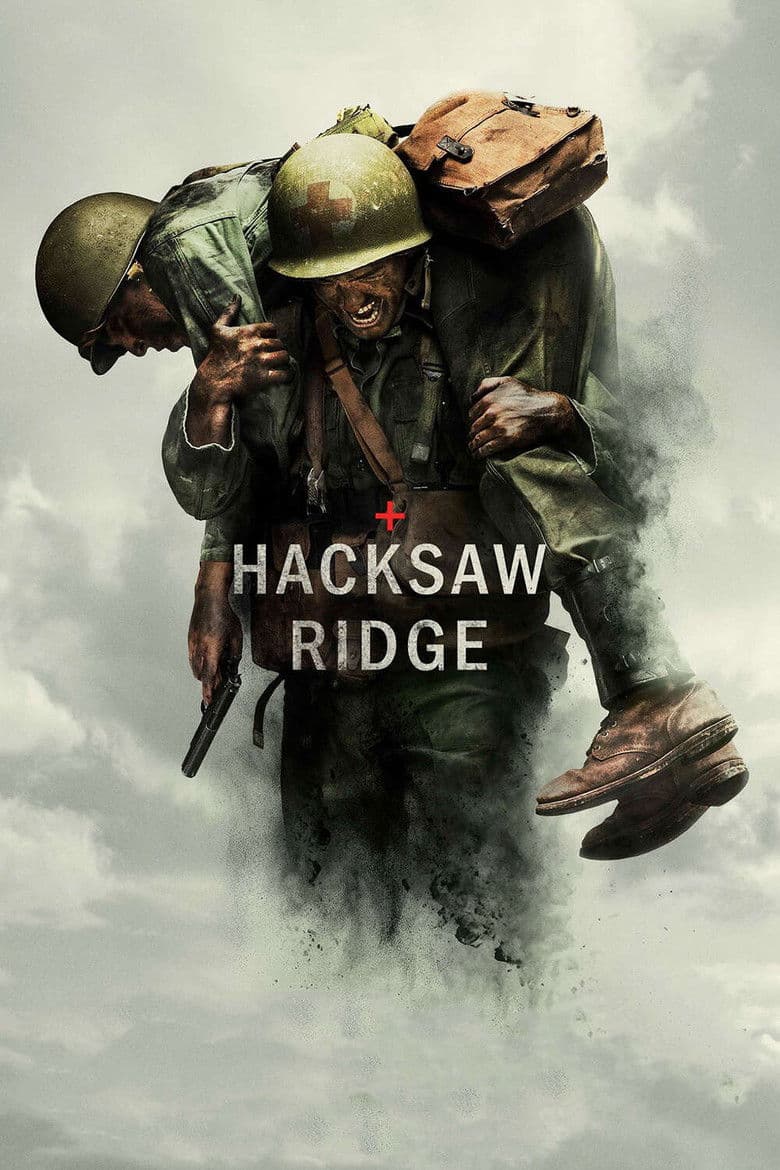
WWII American Army Medic Desmond T. Doss, who served during the Battle of Okinawa, refuses to kill people and becomes the first Conscientious Objector in American history to…
Movie · 2023
The story of J. Robert Oppenheimer's role in the development of the atomic bomb during World War II.
Movie · 2025
Diagnosed with Tourette Syndrome at 15, John Davidson navigates his way against the odds through troubled teenage years and into adulthood, finding inspiration in the kindness of…
Movie · 2016
In a desolate war zone where screams of the innocent echo, on the very line between disaster and valor, 7 Maroon Berets will dance with death.
Movie · 2025
A logger leads a life of quiet grace as he experiences love and loss during an era of monumental change in early 20th-century America.
Movie · 2025
Marty Mauser, a young man with a dream no one respects, goes to hell and back in pursuit of greatness.
