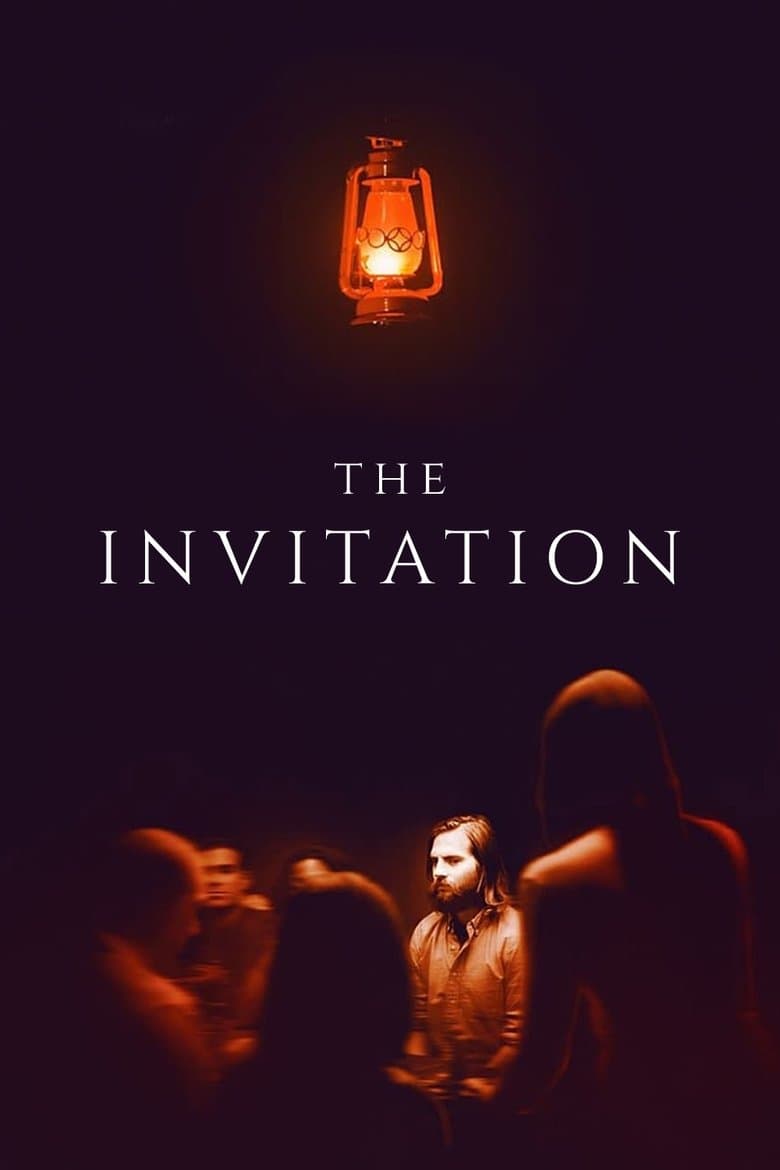
The Invitation is a slow-burn horror thriller set at a dinner party in the Hollywood Hills. Will returns to a gathering hosted by his ex-wife and her new partner after years of distance. Guests share food, wine, and careful small talk while old wounds stay close to the surface. Grief over a dead child shapes the night and deepens Will’s fear. The hosts push a new-age cult message about releasing pain, and the story builds around politeness, suspicion, and a deadly plan.
The cast is intentionally multi-racial, including a black co-lead, Asian guests, and a Latino guest. Will and Kira form an interracial couple treated as ordinary rather than as a source of conflict. A gay couple, Tommy and Miguel, also appears among the dinner guests. The film does not use activist speeches about race, gender, or identity politics. The visible woke signal is purposeful diverse casting and that gay couple, not an identity-first plot.
Community feedback
Was our 31% Woke rating accurate?
Breakdown
These are the editorial factors and ratings behind our score for The Invitation.
Woke representation / casting
The dinner party group is multi-racial on purpose, with a black co-lead, Asian and Latino guests, and an interracial couple treated as normal. A gay couple is also shown on screen. The filmmakers said this mix was intentional and about representation. That makes the diversity signal real, even if the setting could support it on its own.
44%
Woke political dialogue
Not present. Dialogue centers on grief, suspicion, politeness, and a death-cult pitch, with no activist rhetoric about race, gender equity, systemic oppression, or identity politics.
0%
Identity-driven story themes
Not present. Core narrative is grief, PTSD and paranoia, horror of manners, and a new-age cult’s murder-suicide plan. LGBTQ presence is ensemble casting, not a queer-identity arc or identity-politics thesis.
0%
Western institutional / cultural critique
Not present. Targets cult coercion, social politeness, and LA spiritual reinvention mythology, not activist attacks on Christianity, patriarchy, whiteness, capitalism, or conservative norms as modern identity ideology.
0%
Woke character or canon changes
Not relevant. Original screenplay with no established IP, historical figures, or identity-driven canon rewrites.
0%
Anti-woke backlash and complaints
Not present. No meaningful anti-woke, too-DEI, or identity-agenda backlash trail. Reception praised craft and tension, and diversity was noted positively rather than as right-leaning controversy.
0%
Creator track record context
Director Karyn Kusama is linked to women-led filmmaking and talked about feminism as humanism plus purposeful casting for this film. The writers are mainly craft-focused. Gamechanger Films and equity-fund producers raise the team’s diversity context even though the story itself is not activist messaging.
46%
Production

Movie · 2018
Two sisters are trapped under the fiberglass cover of an Olympic sized public pool and must brave the cold and each other to survive the harrowing night.
Movie · 2017
Two brothers return to the cult they fled from years ago to discover that the group's beliefs may be more sane than they once thought.

Movie · 2025
Four years after defeating The Grabber, Finney Blake is struggling with life after captivity. When his younger sister Gwen begins receiving calls in her dreams from the Black…

Movie · 2025
A collection of Halloween-themed videotapes unleashes a series of twisted, blood-soaked tales, turning trick-or-treat into a struggle for survival.
Movie · 2017
Two sisters on Mexican vacation are trapped in a shark observation cage at the bottom of the ocean, with oxygen running low and great whites circling nearby, they have less than…

Movie · 2018
Laurie Strode comes to her final confrontation with Michael Myers, the masked figure who has haunted her since she narrowly escaped his killing spree on Halloween night four…
Movie · 2017
A straight-edged teacher finds trouble when an honors student is willing to do anything to get an A.
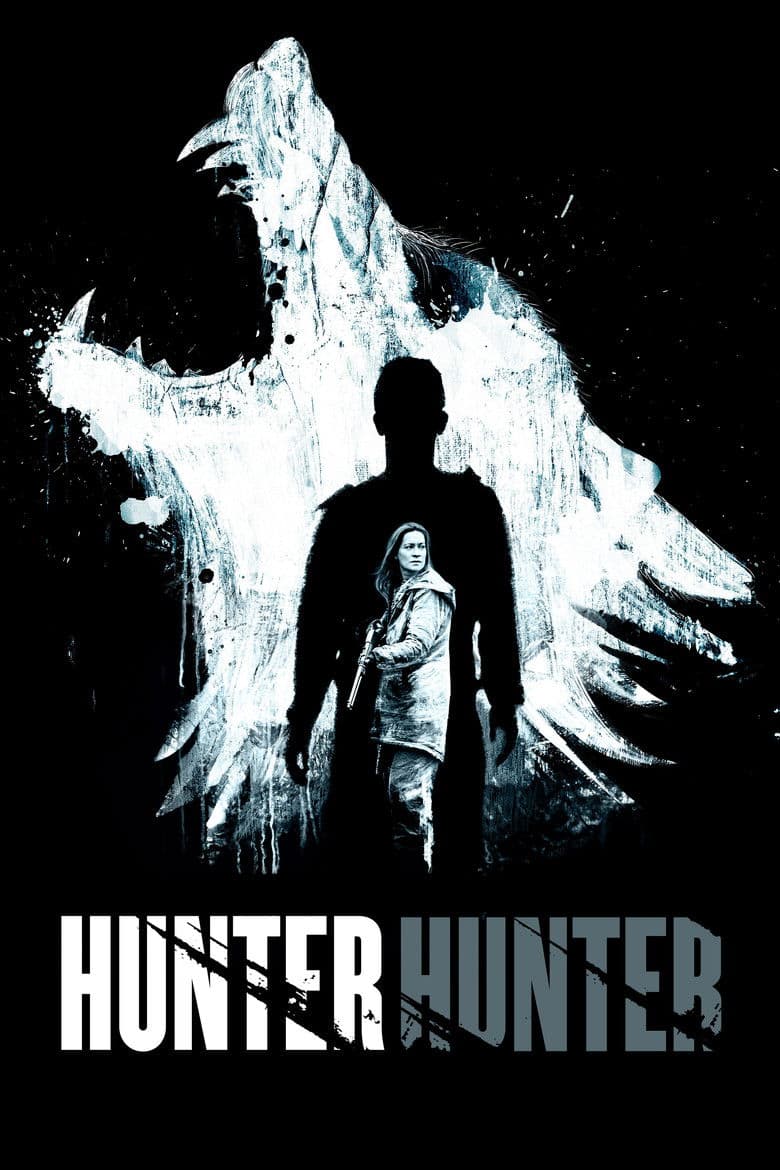
Movie · 2020
A fur trapper leaves his wife and daughter behind to kill a rogue wolf in the remote wilderness, but they soon become increasingly worried when their peaceful existence is…
