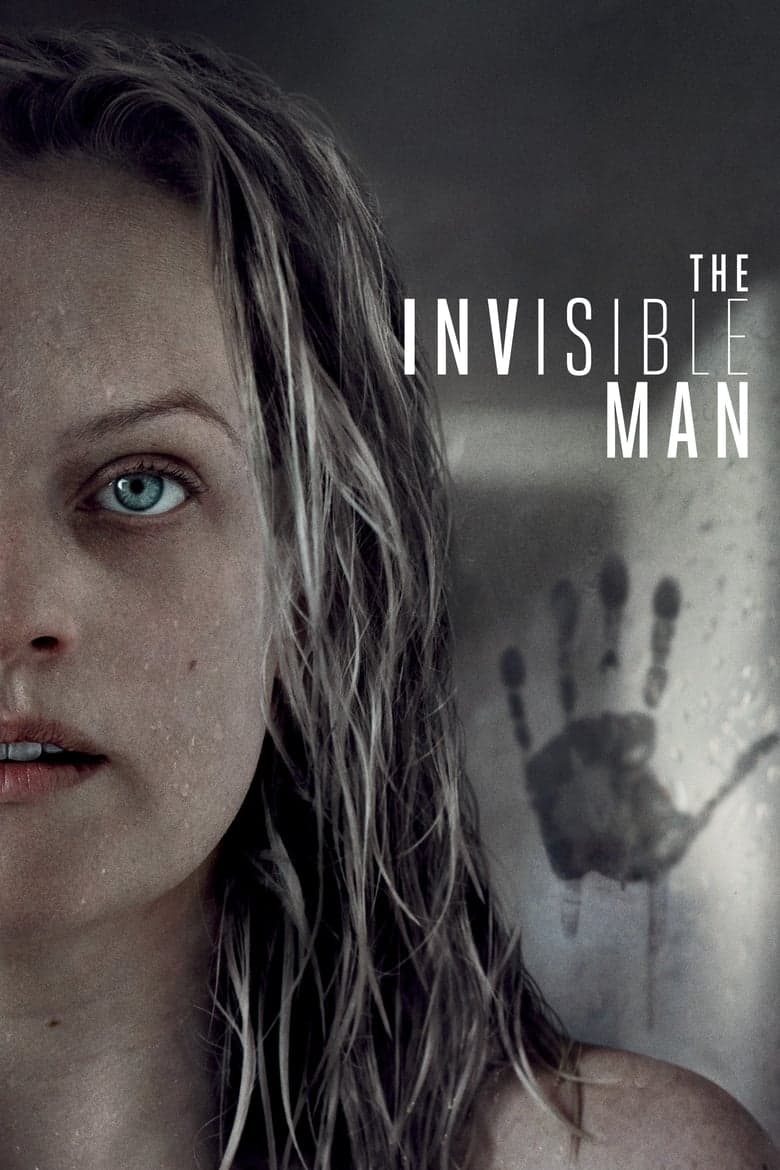
This sci-fi thriller follows a woman named Cecilia as she escapes her abusive tech-billionaire boyfriend. After he reportedly commits suicide, she starts to believe he is actually alive, invisible, and stalking her. The film serves as a highly visible allegory for the MeToo movement, focusing heavily on themes of domestic abuse, gaslighting, and female empowerment. While it works well as a tense horror thriller, the storyline is driven entirely by modern feminist ideas about toxic masculinity and the struggle to believe female victims.
Community feedback
Was our 77% Woke rating accurate?
Breakdown
These are the editorial factors and ratings behind our score for The Invisible Man.
Woke representation / casting
The film casts black actors Aldis Hodge and Storm Reid as a highly supportive father-daughter duo who act as Cecilia's main protectors. While this casting fits the modern San Francisco setting, it reflects contemporary Hollywood's prominent diversity-casting priorities rather than the original H.G. Wells story.
30%
Woke political dialogue
The movie avoids using explicit activist buzzwords like "patriarchy" or "systemic privilege." The characters speak naturally about personal abuse, gaslighting, and fear, keeping the ideological messaging grounded in the plot rather than delivered through spoken lectures.
12%
Identity-driven story themes
The core plot is a direct feminist metaphor for domestic abuse and the "believe women" movement. It explores the psychological horror of gaslighting, includes a subplot about reproductive control where the abuser tampers with birth control, and ends with a message of vigilante self-liberation.
65%
Western institutional / cultural critique
The narrative critiques toxic masculinity and male entitlement by framing a wealthy male tech-genius as a monstrous abuser. It also shows established institutions, like the police, mental health facilities, and the legal system, as entirely useless at helping or believing female victims.
55%
Woke character or canon changes
The film replaces the classic mad scientist protagonist with his female victim. Instead of a formula-induced descent into global chaos, the invisible man is turned into a high-tech domestic abuser using a stealth suit to stalk his ex, converting a classic sci-fi tragedy into a feminist allegory.
50%
Anti-woke backlash and complaints
Some commentators criticized the film for pushing a MeToo-inspired feminist agenda and promoting vigilante justice. Online debates also grew after media outlets used the film's box office success to attack anti-woke sentiments, with viewers arguing the movie succeeded purely because it was a good thriller.
35%
Creator track record context
The creative team is a mix of commercial horror professionals and progressive producers. While writer-director Leigh Whannell has a low activist profile, key producers Ben Grant, Rosemary Blight, and Jennifer Scudder Trent have a strong history of backing identity-focused and feminist projects.
38%
Production
Movie · 2024
After an experimental drug trial goes awry, the test subjects face a terrifying side effect: if you fall asleep you die.

Movie · 2020
Two New Orleans paramedics' lives are ripped apart after encountering a series of horrific deaths linked to a designer drug with bizarre, otherworldly effects.
Movie · 2025
On the mysterious planet of Ash, Riya awakens to find her crew slaughtered. When a man named Brion arrives to rescue her, an ordeal of psychological and physical terror ensues…

Movie · 2020
A group of World War II American soldiers encounter a supernatural enemy as they occupy a French castle previously under Nazi control.

Movie · 2019
A man steps out of a park fountain in Ho Chi Minh City with no recollection of who he is or where he came from.
Movie · 2018
Held captive in a futuristic smart house, a woman hopes to escape by befriending the A.I. program that controls the house.
Movie · 2019
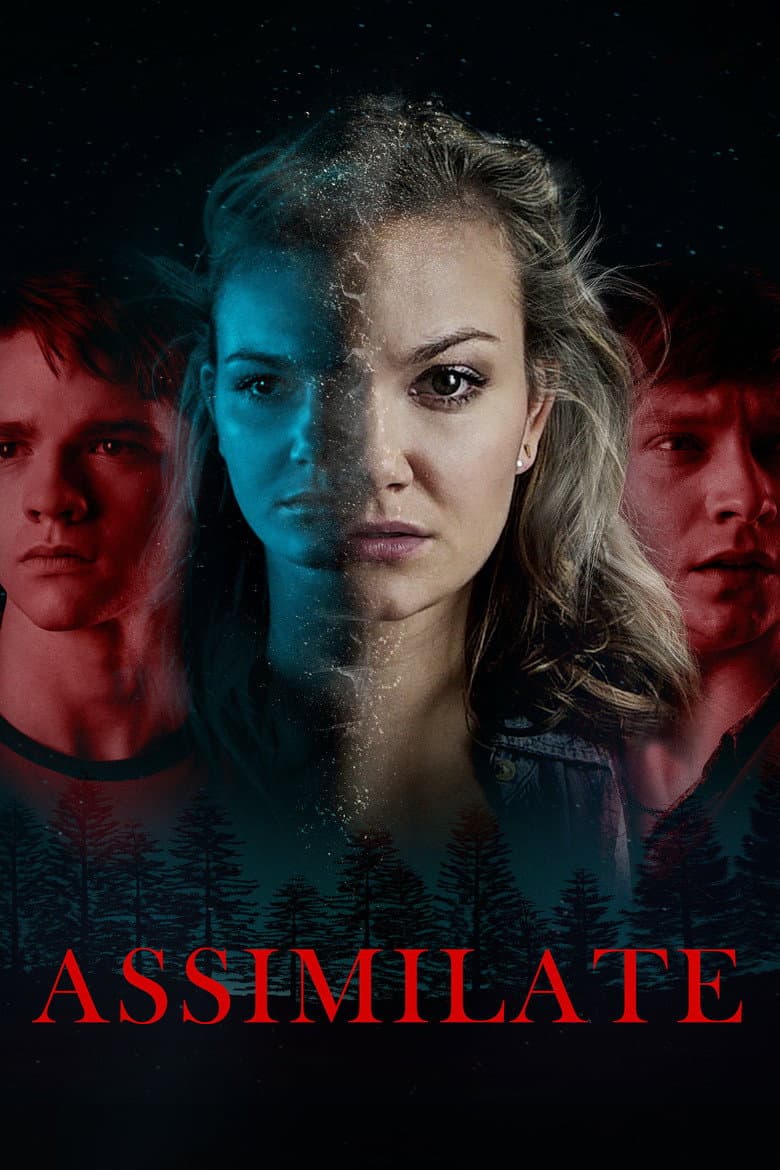
Three friends making a web series about their town discover that their neighbors are being killed and replaced by creatures who are perfect copies of their victims.

Movie · 2023
A powerful biotech company has breakthrough technology allowing them to clone history’s most influential people with just a few fragments of DNA.
