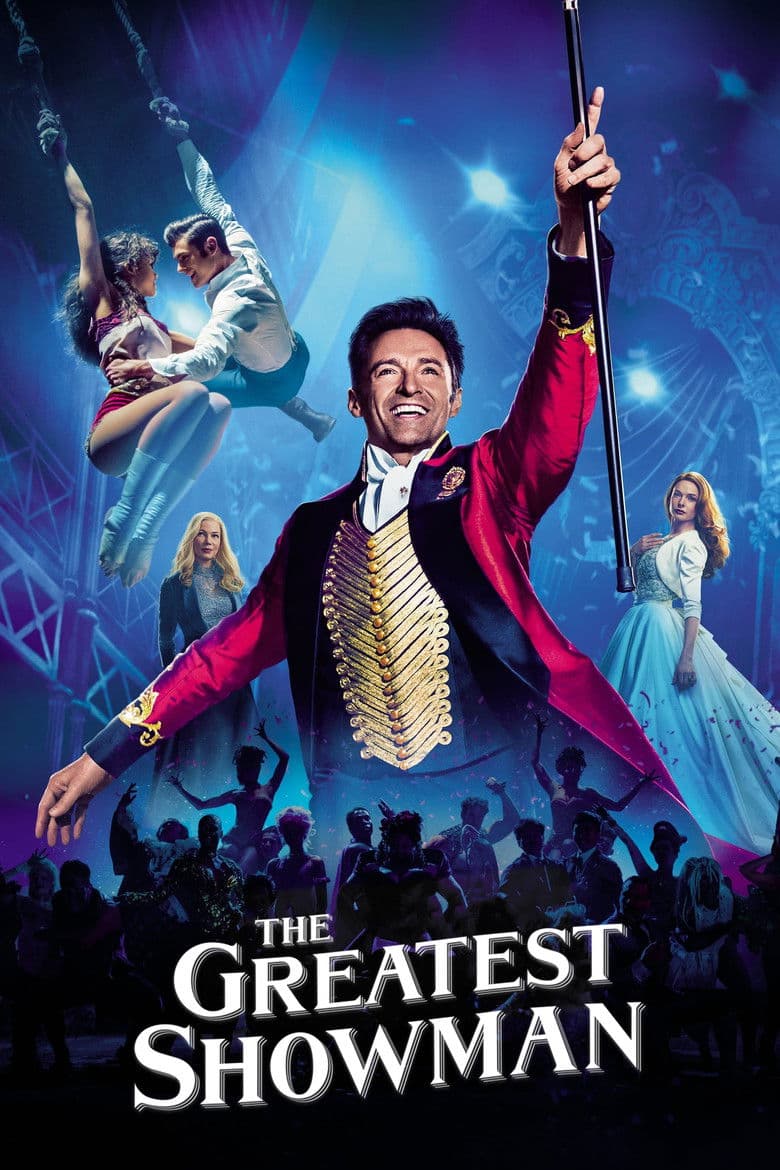
A glossy, heavily fictionalized musical biopic of P.T. Barnum follows his rise from poverty to circus impresario. It covers his marriage, his ambition, and a found family of oddities. The story mixes spectacle and pop anthems with a push for self-acceptance among outcasts. A central interracial romance is blocked by elite social prejudice.
The film makes inclusion and dignity for people marked as different a major narrative engine. Multiethnic casting and a high-profile mixed-race love story are easy to see. Songs like This Is Me and Rewrite the Stars push belonging and self-worth for the troupe. High society and snobbish elites appear as cruel gatekeepers, while the film softens Barnum into a warm champion of misfits. Viewers will notice the acceptance messaging even when the tone stays broad rather than hard political theory.
Community feedback
Was our 56% Woke rating accurate?
Breakdown
These are the editorial factors and ratings behind our score for The Greatest Showman.
Woke representation / casting
Multiethnic circus company and a prominent interracial romance are clearly visible as deliberate modern emphasis rather than pure period reconstruction
32%
Woke political dialogue
No modern DEI slogans, but This Is Me and dialogue about social rejection and class snobbery frame prejudice in plain moral terms
30%
Identity-driven story themes
Inclusion and dignity for people marked as different is a major narrative engine via This Is Me, Rewrite the Stars, and the troupe’s arc
48%
Western institutional / cultural critique
High society and elite taste are cruel gatekeepers in ordinary class-elitism satire, not anti-Christian or systemic activism, and Barnum’s return to family is affirmed
28%
Woke character or canon changes
Real Barnum is reinvented as a warm champion of misfits with an invented interracial romance and softened exploitation for modern inclusion uplift
40%
Anti-woke backlash and complaints
No major sustained right-leaning too-woke campaign, with loud criticism mostly progressive and documented anti-woke backlash weak
8%
Creator track record context
Average pulled up by Condon, Mark, Telsey, and Davis progressive or DEIA-linked profiles, while Gracey and Bicks are low-signal craft profiles
38%
Production

Movie · 2018
A father and daughter live a perfect but mysterious existence in Forest Park, a beautiful nature reserve near Portland, Oregon, rarely making contact with the world.
Movie · 2023
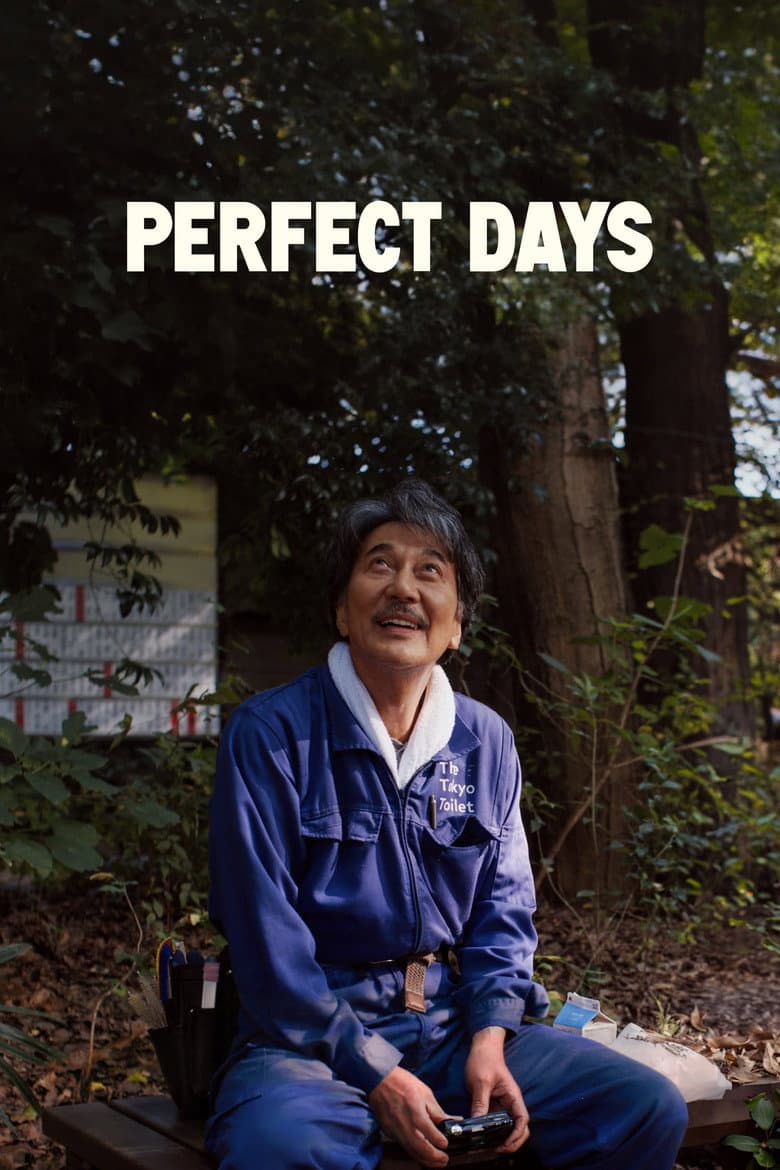
Hirayama is content with his life as a toilet cleaner in Tokyo. Outside of his structured routine, he cherishes music on cassette tapes, books, and taking photos of trees.
Movie · 2023
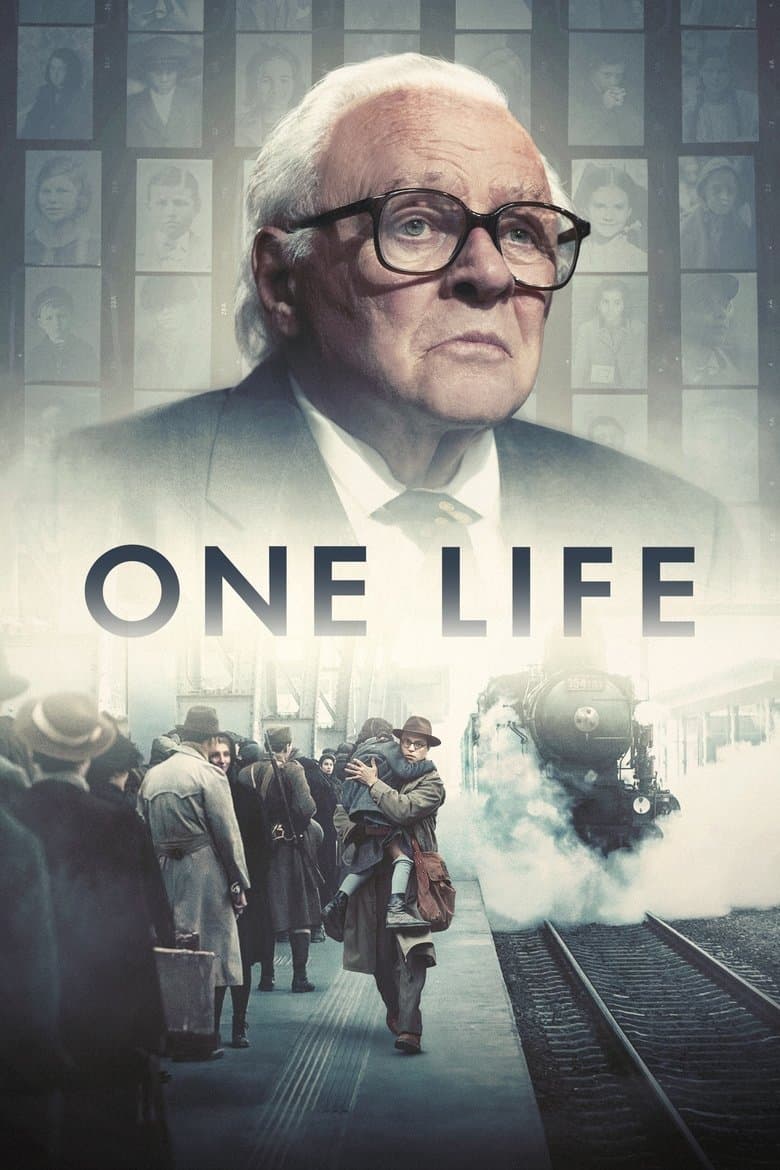
British stockbroker Nicholas Winton visits Czechoslovakia in the 1930s and forms plans to assist in the rescue of Jewish children before the onset of World War II, in an operation…

Movie · 2024
Inspired by the incredible true story of a hairdresser who single-handedly rallies an entire community to help a widowed father save the life of his critically ill young daughter.
Movie · 2016
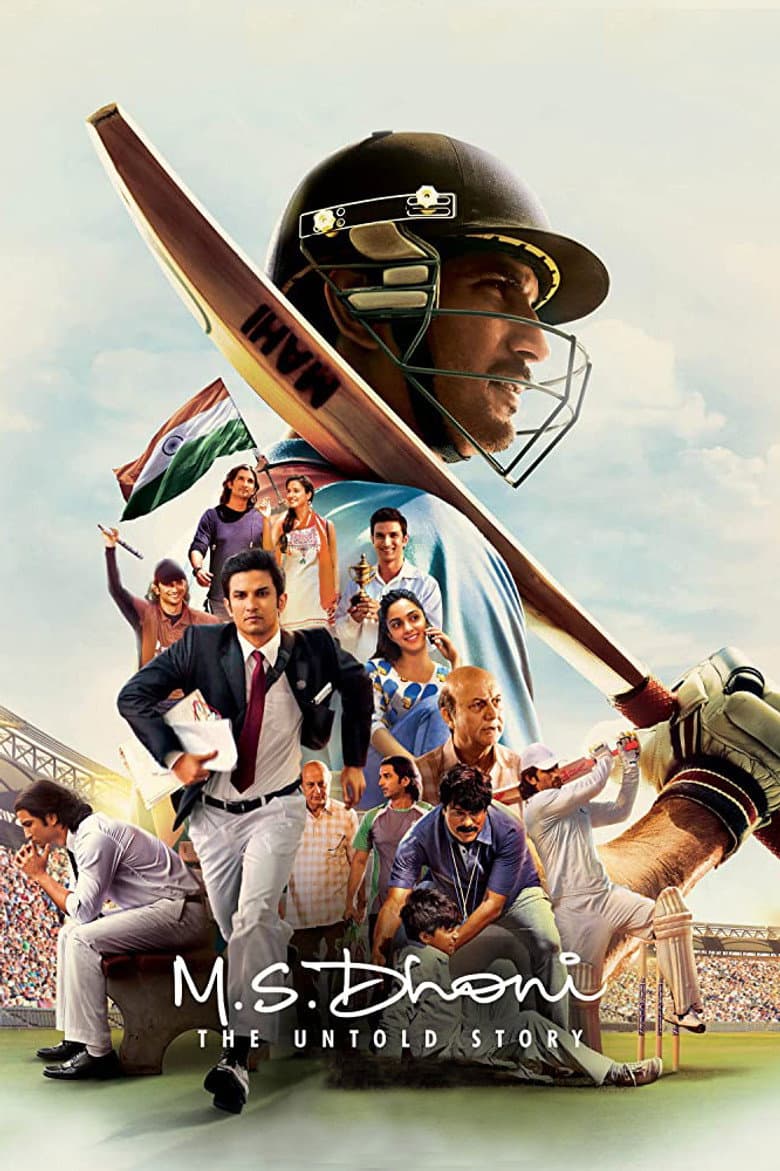
Based on the life story of Mahendra Singh Dhoni, and his journey to being the world cup winning captain of the Indian cricket team.

Movie · 2019
A look at the Apollo 11 mission to land on the moon led by commander Neil Armstrong and pilot Buzz Aldrin.
Movie · 2021
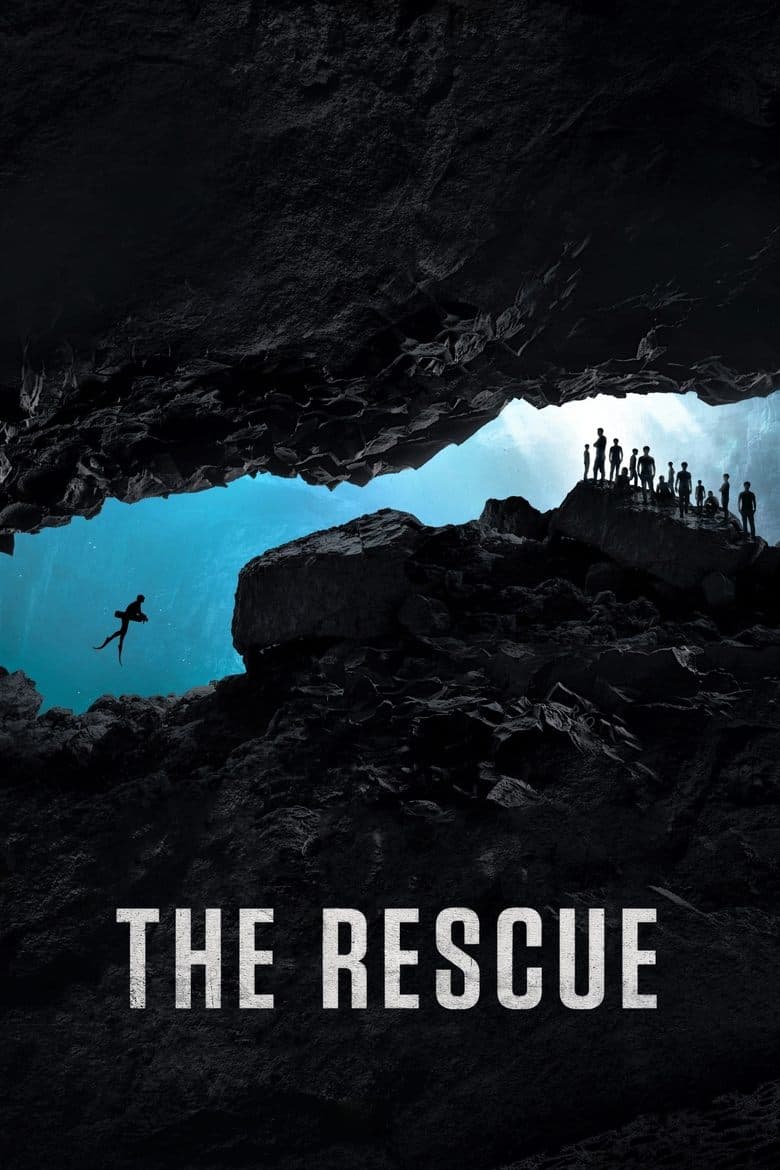
The enthralling, against-all-odds story that transfixed the world in 2018: the daring rescue of twelve boys and their coach from deep inside a flooded cave in Northern Thailand.
Movie · 2018
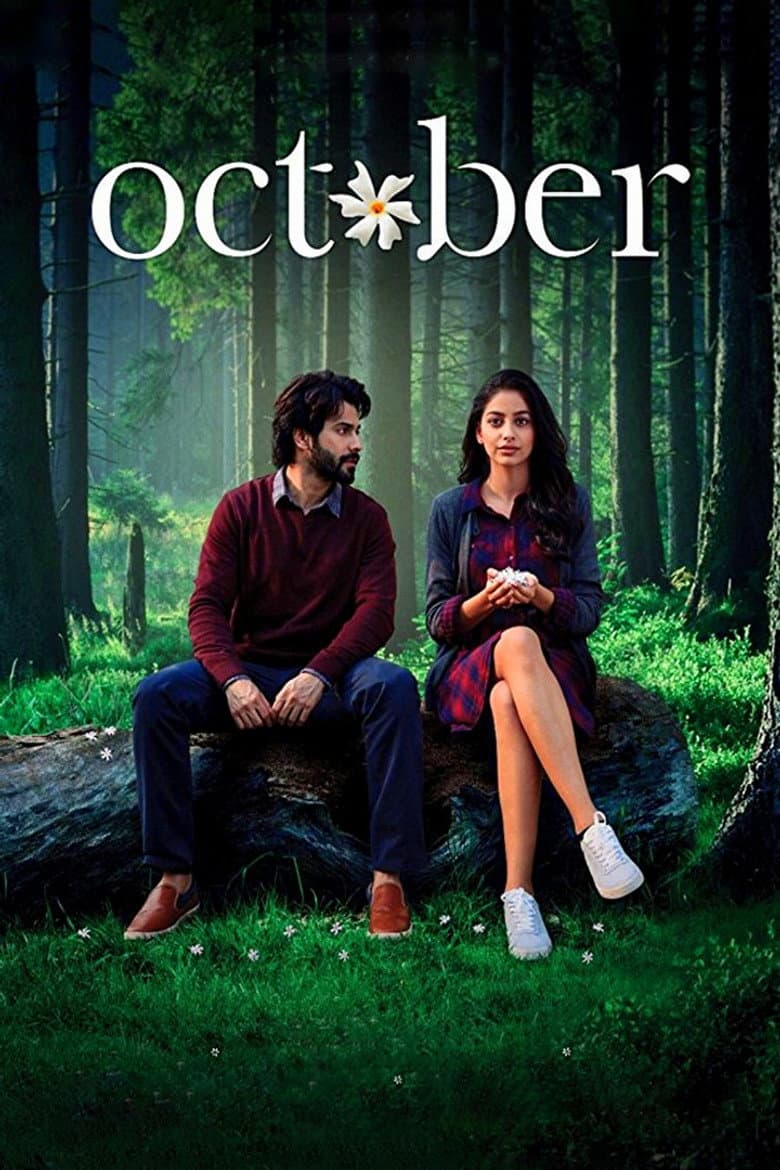
Dan, a 21-year-old carefree boy is always surrounded by a bunch of friends and fellow hotel interns who feed off each other's everyday moments, their ups and downs.
