
Bernard Jordan is a 90-year-old World War II veteran living in a care home on the English coast with his wife, Irene. He slips away and travels by train and ferry to Normandy for the 70th anniversary of D-Day. His trip lets him meet old and new veterans, visit a fallen friend, and face painful memories from the landing. The film is a gentle drama with dry jokes, grief, love, and a strong sense of wartime remembrance.
The main audience-visible focus is Bernard’s survivor guilt, post-traumatic stress, and wish to remember men who died beside him. The film also gives Irene a full emotional role as a loving wife who is seriously ill and quietly puts her affairs in order. A black nurse and a young black veteran with a missing leg appear in supporting roles, but the story does not treat their identity as a cause or lesson. The film questions simple patriotic hero stories by showing the private pain behind the public D-Day ceremony, yet it stays personal rather than activist.
Community feedback
Was our 16% Woke rating accurate?
Breakdown
These are the editorial factors and ratings behind our score for The Great Escaper.
Woke representation / casting
The film gives named supporting roles to Danielle Vitalis as Adele, a black care worker, and Victor Oshin as Scott, a young black veteran who lost a leg in Afghanistan. Adele has a real relationship with Irene, while Scott has a short scene about his war trauma. Vitalis said the Adele role mattered because black people are not often shown in care and medical jobs. The central couple and main journey remain tied to the real white British couple.
22%
Woke political dialogue
Not present. Bernard and the veterans talk about war, guilt, death, and remembrance. The film has no current activist speeches or identity-political lectures.
0%
Identity-driven story themes
Not present. The story follows one veteran’s guilt, aging, marriage, and effort to honor a friend. It does not build its message around race, gender, sexuality, or group identity.
0%
Western institutional / cultural critique
Not present. The film shows care-home rules, media hype, and the gap between public ceremony and private grief. It does not turn these subjects into a modern attack on Western institutions, family life, Christianity, or traditional social norms.
0%
Woke character or canon changes
Not relevant. The movie dramatizes Bernard Jordan’s documented 2014 trip and adds fictional scenes about PTSD and his marriage. It does not make an identity-based or political change to the real people or events.
0%
Anti-woke backlash and complaints
Not present. The available X pass found no anti-woke complaints. Web discussion focused on acting, patriotism, sentimentality, faith, and war trauma rather than woke or DEI messaging.
0%
Creator track record context
Eva Yates has supported under-represented creators and diverse-led projects. Cameron McCracken has backed films with LGBTQ+ activism and women’s rights themes. William Ivory has written about a women’s equal-pay strike, while Oliver Parker and most other listed producers show little clear activist focus. The film itself is not framed around those issues.
24%
Production
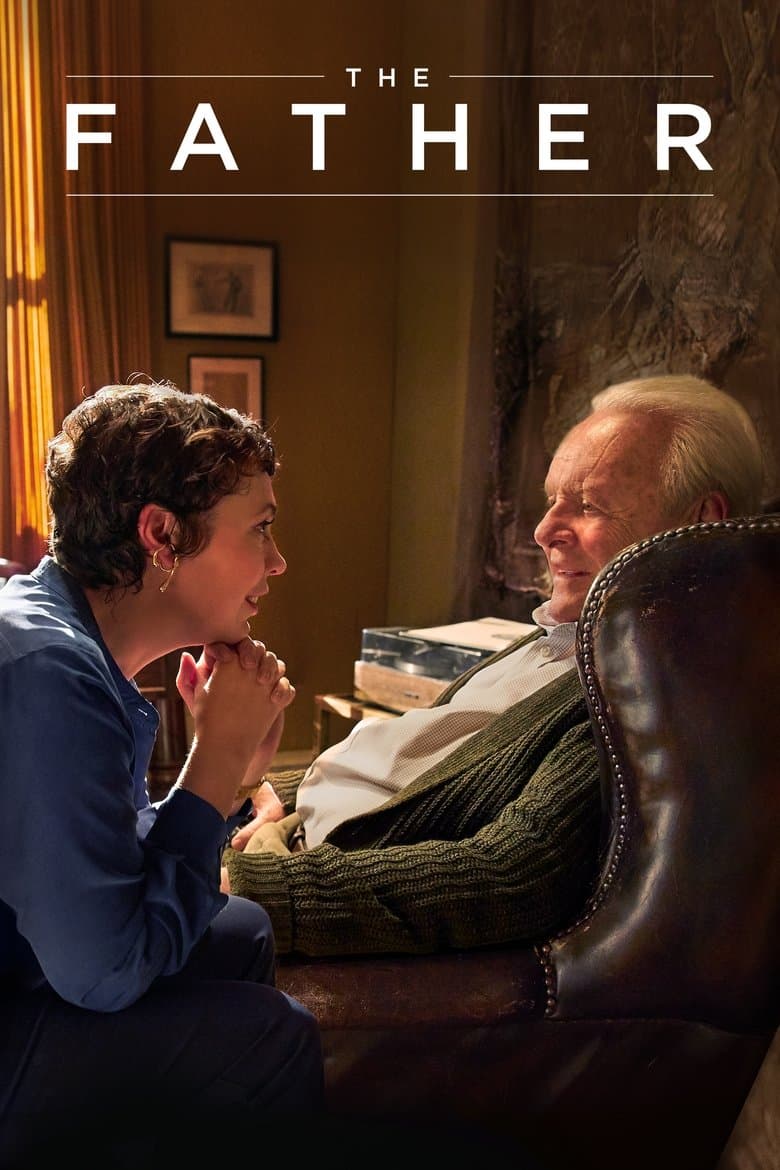
Movie · 2020
A man refuses all assistance from his daughter as he ages and, as he tries to make sense of his changing circumstances, he begins to doubt his loved ones, his own mind and even…

Movie · 2026
While people across 1990s Iraq struggle to survive the war and food shortages, Saddam Hussein requires each school in the country to prepare a cake to celebrate his birthday.
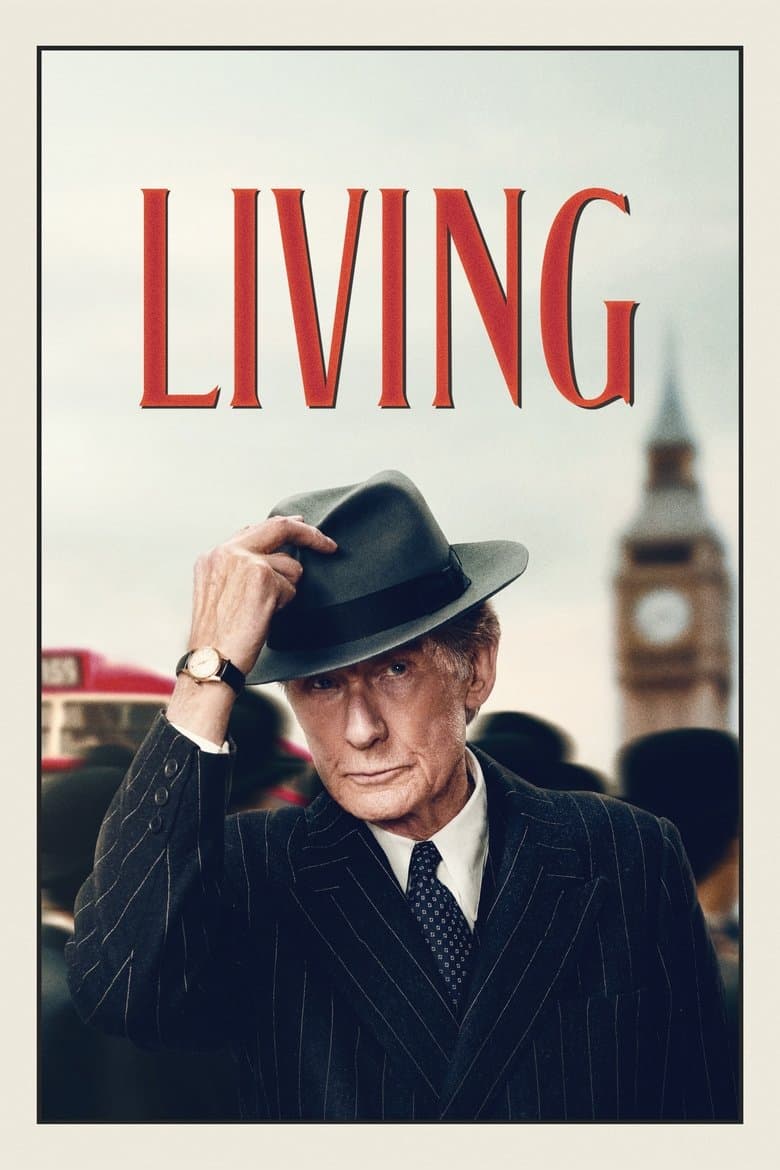
Movie · 2022
London, 1953. Mr. Williams, a veteran civil servant, is an important cog within the city's bureaucracy as it struggles to rebuild in the aftermath of World War II.
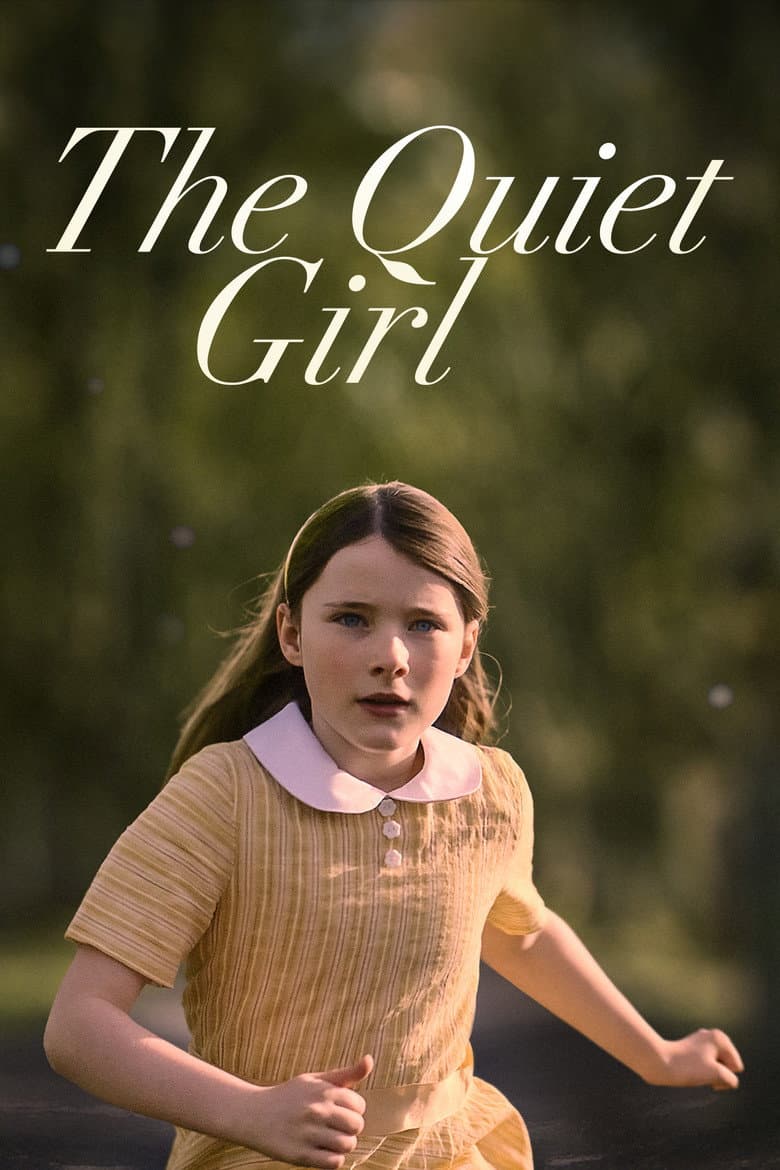
Movie · 2022
A quiet, neglected girl is sent away from her dysfunctional family to live with relatives for the summer. She blossoms in their care, but in this house where there are meant to be…
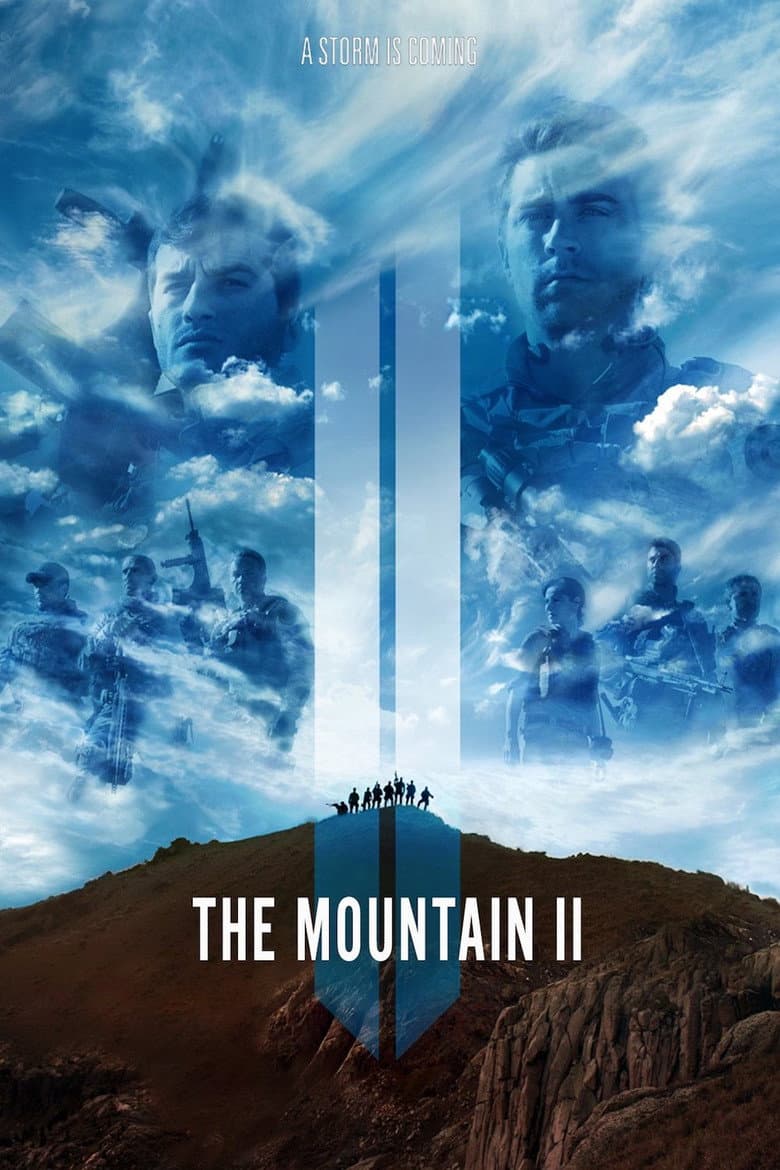
Movie · 2016
In a desolate war zone where screams of the innocent echo, on the very line between disaster and valor, 7 Maroon Berets will dance with death.
Movie · 2017
Members of the Granite Mountain Hotshots battle deadly wildfires to save an Arizona town.

Movie · 2023
American ballet dancer Joy Womack is accepted into Moscow's infamously tough Bolshoi Ballet Academy, with the dream of becoming a great ballerina.
Movie · 2019
Richard Jewell thinks quick, works fast, and saves hundreds, perhaps thousands, of lives after a domestic terrorist plants several pipe bombs and they explode during a concert…
