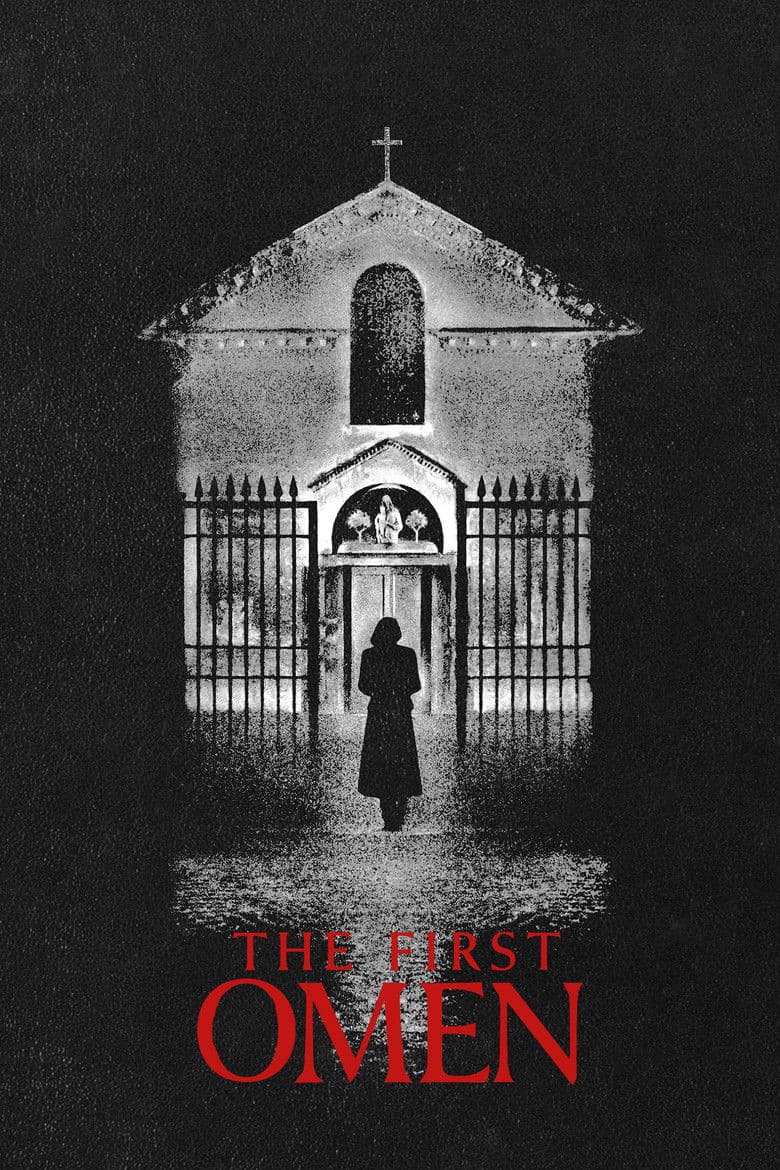
Margaret is a young American woman who goes to Rome in 1971 to train as a nun and work at a Catholic orphanage. She bonds with a troubled orphan girl and soon uncovers a secret plan by some church leaders to bring the Antichrist into the world through terrible acts against women. The story follows her growing fear, loss of faith, and fight against dark forces in a horror tale full of body terror and conspiracy.
The movie puts strong focus on a woman's body being taken over and used against her will by powerful church figures. It centers the horror of forced pregnancy, loss of control, and birth as key parts of the story. Director Arkasha Stevenson has said in interviews that she wanted a female point of view and to show the special fears and paranoia that come with living in a woman's body. Reviews call it a feminist take with ideas about choice and the church abusing women for power. A normal viewer will clearly notice the heavy attention to women's bodies and the very negative picture of traditional church leaders and their control.
Community feedback
Was our 68% Woke rating accurate?
Breakdown
These are the editorial factors and ratings behind our score for The First Omen.
Woke representation / casting
The main roles center on women as nuns and a novice because the plot involves pregnancy and life inside a 1971 Catholic orphanage in Rome. The cast uses mostly European and fitting actors for the time and place, with no clear quota-style or identity-signaling choices called out in reviews or marketing.
0%
Woke political dialogue
Some scenes explain the church conspiracy as a plan to use fear and the Antichrist to regain power against secular changes. Reviews tie the overall story to modern ideas about women's choice and control, but the film does not have long activist speeches or direct current-day political lectures.
15%
Identity-driven story themes
The entire plot revolves around a young woman's body being violated and used by church leaders to birth evil, with heavy focus on lack of choice, pregnancy horror, and female experience. The director has talked openly about a female point of view and the paranoia of living in a woman's body, and critics call it a feminist reworking of the story.
68%
Western institutional / cultural critique
The Catholic Church is shown as a corrupt Western institution whose leaders rape and control women to create fear and pull people back under its power. This goes beyond old conspiracy plots and frames religious authority as an enemy of women's freedom and bodies.
72%
Woke character or canon changes
The film expands the origin of Damien from the 1976 movie by adding a detailed new story of church leaders forcing pregnancy on a young woman. This choice centers female bodily experience and is more than a small update, though it does not swap the race or gender of the main Antichrist character himself.
20%
Anti-woke backlash and complaints
Searches and coverage show almost no major public complaints calling the film woke, DEI-driven, or activist propaganda. Niche religious criticism for blasphemy and anti-Church elements. Most talk online and in reviews stayed on the horror, scares, and style, with very little evidence of right-leaning backlash.
12%
Creator track record context
Director Arkasha Stevenson has a cached score of 40 and brought a clear female-body focus to this project. The other main writers have low cached scores with no activist records. The casting director's higher score did not appear as a driving force in how the film was received.
32%
Production
Movie · 2016
In 1630, a farmer relocates his family to a remote plot of land on the edge of a forest where strange, unsettling things happen.
Movie · 2017
Several years after the tragic death of their little girl, a doll maker and his wife welcome a nun and several girls from a shuttered orphanage into their home, soon becoming the…
Movie · 2025
Paranormal investigators Ed and Lorraine Warren take on one last terrifying case involving mysterious entities they must confront.
Movie · 2025
Following the death of their father, a brother and sister are sent to live with a foster mother, only to learn that she is hiding a terrifying secret.

Movie · 2024
Five years after surviving Art the Clown's Halloween massacre, Sienna and Jonathan are still struggling to rebuild their shattered lives.

Movie · 2024
A live broadcast of a late-night talk show in 1977 goes horribly wrong, unleashing evil into the nation's living rooms.
Movie · 2024
A boy and his stepmother fear for their safety after an eerie creature resembling the boy's recently deceased father visits them.

Movie · 2022
Trapped on her family’s isolated farm, Pearl must tend to her ailing father under the bitter and overbearing watch of her devout mother.
