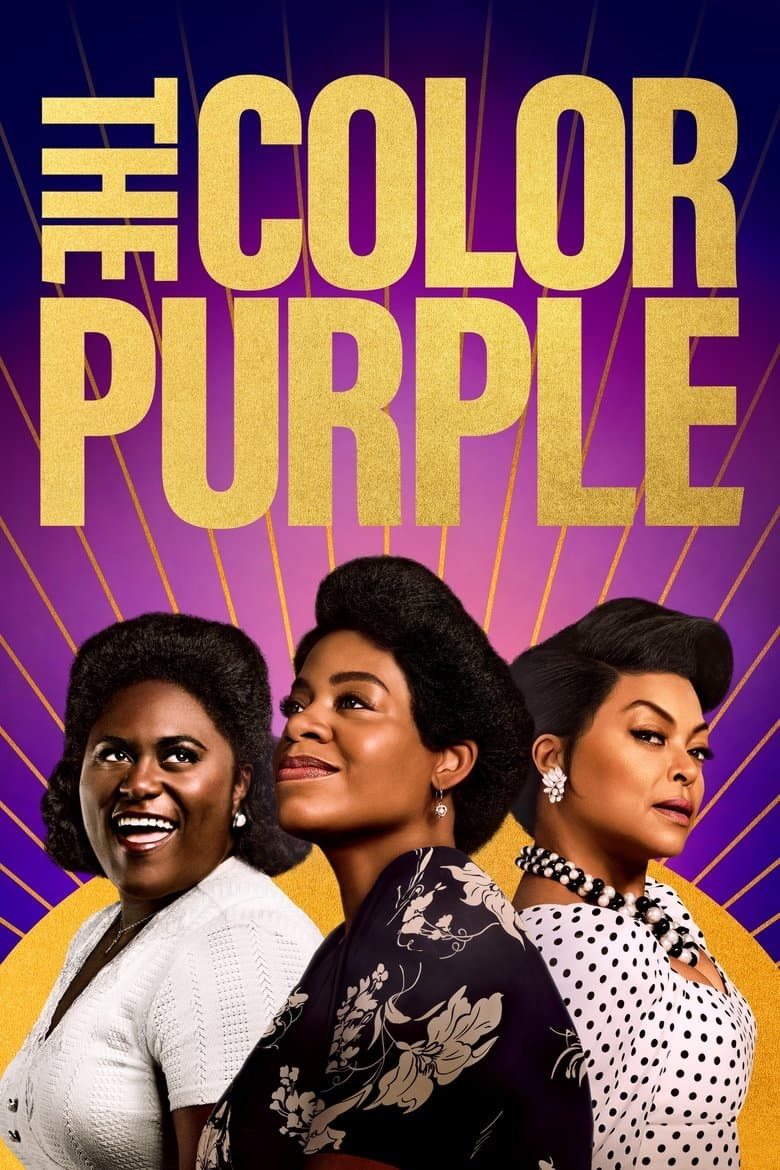
The Color Purple is a movie musical about Celie, a black woman living in the American South during the early 1900s. She endures years of terrible abuse from the men in her life but finds her freedom through the support of other women. The film contains strong, visible themes of female independence and sisterhood. It also features a romantic, same-sex relationship between Celie and a female singer named Shug Avery.
Community feedback
Was our 72% Woke rating accurate?
Breakdown
These are the editorial factors and ratings behind our score for The Color Purple.
Woke representation / casting
The film features an all-black cast, which is faithful to the setting and original novel. However, it explicitly highlights a romantic same-sex relationship between the female lead Celie and the singer Shug Avery. Because of this confirmed LGBTQ+ representation—which includes the two women sharing a romantic fantasy duet, kissing, and waking up in bed together—this factor receives a major score boost. The casting deliberately highlights queer identity as a key part of the characters' journey, giving it a prominent, audience-visible representation focus.
60%
Woke political dialogue
The movie does not use modern activist buzzwords or slang. However, the dialogue and song lyrics heavily emphasize feminist themes, such as rejecting male authority and demanding complete female independence. Characters repeatedly speak about female solidarity, self-worth, and defying traditional marriage roles. This gives the dialogue a noticeable feminist focus that goes beyond standard historical drama, though it remains tied to the lyrics of the stage musical.
Production
40%
Identity-driven story themes
The entire plot is driven by modern identity-focused themes, specifically intersectional feminism and queer self-discovery. The narrative positions patriarchal abuse by men as the primary horror and female solidarity as the only path to liberation. Celie’s romantic connection with another woman is depicted as her main source of healing and personal awakening. Because the themes of gender oppression and lesbian romance are central to the story rather than incidental, this category receives a very strong score.
78%
Western institutional / cultural critique
The film presents a strong critique of traditional gender roles and male authority. Men are depicted almost entirely as controlling, abusive, and entitled, while traditional marriage is framed as a trap for women. Additionally, the film critiques rigid religious structures through a local pastor who rejects his daughter's lifestyle, though the story does balance this by featuring positive elements of traditional gospel faith. The overall framing serves as a critique of patriarchal family structures.
55%
Woke character or canon changes
Not present in this title.
0%
Anti-woke backlash and complaints
There was mild anti-woke criticism from alternative media outlets pointing out the film’s heavy feminist themes and its promotion of a lesbian romance. However, this backlash was very quiet compared to other movies. Much of the public discussion instead focused on general audience fatigue with historical films about abuse, as well as left-leaning debates over whether the film actually toned down the book's queer themes to appeal to a wider audience.
25%
Creator track record context
The listed directors (Dan Laustsen, Hang Dara Zhao, Mark Anthony Little, and Rory Bruen) all have clean track records with no history of political activism. The listed producers (Anthony Tittanegro and Pete Chiappetta) have very low scores reflecting standard industry careers focused on logistics and finance rather than social justice advocacy. As a result, the key creative team has an extremely low activist profile.
6%
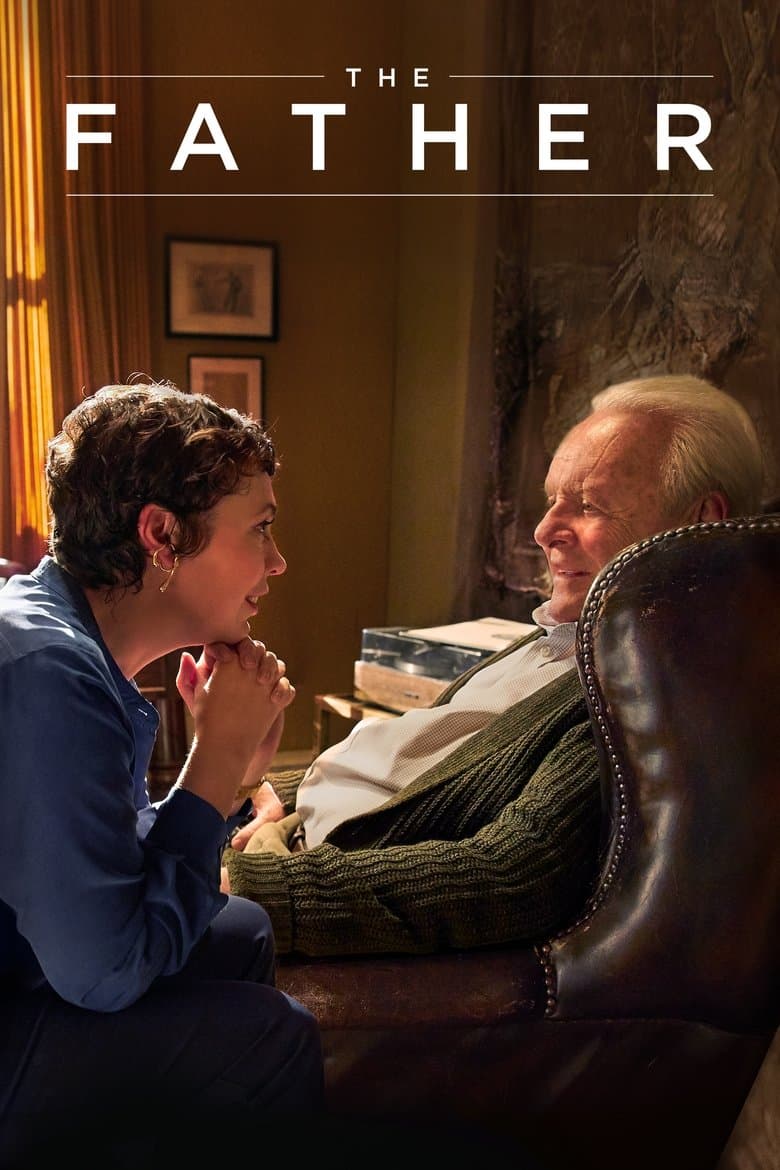
Movie · 2020
A man refuses all assistance from his daughter as he ages and, as he tries to make sense of his changing circumstances, he begins to doubt his loved ones, his own mind and even…
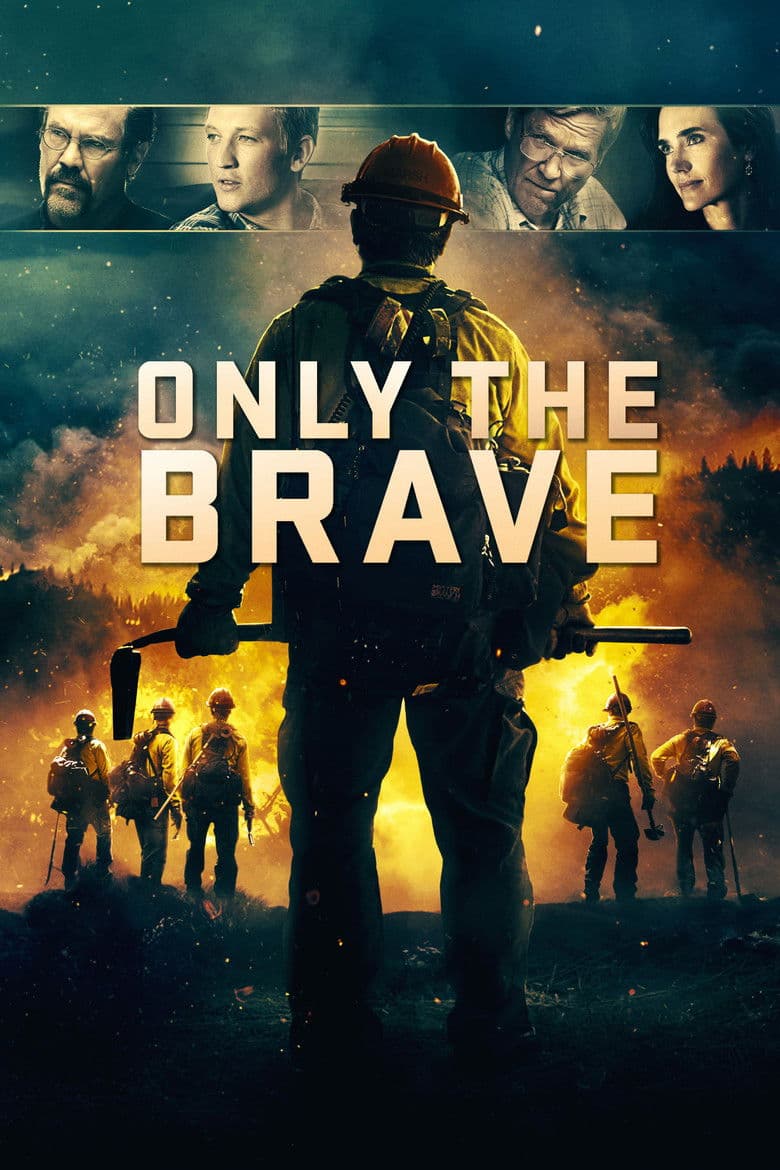
Movie · 2017
Members of the Granite Mountain Hotshots battle deadly wildfires to save an Arizona town.
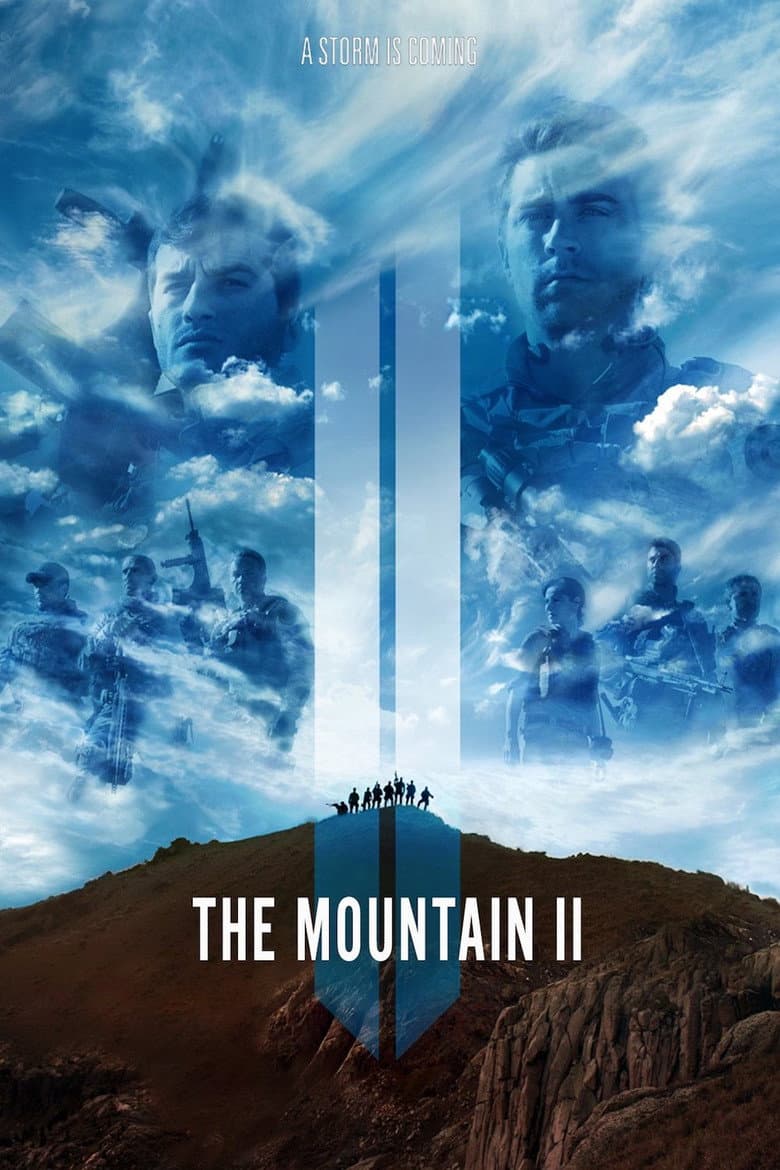
Movie · 2016
In a desolate war zone where screams of the innocent echo, on the very line between disaster and valor, 7 Maroon Berets will dance with death.
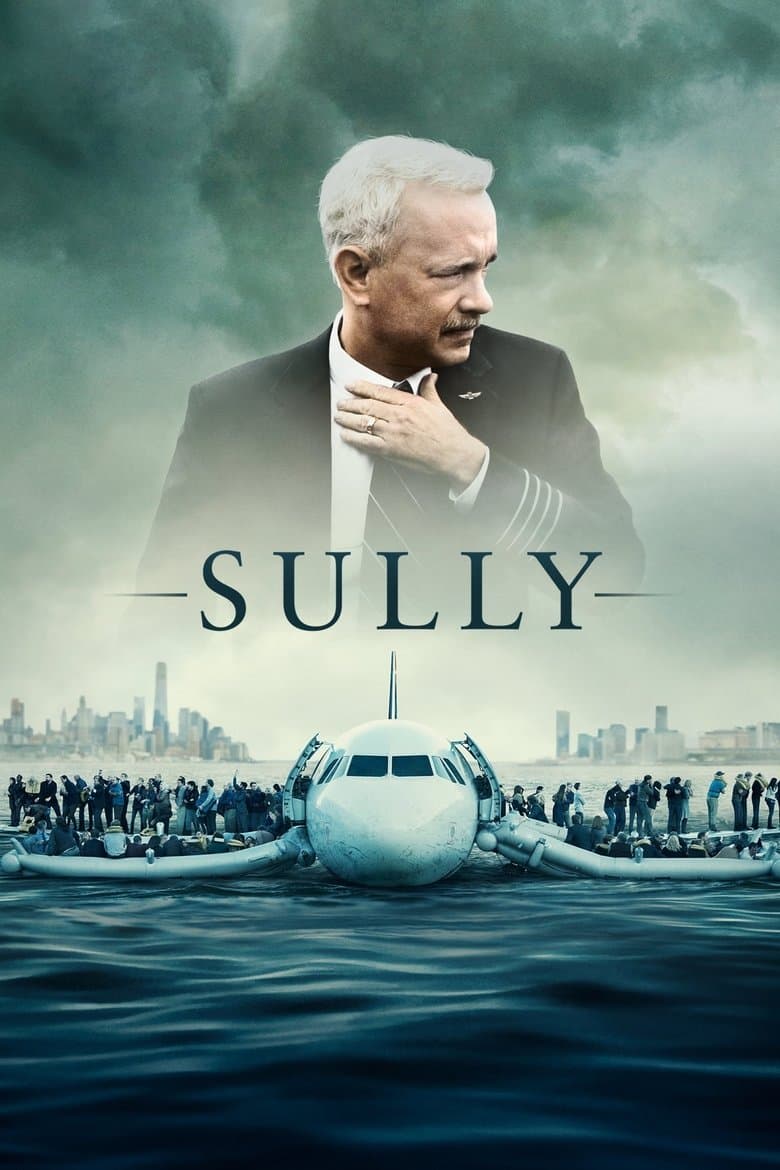
Movie · 2016
On 15 January 2009, the world witnessed the 'Miracle on the Hudson' when Captain 'Sully' Sullenberger glided his disabled plane onto the Hudson River, saving the lives of all 155…
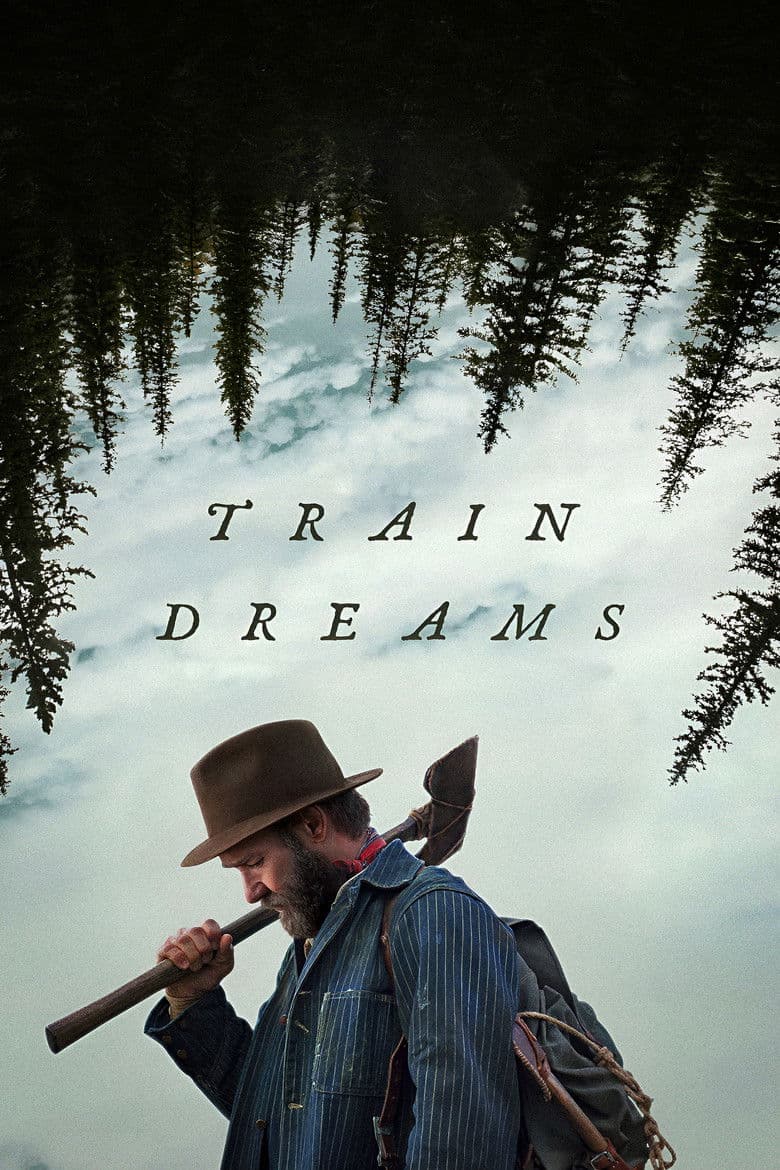
Movie · 2025
A logger leads a life of quiet grace as he experiences love and loss during an era of monumental change in early 20th-century America.
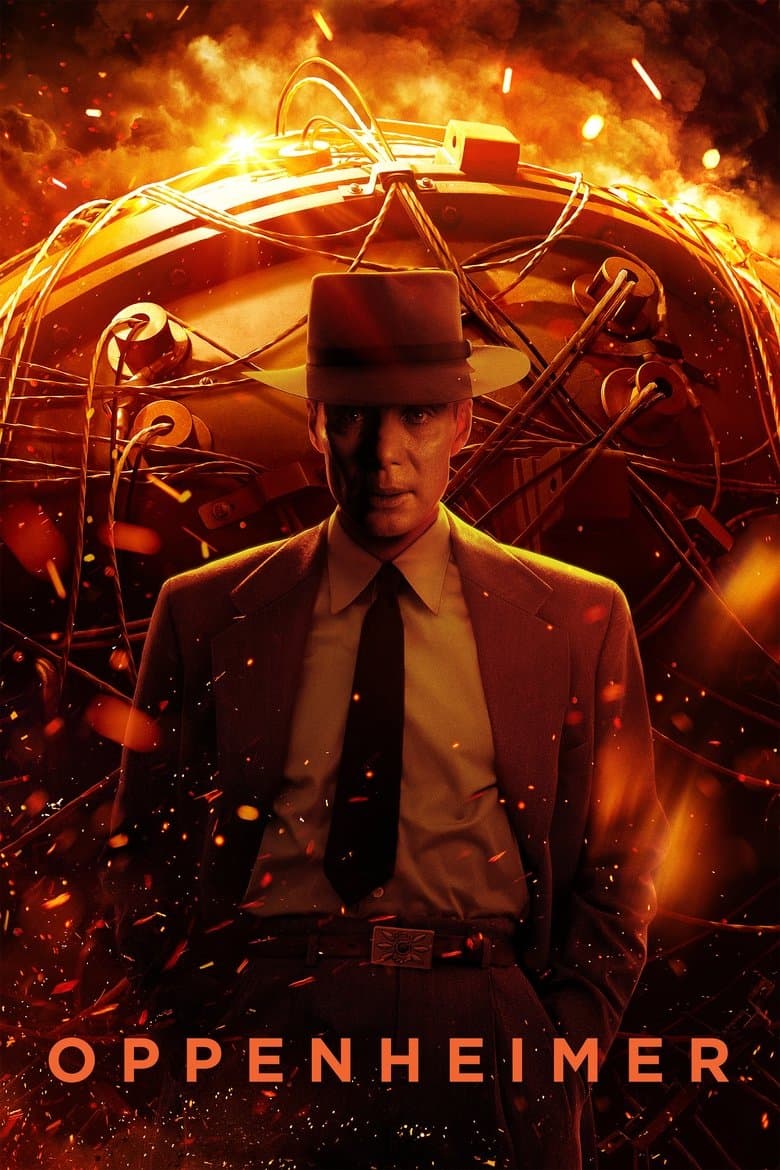
Movie · 2023
The story of J. Robert Oppenheimer's role in the development of the atomic bomb during World War II.
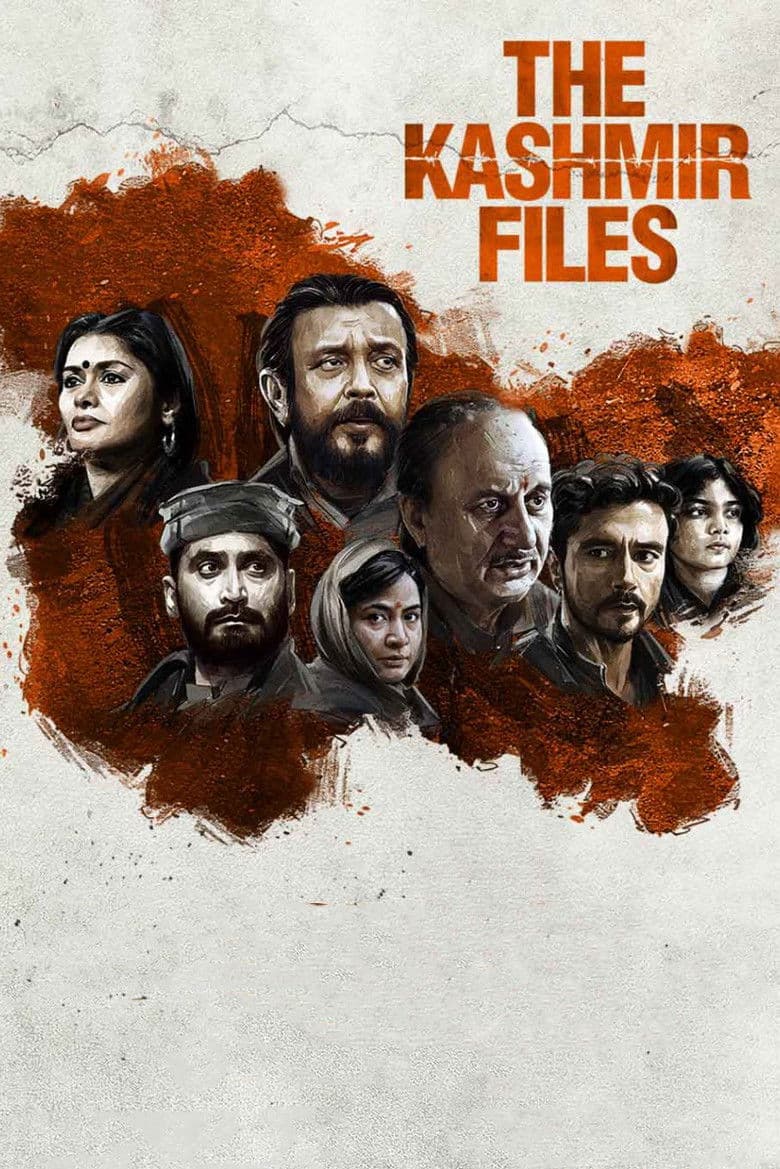
Movie · 2022
Based on a true tragedy, the emotionally triggering film sheds light on the plight of Kashmiri Pandits (Hindus), a religious minority in the 1990s Kashmir valley, who were…
Movie · 2022
A quiet, neglected girl is sent away from her dysfunctional family to live with relatives for the summer. She blossoms in their care, but in this house where there are meant to be…
