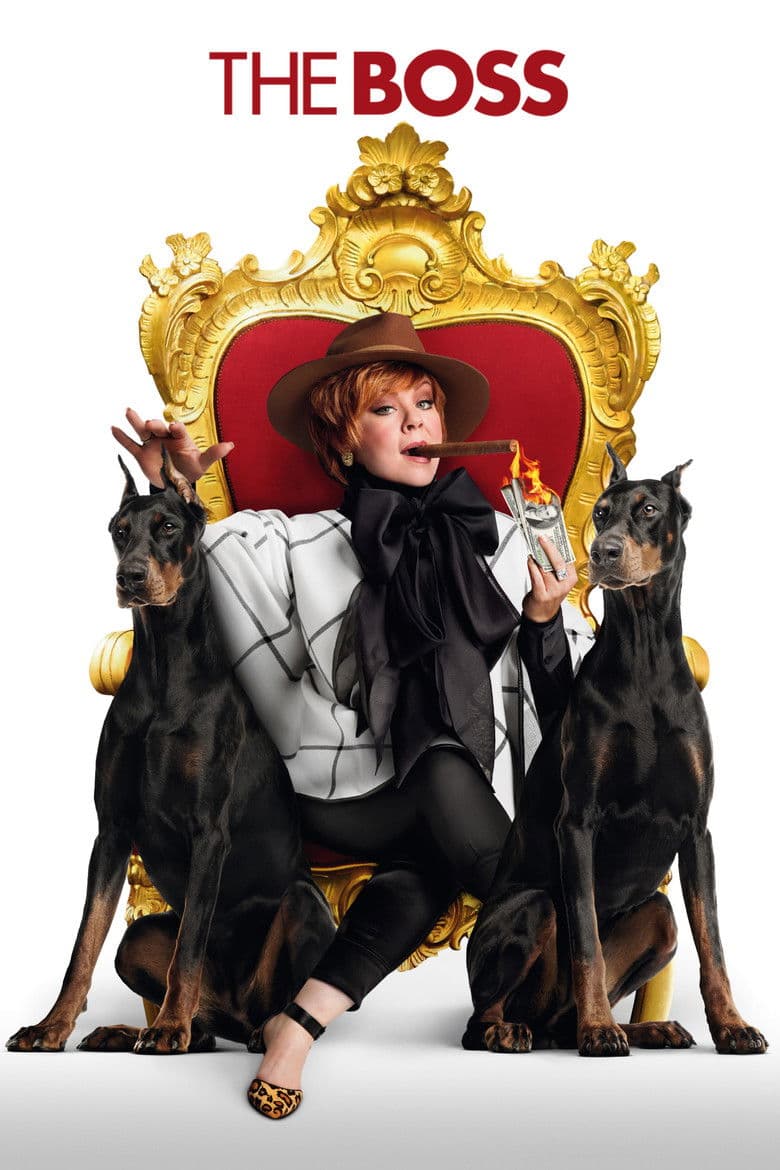
Michelle Darnell grows up as a hard orphan and becomes a ruthless business giant. She is jailed for insider trading and loses her fortune and status. She moves in with her former assistant Claire and Claire's daughter. She then rebuilds through a for-profit brownie business and a girl club that competes with a Girl Scout-like group. The plot tracks her fall and rise, found family, and her slow turn toward caring about other people.
Audience-facing woke material is limited and not the main point of the story. A supporting character is the rival's gay personal assistant, and the film uses crude gay and lesbian jokes as R-rated slapstick rather than a queer identity plot. The comedy has a light women-centered flavor about an unapologetic powerful woman, without a thesis about patriarchy or race. Mild satire hits ruthless business, image rehab, and profit-first girl entrepreneurship. The real heart of the movie is comedy about greed, branding, and learning human connection after power fails.
Community feedback
Was our 22% Woke rating accurate?
Breakdown
These are the editorial factors and ratings behind our score for The Boss.
Woke representation / casting
This is a modern Chicago comedy with a female CEO as the star premise, not a gender swap of an old male role. Supporting diversity such as bodyguard Tito and celebrity cameos fits a city setting. The main clear identity note is supporting character Stephan as the rival's gay personal assistant.
16%
Woke political dialogue
Not present. No sustained activist, DEI, or identity-politics dialogue. Crude sex and gay/lesbian jokes land as R-rated slapstick, not progressive messaging.
0%
Identity-driven story themes
The core story is about orphan rejection, greed, branding, and found family after a business crash. It has a light unapologetic powerful-woman and women-centered comedy tone without a systemic patriarchy or race thesis. LGBTQ bits stay side jokes and a gay sidekick, which still lifts this off zero.
28%
Western institutional / cultural critique
There is mild satire of ruthless business, image rehab, and profit-first girl entrepreneurship that parodies a Girl Scout-type group. It is not framed as toxic masculinity, colonial guilt, anti-Christian politics, or a systemic whiteness or patriarchy attack. Some left critics even read it as pro-capitalist and stereotype-heavy.
10%
Woke character or canon changes
Not relevant. original comedy character and story, not an adaptation rewrite of established canon or historical figures for identity reasons.
0%
Anti-woke backlash and complaints
Not present. No documented anti-woke or right-leaning campaign treating the film as DEI/identity propaganda. Public complaints centered on bad jokes/quality; left-side “problematic race/class/gender” takes do not count here.
0%
Creator track record context
Falcone and the co-writers score low for activist film patterns. McCarthy shows mild notes through body positivity and general equal-pay talk, not a run of activist movies. Producers such as McKay and Ferrell have modest left-of-center personal profiles, and interview framing still puts comedy and family first.
12%
Production
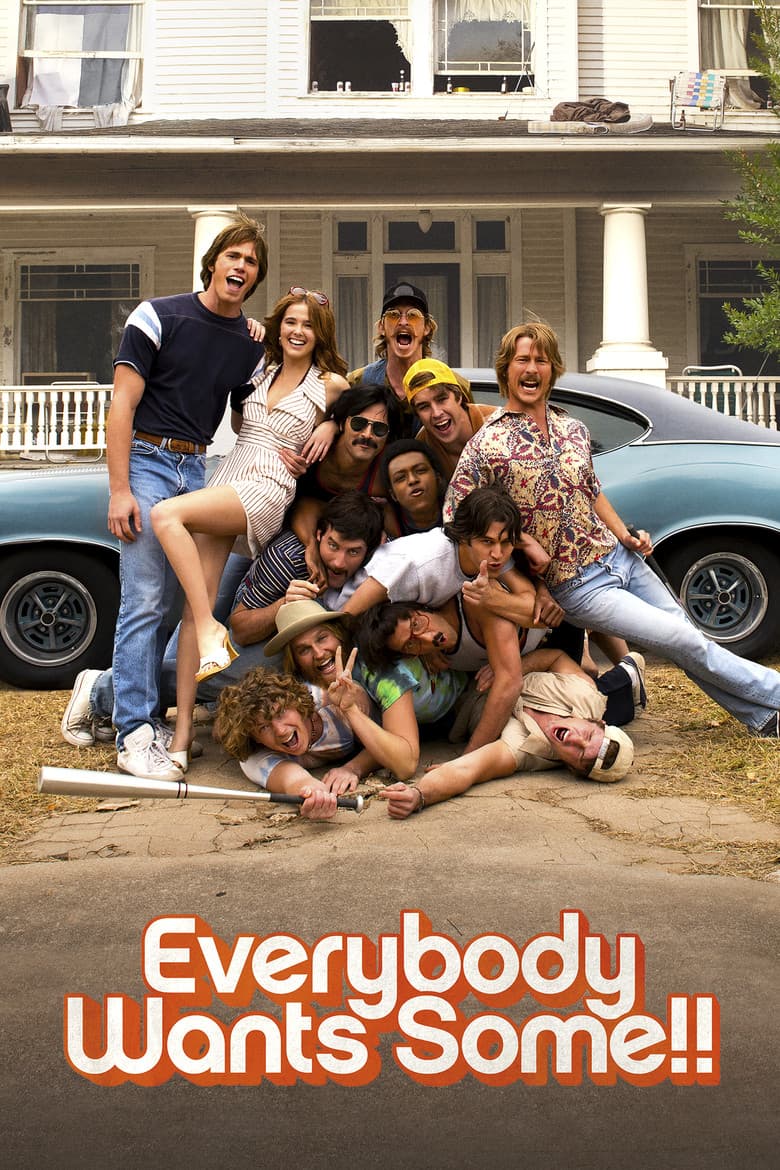
Movie · 2016
A comedy that follows a group of friends as they navigate their way through the freedoms and responsibilities of unsupervised adulthood.
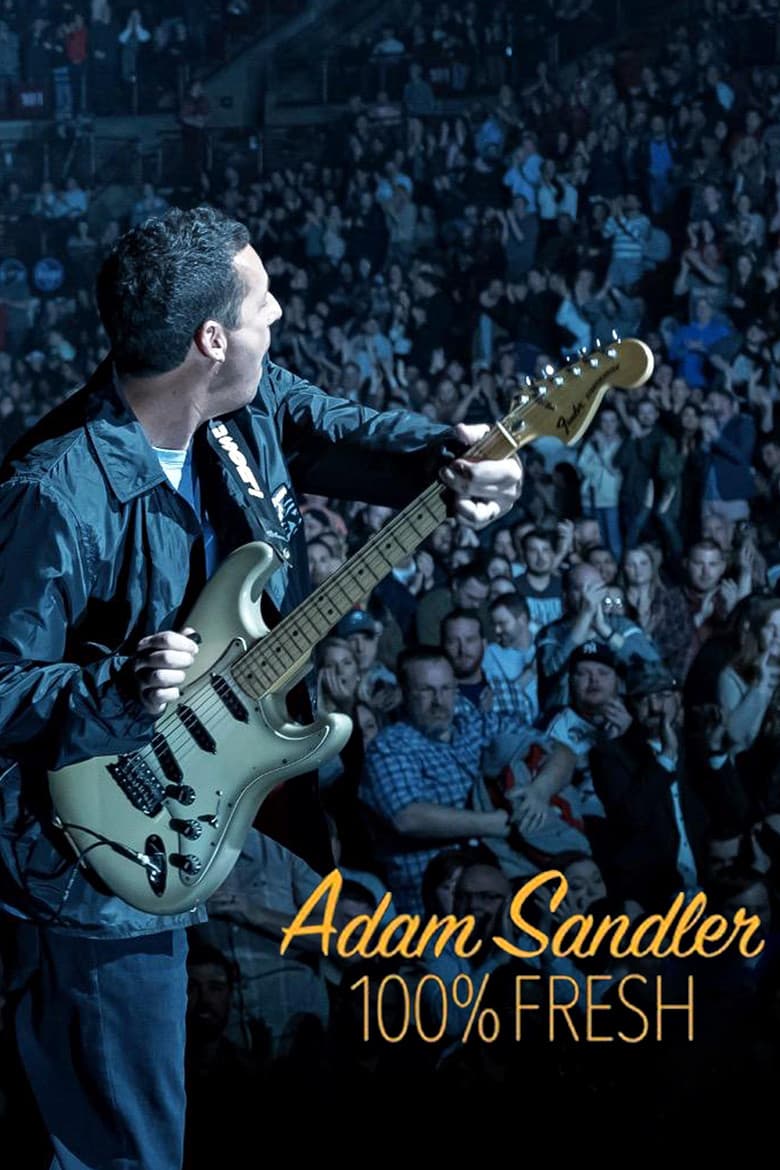
Movie · 2018
Adam Sandler takes his comical musical musings back out on the road, from comedy clubs to concert halls to one very unsuspecting subway station.
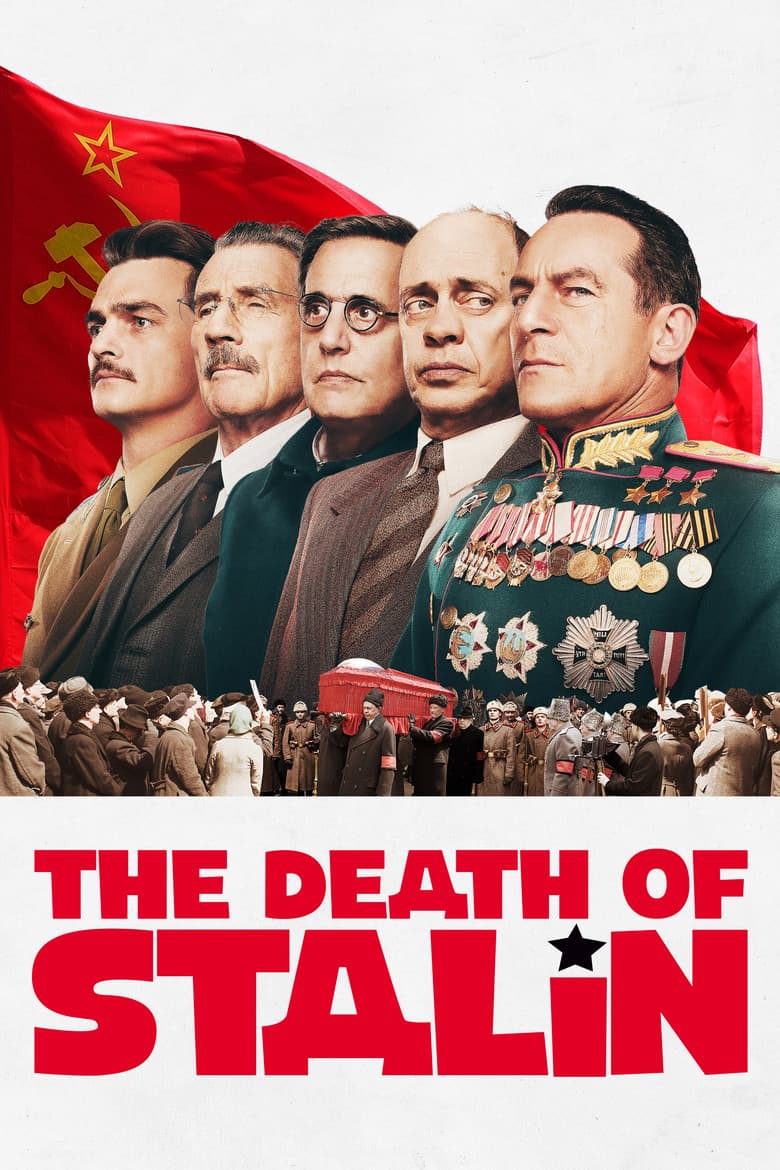
Movie · 2017
When dictator Joseph Stalin dies, his parasitic cronies square off in a frantic power struggle to become the next Soviet leader.
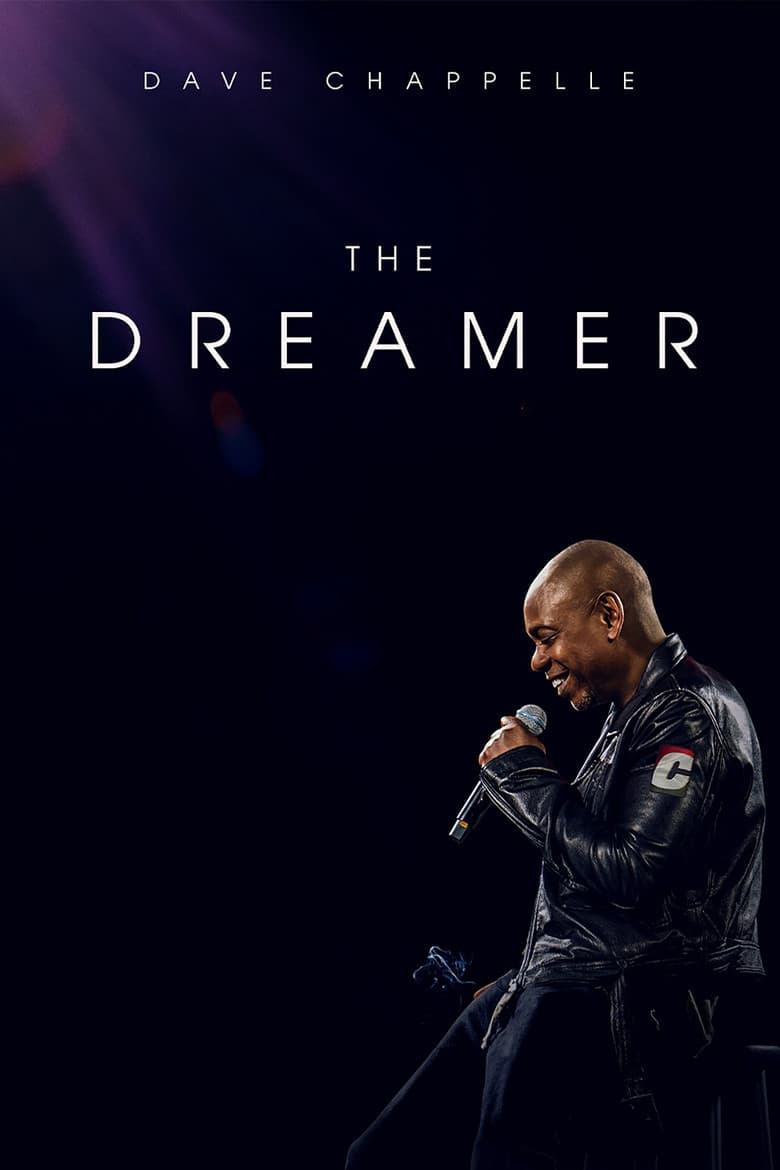
Movie · 2023
From his onstage tackle to the slap heard round the world, Dave Chappelle lets loose in this freewheeling and unfiltered stand-up comedy special.
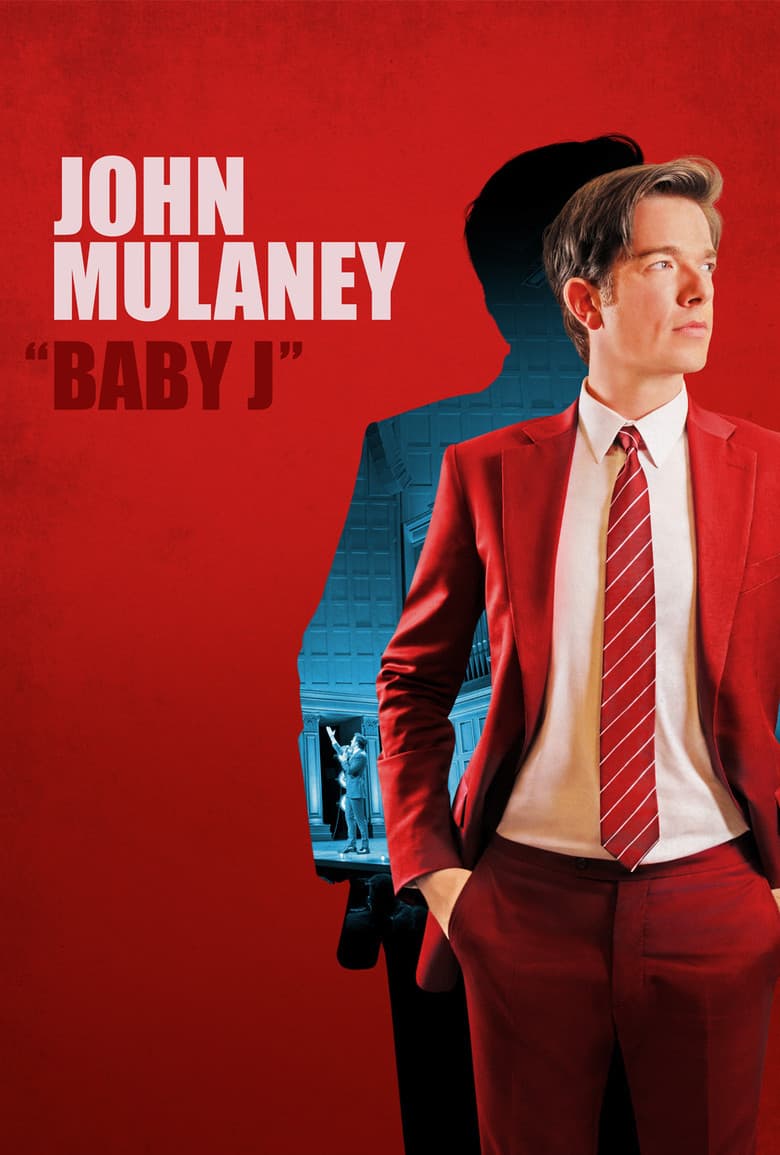
Movie · 2023
A chaotic intervention. An action-packed stay in rehab. After a weird couple of years, John Mulaney comes out swinging in his return to the stage.
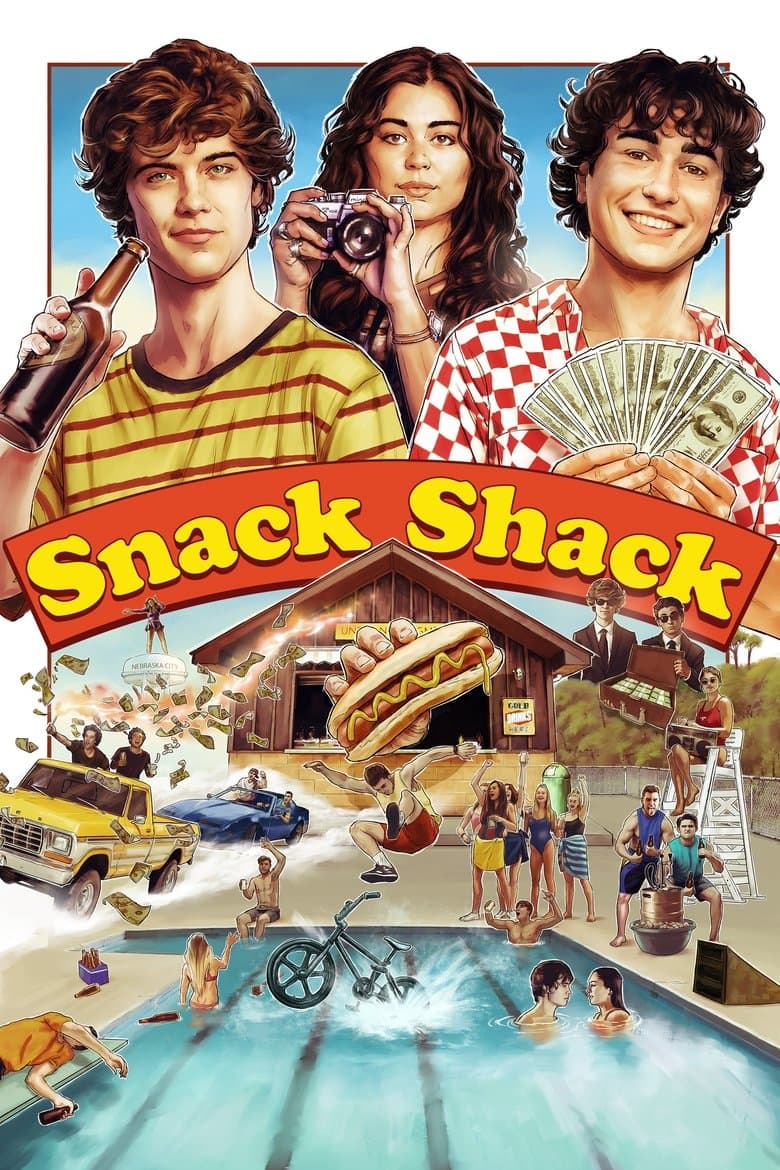
Movie · 2024
Inseparable best friends AJ and Moose decide to run the local pool's snack shack after their plan to sell home-brewed beer goes down the drain.
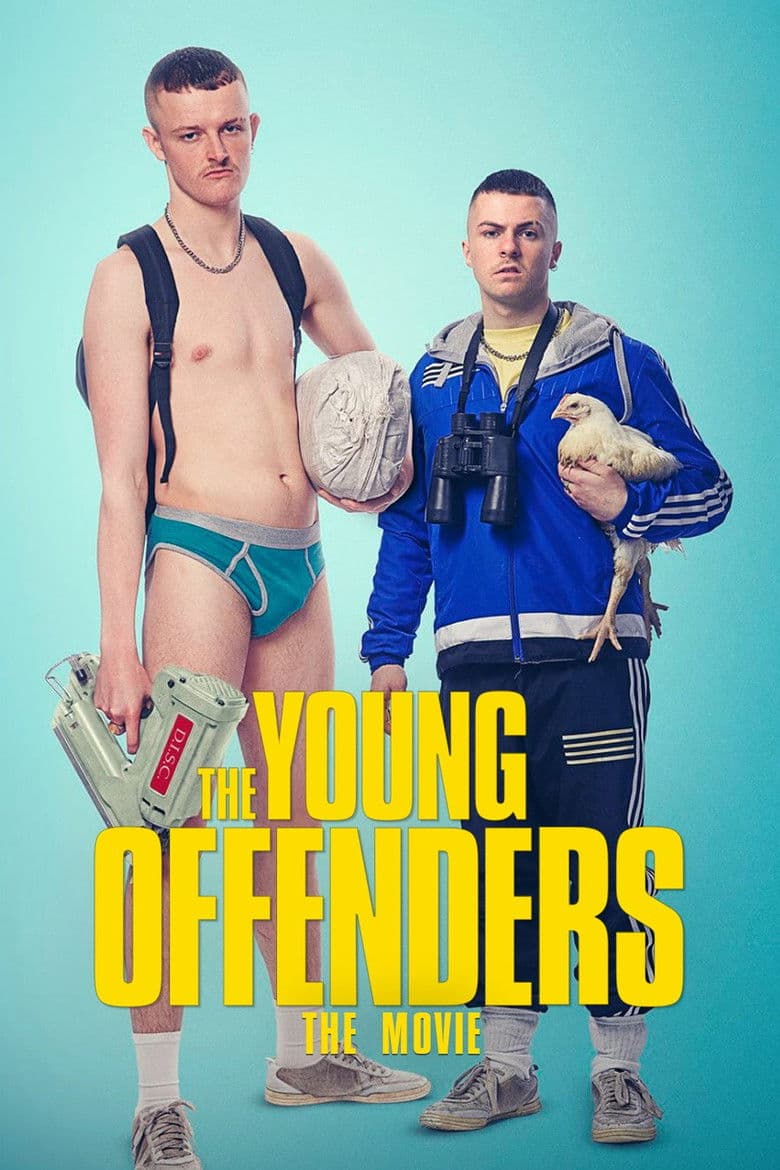
Movie · 2016
Two teenage boys from inner-city Cork steal bicycles and ride off on a 160km quest to find an unrecovered bale of cocaine worth 7,000,000 euros.

Movie · 2024
Mismatched cousins David and Benji reunite for a tour through Poland to honor their beloved grandmother. The adventure takes a turn when the pair's old tensions resurface against…
