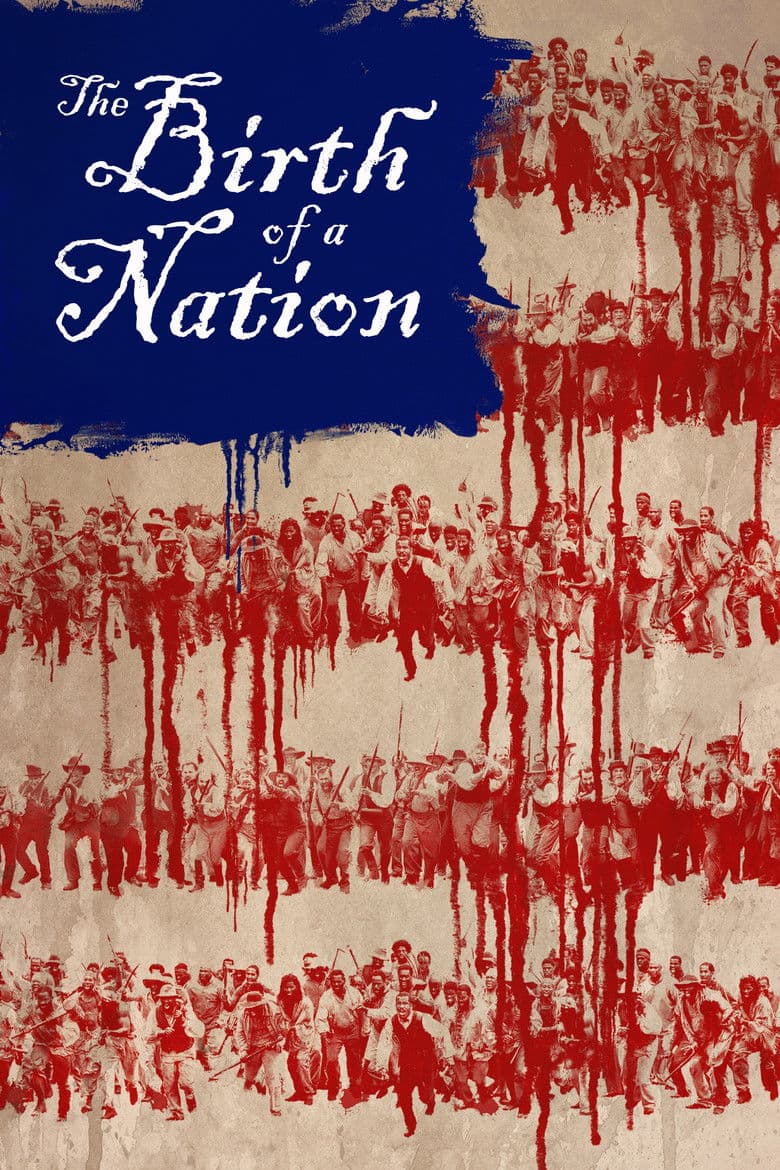
The film is set in antebellum Southampton County, Virginia. Nat Turner is a literate enslaved preacher hired out to teach obedience on other plantations. He witnesses extreme abuse, turns Scripture toward liberation, and leads the 1831 rebellion. Rape, family trauma, and religious vision drive the revolt on screen. The film ends with Turner's hanging and a cut from a boy's face to a Union soldier that links the uprising to a later black freedom struggle.
Race-justice messaging is the spine of the story rather than a side plot. The film is built as a heroic tale of black-led violent liberation from racial bondage. The title reclaims D.W. Griffith's 1915 epic as a challenge to white supremacy and systemic injustice. Dialogue is soaked in race and Scripture as tools of both control and revolt. The slave system, planter class, and white church authority are shown as engines of evil and tied to ongoing American racial injury, not only to 1831 tyranny.
Community feedback
Was our 75% Woke rating accurate?
Breakdown
These are the editorial factors and ratings behind our score for The Birth of a Nation.
Woke representation / casting
The cast fits an 1831 Virginia plantation story with enslaved black leads and white owners. It is not modern diversity forced into the wrong setting. A small score reflects industry and marketing stress on a black-led answer to Hollywood and Griffith, not odd identity casting inside the roles.
8%
Woke political dialogue
Speech is full of race and Scripture. The Bible is used to demand obedience and also to justify revolt. Lines stress racial killing and bondage, including violence framed as happening only because someone is black. Period cruelty and faith talk dominate rather than modern DEI slogans, but racial political speech is central and hard to miss.
32%
Identity-driven story themes
The core premise is racial bondage and black-led violent liberation. Slavery conflict alone is not scored as woke, but this film is built and sold as a present challenge to white supremacy and systemic injustice. The heroic Turner myth, title reclaim, Civil War hope ending, and explicit 2016 systemic change framing make race-justice messaging the spine, not a subplot.
66%
Western institutional / cultural critique
The American slave system, planter class, and white church power that uses Christianity to keep people in chains are shown as engines of evil. That fits the setting. The score rises because the film and its author link that history to ongoing American racial harm, white supremacy, and a call for institutional and cultural reckoning rather than only 1831 tyranny.
60%
Woke character or canon changes
The film rewrites a real figure and a famous cultural title through an identity frame. Griffith's name is turned into an anti-white-supremacy statement. Turner is smoothed into a righteous martyr and avenger. Rape-centered revenge and other beats historians call invented or distorted serve a modern resistance-hero story beyond normal biopic shortening.
44%
Anti-woke backlash and complaints
There is little durable, documented right-leaning campaign calling the film DEI or woke propaganda. The public storm was mainly about Parker's sexual-assault history and left, feminist, or accuracy critiques. Evidence of identity-politics backlash against the film's messaging is thin.
10%
Creator track record context
Nate Parker drives the work and interviews on this title as a blow against white supremacy, systemic racism, and national racial confrontation. Co-writer Celestin and producer Gilbert reinforce that pattern with diversity and inclusion language on this project. Most other producers, assistant directors, and the editor sit much lower, and catalog-listed directors Stevens and Deckaj are not the true authorial voice.
52%
Production
Movie · 2016
After his older brother passes away, Lee Chandler is forced to return home to care for his 16-year-old nephew.
Movie · 2023
The true story of the inseparable Von Erich brothers, who made history in the intensely competitive world of professional wrestling in the early 1980s.
Movie · 2016
WWII American Army Medic Desmond T. Doss, who served during the Battle of Okinawa, refuses to kill people and becomes the first Conscientious Objector in American history to…
Movie · 2019
Richard Jewell thinks quick, works fast, and saves hundreds, perhaps thousands, of lives after a domestic terrorist plants several pipe bombs and they explode during a concert…
Movie · 2023
The story of J. Robert Oppenheimer's role in the development of the atomic bomb during World War II.
Movie · 2020
A man refuses all assistance from his daughter as he ages and, as he tries to make sense of his changing circumstances, he begins to doubt his loved ones, his own mind and even…
Movie · 2025
Diagnosed with Tourette Syndrome at 15, John Davidson navigates his way against the odds through troubled teenage years and into adulthood, finding inspiration in the kindness of…
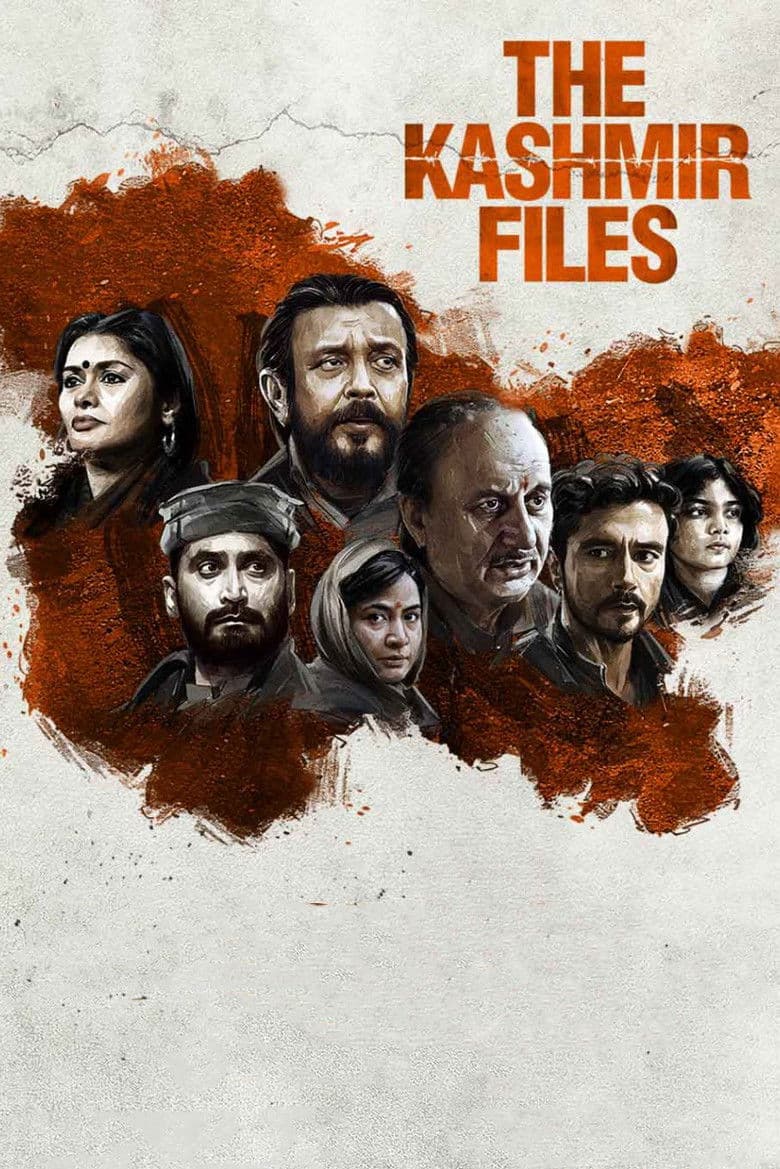
Movie · 2022
Based on a true tragedy, the emotionally triggering film sheds light on the plight of Kashmiri Pandits (Hindus), a religious minority in the 1990s Kashmir valley, who were…
