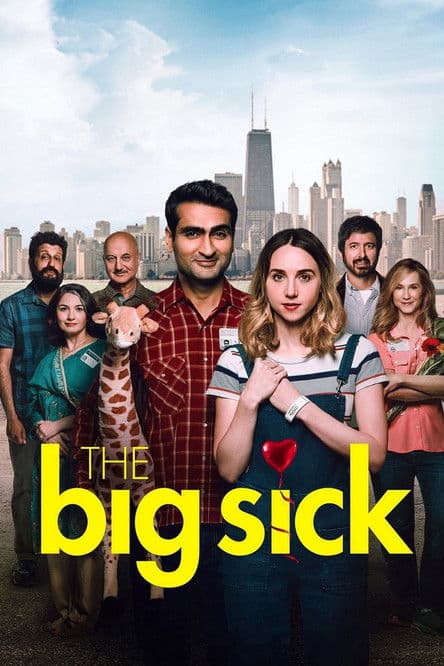
A Pakistani-American standup comic in Chicago falls in love with a white grad student. He hides his Muslim family’s push for an arranged marriage. She leaves him after she finds photos of other possible brides. She later falls very sick and goes into a medical coma. He grows close to her parents, faces his own family, and they find their way back together.
Race, religion, immigrant family rules, and interracial love sit at the center of the story. The film shows everyday Muslim family life with food, jokes, and care, not only as a threat. A comedy-club heckler and post-9/11 jokes make anti-Muslim bias visible. Family talk about not marrying a white woman and arranged marriage drives major conflict. The story treats these identity clashes as personal memoir more than a hard activist lecture.
Community feedback
Was our 47% Woke rating accurate?
Breakdown
These are the editorial factors and ratings behind our score for The Big Sick.
Woke representation / casting
The Pakistani lead and white co-lead with South Asian actors in family roles match the true story. The film and marketing still sell a Muslim and South Asian romantic lead and an interracial couple as a rare, representation-forward mainstream rom-com. That raises the score above zero even without race-swapped legacy IP.
28%
Woke political dialogue
Viewers hear racist club heckling, standup about post-9/11 Muslim identity, and family talk against marrying a white woman. There is also arranged-marriage pressure and Beth’s on-stage shutdown of the heckler. The lines feel personal and comedic rather than long lectures on systemic racism.
32%
Identity-driven story themes
Race, religion, immigrant culture, and arranged marriage versus Western romance shape the whole arc. Humanizing ordinary Muslim family life and interracial love is the point of the film. The tone is personal and liberal more than hardline DEI, but identity conflict is hard to miss.
48%
Western institutional / cultural critique
Western critique mostly shows isolated anti-Muslim bigotry, not America as systemically evil. Emily’s white parents grow from wary to supportive. Stronger pressure comes from traditional Pakistani family rules, and the film favors individual romantic choice over arranged marriage.
22%
Woke character or canon changes
Not relevant. because this is an original semi-autobiographical screenplay with no identity-driven rewrite of established fictional canon or historical figures.
0%
Anti-woke backlash and complaints
Not present. There was no sustained right or anti-woke campaign treating the film as DEI propaganda. Public controversy that exists is progressive complaint about South Asian women being underwritten or cast as undesirable, which is not scored here.
0%
Creator track record context
The main creative voice is co-writer star producer Kumail Nanjiani with co-writer Emily V. Gordon, both tied to representation and immigrant stories. Producer Ben Browning adds progressive gender-politics credits. Directors Showalter and Burgoyne and Apatow-orbit producers soften a hard activist label, but the overall context is progressive and identity-aware.
46%
Production
Movie · 2016
A week in the life of Paterson, a poet bus driver, and his wife Laura, a very creative artist, who live in Paterson, New Jersey, hometown of many famous poets and artists.
Movie · 2016
Maggie's plan to have a baby on her own with a sperm donor is derailed when she falls in love with John, an older married professor, destroying his volatile marriage to the…
Movie · 2021
The story of Gary Valentine and Alana Kane growing up, running around and going through the treacherous navigation of first love in the San Fernando Valley, 1973.
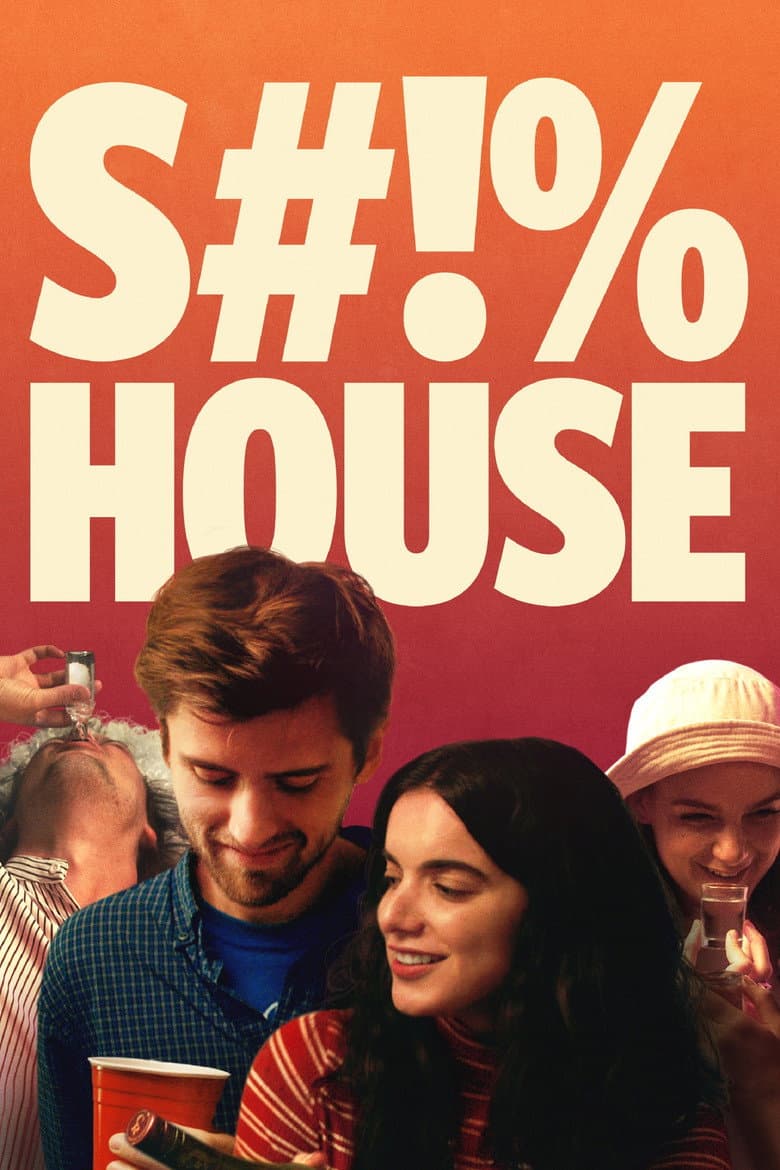
Movie · 2020
Lonely college freshman Alex has closed himself off from his peers, who all appear to have this whole "college thing" figured out.
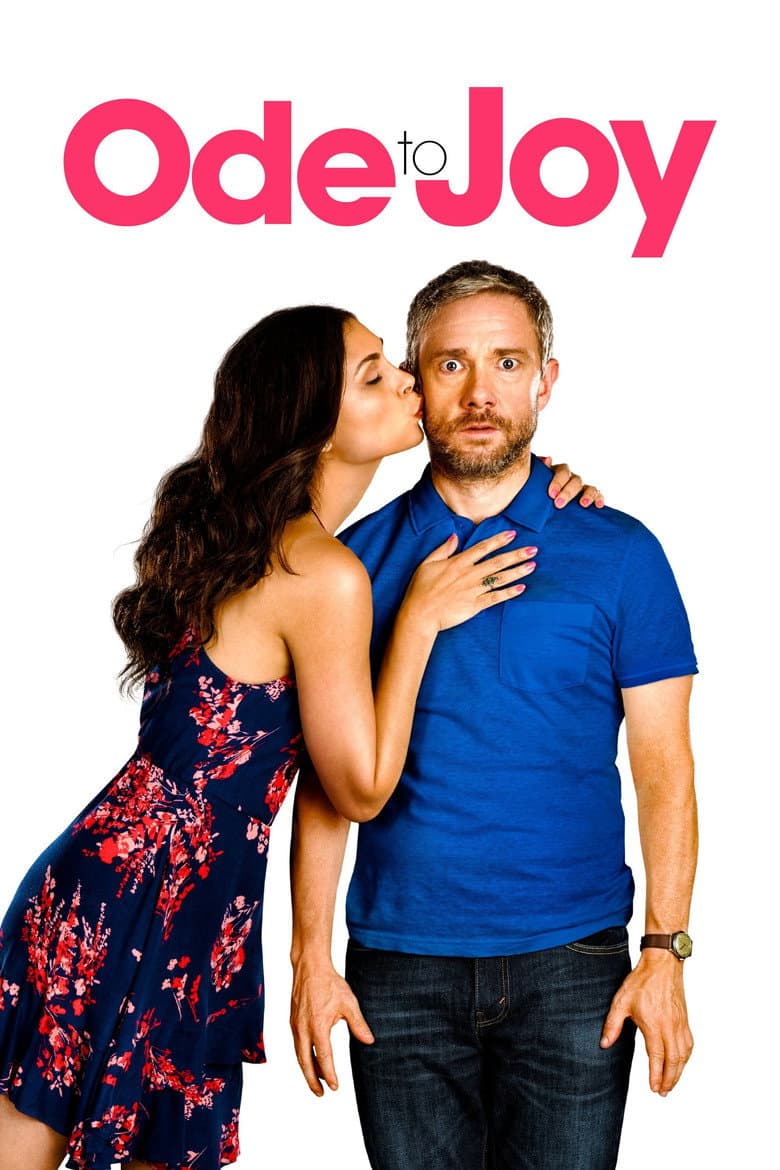
Movie · 2019
Charlie suffers from a serious disease that causes acute narcolepsy whenever he is happy. Although he develops a variety of techniques to deny himself pleasure and deal with his…
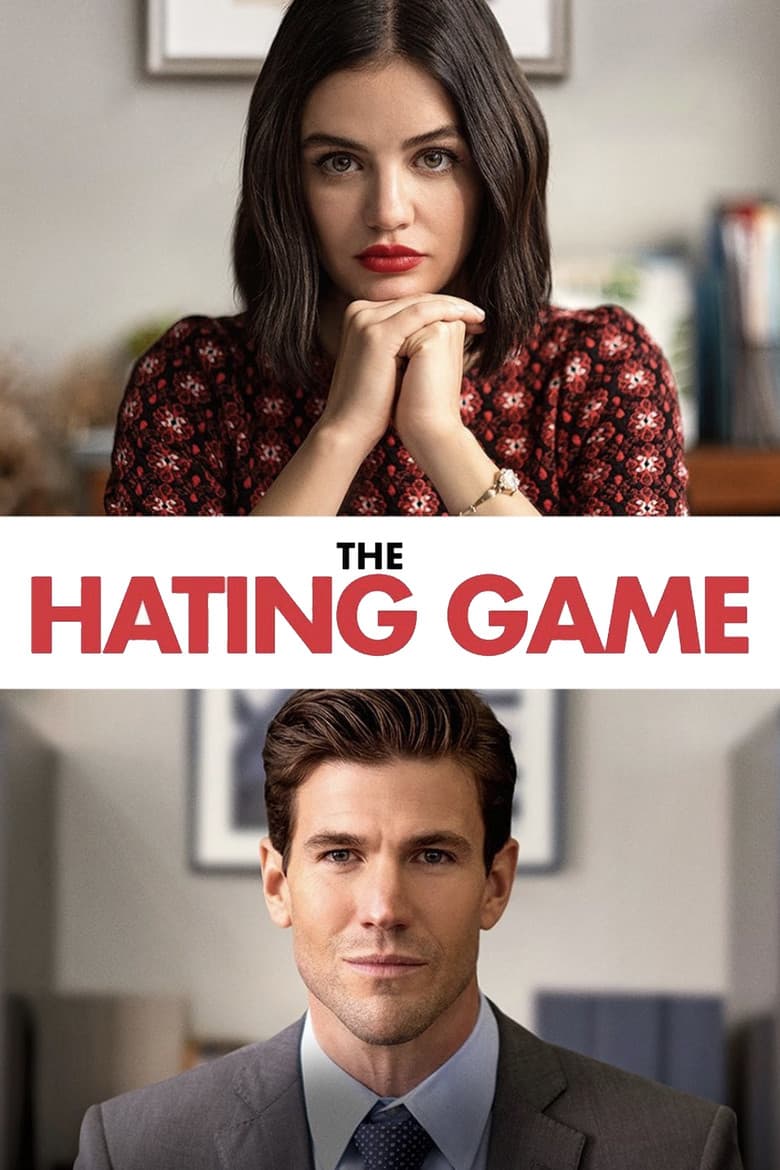
Movie · 2021
Resolving to achieve professional success without compromising her ethics, Lucy embarks on a ruthless game of one-upmanship against cold and efficient nemesis Joshua, a rivalry…
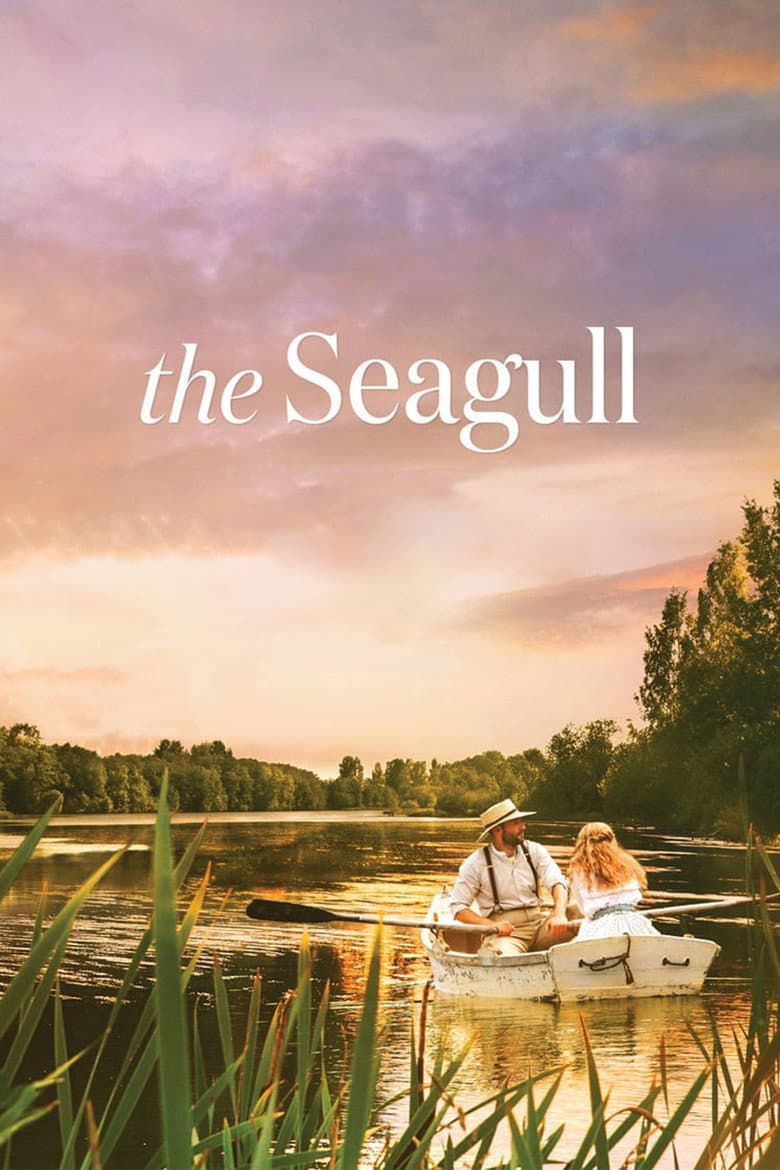
Movie · 2018
At a picturesque lakeside estate, a love triangle unfolds between the legendary diva Irina, her lover Boris, and the ingénue Nina.
Movie · 2023
Michelle and Allen, who have reached the point in their relationship where they are considering next steps, decide to invite their parents to finally meet and to offer some…
