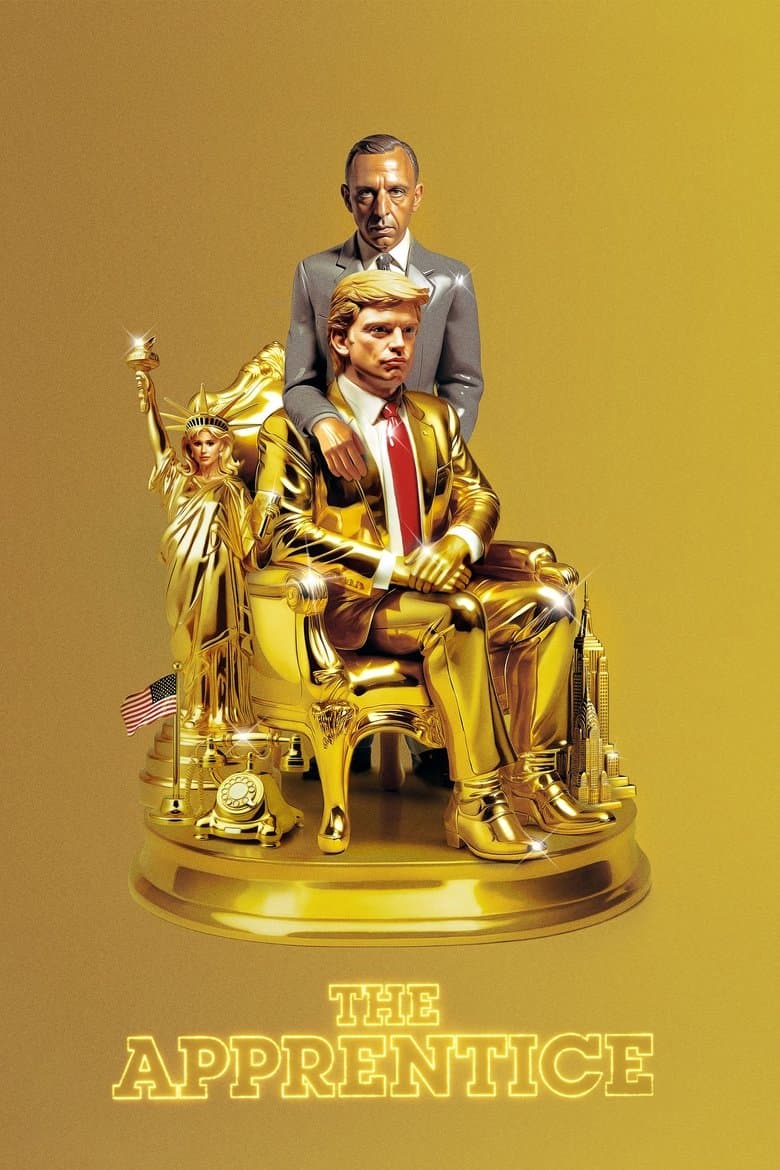
The Apprentice is a 2024 biographical drama depicting young Donald Trump's rise in 1970s and 1980s New York real estate under the mentorship of Roy Cohn, the ruthless attorney who taught him aggressive tactics of attack, denial, and claiming victory. The film shows Trump's business deals, family tensions, personal excesses, and moral compromises that shaped his later persona. It includes a graphic scene of alleged sexual assault drawn from a public deposition record. The narrative critiques power, greed, and corruptible systems through a classical left-leaning lens on ambition rather than modern identity politics or representation themes.
Community feedback
Was our 44% Woke rating accurate?
Breakdown
These are the editorial factors and ratings behind our score for The Apprentice.
Woke representation / casting
Principals are white actors playing white historical figures from 1970s-80s NYC power circles. Period-accurate. No prominent identity-driven casting or DEI emphasis visible to audiences. Supporting roles have minimal racial diversity consistent with setting. Roy Cohn's gay identity is biographical. Immigrant backgrounds of some actors fit character logic.
5%
Woke political dialogue
No modern activist language, identity lectures, or DEI jargon. Dialogue centers on period-appropriate power tactics, ambition, and real-estate/political maneuvering drawn from reported history.
0%
Identity-driven story themes
Core narrative is about ambition, toxic mentorship, and moral compromise. Cohn's closeted homosexuality is portrayed as part of his tragic, self-hating persona per writer interviews, not celebratory or modern queer activism. No race/gender identity politics or representation-first arcs.
20%
Western institutional / cultural critique
Film critiques corruptible legal, tax, media, and political systems that reward ruthless operators. Portrays greed, amorality, and "winners vs losers" worldview in 70s-80s capitalism. Classical left/liberal skepticism of power and elite maneuvering rather than modern woke framing (no anti-whiteness, no colonial guilt, no toxic masculinity as identity concept, no anti-patriarchy lectures). Some anti-conservative tilt via Trump/Cohn focus.
35%
Woke character or canon changes
Not relevant. Dramatization of real historical figures and events. Disputes exist over accuracy of specific scenes (e.g., rape depiction), but these are factual/biographical disagreements, not ideological identity reinterpretations or DEI-driven alterations.
0%
Anti-woke backlash and complaints
Significant backlash from Trump, campaign, and conservative audiences treating the film as a left-wing partisan attack and defamatory election-season hit job. Complaints center on it being politically motivated character assassination timed for 2024 vote. Not heavily framed around "woke/DEI/identity politics" specifically (film lacks strong representation emphasis), but clearly anti-left political criticism of Hollywood producing unflattering conservative figure portrayals.
65%
Creator track record context
Sherman has built career on critical examinations of conservative media and Trump-era figures (Ailes book). Abbasi's prior work (*Holy Spider*) aggressively critiques religious patriarchy and authoritarian structures in Iran, with feminist-adjacent themes around violence against women. Bekerman has publicly supported diverse storytelling and criticized retreats from DEI. Other producers show little to no activist patterns. Overall left-leaning critical stance toward conservative power without heavy identity/DEI focus.
40%
Production
Movie · 2024
In 2008, during the last month of summer before high school begins, an impressionable 13-year-old Taiwanese American boy learns what his family can't teach him: how to skate, how…

Movie · 2023
Single mom Flora is at a loss about what to do with her rebellious teenage son, Max. Her efforts to keep him out of trouble lead to a beat-up acoustic guitar, a washed-up LA…
Movie · 2017
An aspiring actor in Hollywood meets an enigmatic stranger by the name of Tommy Wiseau, the meeting leads the actor down a path nobody could have predicted; creating the worst…
Movie · 2018
Thirteen-year-old Kayla endures the tidal wave of contemporary suburban adolescence as she makes her way through the last week of middle school — the end of her thus far…
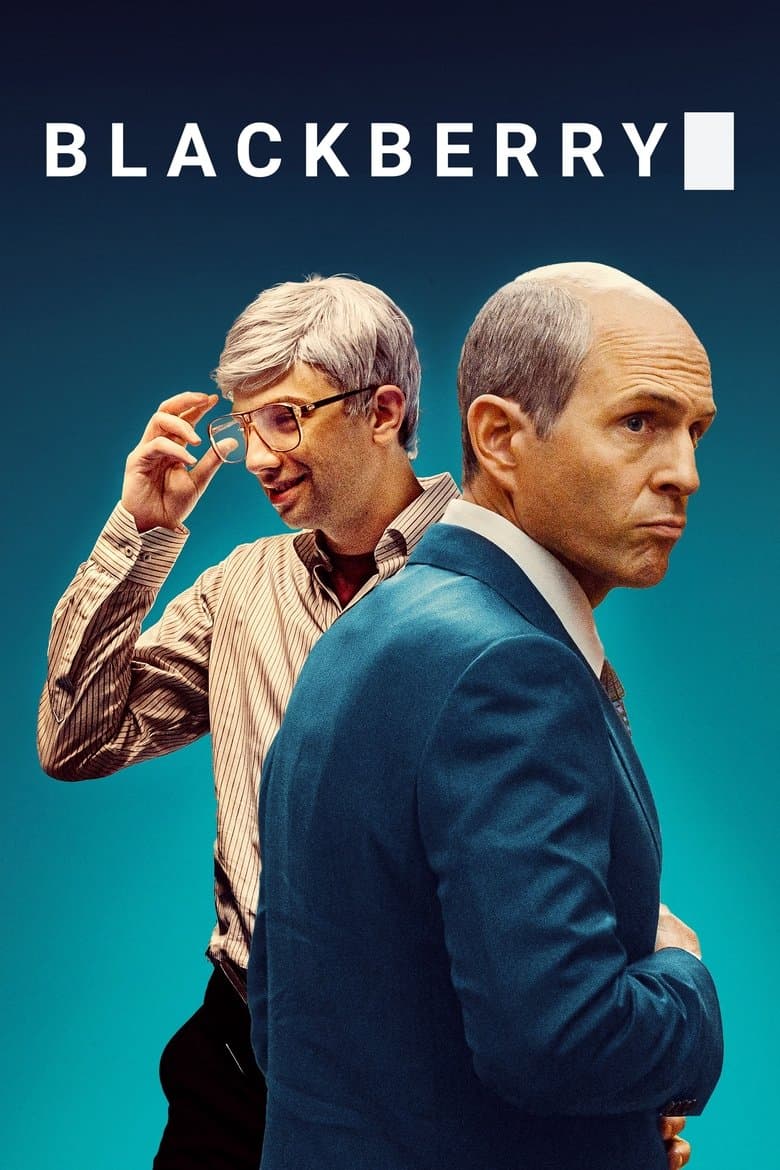
Movie · 2023
Two mismatched entrepreneurs – egghead innovator Mike Lazaridis and cut-throat businessman Jim Balsillie – joined forces in an endeavour that was to become a worldwide hit in…
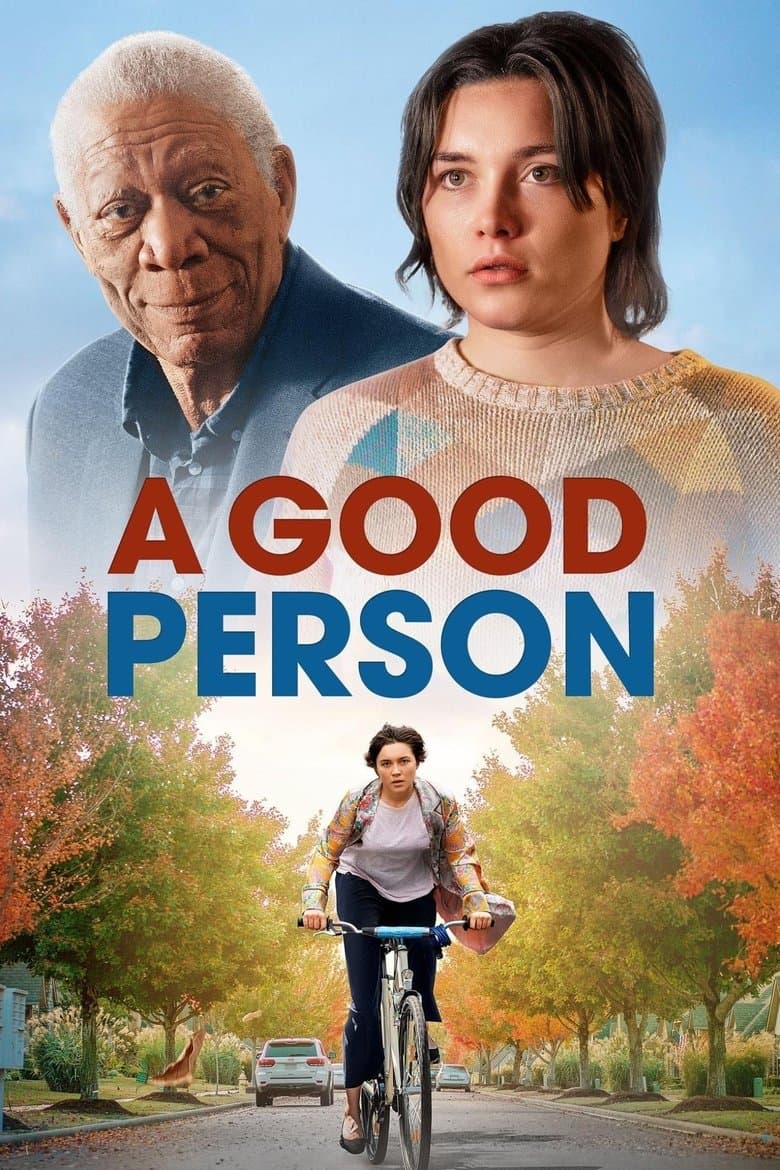
Movie · 2023
Allison's life falls apart following her involvement in a fatal accident. The unlikely relationship she forms with her would-be father-in-law helps her live a life worth living.

Movie · 2024
Mismatched cousins David and Benji reunite for a tour through Poland to honor their beloved grandmother. The adventure takes a turn when the pair's old tensions resurface against…
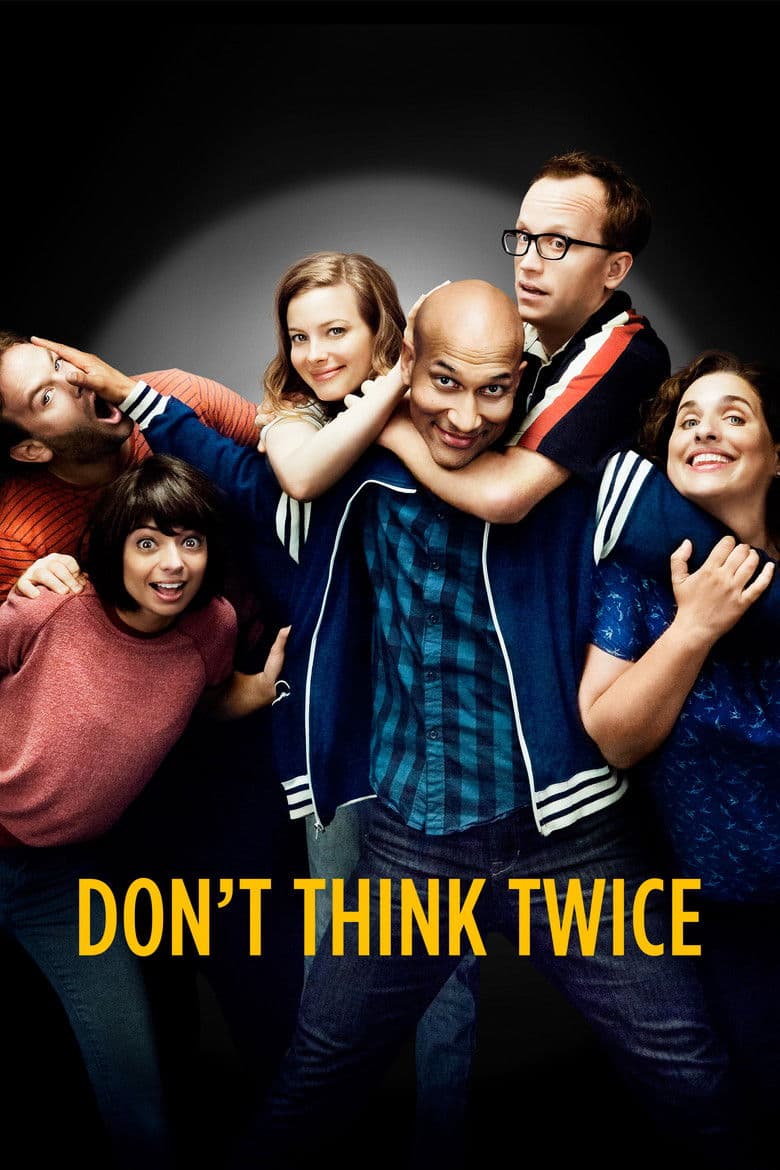
Movie · 2016
An improv group deals with several crises, including the loss of their lease and one member hitting the big time.
