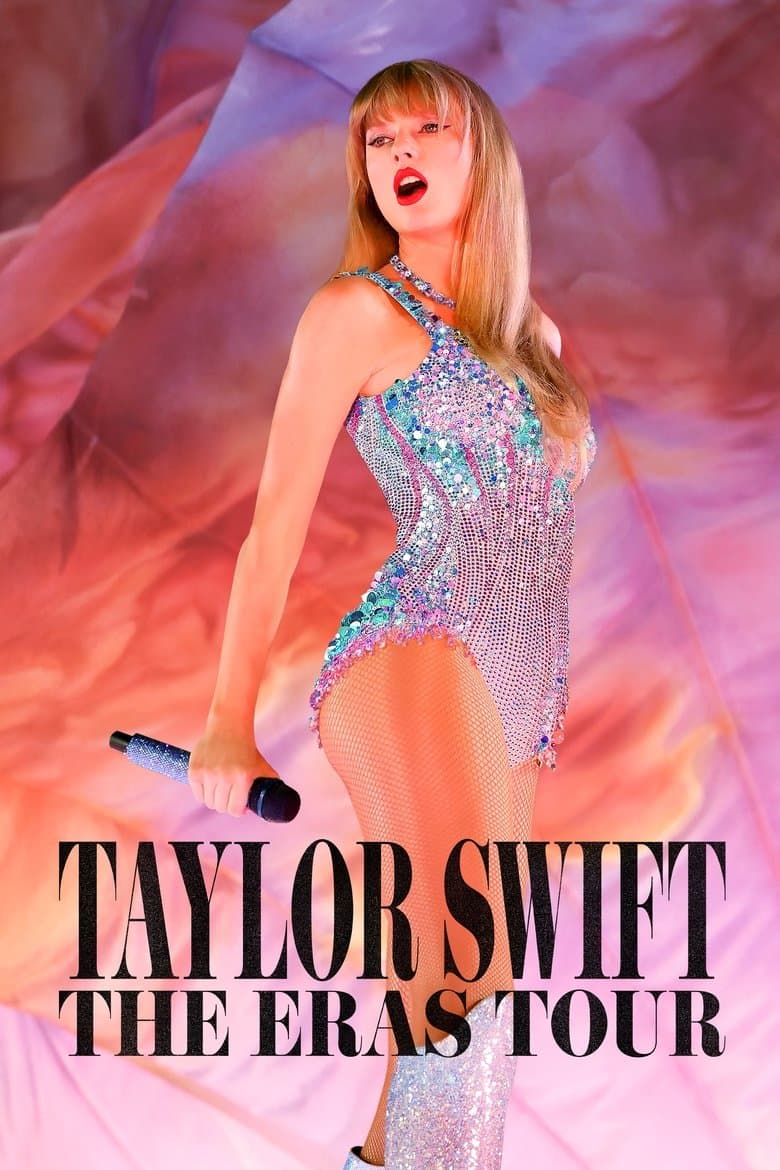
Taylor Swift leads this concert film as she performs songs from the ten musical eras of her career. The main tension comes from songs about heartbreak, pressure, and public judgment. It moves through a huge Los Angeles stadium show, with Swift, dancers, musicians, lights, costumes, and large stage effects. Swift talks with the crowd and turns the show into a bright, emotional trip through love, loss, anger, fear, and joy.
Some songs add clear social messages to the concert. “The Man” says that a successful woman would receive more praise if people saw her as a man, while “You Need to Calm Down” tells people to stop attacking gay people and supports queer fans. These moments are easy to notice because they are full song performances with strong stage work. They remain small parts of a much longer show built around Swift’s career, romantic stories, personal pain, friendship, and connection with fans.
Community feedback
Was our 46% Woke rating accurate?
Breakdown
These are the editorial factors and ratings behind our score for TAYLOR SWIFT | THE ERAS TOUR.
Woke representation / casting
Not present. The film shows a mixed group of backup singers, dancers, and musicians around Swift. It does not present their identities as a diversity message or make them central characters.
0%
Woke political dialogue
The film has no spoken political dialogue, narration, or added activist statements. A couple of performed songs contain lyrics about gender double standards and telling people to accept LGBTQ+ individuals, but these are artistic song performances, not direct political talk.
30%
Identity-driven story themes
“The Man” presents Swift as a woman who would receive different praise and blame if she were a man. “You Need to Calm Down” attacks people who target gay people and welcomes queer fans. Both messages appear in complete, highly visible song performances. The film gives much more time to love, heartbreak, memory, and the celebration of Swift’s career.
42%
Western institutional / cultural critique
“The Man” questions the idea that men can be praised for behavior that makes women seem rude or selfish. The point appears in one full performance and in a short lead-in. The rest of the film does not build a wider attack on Western institutions, family life, or religion.
16%
Woke character or canon changes
Not relevant. The film shows Swift performing her own songs and does not change established characters, source material, or historical figures.
0%
Anti-woke backlash and complaints
One conservative National Review critic described the film as “post-Obama mind control” and compared its presentation with propaganda. The complaint treated Swift’s mass cultural influence as political, but it did not point to a clear woke, DEI, or identity-driven story message. The review was fringe, and the supplied X research found no title-specific anti-woke campaign, boycott, or review-bombing.
8%
Creator track record context
Taylor Swift has a strong public record of supporting LGBTQ rights, the right to make choices about pregnancy, and gender equality. Her songs include direct feminist and pro-LGBTQ messages. Sam Wrench and most producers are mainly known for concert and event work, with little public activist history in the stored profiles. Swift is both the star and a producer, so her record is a clear supporting signal even though the film is mostly a concert.
65%
Production
Movie · 2016
Werner Herzog's exploration of the Internet and the connected world.
Movie · 2023
As the Russian invasion begins, a team of Ukrainian journalists trapped in the besieged city of Mariupol struggle to continue their work documenting the war's atrocities.
Movie · 2020
When Washington Post journalist Jamal Khashoggi disappears after entering Saudi Arabia’s consulate in Istanbul, his fiancée and dissidents around the world are left to piece…
Movie · 2025
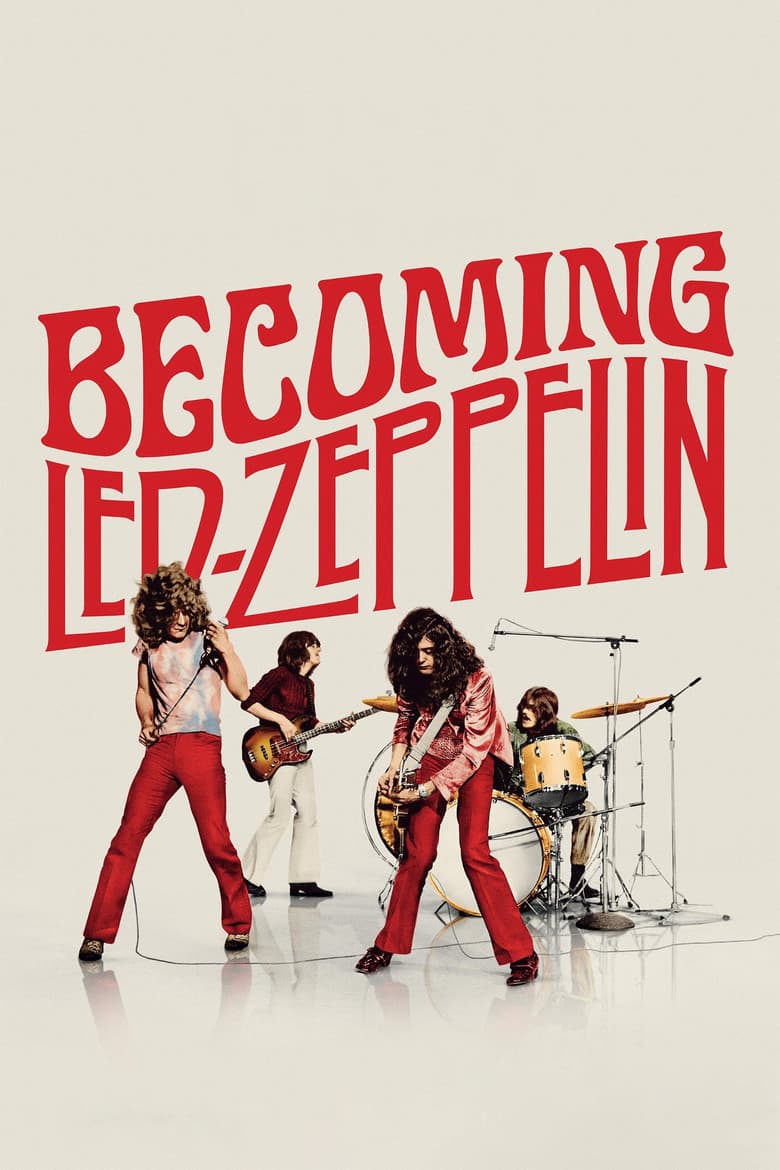
The individual journeys of the four members of the band, as they move through the music scene of the 1960s, playing small clubs throughout Britain and performing some of the…
Movie · 2021
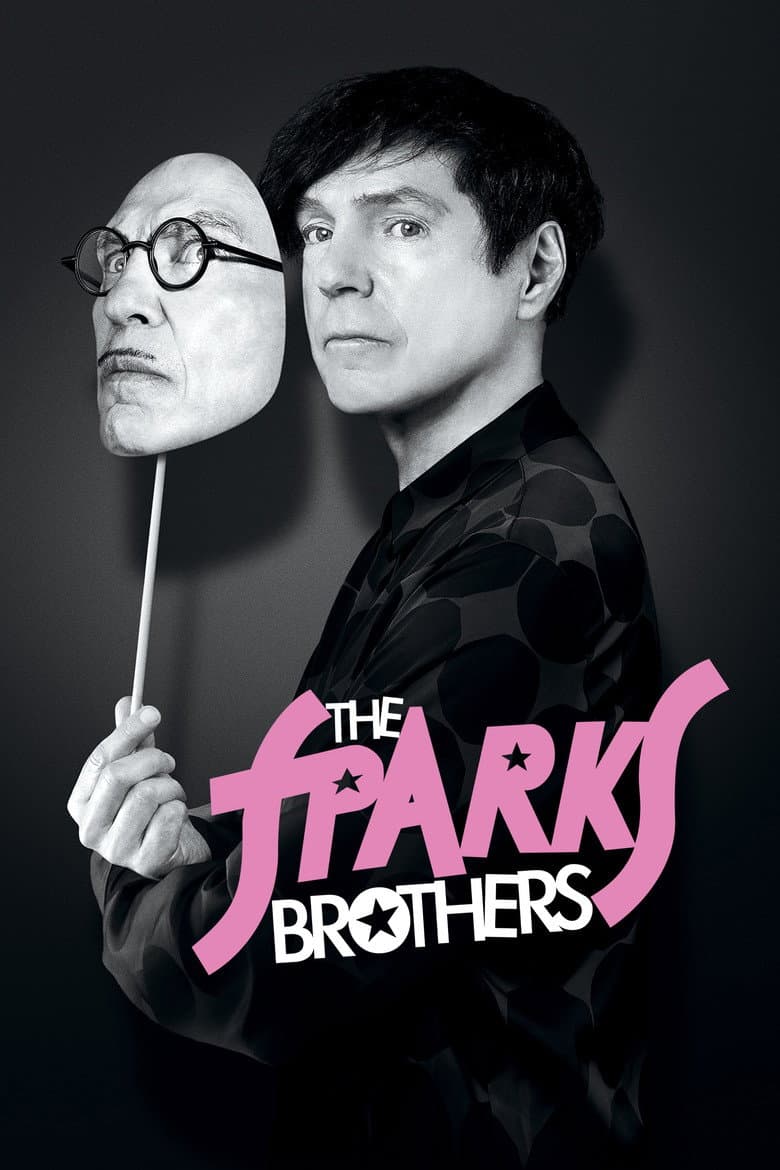
Take a musical odyssey through five weird and wonderful decades with brothers Ron & Russell Mael, celebrating the inspiring legacy of Sparks: your favorite band’s favorite band.
Movie · 2025
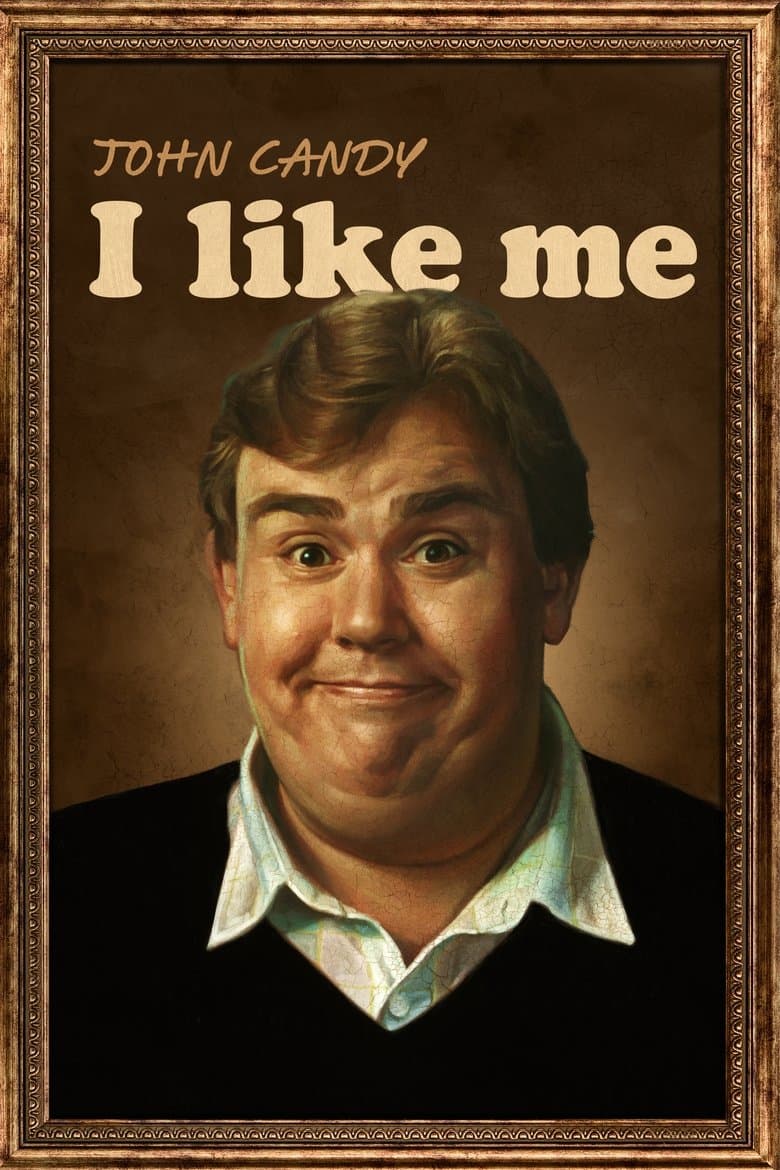
Those who knew iconic funnyman John Candy best share his story, in their own words, through never-before-seen archival footage, imagery, and interviews.
Movie · 2025
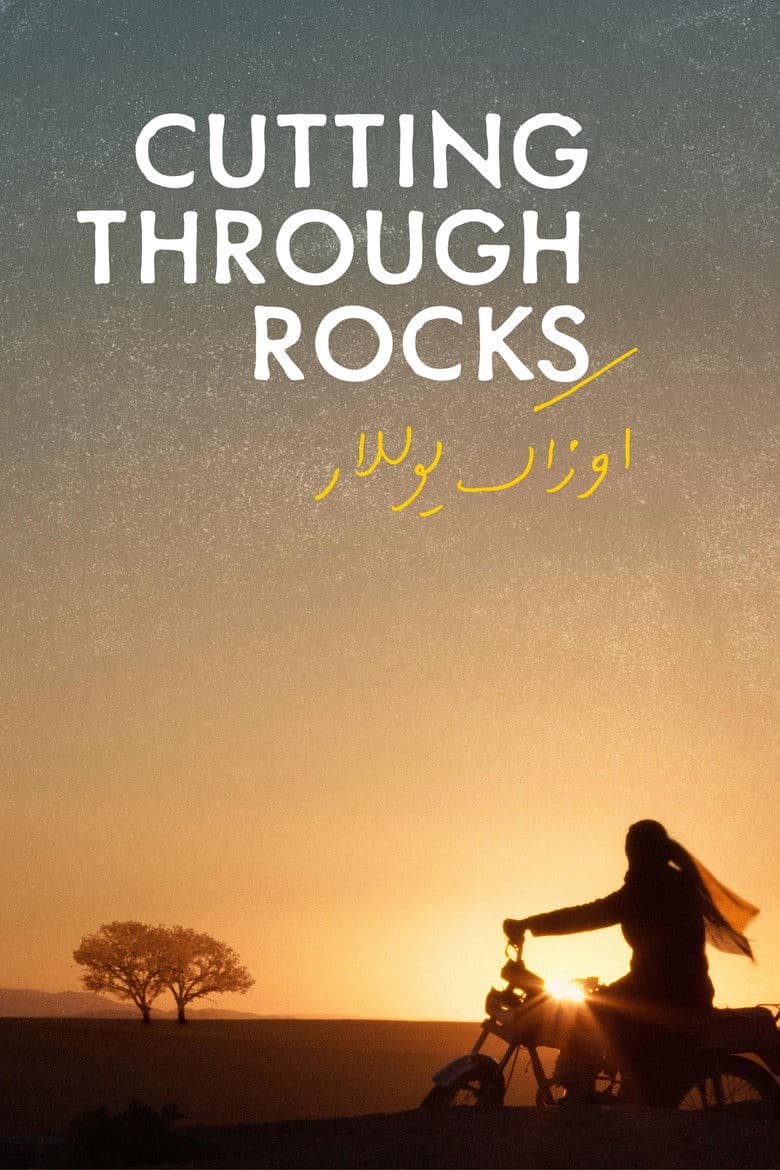
37-year-old Sara Shahverdi, a motorcycle riding, land owning, former midwife-turned-fierce citizen advocate and recent divorcée, just won a landslide local election in her remote…
Movie · 2018
New York, 1980. Three complete strangers accidentally discover that they're identical triplets, separated at birth.
