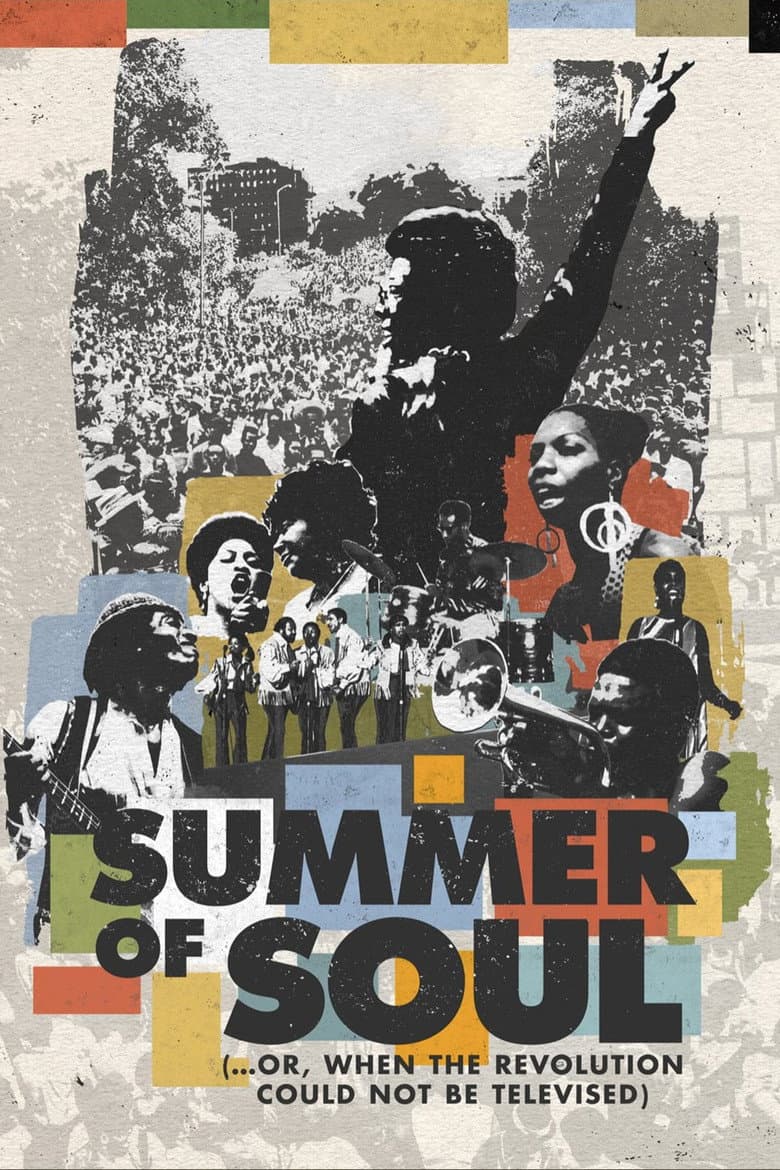
Movie review
July 2, 2021 · 117 min · PG-13 · Documentary
The movie pushes black pride, unity, and cultural identity the whole way through as the main narrative engine. Revolutionary activist dialogue and songs from performers like Nina Simone on black power and revolution run throughout the footage and interviews. It constantly frames the festival's obscurity as media erasure of black history and culture. Director Questlove ties it directly to present-day activism and changed the ending after George Floyd for BLM relevance.
Community feedback
Was our 76% Woke rating accurate?
Breakdown
These are the editorial factors and ratings behind our score for Summer of Soul (...Or, When the Revolution Could Not Be Televised).
Woke representation / casting
Black pride representation dominates the cast, performers, and interviewees
45%
Woke political dialogue
Revolutionary activist dialogue from performers like Nina Simone on black power and readiness for action
60%
Identity-driven story themes
Black identity pride and unity drive the story and themes from start to end
70%
Western institutional / cultural critique
Frames the festival's obscurity as media erasure of black culture and history with director's modern activist lens
50%
Woke character or canon changes
Not present in this title.
0%
Anti-woke backlash and complaints
No notable anti-woke backlash; film received universal acclaim for highlighting black history
10%
Creator track record context
Director Questlove has track record of activism and publicly framing work around black erasure and political activism
60%
Production
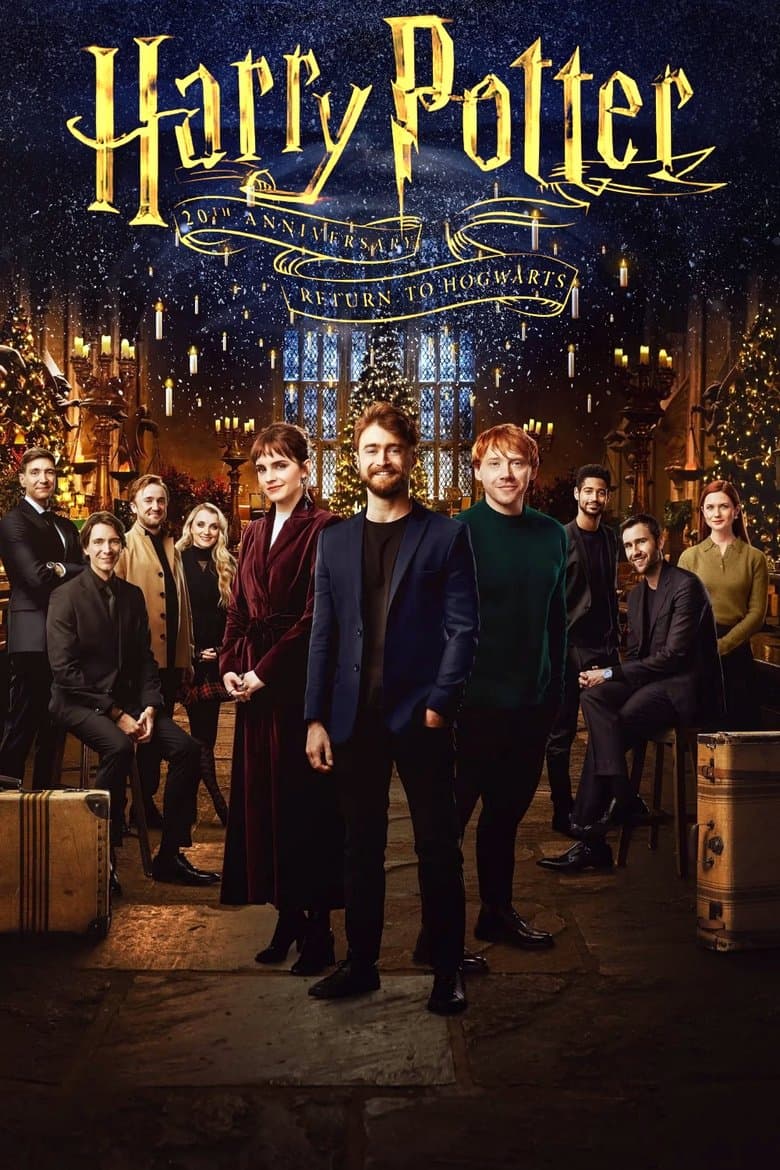
Movie · 2022
An enchanting making-of story told through all-new in-depth interviews and cast conversations, inviting fans on a magical first-person journey through one of the most beloved film…
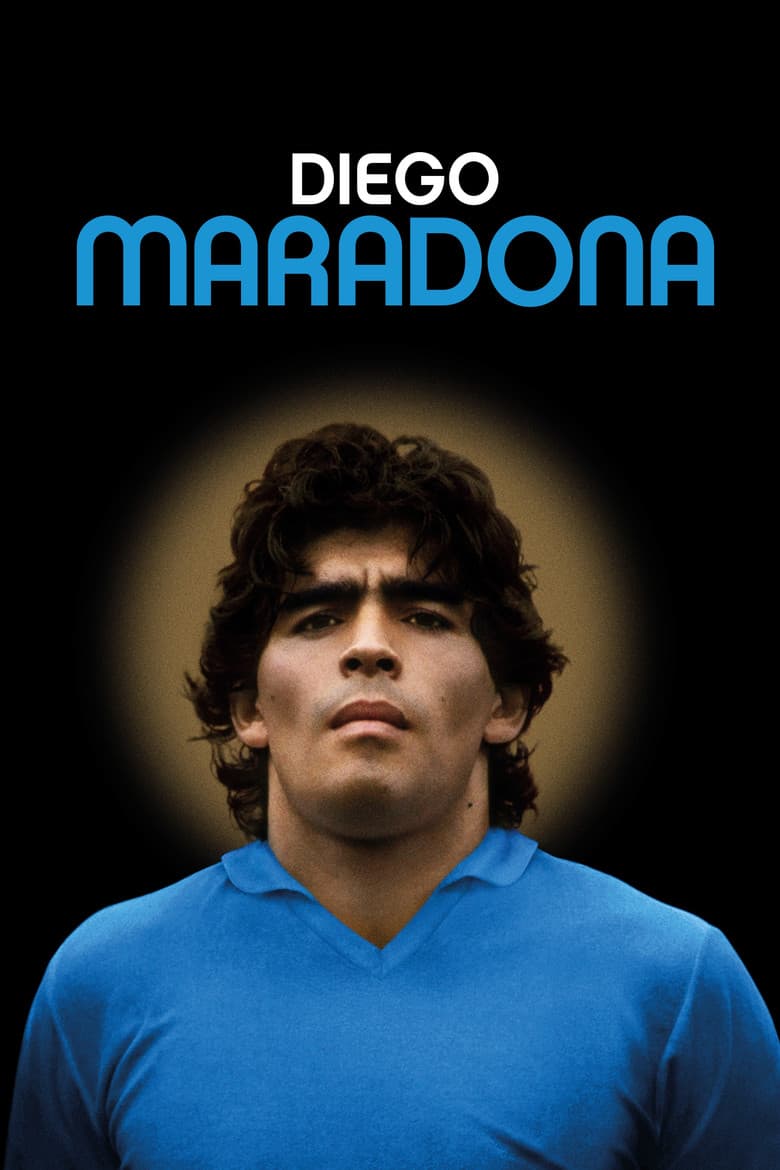
Movie · 2019
Constructed from over 500 hours of never-before-seen footage, this documentary centers on the personal life and career of the controversial football player Diego Maradona who…
Movie · 2016
With never-before seen home video, this film recounts the paranoid downward spiral of John E. du Pont and the murder of Olympic wrestler Dave Schultz.
Movie · 2016
With stunning views of eruptions and lava flows, Werner Herzog captures the raw power of volcanoes and their ties to indigenous spiritual practices.
Movie · 2020
When Washington Post journalist Jamal Khashoggi disappears after entering Saudi Arabia’s consulate in Istanbul, his fiancée and dissidents around the world are left to piece…
Movie · 2025
37-year-old Sara Shahverdi, a motorcycle riding, land owning, former midwife-turned-fierce citizen advocate and recent divorcée, just won a landslide local election in her remote…
Movie · 2025
The individual journeys of the four members of the band, as they move through the music scene of the 1960s, playing small clubs throughout Britain and performing some of the…
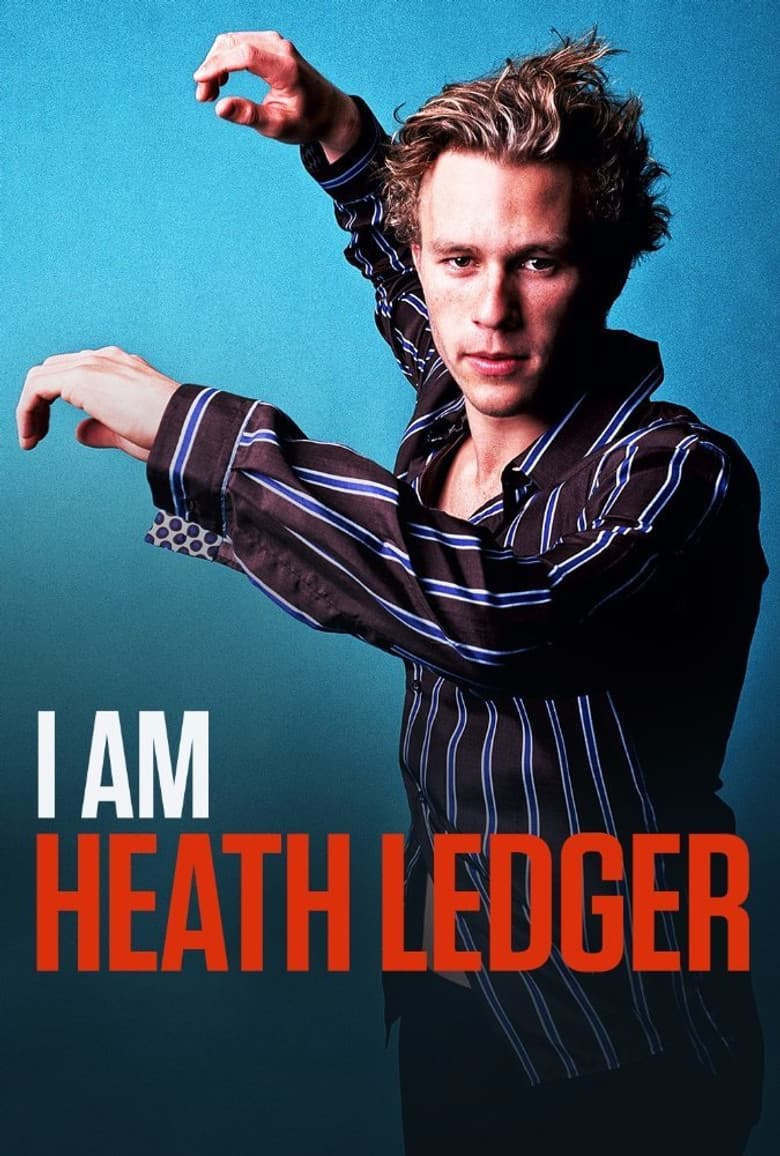
Movie · 2017
The life and career of an actor, artist, and icon. His own journey through his own camera.
