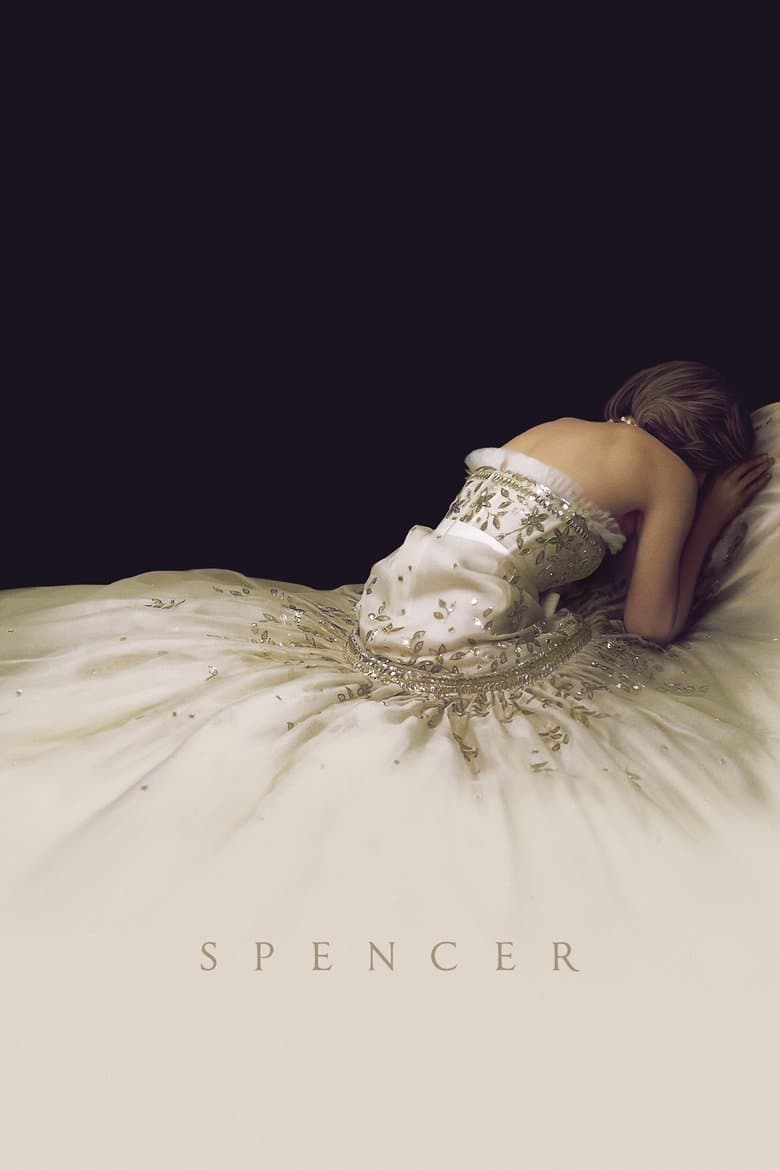
Christmas 1991. Princess Diana spends the holidays with the royal family at Sandringham in Norfolk. Her marriage to Prince Charles is falling apart. She feels watched, trapped, and sick with stress. Over a few tense days she decides whether to stay or leave with her sons. The movie is dark, dreamlike, and close to her point of view.
Viewers will notice a strong personal story of a woman breaking free from a cold royal marriage and rigid house rules. The royal system is shown as a kind of elegant prison: fixed outfits, weighing, cold meals, and staff who enforce order. A key late scene has her dresser Maggie say she is in love with Diana “in that way,” a clear same-sex crush that is not real history but is invented for the film. Mental health, bulimia, and fear of becoming another discarded royal wife drive the plot. Race-quota casting and activist race talk are not the point. What stands out is the woman-vs-institution fight plus that queer confession.
Community feedback
Was our 54% Woke rating accurate?
Breakdown
These are the editorial factors and ratings behind our score for Spencer.
Woke representation / casting
Main roles match real British royals and staff of that era. Stewart as Diana is a big star choice, not a race or gender swap of a known figure. No clear quota pattern of identity casting in lead power roles. Diversity is not the marketing or story hook.
0%
Woke political dialogue
Talk is personal and emotional: marriage pain, control, mental health, not wanting soldiers to die for her. Little modern race, gender-theory, or slogan-style activist speech. Some pushback on royal duty reads as private resistance, not a lecture series.
22%
Identity-driven story themes
Core arc is Diana reclaiming her own name and life against a stifling marriage and royal role. Mental health and a woman’s right to leave are front and center. Maggie’s same-sex love confession is a clear LGBTQ+ beat and raises this score even though it is one late scene, not the whole movie.
52%
Western institutional / cultural critique
The British royal household is shown as cold, rigid, and prison-like. Tradition, fixed gender-wife roles, and palace control are the enemy of Diana’s freedom. This is a strong critique of a core Western institution, even though the focus is one family’s cruelty more than modern race or colonial guilt talk.
44%
Woke character or canon changes
Sold as a “fable,” not pure biography. Biggest identity-driven invention is Maggie’s queer love for the real historical Diana—an invented staffer and crush. Other changes (ghost of Anne Boleyn, dream scenes) are dramatic, not all DEI-driven. Ordinary compression is not scored; the invented queer attachment is.
42%
Anti-woke backlash and complaints
Some right-leaning or traditional critics disliked Diana worship and a harsh take on the royals and duty. That is mild anti-left cultural pushback. There was no large, clear campaign calling the film a DEI or “woke race” product. Accuracy and tone complaints were more common.
14%
Creator track record context
Cached scores for the listed directors, Knight, and Chadha are low overall (mostly 0–22). They do not show a strong pattern of identity-first activism. Support for the title’s content is light, not a driver of high woke intent by itself.
12%
Production
Movie · 2023
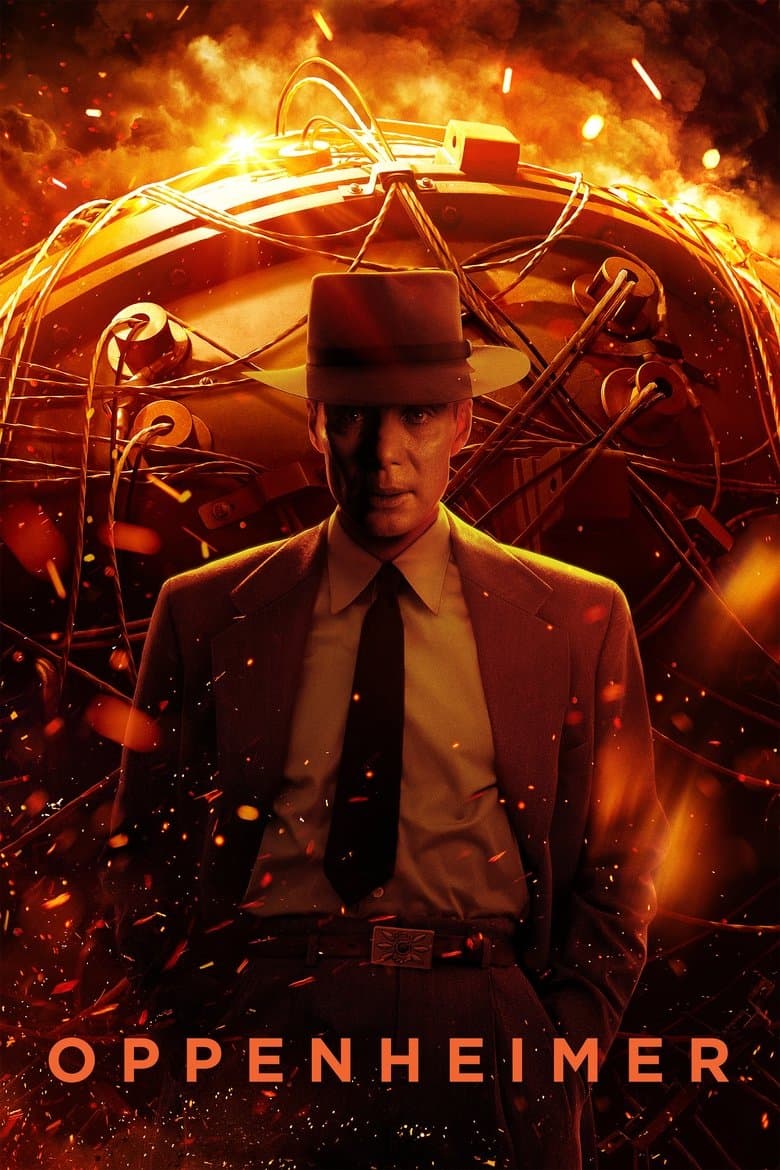
The story of J. Robert Oppenheimer's role in the development of the atomic bomb during World War II.

Movie · 2016
After his older brother passes away, Lee Chandler is forced to return home to care for his 16-year-old nephew.
Movie · 2020
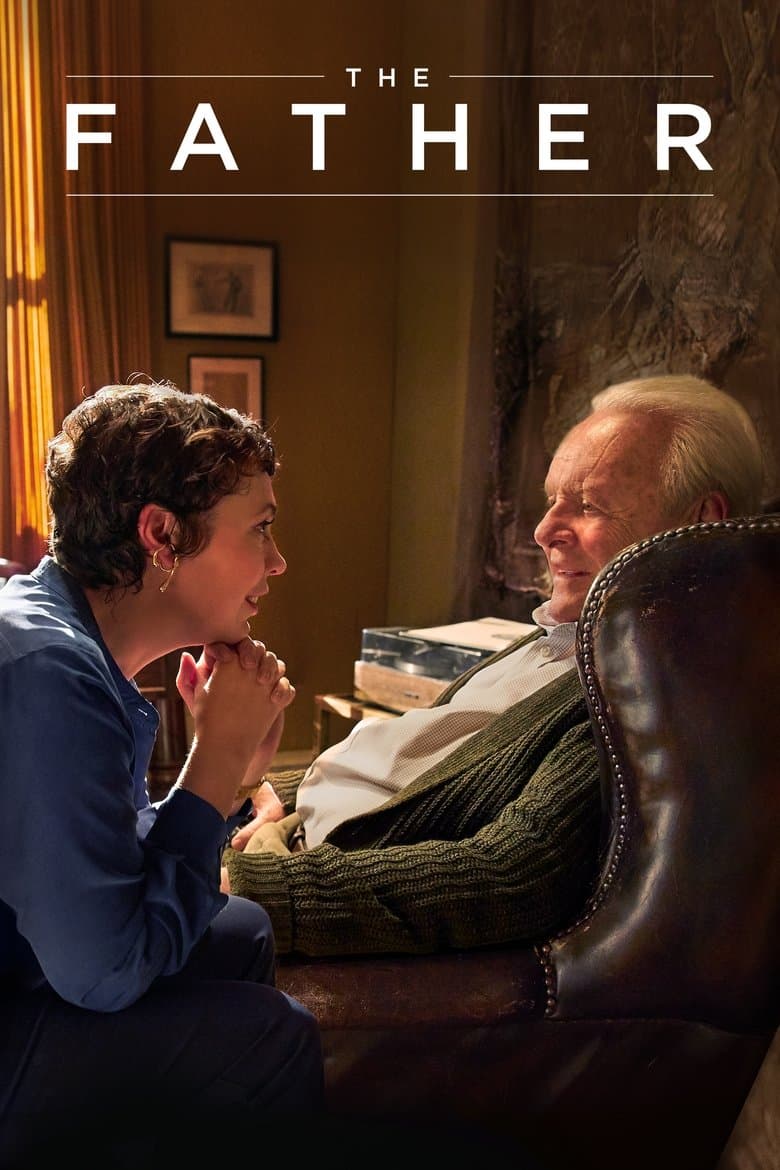
A man refuses all assistance from his daughter as he ages and, as he tries to make sense of his changing circumstances, he begins to doubt his loved ones, his own mind and even…
Movie · 2023
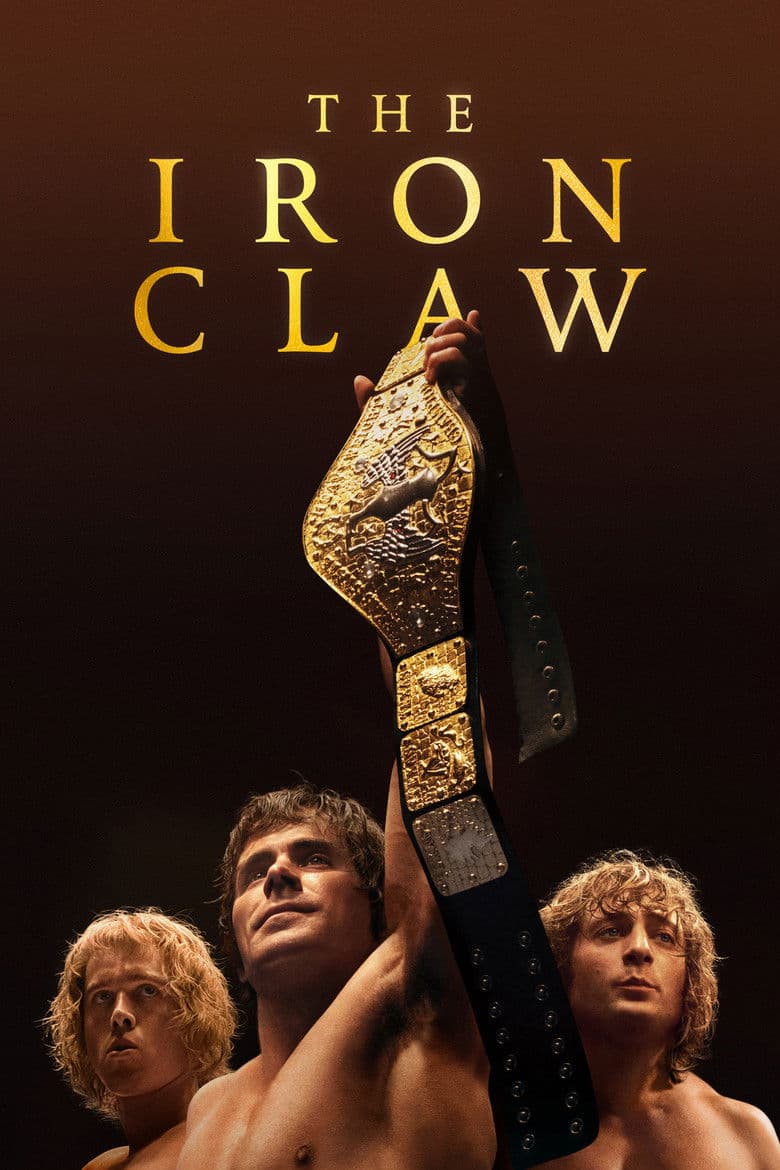
The true story of the inseparable Von Erich brothers, who made history in the intensely competitive world of professional wrestling in the early 1980s.
Movie · 2019
Richard Jewell thinks quick, works fast, and saves hundreds, perhaps thousands, of lives after a domestic terrorist plants several pipe bombs and they explode during a concert…
Movie · 2016
In a desolate war zone where screams of the innocent echo, on the very line between disaster and valor, 7 Maroon Berets will dance with death.
Movie · 2023
American ballet dancer Joy Womack is accepted into Moscow's infamously tough Bolshoi Ballet Academy, with the dream of becoming a great ballerina.
Movie · 2016
WWII American Army Medic Desmond T. Doss, who served during the Battle of Okinawa, refuses to kill people and becomes the first Conscientious Objector in American history to…
