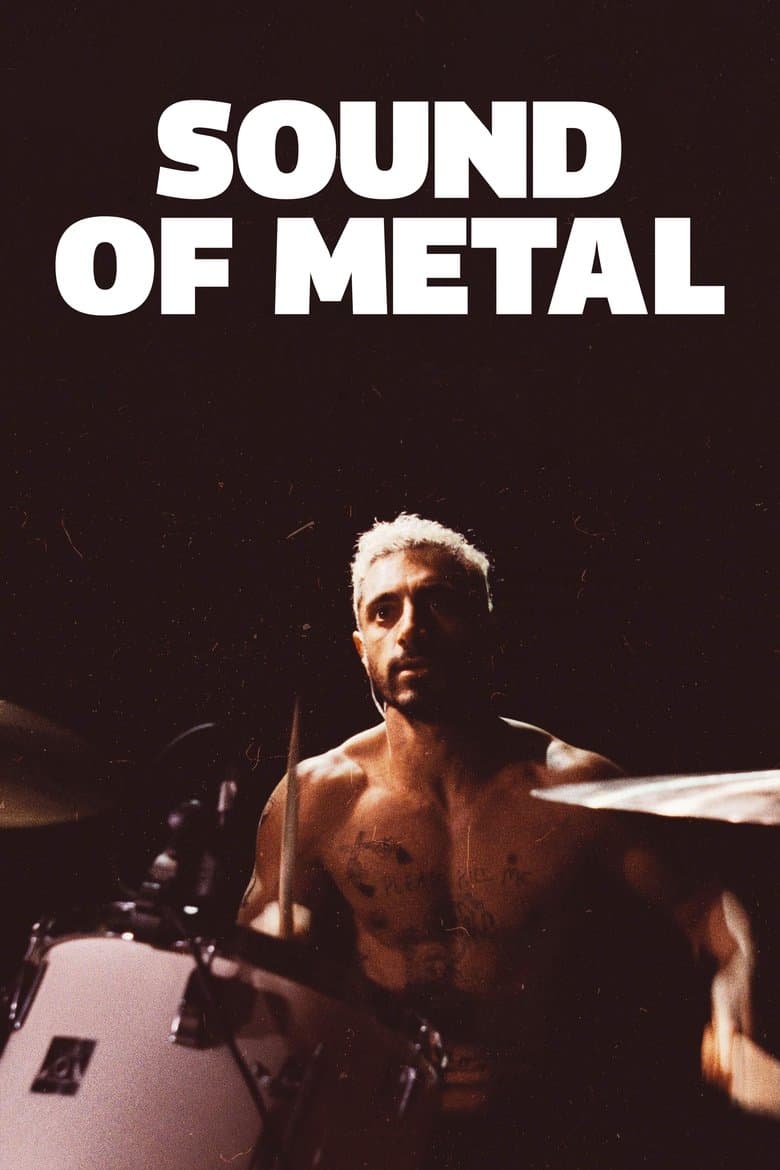
Sound of Metal follows Ruben Stone, a heavy metal drummer and recovering addict. His hearing fails while he is on tour with his girlfriend and bandmate Lou. She brings him to a rural sober house for deaf people run by Joe, a veteran who lost his hearing later in life. Ruben learns sign language and grows close to that community. He then sells his gear and RV for cochlear implants, which breaks the house belief that deafness is not something to fix. The implants sound wrong, his old life with Lou is gone, and he sits in silence.
The film is mainly a personal drama about loss, addiction, control, and stillness. It also presents Deaf culture as a language community rather than a defect to cure. Ruben faces pressure not to “fix” his hearing and never fully joins that identity. His urge to control and repair everything is shown as a harmful habit, with stillness offered as a better path. Race, gender, and queer politics are not the center of the story.
Community feedback
Was our 32% Woke rating accurate?
Breakdown
These are the editorial factors and ratings behind our score for Sound of Metal.
Woke representation / casting
Deaf roles are mostly played by deaf actors, which serves the story world rather than a quota checklist. Riz Ahmed plays an American metal drummer and his ethnicity is never named or justified on screen. Lauren Ridloff appears as a capable black deaf teacher. The director called it an extraordinarily diverse movie, and press stressed authentic Deaf casting, but there is no engineered multi-identity friend group or race or gender swap of a legacy hero. Background includes a visible queer deaf character played naturally without signaling or emphasis.
25%
Woke political dialogue
Dialogue stays mostly personal about recovery, fear, love, and money for implants. Joe’s key speech says the community is built on the idea that deafness is not a handicap and not something to fix. That is cultural talk about disability, not race, gender, or DEI slogans. Political lecture lines are rare.
10%
Identity-driven story themes
The middle of the film centers Deaf cultural identity. Deafness is shown as a language community rather than a defect, and medical implants are treated as a wrong kind of fix. Ruben fails to fully join that identity. The main spine is still personal grief, addiction patterns, and learning stillness, not race, gender, or queer politics.
32%
Western institutional / cultural critique
On screen, Ruben’s need to fix, control, and provide is framed as self-harm close to relapse. Joe’s belief that nothing is broken and his stillness practice are the corrective. That is a mild critique of traditional male problem-solving, not an attack on Christianity, capitalism, or systemic whiteness. Insurance not covering implants is a plot obstacle, not activist healthcare messaging.
28%
Woke character or canon changes
Not relevant. This is an original drama evolved from an unfinished project, not an identity-driven rewrite of franchise characters, historical figures, or canon.
0%
Anti-woke backlash and complaints
There was no major mainstream campaign calling the film too woke or a DEI race or gender swap. Some online posts labeled it deaf-supremacist propaganda for treating implants and the wish to hear as betrayal. Separate implant-user critiques focus more on accuracy than culture-war politics. Overall backlash stays thin.
8%
Creator track record context
Source summaries place Abraham and Darius Marder in low-activism personal indie work. Derek Cianfrance is linked to relationship and masculinity dramas without an activist score. Producers and casting directors land in a similar low range. The creative slate fits character drama more than political activism.
12%
Production
Movie · 2019
Richard Jewell thinks quick, works fast, and saves hundreds, perhaps thousands, of lives after a domestic terrorist plants several pipe bombs and they explode during a concert…
Movie · 2016
After his older brother passes away, Lee Chandler is forced to return home to care for his 16-year-old nephew.
Movie · 2023
The true story of the inseparable Von Erich brothers, who made history in the intensely competitive world of professional wrestling in the early 1980s.
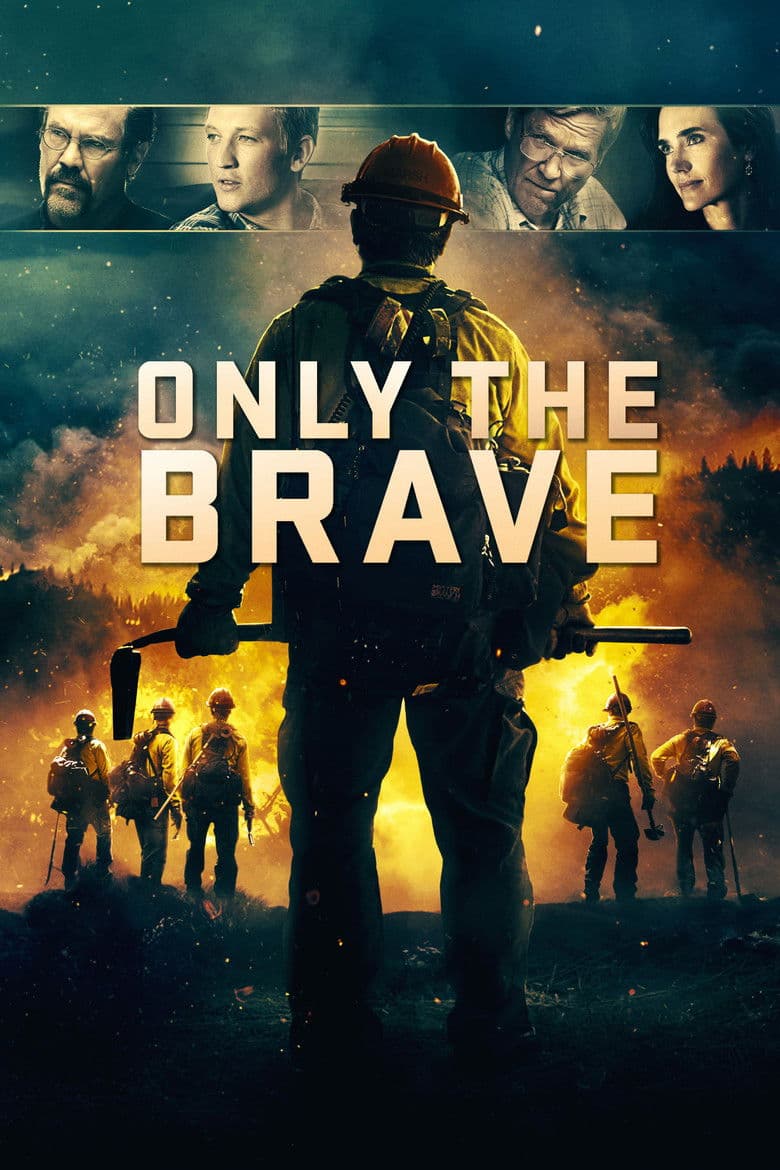
Movie · 2017
Members of the Granite Mountain Hotshots battle deadly wildfires to save an Arizona town.
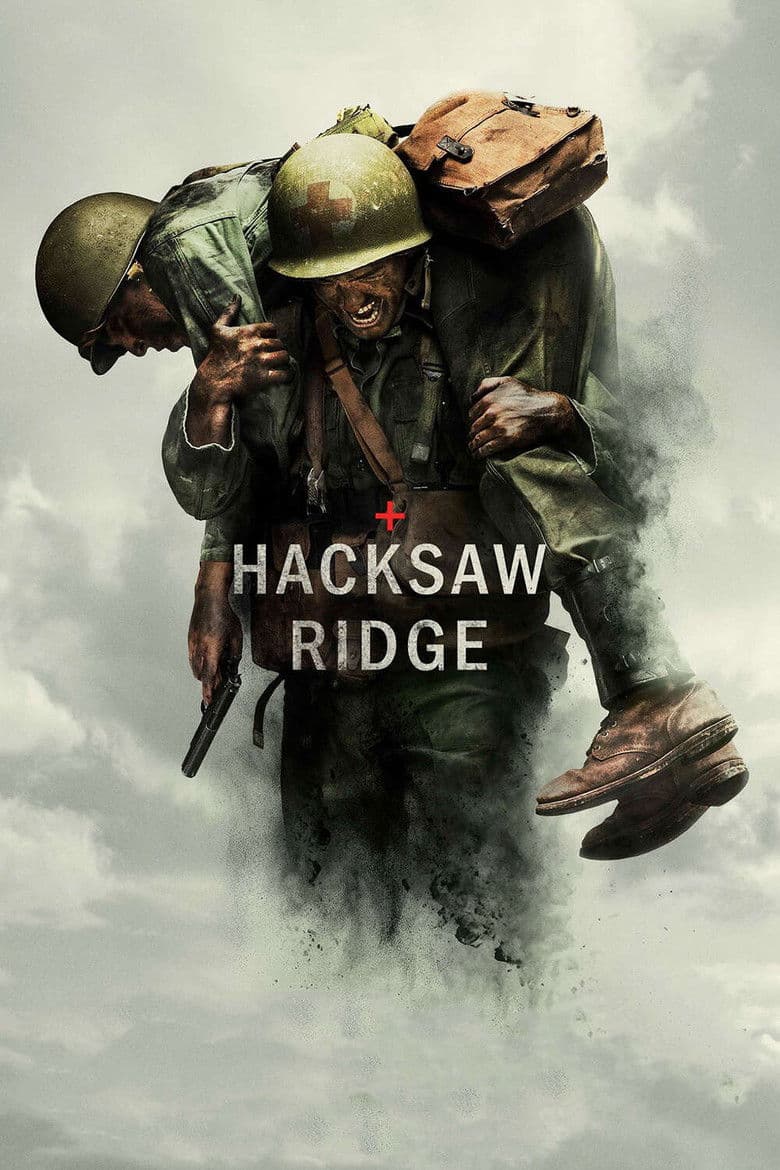
Movie · 2016
WWII American Army Medic Desmond T. Doss, who served during the Battle of Okinawa, refuses to kill people and becomes the first Conscientious Objector in American history to…
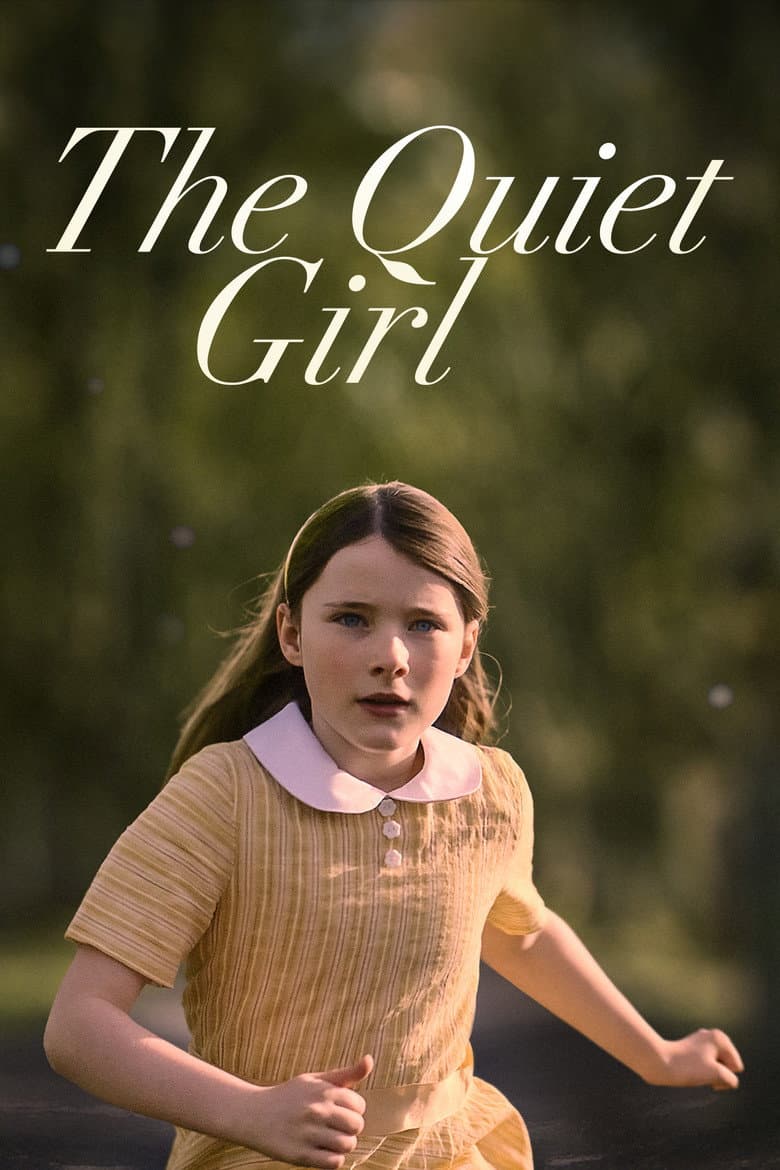
Movie · 2022
A quiet, neglected girl is sent away from her dysfunctional family to live with relatives for the summer. She blossoms in their care, but in this house where there are meant to be…
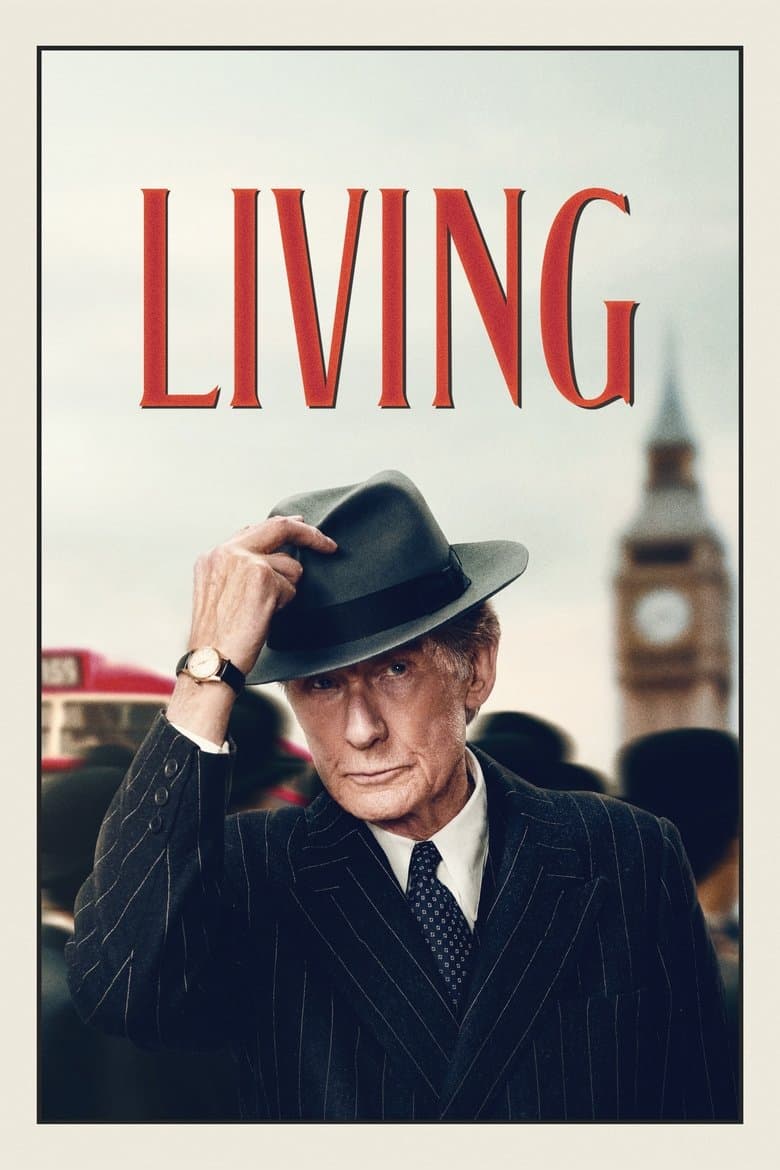
Movie · 2022
London, 1953. Mr. Williams, a veteran civil servant, is an important cog within the city's bureaucracy as it struggles to rebuild in the aftermath of World War II.
Movie · 2025
Diagnosed with Tourette Syndrome at 15, John Davidson navigates his way against the odds through troubled teenage years and into adulthood, finding inspiration in the kindness of…
