
Movie review
December 25, 2020 · 101 min · PG · Kids · Fantasy · Animation · Comedy · Family · Drama
Joe Gardner is a middle school music teacher who loves jazz. He has a bad accident right after getting his big break, separating his soul from his body. Joe travels to a magical place before life to find a way back to Earth with the help of a stubborn soul named 22. The film features Pixar's first black lead character and places a visible focus on representing black jazz culture in New York. The main message teaches viewers to find joy in simple, everyday moments.
Community feedback
Was our 34% Woke rating accurate?
Breakdown
These are the editorial factors and ratings behind our score for Soul.
Woke representation / casting
The movie features Pixar's first black lead character and a mainly black voice cast to represent the New York jazz scene. The casting is central to the film's identity, and Disney heavily marketed the movie as a major milestone for diversity. While the casting choices fit the story world perfectly, the studio used a dedicated Cultural Trust to prioritize identity representation during production.
40%
Woke political dialogue
The film contains no modern political lectures, activist talking points, or social-justice dialogue. The characters speak purely about universal, philosophical ideas like finding passion, enjoying life, and appreciating simple everyday moments.
0%
Identity-driven story themes
The core story is about finding joy in everyday life rather than chasing career success. While the movie celebrates black jazz culture, it handles these elements as a normal backdrop for the main character rather than using them to push activist themes of systemic oppression or identity politics. The abstract soul characters are genderless, but this is a natural part of the fantasy setting and is not framed around modern queer activism.
15%
Western institutional / cultural critique
The story includes a light critique of career obsession and how people can get lost in their own minds when they care too much about work. However, this is shown as a personal spiritual struggle rather than a political attack on capitalism, traditional family values, or Western culture. The depiction of the afterlife is a generic fantasy setting that does not mock or undermine traditional religious beliefs.
0%
Woke character or canon changes
Not present in this title.
0%
Anti-woke backlash and complaints
There was no notable anti-woke backlash or right-leaning complaints about the film's story or themes. Most of the public debate and criticism came from left-leaning activists who complained about the black main character spending too much of the movie as a blue soul or a cat, which does not count as anti-woke backlash.
0%
Creator track record context
The key creative team is highly mixed. High-level leaders like director Pete Docter have a mild track record focused on universal appeal. However, the wider crew includes several prominent activists. Script supervisor Jessica Heidt and producer Kiri Hart have very strong records of pushing gender diversity and representation-first mandates. Co-director Kemp Powers and writer Aphton Corbin also have active track records of prioritizing racial diversity.
48%
Production
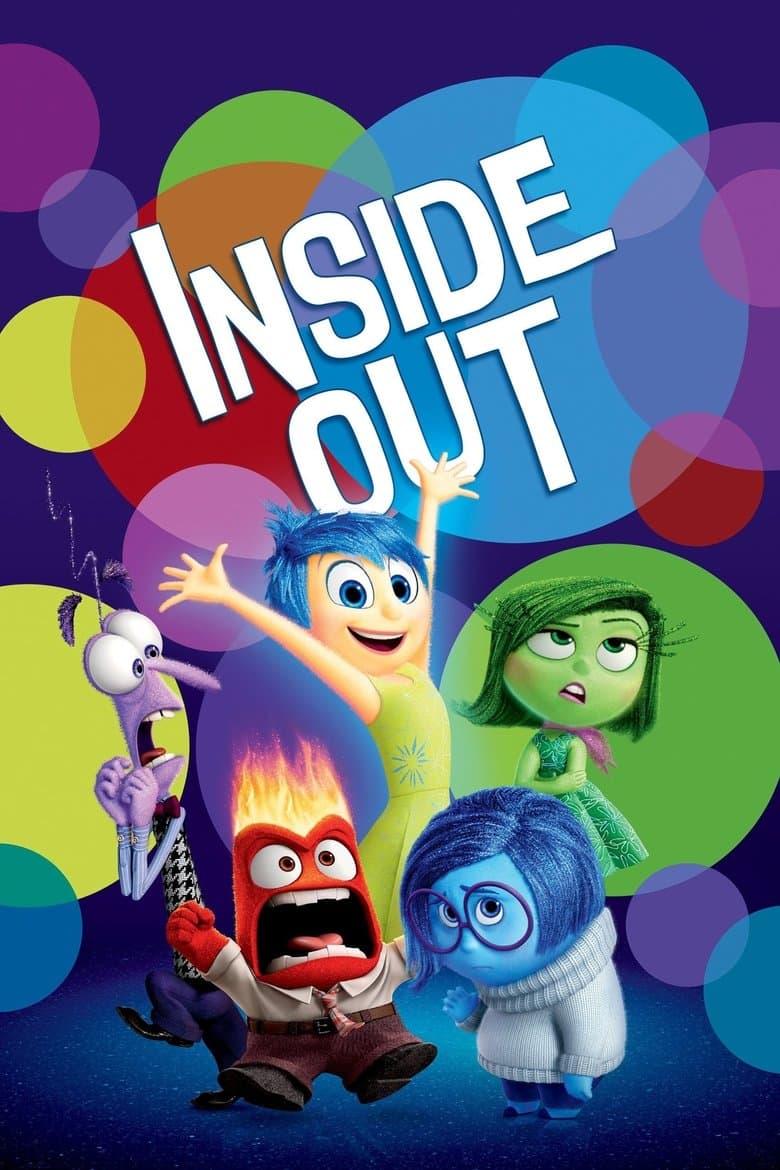
Movie · 2015
When 11-year-old Riley moves to a new city, her Emotions team up to help her through the transition. Joy, Fear, Anger, Disgust and Sadness work together, but when Joy and Sadness…

Movie · 2022
Marcel is an adorable one-inch-tall shell who ekes out a colorful existence with his grandmother Connie and their pet lint, Alan.
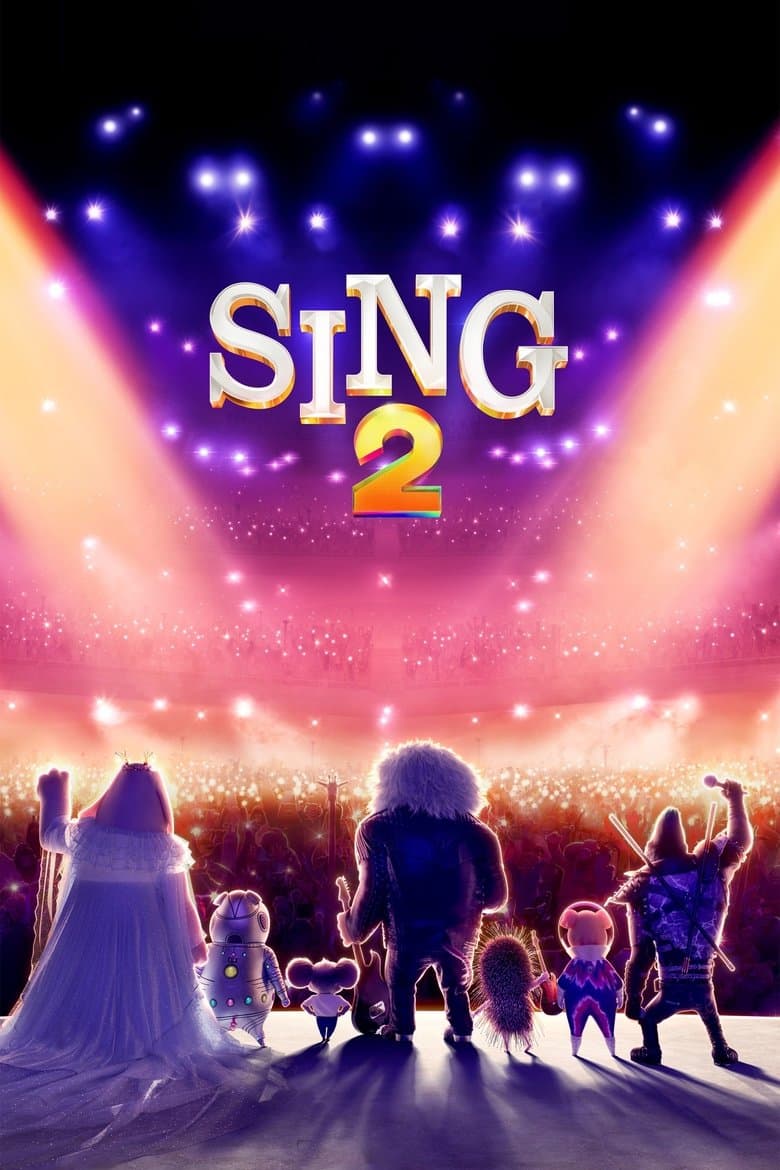
Movie · 2021
Buster and his new cast now have their sights set on debuting a new show at the Crystal Tower Theater in glamorous Redshore City.
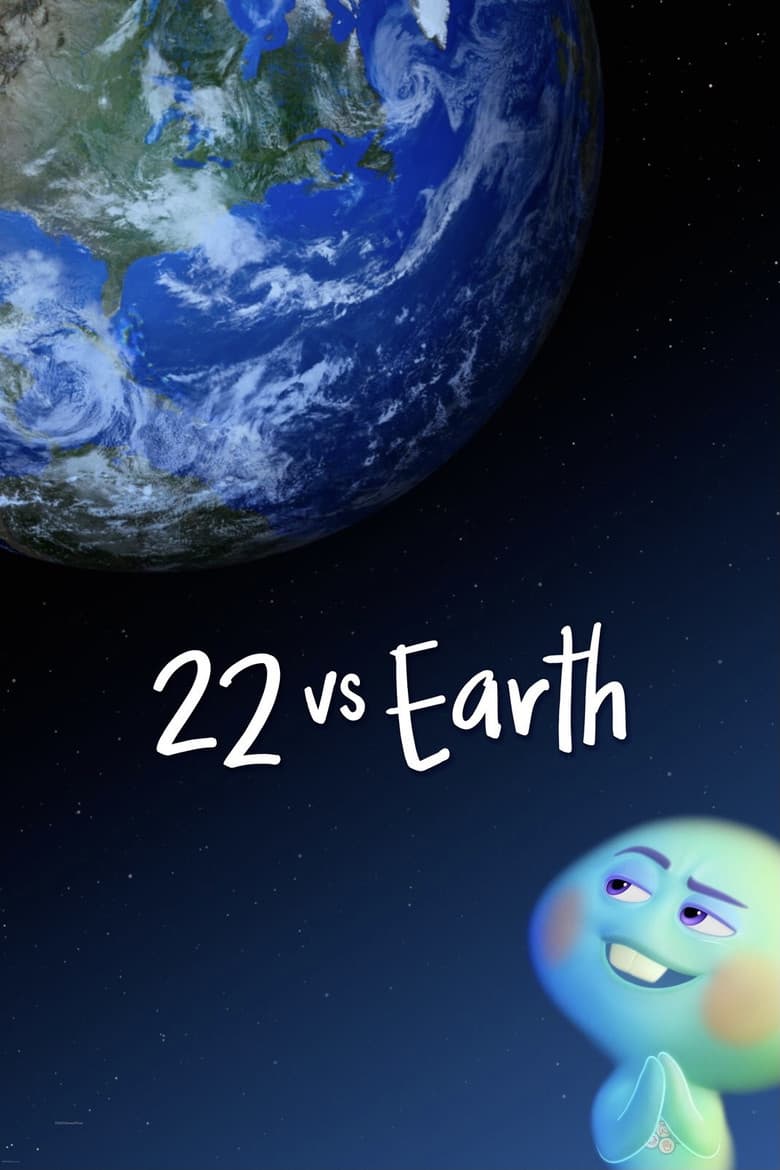
Movie · 2021
Set before the events of ‘Soul’, 22 refuses to go to Earth, enlisting a gang of 5 new souls in attempt of rebellion.

Movie · 2018
The Grinch hatches a scheme to ruin Christmas when the residents of Whoville plan their annual holiday celebration.
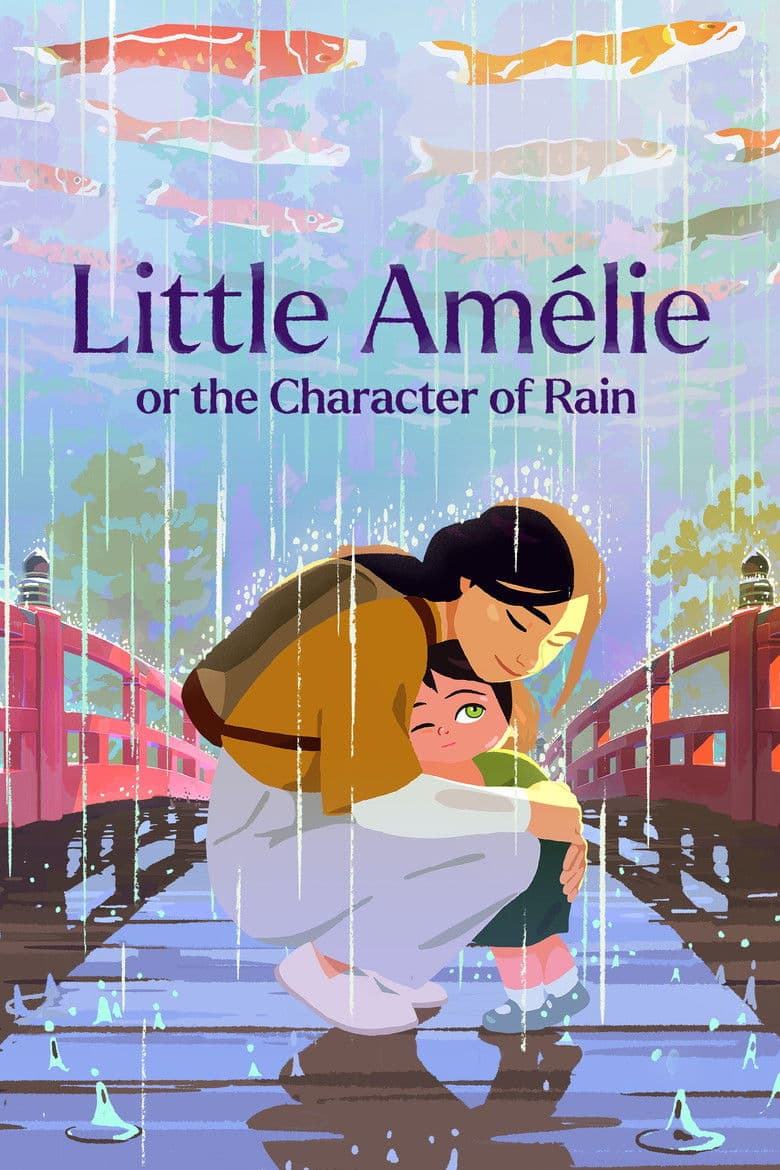
Movie · 2025
The world is a perplexing, peaceful mystery to Amélie until a miraculous encounter with chocolate ignites her wild sense of curiosity.

Movie · 2025
Elio, a space fanatic with an active imagination, finds himself on a cosmic misadventure where he must form new bonds with eccentric alien lifeforms, navigate a crisis of…

Movie · 2022
Maurice is a streetwise ginger cat who comes up with a money-making scam by befriending a group of self-taught talking rats.
