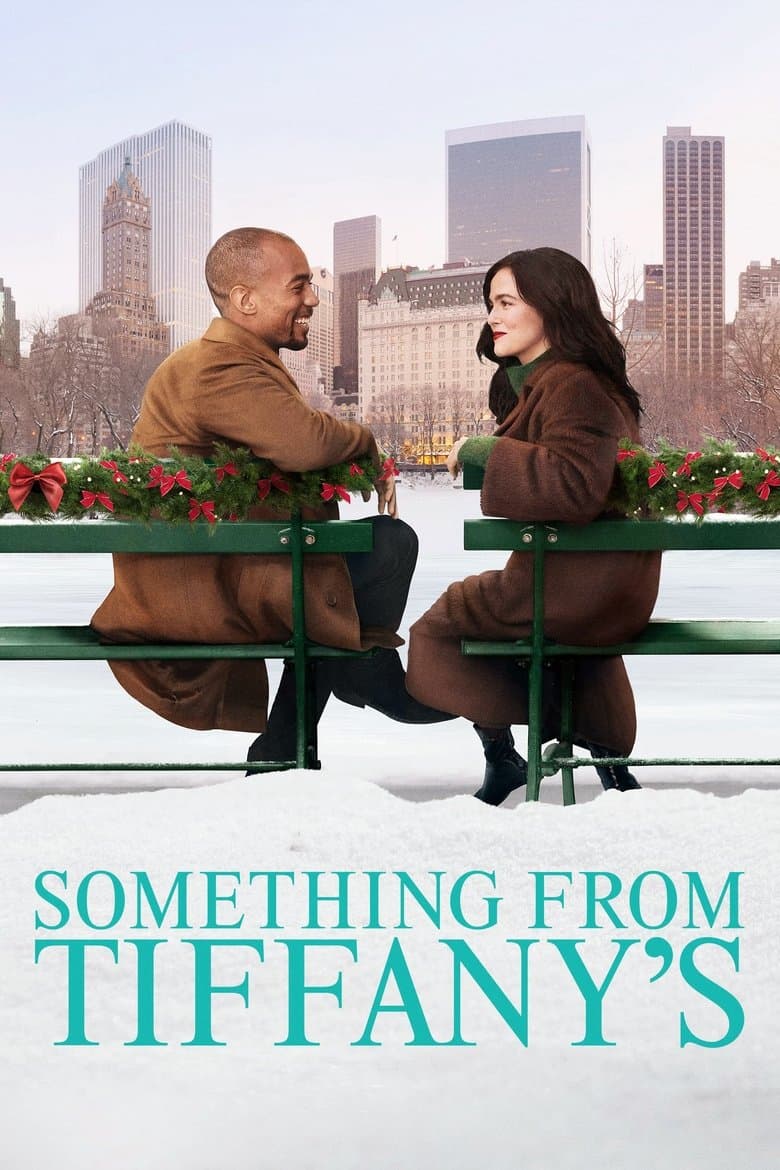
Rachel runs a bakery in New York and dates Gary, a boyfriend who often lets her down. Ethan is a single dad and writer who plans to propose to Vanessa with a ring from Tiffany’s. After a street accident, their shopping bags get swapped, so Rachel ends up with the ring and Ethan ends up with earrings. Over Christmas they grow close, face the mix-up, and choose new paths. The tone is light holiday romance with city Christmas charm.
The main story is a classic gift-mix love plot, but viewers can still see modern identity choices. Ethan is a black lead opposite a white heroine, so the central couple is interracial. Rachel’s best friend Terri is in a clear lesbian marriage with Sophia, with on-screen kisses and jokes. News and cast talk framed the film as more diverse and inclusive than a plain holiday rom-com, including a black lesbian pair. That support role is not the whole movie, but it is easy to notice. There is little hard political speech or big anti-system lectures. For most people the “woke” feel comes from casting and the queer side couple more than from the plot itself.
Community feedback
Was our 62% Woke rating accurate?
Breakdown
These are the editorial factors and ratings behind our score for Something from Tiffany's.
Woke representation / casting
Clear pattern of identity-forward casting in a modern NYC rom-com: black male romantic lead, interracial central couple, multiracial supporting roles, and a prominent black lesbian married pair. Producers and press treated diversity and inclusivity as deliberate. Queer couple raises the weight. Not a full all-identity takeover of every role, but easy for a normal viewer to see.
58%
Woke political dialogue
Almost no activist lectures about race systems, gender ideology, or current politics. Talk is standard rom-com banter, relationship gripes, and light personal backstory. A Jewish Christmas note is identity flavor, not a speech. Viewers looking for slogans will find little.
14%
Identity-driven story themes
Core plot is gift mix-up and “right person” romance, not a campaign movie. Still, the healthy lesbian couple is shown as normal holiday-movie life, and casting choices make identity visible. Queer content is supporting, not the main arc, so this sits in the “noticeable but not the whole story” range, with extra weight for LGBTQ+ inclusion.
42%
Western institutional / cultural critique
Gary is a weak, selfish boyfriend; Vanessa is career-focused. That fits old rom-com types more than a modern attack on men, marriage, faith, or Western life as systems. No strong anti-capitalist, anti-church, or “toxic culture” frame.
16%
Woke character or canon changes
Book-to-film choices lean identity: nonwhite leads, interracial romance, and a black lesbian side couple called out as diversity/inclusivity updates. That is more than simple time cuts or location polish. Not a famous historical figure race-swap, but source characters were reshaped with clear representation goals.
48%
Anti-woke backlash and complaints
No major right-leaning “this movie is woke propaganda” wave in news or big social campaigns. Mild conservative content notes about the lesbian couple exist; overall anti-woke outrage is thin and fringe.
8%
Creator track record context
Mix of moderate progressive profiles: Wein’s past identity-focused films, Chestna’s *Moxie* gender themes, Hello Sunshine’s women-first brand, and Deutch’s activist public image, balanced by craft-first or nonpolitical names (Janssen, Hill). Fits soft representation-era rom-com more than hard activist cinema.
38%
Production

Movie · 2016
Set against the backdrop of a beautiful garden in the heart of London, this contemporary fairy tale revolves around the unlikely friendship between a reclusive young woman and a…
Movie · 2019
Jodi, the tallest girl in her high school, has always felt uncomfortable in her own skin. But after years of slouching, being made fun of, and avoiding attention at all costs…

Movie · 2016
Anne is at a crossroads in her life. Long married to a successful, driven but inattentive movie producer, she unexpectedly finds herself taking a car trip from Cannes to Paris…
Movie · 2019
Following a group of friends from university as they progress into middle-age life and go their own separate ways.
Movie · 2026
After Matt's dreams of a picturesque Italian wedding are shattered when his fiancée leaves him at the altar, he embarks on his planned honeymoon across Italy alone, immersing…
Movie · 2016
Pop superstar Jordan Jaye has a big dream he just wants to live like a regular teenager. When he's chased down by some excited female fans, he finds a perfect hideout and a…
Movie · 2019
A family dog – with a near-human soul and a philosopher's mind – evaluates his life through the lessons learned by his human owner, a race-car driver.

Movie · 2016
High schoolers Mitsuha and Taki are complete strangers living separate lives. But one night, they suddenly switch places. Mitsuha wakes up in Taki’s body, and he in hers.
