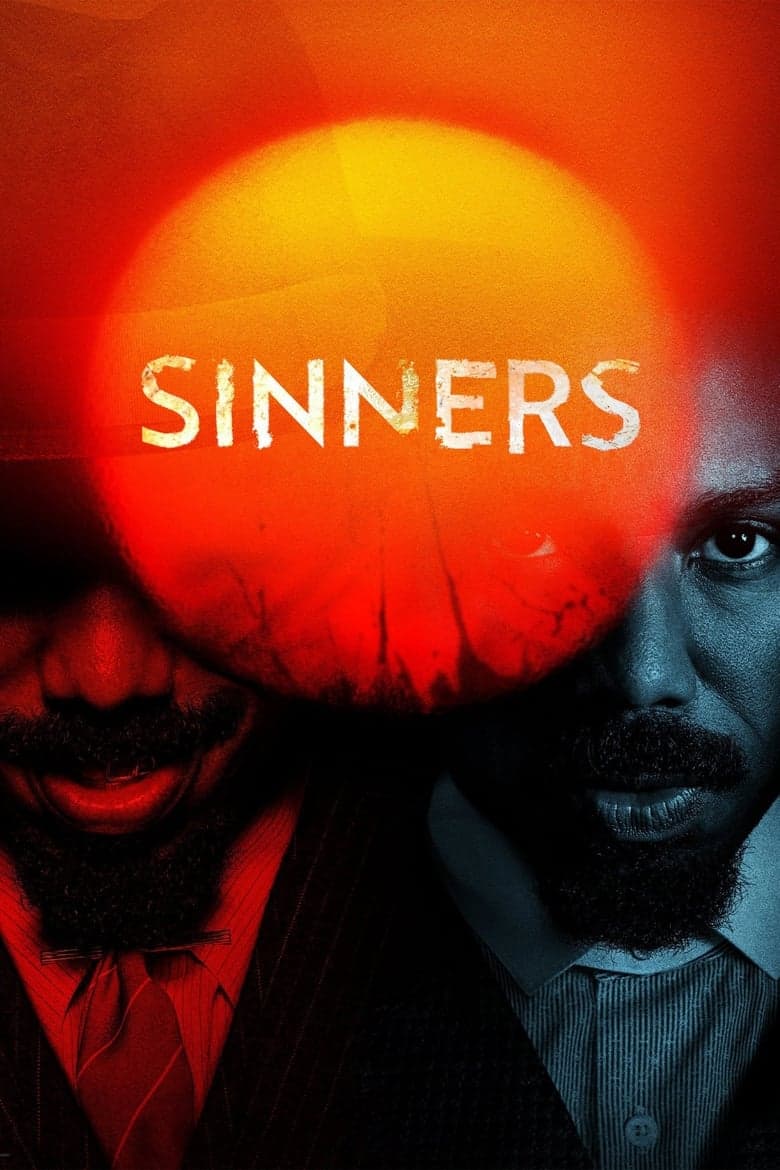
Sinners is a horror movie set in the American South during the year 1932. It follows twin brothers who return to their hometown to open a juke joint, but they must fight vampires that threaten their community. The film has visible anti-colonial themes, using white vampires as a metaphor for white supremacy and exploitation. It also features a strong focus on African spirituality and critiques the rigid views of historic church leaders.
Community feedback
Was our 63% Woke rating accurate?
Breakdown
These are the editorial factors and ratings behind our score for Sinners.
Woke representation / casting
The film features a primarily black cast, which fits its 1932 Jim Crow South setting. The casting reflects a natural fit for a story about a Southern juke joint rather than forced diversity or character swaps. However, the film strongly emphasizes black identity.
35%
Woke political dialogue
The characters speak about historical racism and segregation. The dialogue is kept realistic to the 1932 setting, avoiding modern activist buzzwords or direct political lectures.
25%
Production
Identity-driven story themes
The movie uses white vampires as a direct metaphor for colonialism and white supremacy exploiting black people. It also explores Hoodoo and African spirituality as positive elements. These themes are very prominent throughout the story.
55%
Western institutional / cultural critique
The film portrays traditional Christian church leaders as rigid and close-minded. It also uses the white vampire villains as a critique of historical Western power structures and segregation.
45%
Woke character or canon changes
Not relevant. The movie is an original story written by Ryan Coogler. It is not based on any existing books, movies, or real historical figures, so there are no canon changes.
0%
Anti-woke backlash and complaints
Some viewers and critics online complained that the movie is anti-white. They felt that using white vampires to represent colonizers was a push for divisive identity politics.
35%
Creator track record context
Key creators like Ryan Coogler and Zinzi Coogler have a well-documented history of supporting social justice and representation-first projects. Their production company focuses specifically on telling stories from marginalized viewpoints.
45%
Movie · 2020
Rachel is a divorced single mother whose bad day gets even worse. She's running late to drop her son off at school when she honks her horn impatiently at a fellow driver during…
Movie · 2020
A family vacation takes a terrifying turn when parents Paul and Wendy discover their young daughter has vanished without a trace.
Movie · 2019
After barely surviving a furious shootout with the police, Baby Firefly, Otis Driftwood and Captain Spaulding are behind bars. But pure evil cannot be contained.

Movie · 2019
A man steps out of a park fountain in Ho Chi Minh City with no recollection of who he is or where he came from.

Movie · 2024
In a world where no one speaks, a devout female hunts down a young woman who has escaped her imprisonment. Recaptured by its ruthless leaders, Azrael is due to be sacrificed to…

Movie · 2020
A soldier and his team battle hordes of post-apocalyptic zombies in the wastelands of the Korean Peninsula.
Movie · 2021
When his car breaks down, a quiet loner agrees to clean an abandoned family fun center in exchange for repairs.
Movie · 2023
After a pawn shop robbery goes askew, two criminals take refuge at a remote farmhouse to try to let the heat die down, but find something much more menacing.
