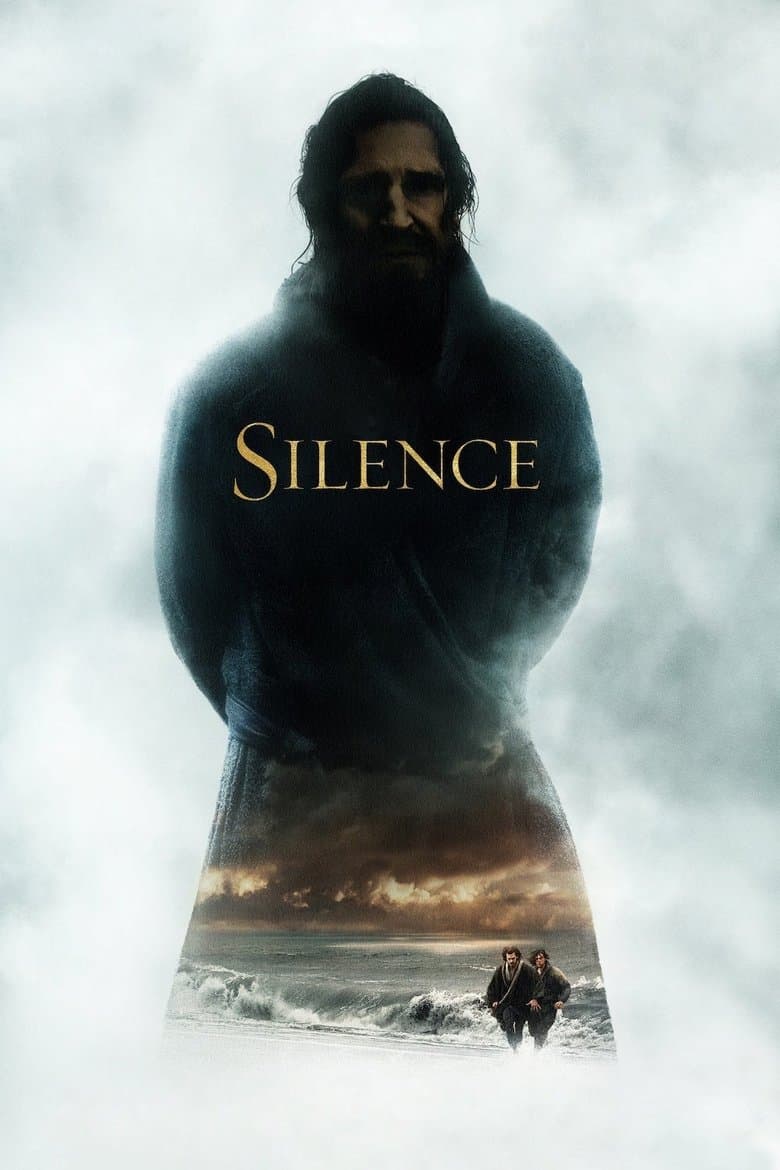
Two Portuguese Jesuit priests travel to 17th century Japan to find their mentor, who is said to have given up the faith under torture. They serve hidden Japanese Christians while rulers force people to renounce Christ and use hostages to break the priests. The story moves slowly and focuses on faith, doubt, God’s silence, martyrdom, mercy, and private belief versus public acts. It is a serious religious drama based on a novel, not a modern identity politics story.
The film does not center race quotas, gender activism, or progressive slogan talk. Speech stays on doctrine, apostasy, torture, confession, and whether Christianity can survive in Japan. East and West tension comes from missionary work under persecution, not from present day identity campaigns. Mild pressure falls on European missionary certainty and cultural blindness inside the historical plot, while Japanese authorities remain the torturers. Sparse pushback is mostly from traditional Christian concern about hidden faith and apostasy as mercy, not a broad DEI culture war.
Community feedback
Was our 3% Woke rating accurate?
Breakdown
These are the editorial factors and ratings behind our score for Silence.
Woke representation / casting
Not present. Period-faithful casting with European Jesuit leads and Japanese actors for Japanese roles, without quota ensemble, race or gender swaps, or diversity-theater marketing.
0%
Woke political dialogue
Not present. Speech is about doctrine, apostasy, torture, confession, and Christianity in Japan, with no modern DEI or progressive slogan dialogue.
0%
Identity-driven story themes
Not present. The spine is personal and theological faith under persecution, not race, gender, or queer identity politics or present-day activism.
0%
Western institutional / cultural critique
Not present. The film mildly questions European missionary certainty and cultural blindness inside the historical story. Japan is described as hard ground for the faith, and Ferreira argues for assimilation. This is not modern activist attack on the West. Christianity is treated with gravity, and Japanese authorities are the torturers. A small score also reflects ambiguous sympathy for hidden faith after public apostasy.
0%
Woke character or canon changes
Not relevant. The film closely follows Endō’s novel and historical material without identity-driven rewrites.
0%
Anti-woke backlash and complaints
There was no real mass campaign calling the film too woke or DEI-driven. Sparse traditional Christian unease focused on privatized faith and the apostasy arc. Some voices worried the film softens public witness or normalizes apostasy. That is theological dispute, not a culture-war firestorm over representation.
8%
Creator track record context
Key creatives are described as low-activist overall. Scorsese, Cocks, and Endō align with a personal faith film more than a DEI-driven project. Casting and most producers track craft and commerce more than activism. That fits the finished film’s spiritual focus.
9%
Production
Movie · 2016
WWII American Army Medic Desmond T. Doss, who served during the Battle of Okinawa, refuses to kill people and becomes the first Conscientious Objector in American history to…
Movie · 2019
Pennsylvania, 1956. Frank Sheeran, a war veteran of Irish origin who works as a truck driver, accidentally meets mobster Russell Bufalino.

Movie · 2023
The true story of the inseparable Von Erich brothers, who made history in the intensely competitive world of professional wrestling in the early 1980s.
Movie · 2017
Members of the Granite Mountain Hotshots battle deadly wildfires to save an Arizona town.
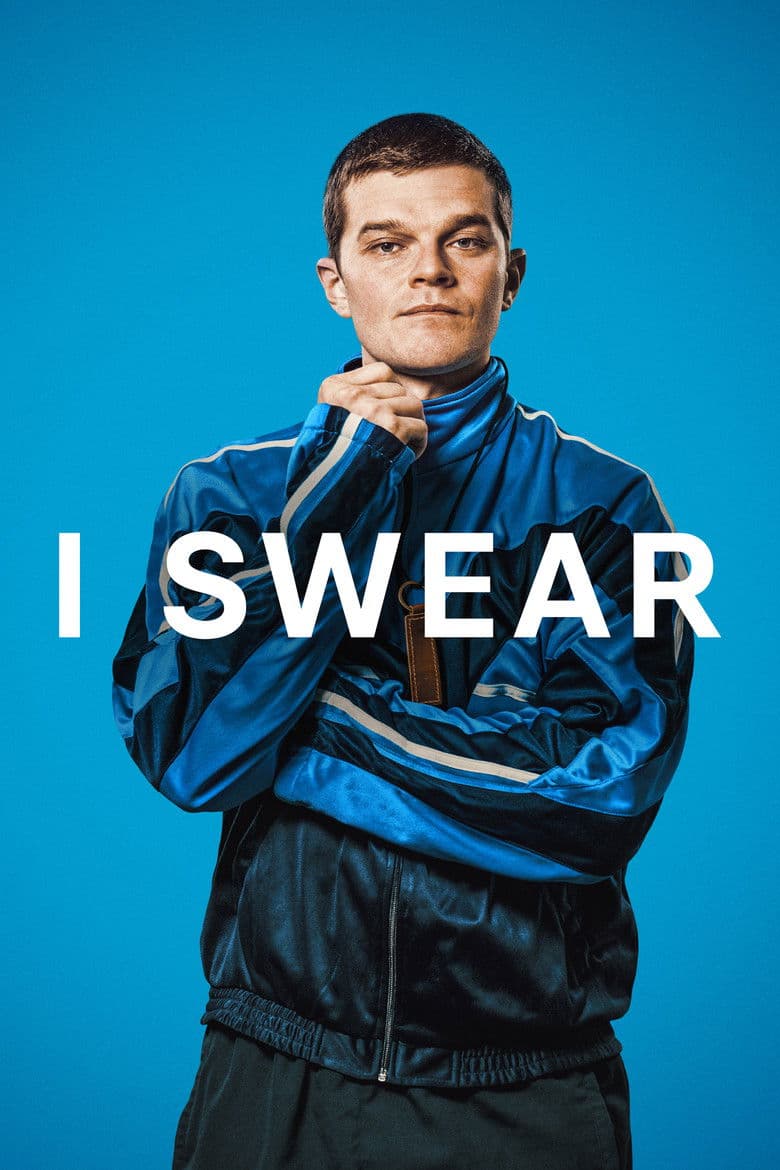
Movie · 2025
Diagnosed with Tourette Syndrome at 15, John Davidson navigates his way against the odds through troubled teenage years and into adulthood, finding inspiration in the kindness of…
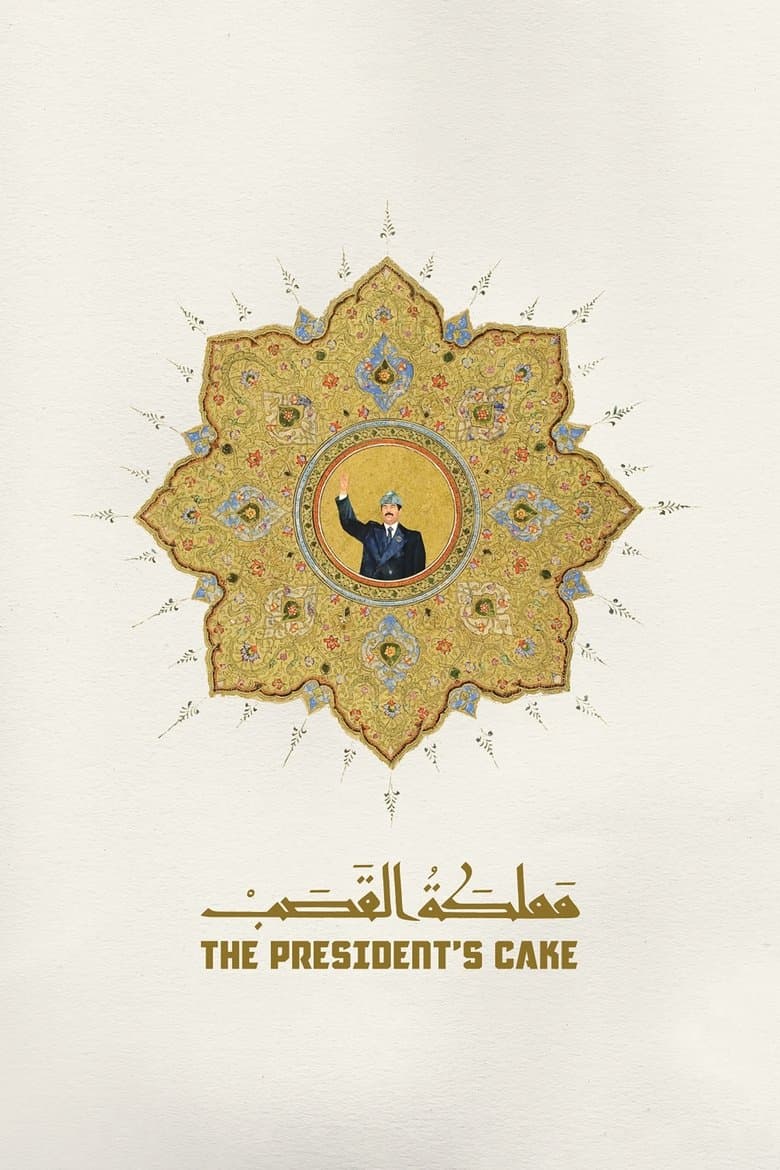
Movie · 2026
While people across 1990s Iraq struggle to survive the war and food shortages, Saddam Hussein requires each school in the country to prepare a cake to celebrate his birthday.
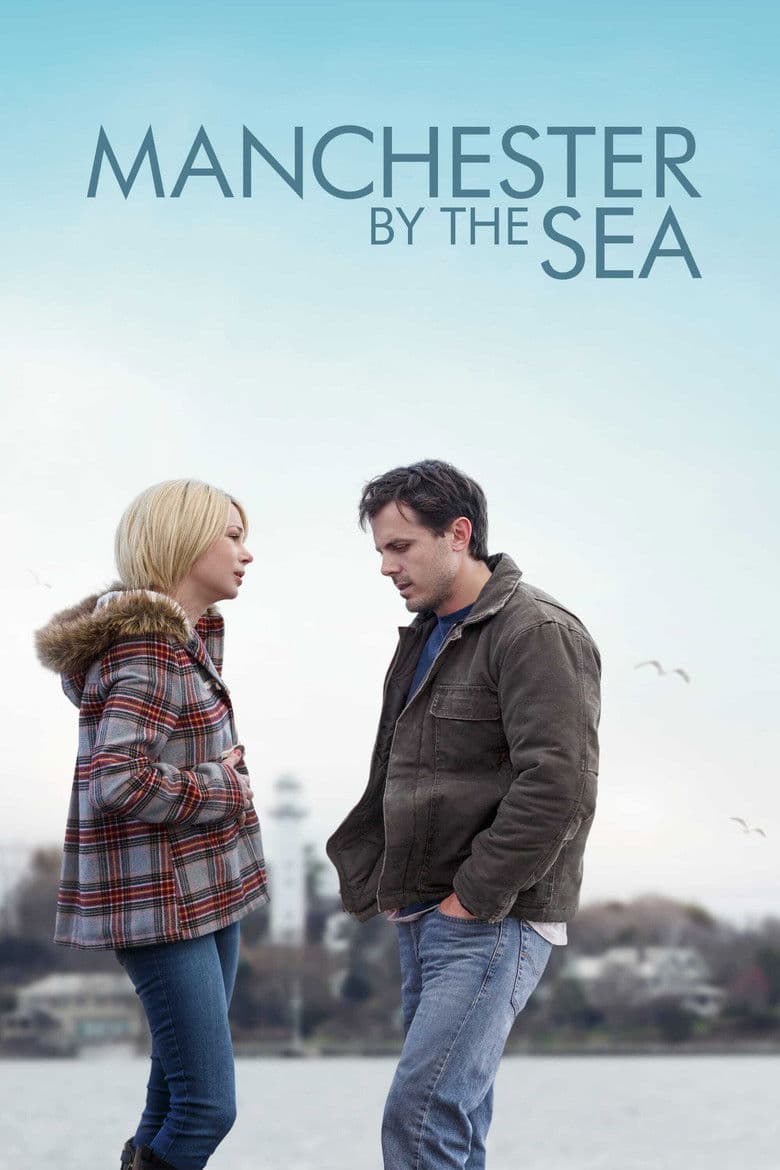
Movie · 2016
After his older brother passes away, Lee Chandler is forced to return home to care for his 16-year-old nephew.
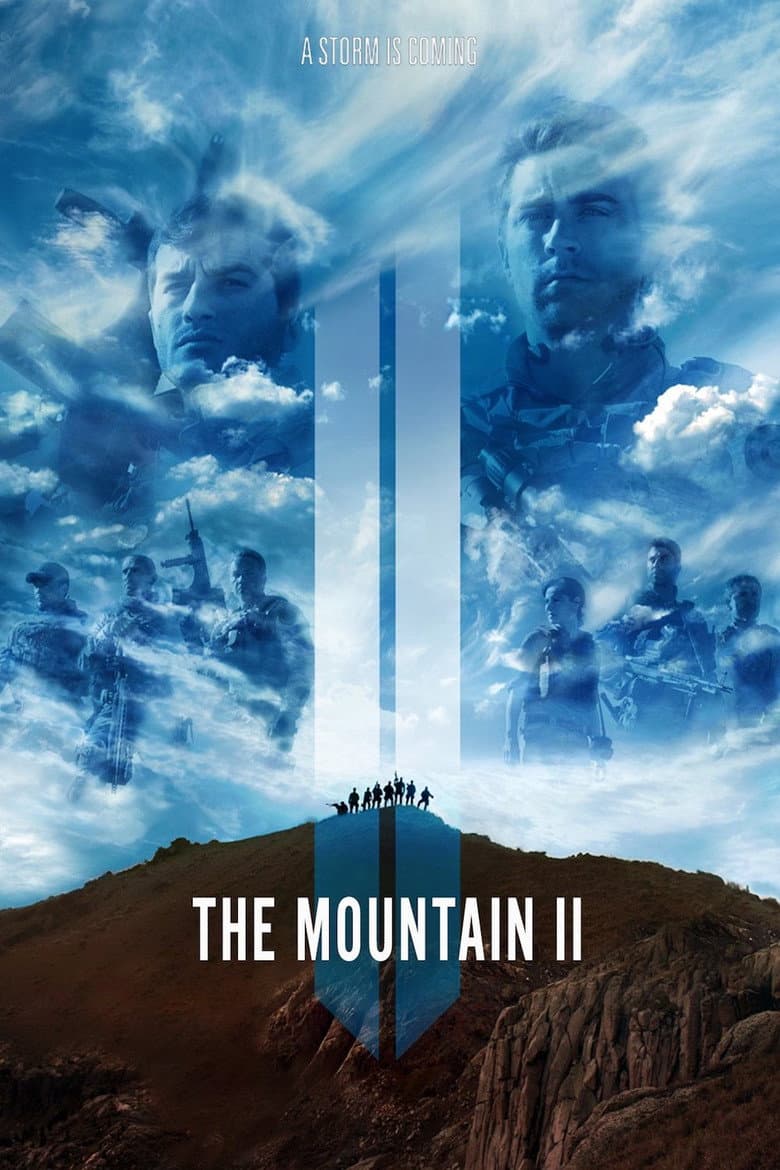
Movie · 2016
In a desolate war zone where screams of the innocent echo, on the very line between disaster and valor, 7 Maroon Berets will dance with death.
