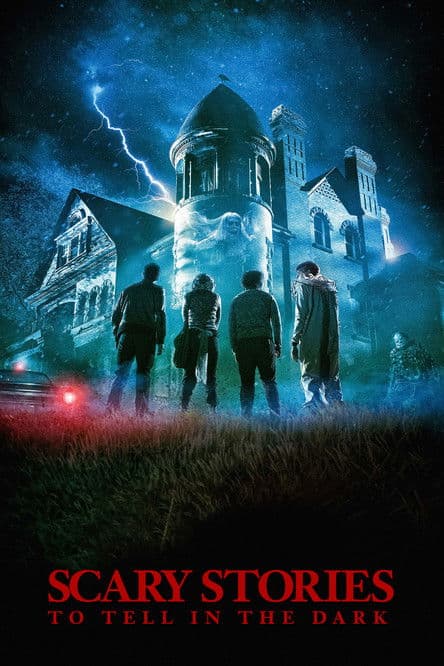
Scary Stories to Tell in the Dark turns Alvin Schwartz campfire tales into one continuous 1968 Pennsylvania story instead of a pure anthology. Teens Stella, Auggie, Chuck, Ruth, and newcomer Ramón find Sarah Bellows cursed book and face monsters pulled from its pages. While the creatures hunt them, the group learns the Bellows family framed Sarah for children deaths that the mill mercury poisoned water actually caused. Halloween night, Vietnam draft fear, and small town tension shape the world around the scares. Horror remains the main draw, but the plot also uncovers a real crime hidden behind a witch legend.
Audience can see period racism aimed at Latino outsider Ramón, including a racial slur and police who treat him as a suspect and draft dodger. The film also shows draft age boys living under war pressure and a rich family that poisons the town then blames Sarah. Lies versus truth run through rumors about Stella mother and the false story that made Sarah a monster. These beats form a clear second thread under the monsters about race, war, industrial cover up, and care for people cast out. They matter because the story ties the curse to unjust power and restored truth, not only to jump scares. No queer arc appears on screen, and the social themes stay secondary to the horror.
Community feedback
Was our 43% Woke rating accurate?
Breakdown
These are the editorial factors and ratings behind our score for Scary Stories to Tell in the Dark.
Woke representation / casting
Latino co-lead Ramón Morales is a central romantic and heroic figure whose ethnicity shows in the plot through a slur and police suspicion as outsider or draft dodger. Black supporting figure Lou Lou Baptiste holds key exposition. Female teen Stella is the truth-teller who resolves the curse. The friend group is mostly white small-town 1968 Pennsylvanians plus one prominent Latino outsider, which is noticeable representation emphasis rather than a full one-of-each ensemble or a period-breaking race swap of legacy book heroes.
30%
Woke political dialogue
Viewers hear a racial slur aimed at Ramón, talk about draft dodging and enlistment, police hostility, and lies versus truth through rumors about Stella mother and Sarah being framed by her family. The dialogue sounds like period social commentary more than modern activist slogan speech. It is still hard to miss in the key scenes.
26%
Identity-driven story themes
Horror stays primary, but the film braids period racism against a Latino teen, the Vietnam draft as real-world fear, an industrial cover-up that frames mill poison as Sarah witchcraft, and care for people cast out such as Sarah isolation and Stella as the writer who restores truth. Critics and creatives treat these as intentional layers that speak to the present. They are a clear second spine under the monsters, not the whole movie. There is no queer arc.
42%
Western institutional / cultural critique
Police treat Ramón as a racial and draft suspect. The powerful Bellows family poisons the town and tortures or frames Sarah. The war draft hangs over draft-age boys, and election-year imagery includes defaced Nixon posters. Øvredal said social commentary was intentional and linked then to now. This is 1968 institutional critique with modern parallel intent, not a pure anti-tyranny fairy tale and not a nonstop present-day lecture on whiteness or patriarchy.
40%
Woke character or canon changes
Not relevant. The books are folk-tale anthologies and the film invents original teens and a continuous plot.
0%
Anti-woke backlash and complaints
Not present. Searches and social sampling did not surface a meaningful anti-woke or DEI backlash treating the film as propaganda.
0%
Creator track record context
Cached scores put Øvredal at 8, the Hagemans at 13, Schwartz at 13, and most producers in the low teens. Del Toro at 40 as producer and story contributor is the main lift. His interest in outsider empathy and minority representation lines up with the Ramón racism and draft strand and the idea that stories control people. That is mild supporting context and does not dominate the film alone.
24%
Production
Movie · 2016
Father and son coroners receive a mysterious unidentified corpse with no apparent cause of death. As they attempt to examine the "Jane Doe," they discover increasingly bizarre…
Movie · 2023
A group of cold case investigators stay at the Carmichael Manor, site of the grisly and unsolved murders of the Carmichael family back in the eighties.
Movie · 2024
After the brutal murder of her twin sister, Darcy goes after those responsible by using haunted items as her tools for revenge.
Movie · 2022
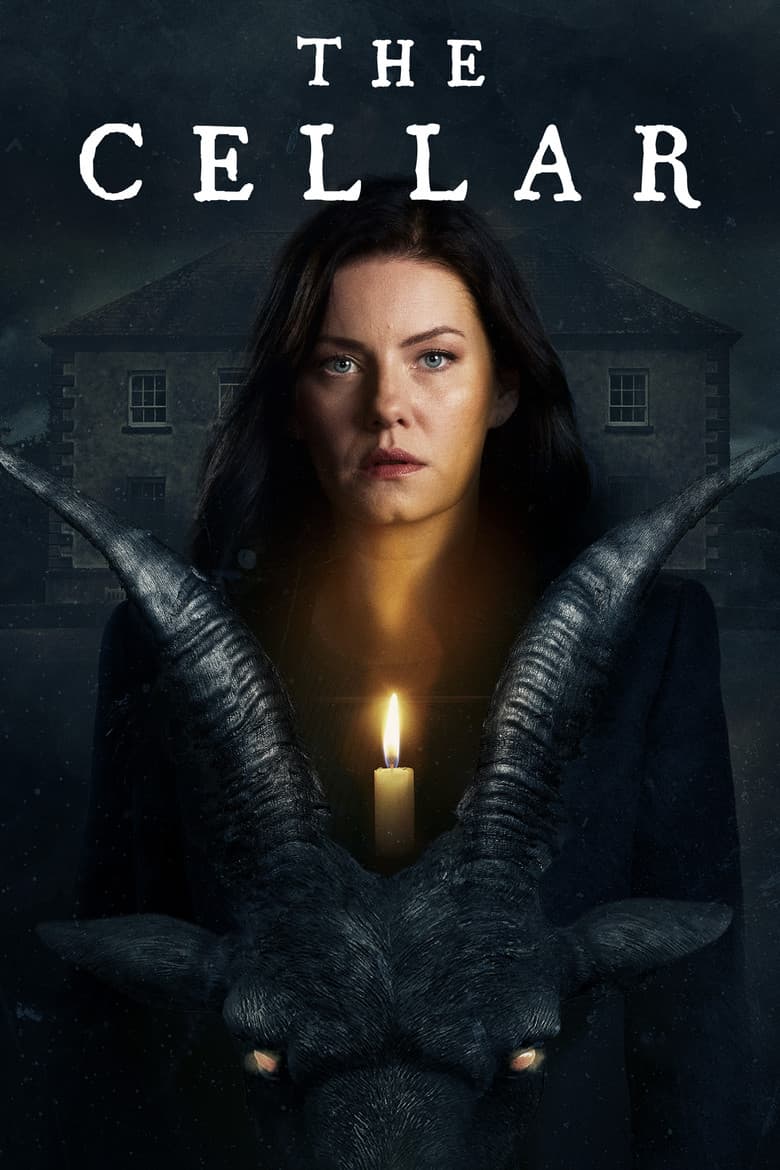
When Keira Woods' daughter mysteriously vanishes in the cellar of their new house in the country, she soon discovers there is an ancient and powerful entity controlling their home…
Movie · 2017
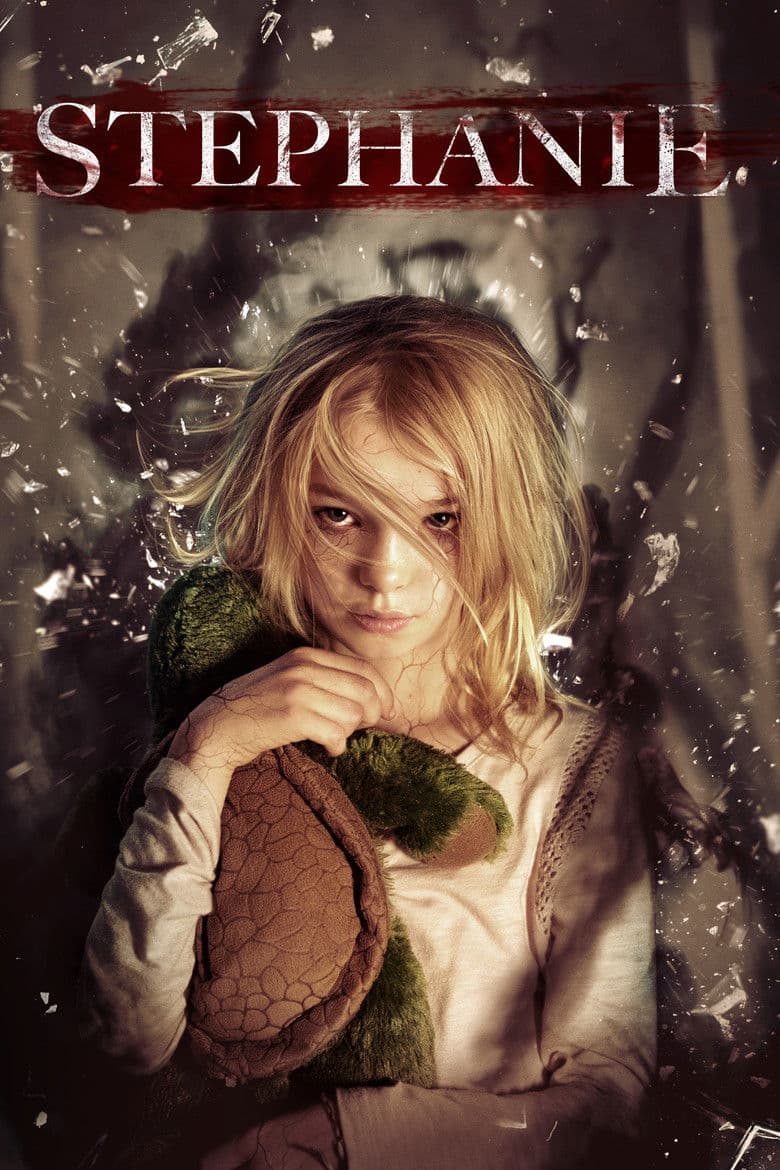
After a mysterious global crisis, a young girl is left alone to hide from a malevolent power that stalks her home.
Movie · 2018
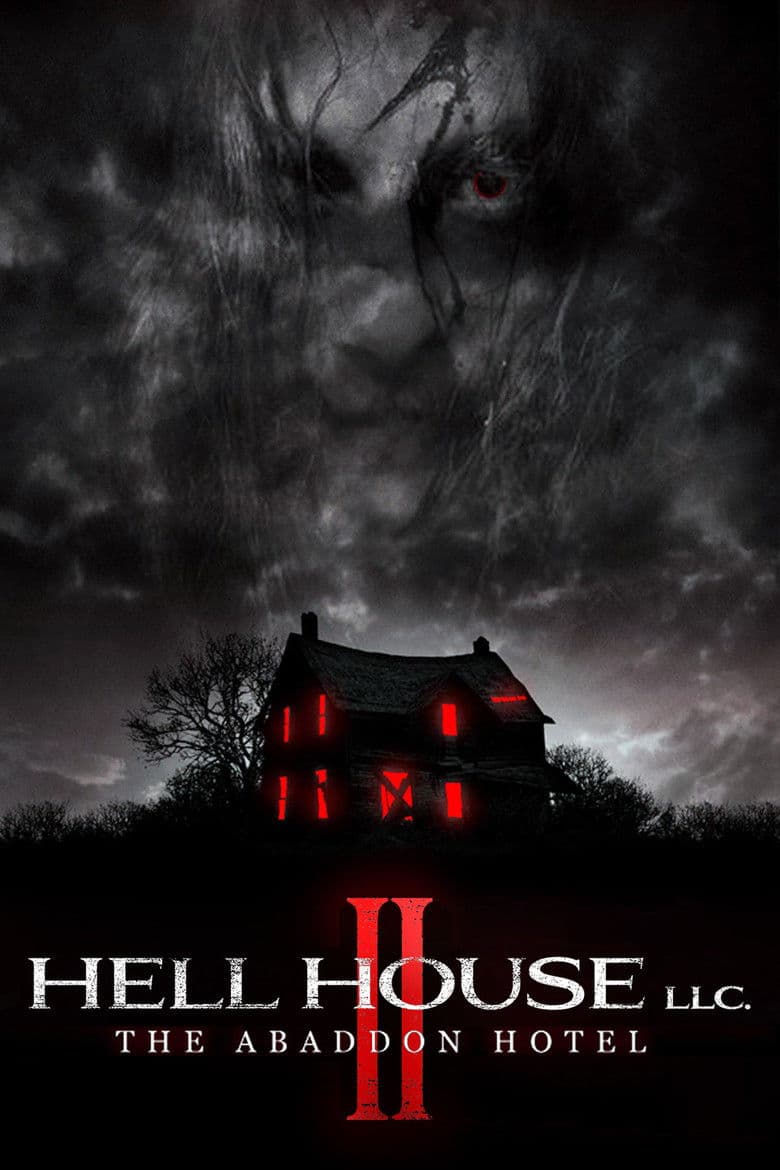
Eight years after the opening night tragedy of HELL HOUSE LLC, many unanswered questions remain. Thanks to an anonymous tip, an investigative journalist is convinced that key…
Movie · 2017
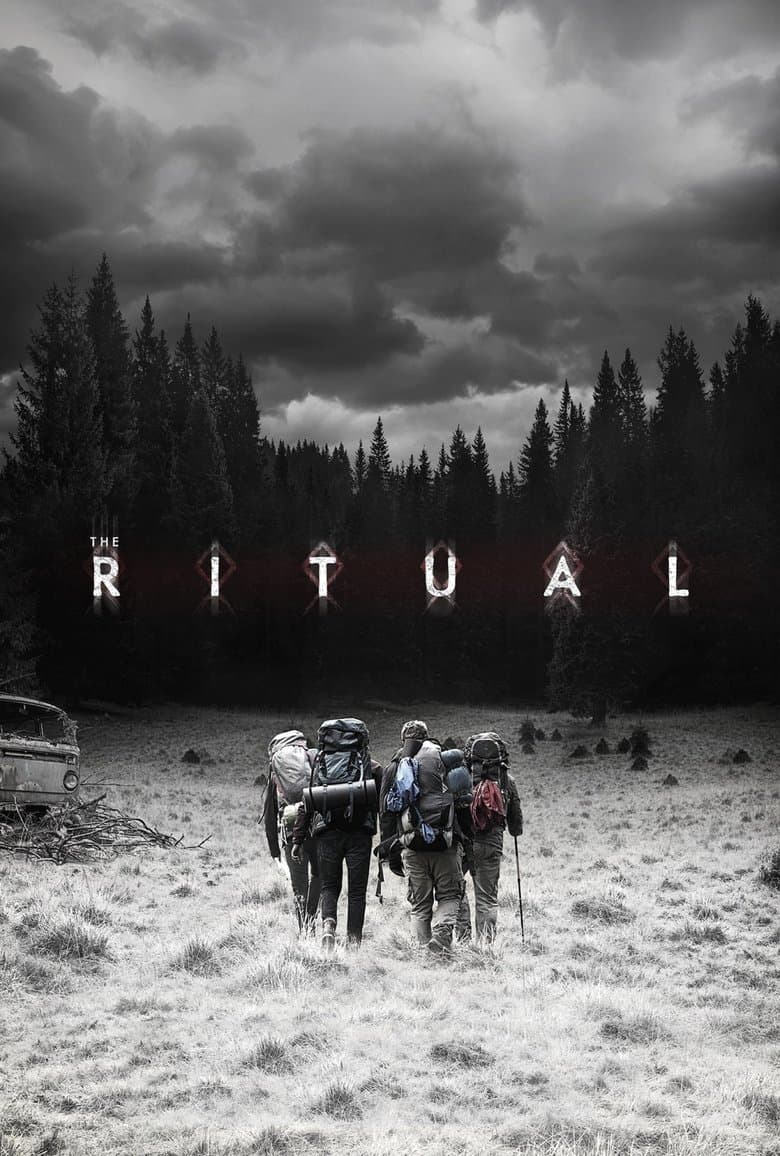
A group of college friends reunite for a trip to the forest, but encounter a menacing presence in the woods that's stalking them.
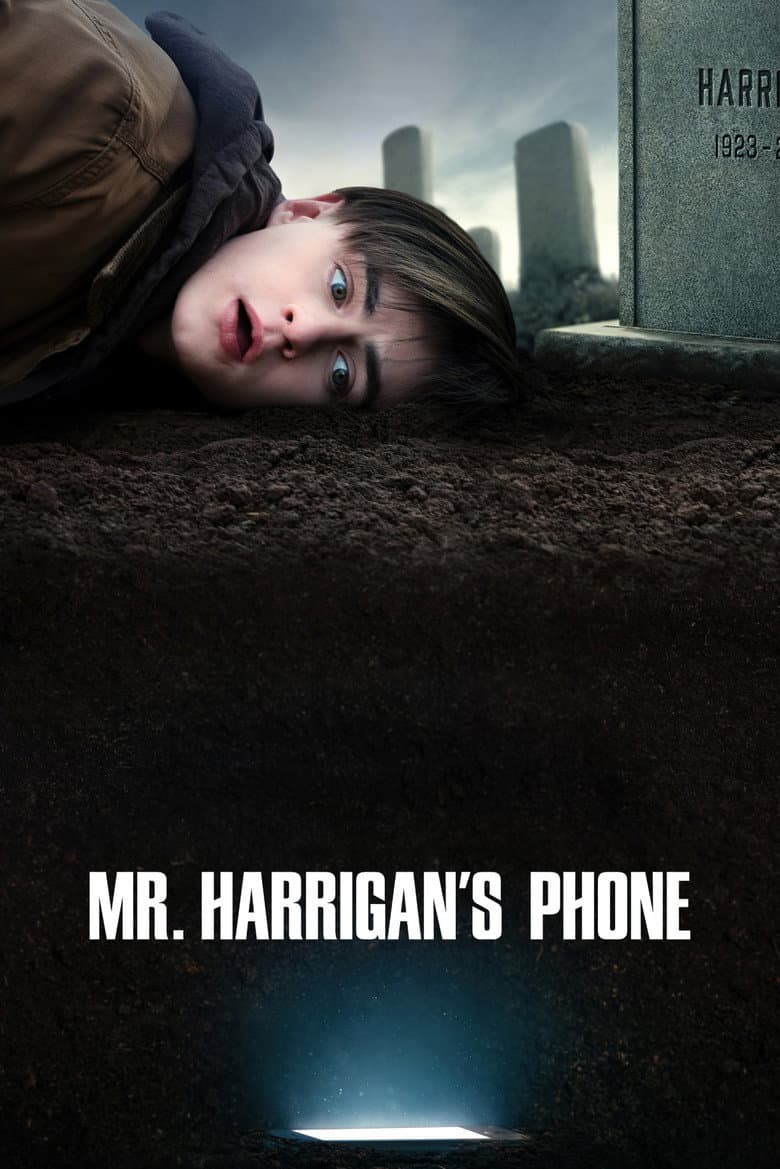
Movie · 2022
Craig, a young boy living in a small town befriends an older, reclusive billionaire, Mr. Harrigan. The two form a bond over books and an iPhone, but when the man passes away the…
