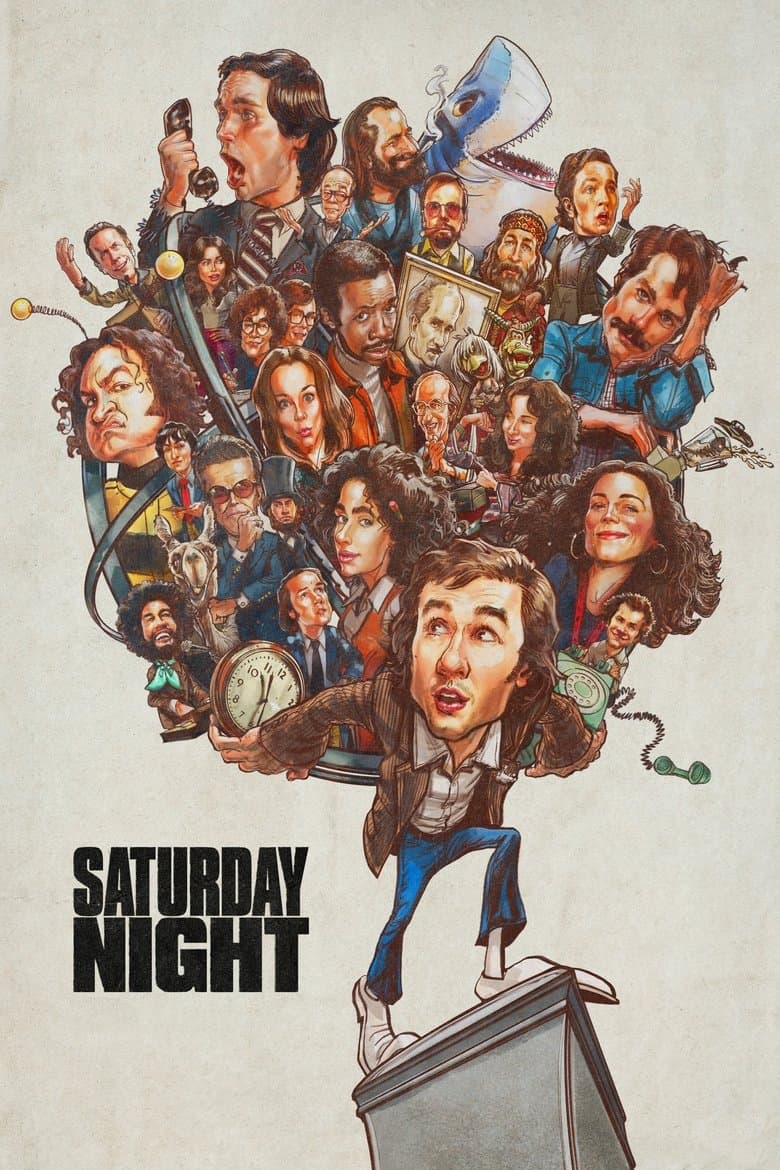
Saturday Night is a biographical comedy-drama about the 90 minutes leading up to the first live broadcast of Saturday Night Live in 1975. The story follows producer Lorne Michaels as he tries to control a wild cast of actors and a stressful set. The movie includes a few modern identity-focused elements, such as a subplot where the only black cast member struggles with his place on the show. It also features a non-binary musician cast to play real-life folk singer Janis Ian.
Community feedback
Was our 33% Woke rating accurate?
Breakdown
These are the editorial factors and ratings behind our score for Saturday Night.
Woke representation / casting
The cast mostly looks like the real-life people from the 1975 show. However, the film includes a background LGBTQ+ element by casting a non-binary musician to play folk singer Janis Ian. This casting choice adds the mandatory points to this score. The film also features black actors to play real black figures, which matches history.
28%
Woke political dialogue
The dialogue is correct for the 1970s setting. It does not have modern political lectures. One character has a few lines about being the only black actor on the show. There are also brief discussions about fighting network censors. Overall, there is no major activist or political messaging in the script.
12%
Identity-driven story themes
The film has minor background themes about identity. One subplot shows a black actor struggling to find his place in a mostly white show. The story also shows a female writer as a key creative partner to her husband. It also mentions her open relationship. These elements represent real 1970s counterculture.
30%
Western institutional / cultural critique
The movie does not feature modern activist critiques. The main conflict is about young artists fighting against stuffy television bosses and censors. This is a standard story of youthful rebellion. It does not focus on modern ideas like systemic whiteness, patriarchy, or capitalism.
15%
Woke character or canon changes
There are minor identity-driven changes to real people. A non-binary actor plays real-life female singer Janis Ian. The film also places a strong focus on a female writer's role as a co-creator of the show. This matches modern representation priorities but stays mostly close to historical facts.
15%
Anti-woke backlash and complaints
There was almost no anti-woke backlash against this movie. Audiences and critics did not complain about political messaging. Instead, they focused on standard movie issues. They complained about the fast pace, the many historical errors, and the chaotic style.
5%
Creator track record context
The creative team has a mostly neutral to mild progressive background. Writer-director Jason Reitman (30) has talked about gender politics in interviews. Cinematographer Eric Steelberg (35) helped with diversity committees for the Academy. The other writers and producers have no record of activism.
18%
Production
Movie · 2023
Two mismatched entrepreneurs – egghead innovator Mike Lazaridis and cut-throat businessman Jim Balsillie – joined forces in an endeavour that was to become a worldwide hit in…
Movie · 2025
1984; Michael Larson, an unemployed ice-cream truck driver from Ohio, steps onto the game show "Press Your Luck" harboring a secret: the key to endless amounts of money.

Movie · 2022
Two lifelong friends find themselves at an impasse when one abruptly ends their relationship, with alarming consequences for both of them.

Movie · 2024
Emotions run high when three estranged sisters reunite in a cramped New York City apartment to watch over their ailing father during his final days.

Movie · 2023
Single mom Flora is at a loss about what to do with her rebellious teenage son, Max. Her efforts to keep him out of trouble lead to a beat-up acoustic guitar, a washed-up LA…
Movie · 2018
In 1990s Los Angeles, a 13-year-old spends his summer navigating between a troubled home life and a crew of new friends he meets at a skate shop.

Movie · 2020
Four stagnant high school teachers decide to test out a theory that maintaining a constant level of intoxication will improve their overall lives.
Movie · 2017
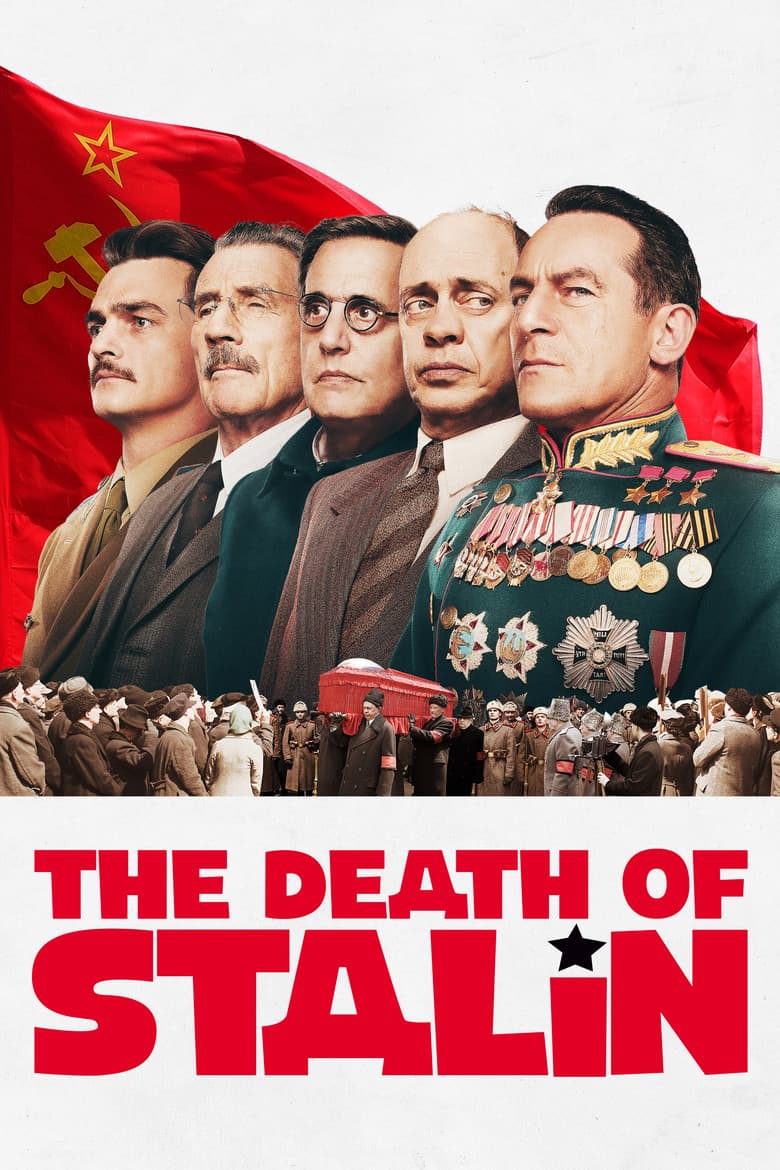
When dictator Joseph Stalin dies, his parasitic cronies square off in a frantic power struggle to become the next Soviet leader.
