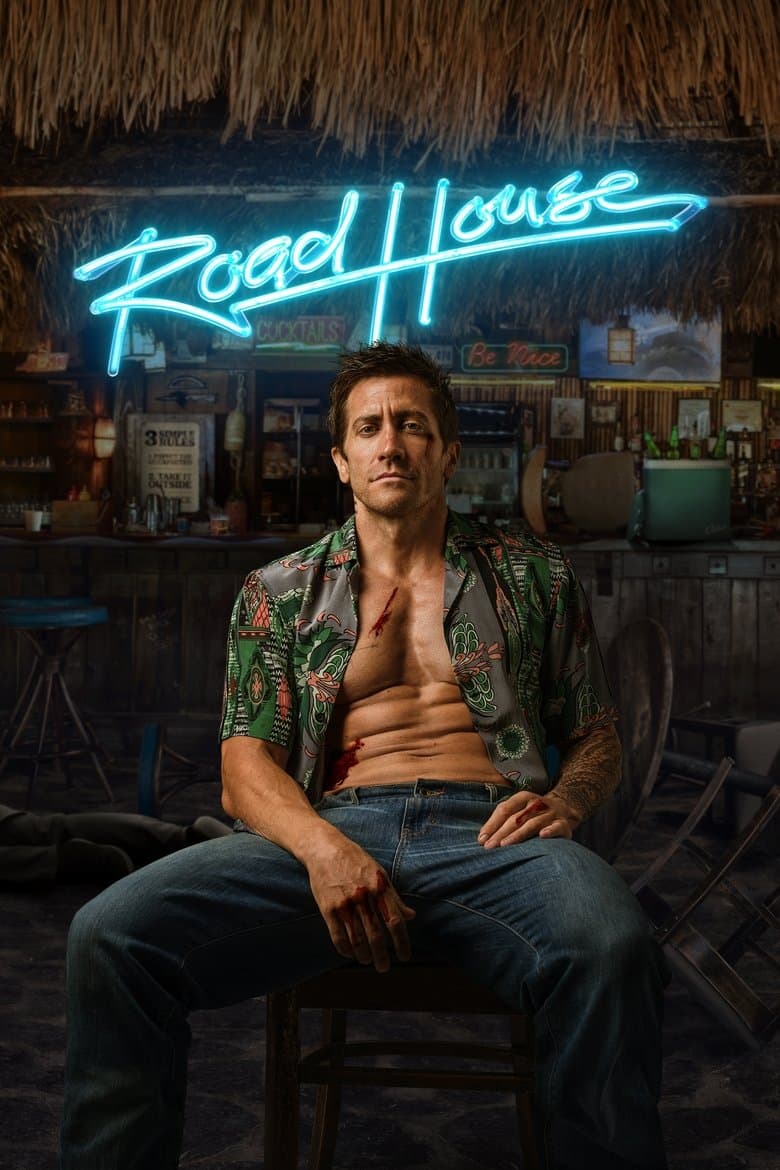
Road House is an action movie. Elwood Dalton is a retired fighter. He gets a job to clean up a rowdy bar in Florida. He has to fight bad guys who want to steal the land. The movie has a very diverse cast. The bar owner is now a black woman. She has a photo of Martin Luther King Jr. on her wall. Some minor jokes touch on civil rights. However, the film does not preach to the viewers. It stays focused on raw fighting and action.
Community feedback
Was our 36% Woke rating accurate?
Breakdown
These are the editorial factors and ratings behind our score for Road House.
Woke representation / casting
The casting has a very diverse set of actors compared to the original movie. The main bar owner is now a black woman instead of a white man. Many of the local townspeople and musicians are also played by black actors. These choices show a clear effort to meet modern industry representation goals. However, the characters do not act as activist mouthpieces. The focus remains on physical fights and tough male leads.
35%
Woke political dialogue
The script avoids major political speeches or activist lectures. There is a brief scene where the bar owner mentions her uncle had to fight historical racism to open the bar in the 1960s. She also has a photo of Martin Luther King Jr. on her office wall and makes a joke about him. These minor lines are the only political references in the film and do not impact the main story.
Production
15%
Identity-driven story themes
The story is a simple action film about a bouncer saving a local business. The narrative does not focus on gender struggles, racial conflict, or feminist ideas. Even though the bar owner is a black woman and the love interest is a female doctor, their stories do not revolve around their identities. The main conflict is driven by greed and physical power.
0%
Western institutional / cultural critique
The main villains are a wealthy young real estate developer and a corrupt local sheriff. This is a classic action movie setup where rich criminals and dirty cops abuse their power. The film does not frame this as a systemic critique of Western capitalism, patriarchy, or traditional gender roles. Instead, the movie openly celebrates traditional masculine strength and raw physical force.
5%
Woke character or canon changes
The film changes some key details from the 1989 movie. The original bar owner was a white man named Frank Tilghman. The new movie swaps this character to a black woman named Frankie. Also, the wise older bouncer named Wade Garrett is completely gone. He is replaced by a teenage girl and her father who run a bookstore. These changes shift the cast toward modern representation goals. However, the basic plot about a tough bouncer fighting thugs remains the same.
30%
Anti-woke backlash and complaints
Some internet viewers pointed out the race and gender-swapping of the bar owner. They also missed the classic Wade Garrett character. Early concerns arose when a female-led version was rumored years ago. However, most viewers did not complain about the final film. Audiences widely praised the movie for its macho action, intense brawl scenes, and fun villain performance.
20%
Creator track record context
The creative team consists mostly of industry veterans with a traditional focus. Director Doug Liman has a low woke score of 27. Writers Anthony Bagarozzi and Charles Mondry score very low at 9 and 10. Producer Joel Silver scores 7. They are well known for making classic, action-heavy movies for male audiences. Only a few crew members have minor histories of female-focused or political projects.
18%

Movie · 2022
Decorated veteran Will Sharp, desperate for money to cover his wife's medical bills, asks for help from his adoptive brother Danny.
Movie · 2017
An American sniper and his spotter engage in a deadly cat-and-mouse game with an Iraqi sniper.
Movie · 2019
After fighting his demons for decades, John Rambo now lives in peace on his family ranch in Arizona, but his rest is interrupted when Gabriela, the granddaughter of his…
Movie · 2025
Expert thief Parker gets a shot at a major heist, but to pull it off he and his team must outsmart a South American dictator, the New York mob, and the world's richest man.
Movie · 2023
Ex-con Russell Gaines is attempting to rebuild his life with the help of his father, Mitchell. However, the arrival of Maben sends his new life into chaos, leading the pair to go…
Movie · 2025
Big rig ice road driver Mike McCann travels to Nepal to scatter his late brother’s ashes on Mt. Everest. While on a packed tour bus traversing the deadly 12,000 ft.
Movie · 2021
Madrid, Spain, 2010. While the whole city follows the national team's successful participation in the World Cup, a group of daring thieves look for a way into one of the most…

Movie · 2025
A broker of lucrative payoffs between corrupt corporations and the individuals who threaten them breaks his own rules when a new client seeks his protection to stay alive.
