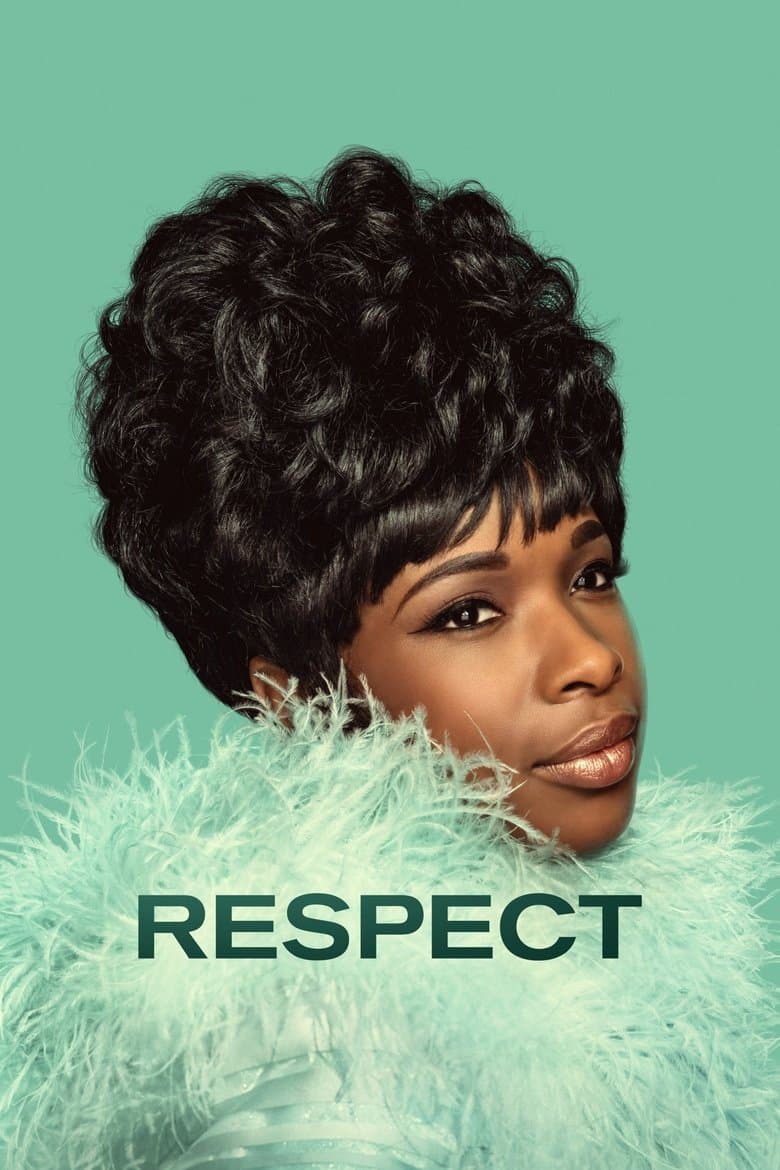
Respect (2021) is a biographical drama tracing Aretha Franklin’s early life from gospel prodigy in her father’s Detroit church through childhood trauma, an abusive marriage, civil rights-era performances, alcoholism struggles, and her breakthrough as the Queen of Soul with hits like “Respect.” The core narrative follows her arc of reclaiming personal agency and voice amid male control and personal setbacks, culminating in self-produced gospel work and independence. Recurring emphasis on a black woman’s empowerment against spousal and familial dominance gives the story a noticeable identity-driven thread that many viewers register as a strong-female-lead triumph-over-adversity tale, though it stays rooted in documented biography rather than overt modern lectures.
Community feedback
Was our 36% Woke rating accurate?
Breakdown
These are the editorial factors and ratings behind our score for Respect.
Woke representation / casting
All casting matches historical black figures and 1950s–1970s Detroit gospel/civil-rights setting with zero visible forced diversity, race/gender swaps, or signaling.
0%
Woke political dialogue
Occasional era-appropriate civil-rights references and MLK appearances remain background historical context with no modern activist monologues or present-day ideological framing.
20%
Identity-driven story themes
Central character arc repeatedly stresses a black woman’s struggle for personal power, voice, and independence from male control and trauma, making empowerment and self-respect the recurring narrative engine visible to average viewers.
42%
Western institutional / cultural critique
Depicts historical personal abuse by father and husband plus church control as biographical facts but does not reframe into contemporary systemic patriarchy, whiteness, or institutional-critique messaging.
12%
Woke character or canon changes
Not relevant; standard biopic dramatization and minor timeline condensing per fact-checks, with no ideological reinterpretations.
0%
Anti-woke backlash and complaints
Near-absence of backlash claiming woke, activist, or identity-political pushing; complaints stay limited to biopic shallowness or historical accuracy with weak sourcing overall.
9%
Creator track record context
Tommy’s political-theater background and explicit civil-rights/advocacy statements plus Khouri’s feminist canon (Thelma & Louise) provide moderate alignment with the film’s empowerment focus, though not an extreme activist pattern across their careers.
33%
Production
Movie · 2025
A logger leads a life of quiet grace as he experiences love and loss during an era of monumental change in early 20th-century America.
Movie · 2022
London, 1953. Mr. Williams, a veteran civil servant, is an important cog within the city's bureaucracy as it struggles to rebuild in the aftermath of World War II.
Movie · 2016
On 15 January 2009, the world witnessed the 'Miracle on the Hudson' when Captain 'Sully' Sullenberger glided his disabled plane onto the Hudson River, saving the lives of all 155…
Movie · 2023
The true story of the inseparable Von Erich brothers, who made history in the intensely competitive world of professional wrestling in the early 1980s.

Movie · 2016
In a desolate war zone where screams of the innocent echo, on the very line between disaster and valor, 7 Maroon Berets will dance with death.
Movie · 2022
A quiet, neglected girl is sent away from her dysfunctional family to live with relatives for the summer. She blossoms in their care, but in this house where there are meant to be…
Movie · 2025
Diagnosed with Tourette Syndrome at 15, John Davidson navigates his way against the odds through troubled teenage years and into adulthood, finding inspiration in the kindness of…

Movie · 2016
After his older brother passes away, Lee Chandler is forced to return home to care for his 16-year-old nephew.
