Movie review
March 3, 2021 · 107 min · PG · Kids · Fantasy · Animation · Action · Adventure · Family
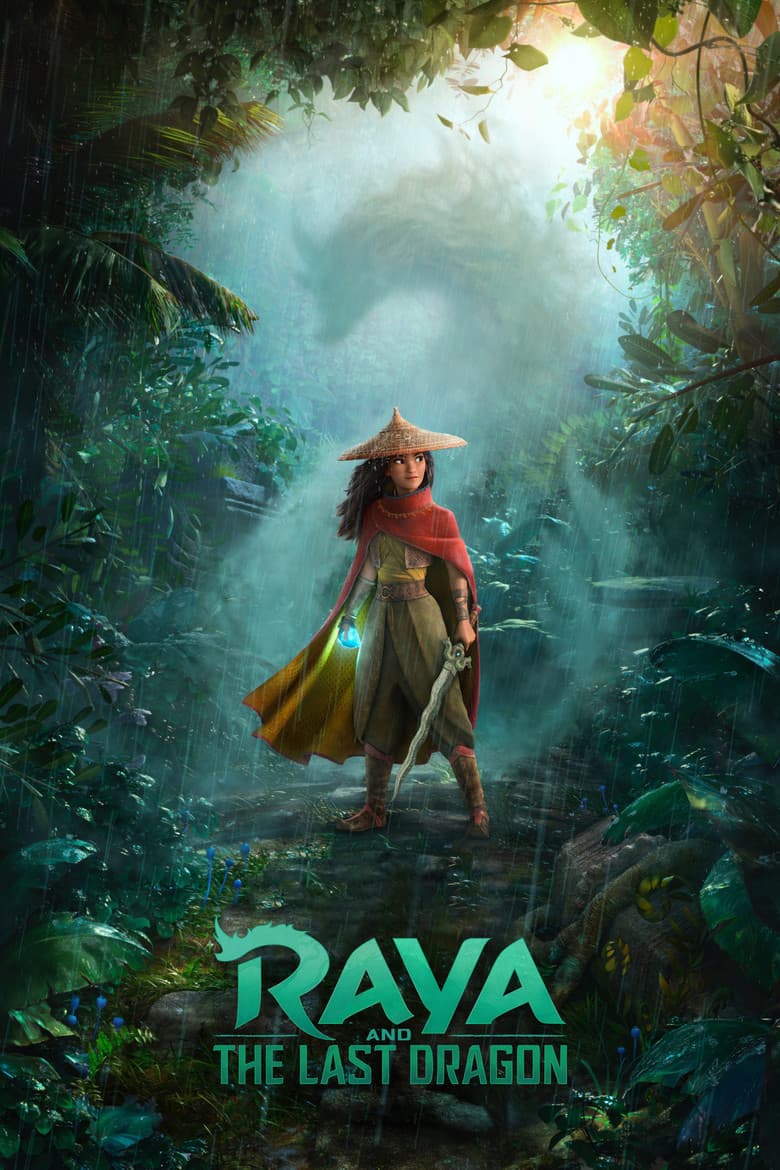
Raya is a young warrior princess from the land of Heart in the fantasy world of Kumandra. Long ago dragons saved people from a stone-turning evil, but the land split into five tribes that no longer trust each other. When that evil returns, Raya must find the last dragon, Sisu, put a magic gem back together, and learn to trust again. The tone is a bright action-adventure for families with martial arts fights, jokes, and a big “work together” message.
A normal viewer will mainly notice girl-power leads, a full Asian-voiced cast, and heavy “first Southeast Asian Disney film” marketing. Raya and her rival Namaari are strong female fighters. Many chiefs are women. The story skips a boy-girl romance and centers trust and unity. Press and creators talked a lot about culture and representation. There is no clear gay couple or queer identity on screen, only fan talk and the lead actress’s personal take. The core plot is still a fantasy quest about trust, not a lecture on modern race or gender politics. Some people called it “woke Disney,” but that pushback was smaller than fights over other recent Disney films.
Community feedback
Was our 52% Woke rating accurate?
Breakdown
These are the editorial factors and ratings behind our score for Raya and the Last Dragon.
Woke representation / casting
Almost the whole main cast is Asian or Asian American in a film sold as Disney’s first full Southeast Asian-inspired feature. Female warriors and chiefs fill many lead roles. Marketing and press put “representation” front and center. The fantasy world is built as Asian-inspired, so the casting fits the setting rather than swapping known white icons—but the identity packaging is still clear and hard for a normal viewer to miss.
44%
Woke political dialogue
Characters talk a lot about trust, unity, and working across tribes. Those lines can feel like soft moral lessons. They do not spell out modern activist talk about race systems, gender politics, privilege, or real-world parties. The dialogue serves a kids’ fantasy theme more than a protest speech.
28%
Identity-driven story themes
Big themes are trust after betrayal, ending tribal hate, and strong women leading without a romance plot. Cultural pride and “see yourself on screen” framing shaped how the film was sold. Feminist and girl-power readings are common and fair. Queer romance is only implied by fans and the lead actress, not locked as story fact, so it does not push this into a queer-first film.
47%
Western institutional / cultural critique
Bad guys are fantasy stone spirits and greed between tribes, not modern Western governments, churches, or “the system.” There is no clear hit on Christianity, capitalism, or Western family norms. A mild “we should all unite” tone exists, but it stays inside a made-up dragon world.
0%
Woke character or canon changes
Not relevant. This is an original Disney story, not a remake or change of older known characters, history, or sacred canon for identity reasons.
0%
Anti-woke backlash and complaints
Some viewers and niche reviews call it “woke Disney,” mock girl-boss leads, the “one world” ending, or Namaari’s queer-coded look. Social media sometimes lists it with other “agenda” Disney films. That pushback is real but limited. Bigger public fights were about culture blend and SEA casting gaps, which do not count here as anti-woke complaints.
20%
Creator track record context
Key people include creators with mid scores on diversity and identity work (e.g. López Estrada, Qui Nguyen, studio producers Bush and Lee) plus many craft-focused Disney veterans with little activist footprint. Overall, the team’s public pattern is moderate representation-and-inclusion studio culture, not a pure activist slate.
43%
Production
Movie · 2016
When the galaxy comes under the threat of a nefarious space captain, a mechanic and his newfound robot ally join an elite squad of combatants to save the universe.
Movie · 2017
Mary Smith, a young girl who lives with her great-aunt in the countryside, follows a mysterious cat into the nearby forest where she finds a strange flower and an old broom, none…
Movie · 2017
A new dark force threatens Ponyville, and the Mane 6 – Twilight Sparkle, Applejack, Rainbow Dash, Pinkie Pie, Fluttershy and Rarity – embark on an unforgettable journey beyond…
Movie · 2017
Gru and his wife Lucy must stop former '80s child star Balthazar Bratt from achieving world domination.
Movie · 2024
A solitary cat, displaced by a great flood, finds refuge on a boat with various species and must navigate the challenges of adapting to a transformed world together.
Movie · 2025
When a faithful police dog and his human police officer owner are injured together on the job, a harebrained but life-saving surgery fuses the two of them together and Dog Man is…
Movie · 2022
Maurice is a streetwise ginger cat who comes up with a money-making scam by befriending a group of self-taught talking rats.
Movie · 2020
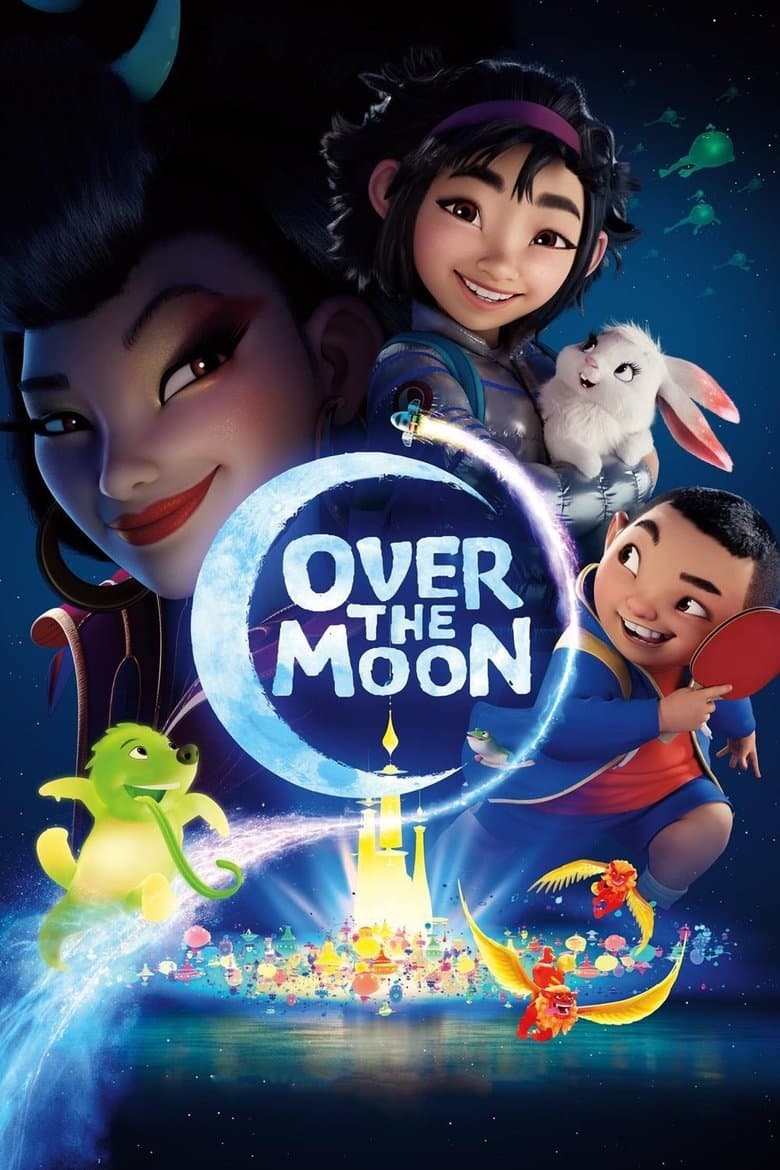
Fueled by memories of her mother, resourceful Fei Fei builds a rocket to the moon on a mission to prove the existence of a legendary moon goddess.
