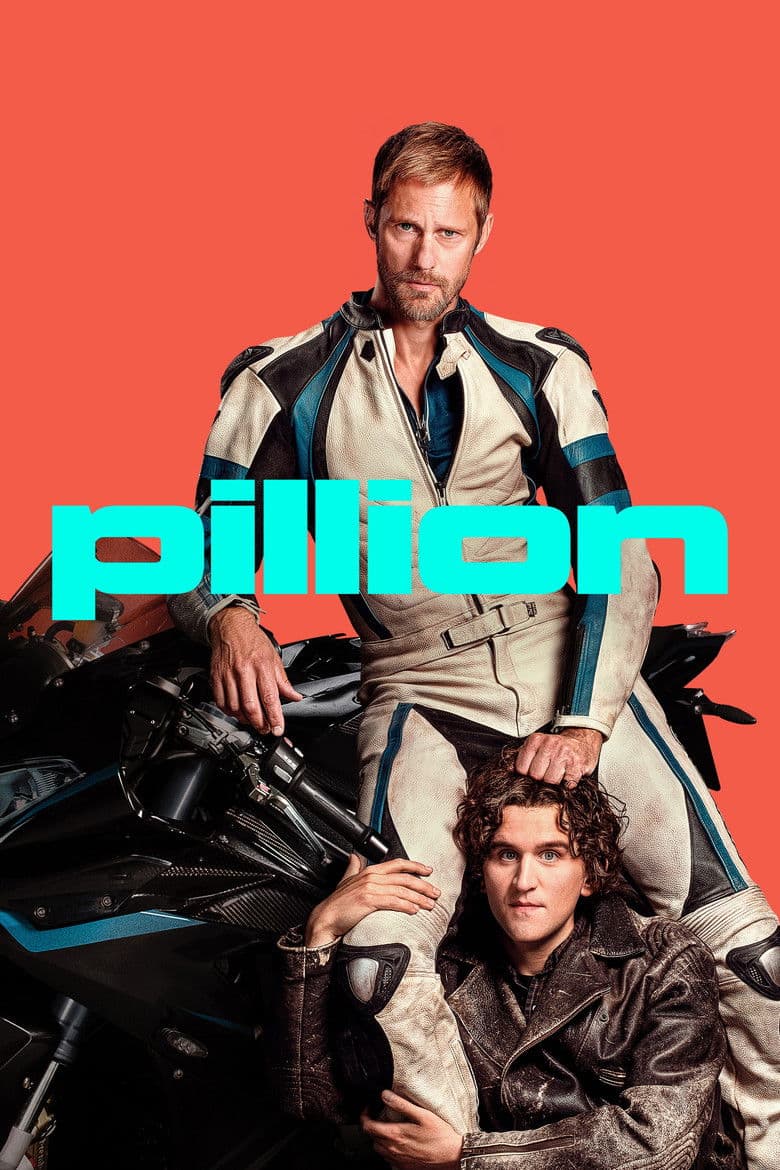
Colin is a very shy man who lives in a quiet London suburb with his parents. He works a boring job writing parking tickets and sings in a barbershop quartet. His life changes completely when he meets Ray, an attractive and mysterious biker. Ray quickly introduces Colin to a secret world of gay leather culture and BDSM. Colin becomes Ray's obedient submissive, doing chores and following strict rules. However, Colin begins to fall in love and wants a normal relationship, which goes against Ray's strict boundaries. The movie is a dark romantic comedy that looks at power, sex, and finding your own identity. Because the entire film centers on gay romance, kinky leather subcultures, and BDSM, its LGBTQ+ themes are impossible to miss. Colin's parents are also shown as highly and unrealistically supportive of his new lifestyle. Viewers who want to avoid modern progressive subversion of traditional romance will find this movie heavily focused on queer themes.
Community feedback
Was our 97% Woke rating accurate?
Breakdown
These are the editorial factors and ratings behind our score for Pillion.
Woke representation / casting
The movie features a highly visible, front-and-center focus on gay representation. It stars Harry Melling and Alexander Skarsgård as a gay couple, surrounded by actors depicting a niche queer biker and leather subculture. There is zero effort to hide or sanitize this representation; instead, it is celebrated as an authentic look at a marginalized community. Because the queer themes are the main selling point of the entire film and are presented without any traditional filter, the score is elevated to reflect the strong, active focus on progressive LGBTQ+ visibility.
85%
Woke political dialogue
The movie does not feature overt activist speeches or direct political preaching. Instead, the dialogue focuses on consent, BDSM rules, sexual boundaries, and the emotional struggles of the relationship. However, there are subtle progressive talking points regarding modern relationship dynamics, queer liberation, and the rejection of mainstream societal expectations. The inclusion of these contemporary queer discussions, mixed with the vocal support of the parents, adds a noticeable but background level of ideological signaling.
45%
Identity-driven story themes
The entire narrative is built around gay identity, sexual exploration, and finding self-worth within a queer BDSM subculture. The main character's journey is defined by his sexual awakening and his growth within the gay leather community. The filmmakers actively reject traditional heterosexual romance tropes to showcase a highly specific, progressive form of alternative lifestyle. Since the main conflict, character arcs, and themes are entirely driven by queer identity and the subversion of traditional norms, this factor is extremely high.
95%
Western institutional / cultural critique
The movie subtly critiques traditional Western institutions like the nuclear family, conventional romance, and heteronormative social standards. Colin's parents do not represent traditional boundaries; instead, they are shown as extremely progressive and eagerly supportive of their son's kinky lifestyle. Traditional masculinity is subverted by showing a massive, muscular biker and a submissive, non-traditional man in a BDSM dynamic, completely undermining classical expectations of relationships, family structures, and domestic life.
75%
Woke character or canon changes
The film is adapted from the 2020 novel Box Hill by Adam Mars-Jones. The filmmakers deliberately updated the timeline from the 1970s to the modern day. This modern update was done to shift the narrative away from historical gay struggles and the threat of the AIDS epidemic, reframing the story around contemporary ideas of consent, modern relationship therapy, and sex-positive pride. This ideological modernization significantly alters the tone and message of the original source material.
65%
Anti-woke backlash and complaints
The film faced significant backlash from ordinary viewers and conservative critics who objected to the highly explicit depiction of gay BDSM and leather culture. Massive walkouts were reported during mystery screenings in theaters, with some audience members expressing disgust. Online complaints on platforms like Reddit and Steam targeted the film for pushing kinky, progressive LGBTQ+ content into mainstream theaters, viewing it as another example of out-of-touch, activist-driven filmmaking.
70%
Creator track record context
The key creative forces have an incredibly strong history of producing and writing progressive, queer-centric art. Director Harry Lighton and co-writer Adam Mars-Jones are famous for creating explicit, transgressive LGBTQ+ stories. Several of the film's producers, such as Eva Yates and Louise Ortega, also have highly documented records of championing progressive, identity-focused media. While a few of the production partners are more traditional, the main creative drivers behind the film are deeply rooted in activist storytelling.
75%
Production

Movie · 2020
A teenager lives out the hilarious and often tragic consequences of being lethally attractive, until he meets a girl with a congenital defect.
Movie · 2023
Mira Ray, dealing with the loss of her fiancé, John, sends a series of romantic texts to his old cell phone number… not realizing the number was reassigned to Rob Burns' new work…
Movie · 2023
Michelle and Allen, who have reached the point in their relationship where they are considering next steps, decide to invite their parents to finally meet and to offer some…
Movie · 2016
A boy growing up in Dublin during the 1980s escapes his strained family life by starting a band to impress the mysterious girl he likes.
Movie · 2024
After discovering their significant others are siblings, two resentful exes must spend Christmas under one roof — while hiding their romantic history.

Movie · 2023
College freshman Abby tries to distance herself from her dark past while resisting her attraction to bad boy Travis.
Movie · 2019
Charlie suffers from a serious disease that causes acute narcolepsy whenever he is happy. Although he develops a variety of techniques to deny himself pleasure and deal with his…

Movie · 2023
Two romantic burnouts, Jane and Will, are immediately drawn to each other at a mutual friend’s wedding. After a disastrous hookup in the coatroom, the two spend the next 24 hours…
