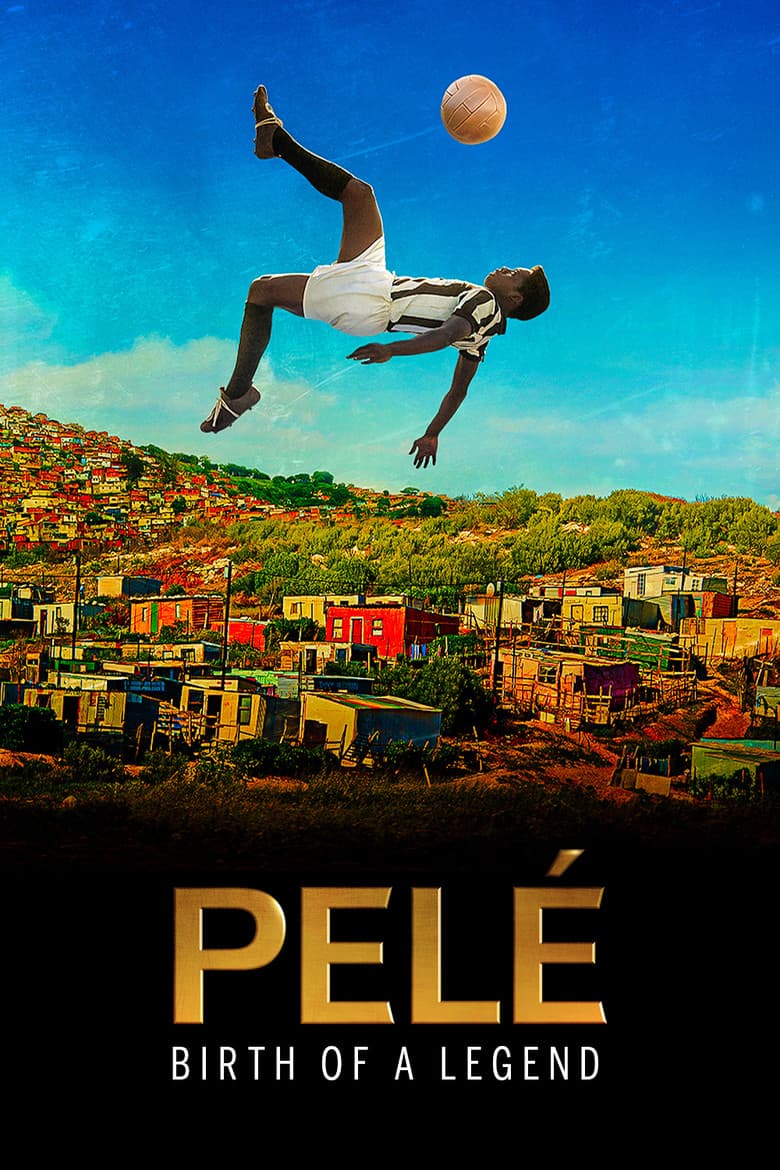
This movie follows Edson, later called Pelé, from a hard childhood in poverty to Brazil’s 1958 World Cup win. Richer kids mock young Dico, and he plays soccer barefoot in the street. He climbs through Santos and the national team as talent and drive open doors. The main fight on screen is about style of play after Brazil’s painful 1950 defeat. Coaches push a stiff European method, while Pelé holds to free flowing Brazilian ginga as the country’s true game.
The story makes African heritage and Brazilian belonging easy for viewers to notice and care about. A mentor speech ties ginga to enslaved Africans, outlawed capoeira, and a post-1950 urge to reject African roots. European coaching is framed as the force that tries to shut that style down. Class tension also shows, with poor kids set against rich kids and a mother who works as a maid. Victory is sold as reclaiming national pride and staying true to who Brazil is. The film still plays mainly as a kid friendly sports biopic rather than a modern politics lecture.
Community feedback
Was our 35% Woke rating accurate?
Breakdown
These are the editorial factors and ratings behind our score for Pelé: Birth of a Legend.
Woke representation / casting
Not present. Cast fits a Brazilian 1950s soccer biopic of a Black Brazilian icon, with Brazilian leads for Pelé and family and historical casting for coaches and rivals. No engineered one-of-each ensemble or identity swaps for optics.
0%
Woke political dialogue
The ginga monologue clearly links play style to African slavery, outlawed capoeira, and rejection of African heritage after 1950. Coaches are shown pushing European methods against that tradition. The words are plain and easy for an audience to hear. They still sit inside sports and history talk, not long modern activist speeches.
32%
Identity-driven story themes
The main arc is reclaiming a Brazilian and African-rooted style against Eurocentric control. Class underdog struggle and national pride after 1950 also drive the plot. Heritage and belonging run through the whole film, not just one scene. It still mostly works as a PG sports biopic, not a modern identity politics thesis.
44%
Western institutional / cultural critique
The film pushes back lightly against European coaching rules and rich-kid snobbery. Winning supports the idea that you should stay true to who you are. It does not wage a long attack on Christianity, traditional family as ideology, or modern Western politics. The critique stays inside period sports culture and Eurocentrism.
20%
Woke character or canon changes
Not relevant. Compression and invented rival beats, including Altafini’s complaints, read as biopic drama, not identity-driven rewriting of race, gender, or sexuality.
0%
Anti-woke backlash and complaints
Not present. No meaningful anti-woke campaign treated the film as DEI propaganda. Public heat was about quality, language, stereotypes, and accuracy, not that it was too woke.
0%
Creator track record context
The Zimbalists and other named creatives are framed as low-activist overall. That profile supports a mainstream sports biopic more than a woke-first project.
12%
Production
Movie · 2023
British stockbroker Nicholas Winton visits Czechoslovakia in the 1930s and forms plans to assist in the rescue of Jewish children before the onset of World War II, in an operation…

Movie · 2018
A father and daughter live a perfect but mysterious existence in Forest Park, a beautiful nature reserve near Portland, Oregon, rarely making contact with the world.
Movie · 2024
Inspired by the incredible true story of a hairdresser who single-handedly rallies an entire community to help a widowed father save the life of his critically ill young daughter.
Movie · 2023
Hirayama is content with his life as a toilet cleaner in Tokyo. Outside of his structured routine, he cherishes music on cassette tapes, books, and taking photos of trees.
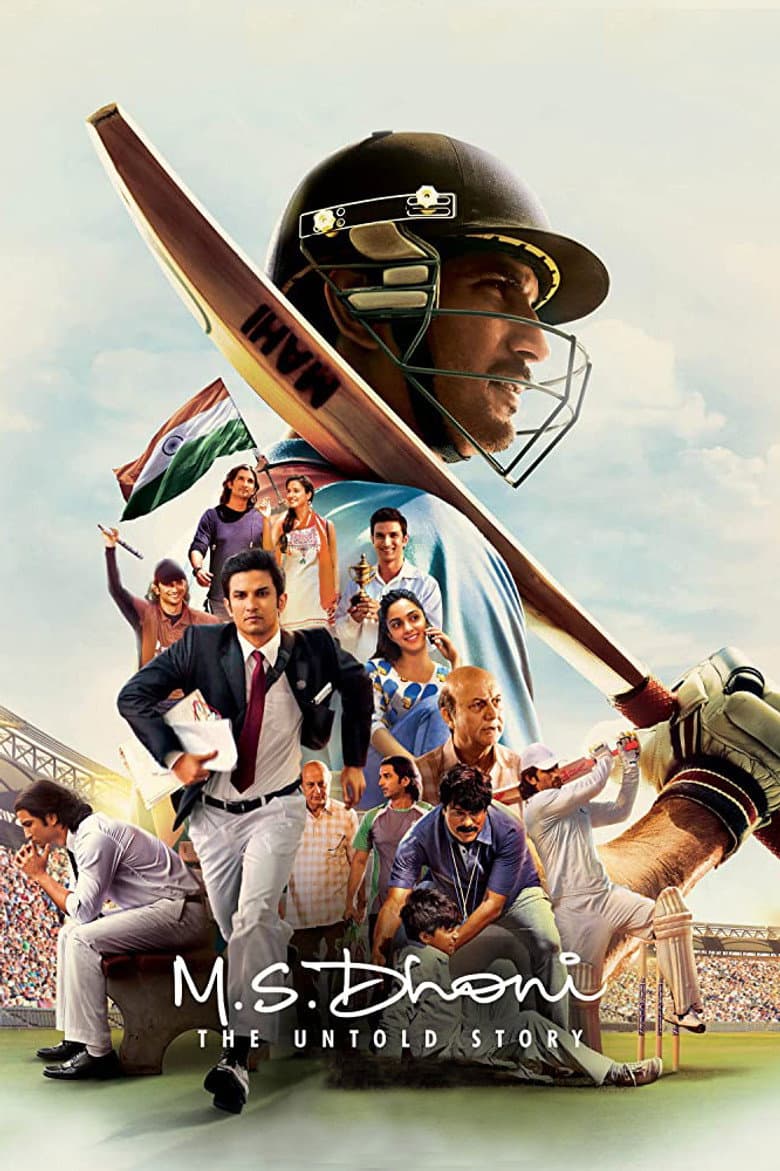
Movie · 2016
Based on the life story of Mahendra Singh Dhoni, and his journey to being the world cup winning captain of the Indian cricket team.
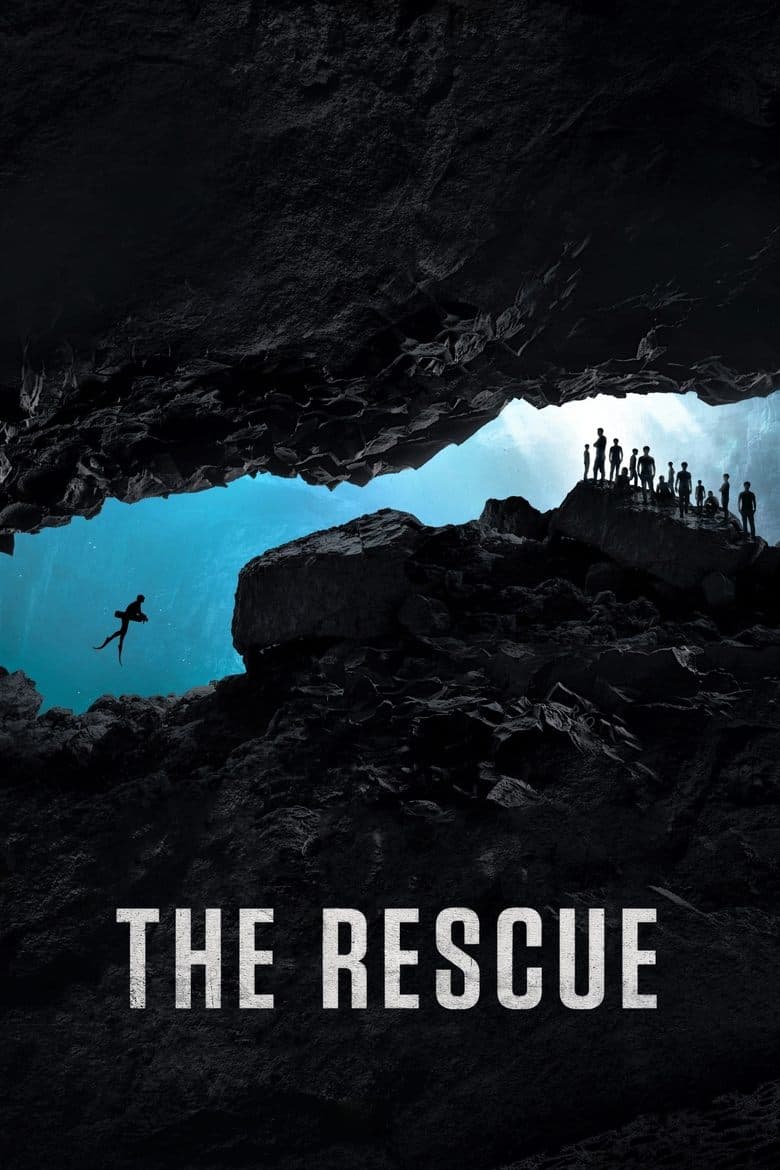
Movie · 2021
The enthralling, against-all-odds story that transfixed the world in 2018: the daring rescue of twelve boys and their coach from deep inside a flooded cave in Northern Thailand.

Movie · 2019
A look at the Apollo 11 mission to land on the moon led by commander Neil Armstrong and pilot Buzz Aldrin.
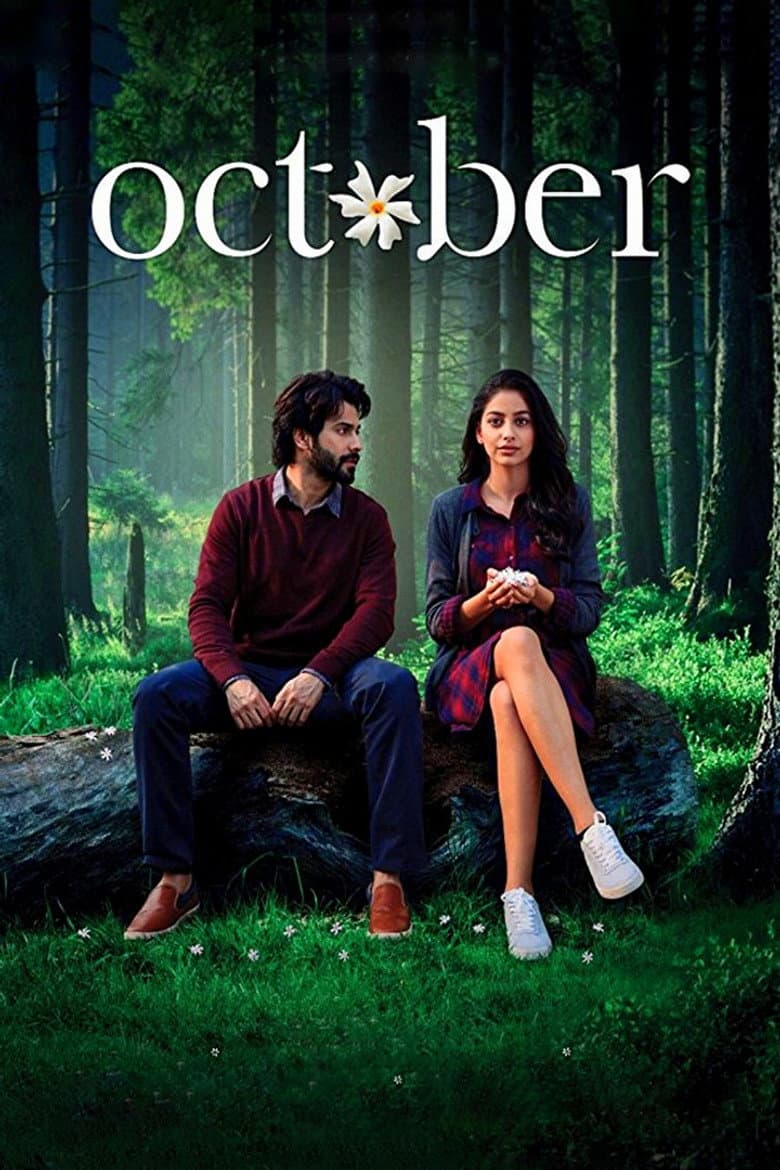
Movie · 2018
Dan, a 21-year-old carefree boy is always surrounded by a bunch of friends and fellow hotel interns who feed off each other's everyday moments, their ups and downs.
