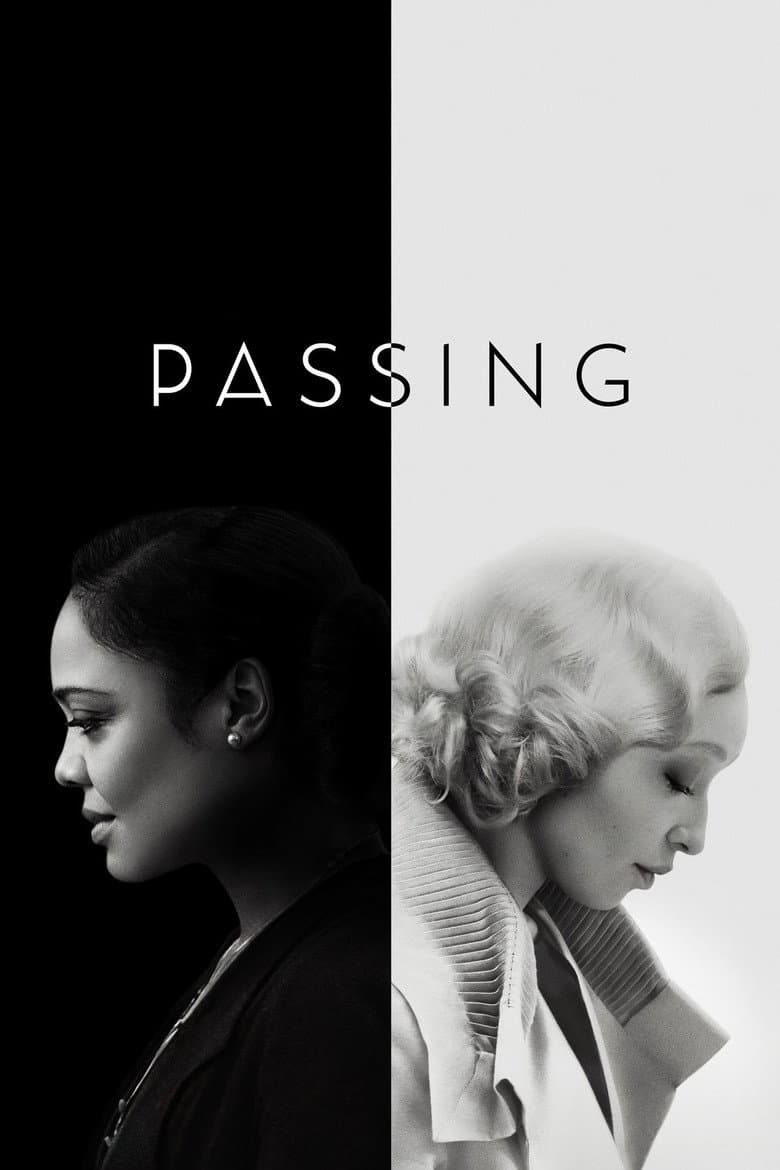
In 1920s New York, Irene is a light-skinned black woman living in Harlem with her husband and kids. One day she runs into Clare, an old friend who now lives as a white woman and is married to a rich white man who hates black people. Clare wants back into Black life, and Irene’s quiet world starts to crack. The movie is slow, tense, and shot in black and white. It feels like a quiet thriller about secrets and fear.
The film is built around race and identity from start to finish. Almost every scene is about who counts as white or Black, the danger of “passing,” and how racism shapes marriage, friendship, and family. There is also clear romantic tension between Irene and Clare through long looks and charged moments, which the director and stars say was on purpose. You also see class lines inside the black community and tight rules for women. A normal viewer would notice race identity as the main story, not a side note. Queer desire is quieter but real if you watch how the women look at each other.
Community feedback
Was our 84% Woke rating accurate?
Breakdown
These are the editorial factors and ratings behind our score for Passing.
Woke representation / casting
Story needs black and mixed leads, so this is not random race-swapping. Hall still cast stars viewers read as black or biracial on purpose to reverse old whitewashed “passing” films and center a black gaze. That identity-first casting choice is clear in interviews and marketing, but the roles themselves fit the plot.
35%
Woke political dialogue
Characters talk often about race, racism, segregation, and whether kids should hear about lynching and “the race problem.” The white husband uses cruel racist language. Lines stay in a 1920s world more than modern slogan talk, but race politics fill the script and any viewer would hear them.
50%
Identity-driven story themes
The whole movie is about racial identity and living as someone you are not. Gender roles, class inside black society, and desire between the two women sit on top of that. Race identity is the engine of the plot, not a side theme. Confirmed queer longing between Irene and Clare adds clear extra weight even when kept mostly visual.
88%
Western institutional / cultural critique
Shows Jim Crow rules, a hateful white husband, fear of racial violence, and tight rules for wives and mothers. It critiques America’s old race system and limits on women. That is strong and visible, but mostly period story logic rather than long modern lectures on capitalism or colonial guilt.
50%
Woke character or canon changes
Stays close to Larsen’s novel of race and coded desire. Film shortens time, drops some book characters, and makes queer longing more clear through long looks. Casting also makes “who is passing” feel less like a secret to the audience. These lean identity-aware but are not big race or gender swaps of known heroes.
30%
Anti-woke backlash and complaints
No major wave of right-leaning “too woke,” DEI, or propaganda attacks found. Most heat was critical praise, casting-looks debate, or left-side questions about who should tell the story. Score stays near zero for true anti-woke complaint volume.
0%
Creator track record context
Driven by Hall (70) as writer-director, who ties the film to mixed-race heritage and progressive politics, plus Larsen’s race-and-gender novel (45) and producers with stronger identity or social-justice records (notably Yvonne Huff Lee at 78). Overall mid-high progressive and identity-linked creative frame.
58%
Production

Movie · 2017
Members of the Granite Mountain Hotshots battle deadly wildfires to save an Arizona town.
Movie · 2026
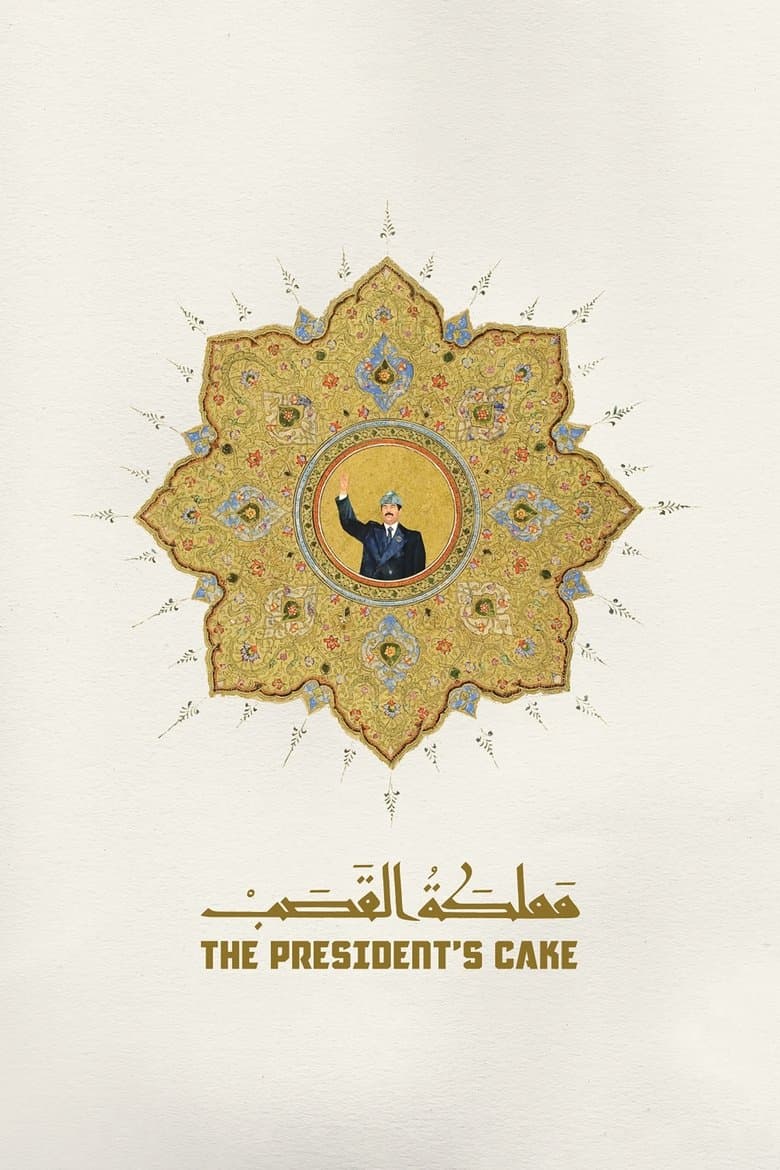
While people across 1990s Iraq struggle to survive the war and food shortages, Saddam Hussein requires each school in the country to prepare a cake to celebrate his birthday.
Movie · 2022
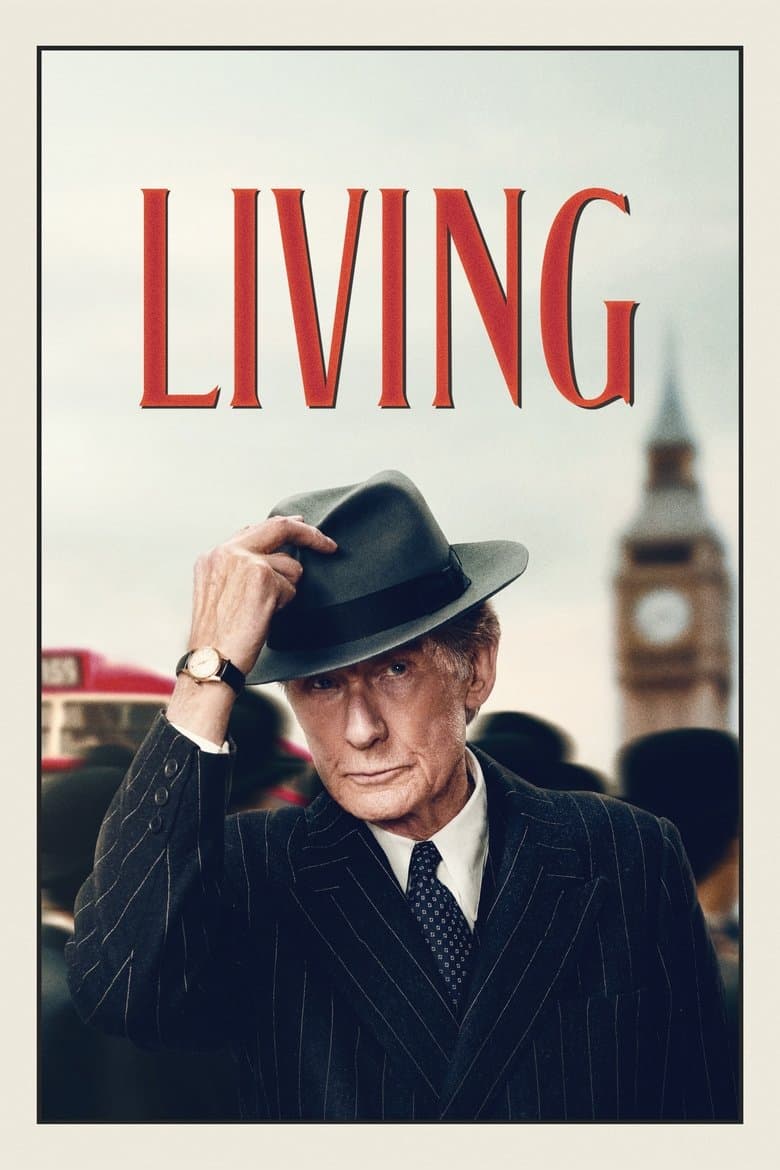
London, 1953. Mr. Williams, a veteran civil servant, is an important cog within the city's bureaucracy as it struggles to rebuild in the aftermath of World War II.

Movie · 2017
In 1950, amidst the ravages of the Korean War, Sergeant Süleyman stumbles upon a a half-frozen little girl, with no parents and no help in sight and he risks his own life to save…
Movie · 2020
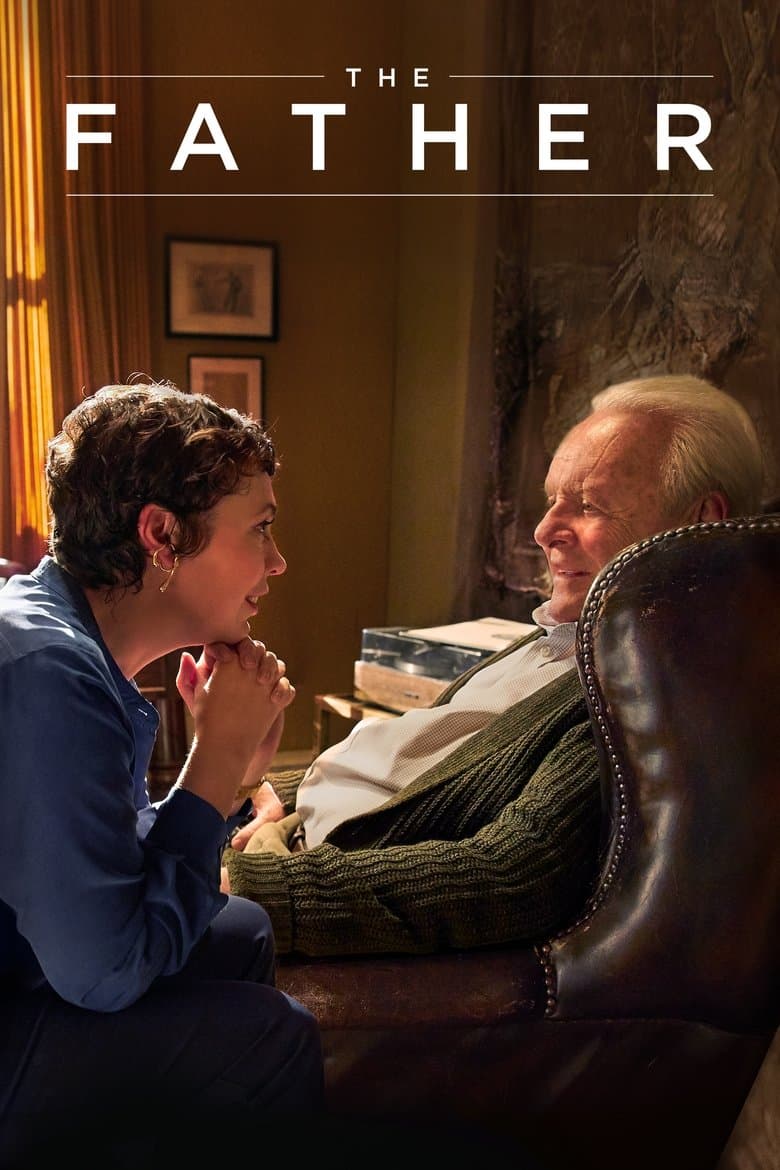
A man refuses all assistance from his daughter as he ages and, as he tries to make sense of his changing circumstances, he begins to doubt his loved ones, his own mind and even…
Movie · 2019
Richard Jewell thinks quick, works fast, and saves hundreds, perhaps thousands, of lives after a domestic terrorist plants several pipe bombs and they explode during a concert…
Movie · 2022
Based on a true tragedy, the emotionally triggering film sheds light on the plight of Kashmiri Pandits (Hindus), a religious minority in the 1990s Kashmir valley, who were…

Movie · 2016
After his older brother passes away, Lee Chandler is forced to return home to care for his 16-year-old nephew.
